
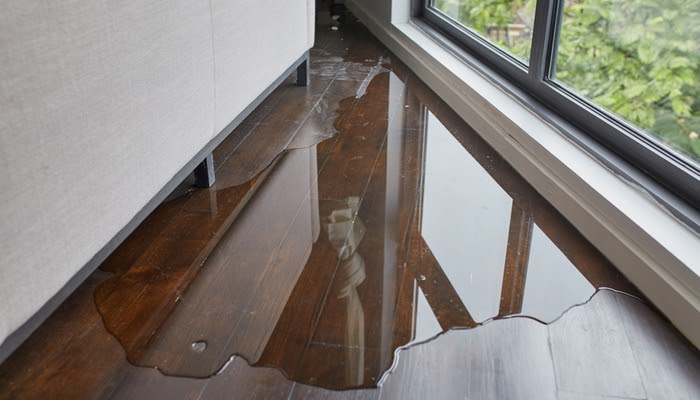
Heavy downpours can turn a safe, dry basement into a source of stress for many homeowners. Understanding why basements flood after heavy rain is essential for protecting your property and avoiding costly repairs. Water intrusion can damage belongings, weaken your home’s foundation, and even create health risks due to mold growth. By learning the causes and effective prevention strategies, you can keep your basement dry even during the wettest seasons.
In this guide, we’ll break down the most common reasons for basement flooding, explain how rainwater finds its way inside, and provide actionable steps to safeguard your home. If you’re also concerned about other plumbing issues, you may find it helpful to read about how to maintain plumbing to avoid leaks for additional tips on keeping your home’s water systems in top shape.
Main Reasons Basements Get Wet During Storms
There are several factors that contribute to water entering basements after a storm. Recognizing these causes is the first step toward effective prevention.
- Poor Drainage Around the Foundation: If the soil around your home doesn’t direct water away, rain can pool next to the foundation and seep through cracks.
- Clogged or Faulty Gutters and Downspouts: When gutters overflow or downspouts discharge too close to the house, water can saturate the ground and find its way inside.
- Foundation Cracks and Gaps: Even small openings in walls or floors can allow water to enter, especially under hydrostatic pressure during heavy rainfall.
- Improper Slope or Grading: If the ground slopes toward your house, rainwater naturally flows toward the foundation instead of away from it.
- Failed Sump Pumps: Many basements rely on sump pumps to remove excess water. If the pump fails or loses power, flooding can occur rapidly.
- Blocked or Broken Sewer Lines: Heavy rain can overwhelm municipal systems, causing backups that push water into basements through floor drains.
How Rainwater Finds Its Way Indoors
Understanding the path water takes from outside to inside your basement is crucial for prevention. During a storm, rainwater saturates the soil around your home. If the ground can’t absorb water quickly enough, pressure builds up against the foundation walls. This pressure, known as hydrostatic pressure, forces water through any available cracks, joints, or porous concrete.
In some cases, water enters through window wells, poorly sealed doors, or plumbing penetrations. Over time, repeated exposure to moisture can worsen existing vulnerabilities, making future flooding more likely. Regular inspections and timely repairs are key to minimizing risk.
Prevention Strategies for Basement Flooding After Storms
Taking proactive steps can greatly reduce the risk of water damage. Here are some effective methods to keep your basement dry during and after heavy rainfall:
Maintain Gutters and Downspouts
Clean gutters and downspouts at least twice a year to ensure they direct water away from your home. Downspout extensions should discharge water at least six feet from the foundation. This simple maintenance task can prevent a significant amount of water from pooling near your basement walls.
Improve Yard Grading and Landscaping
The ground around your house should slope away from the foundation. If you notice low spots or areas where water collects, fill them in with soil and reseed as needed. Consider installing landscaping features like swales or French drains to help channel water away.
Seal Foundation Cracks and Joints
Inspect your basement walls and floors for cracks or gaps. Use hydraulic cement or epoxy to seal small openings. For larger issues, consult a professional to assess and repair structural concerns. Proper sealing helps block water entry points and reduces the impact of hydrostatic pressure.
Install or Upgrade a Sump Pump
A reliable sump pump is a critical line of defense against basement flooding. Test your pump regularly and consider installing a battery backup system to keep it running during power outages. If you don’t already have a sump pump, consult a plumber about the best options for your home.
Protect Basement Windows and Doors
Install window well covers to keep rainwater and debris out. Ensure all exterior doors are properly sealed and weatherstripped. These small upgrades can prevent water from entering through vulnerable points.
Additional Tips to Prevent Water Damage
- Check Plumbing Regularly: Leaky pipes or fixtures can contribute to basement moisture. For more guidance, see water pressure and pipe damage explained for homeowners.
- Install Backwater Valves: These devices prevent sewage from backing up into your basement during heavy storms.
- Consider a Dehumidifier: Keeping humidity levels low discourages mold growth and helps dry out minor seepage quickly.
- Store Belongings Off the Floor: Use shelves or waterproof bins to protect items from potential water exposure.
- Review Insurance Coverage: Standard homeowners insurance may not cover flood damage. Consider supplemental policies if you live in a high-risk area.
What to Do If Your Basement Floods
Even with the best precautions, severe weather can sometimes overwhelm your defenses. If you discover water in your basement:
- Stay Safe: Avoid entering flooded areas if electrical outlets or appliances are submerged. Turn off power if you can do so safely.
- Remove Water Promptly: Use a wet/dry vacuum, sump pump, or towels to remove standing water as quickly as possible.
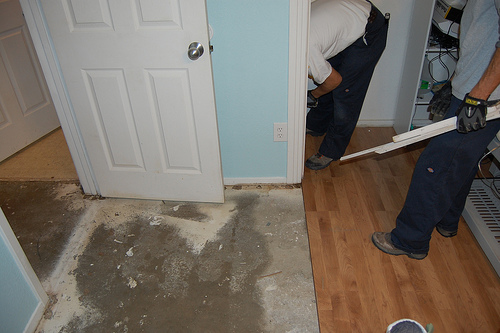
- Dry and Disinfect: Open windows, run fans, and use a dehumidifier to dry the area. Clean and disinfect all surfaces to prevent mold.
- Document Damage: Take photos and keep records for insurance claims.
- Address the Cause: Identify and repair the source of the water to prevent future incidents.
For more detailed advice on protecting your property, the Insurance Information Institute offers a helpful resource on how to protect your home from water damage.
Frequently Asked Questions
What are the most common causes of basement flooding after rain?
The most frequent reasons include poor drainage, clogged gutters, cracks in the foundation, improper grading, sump pump failure, and sewer backups. Addressing these issues can significantly reduce the risk of water entering your basement.
How can I tell if my basement is at risk of flooding?
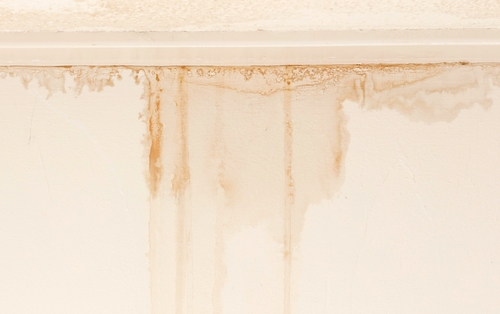
Warning signs include water stains on walls or floors, musty odors, visible cracks, pooling water near the foundation, and frequent sump pump operation. Regular inspections and maintenance help identify vulnerabilities early.
Are there long-term solutions to prevent basement water problems?
Yes, long-term prevention involves a combination of proper grading, maintaining gutters and downspouts, sealing cracks, installing or upgrading sump pumps, and considering backwater valves. Professional waterproofing may be necessary for persistent issues.
Is basement flooding covered by homeowners insurance?
Standard policies often exclude flood damage. You may need separate flood insurance or endorsements for full coverage. Review your policy and consult your insurance provider for details.
Conclusion
Flooded basements after storms are a common challenge, but with the right knowledge and preventive measures, you can protect your home from serious water damage. Regular maintenance, prompt repairs, and smart upgrades all play a role in keeping your basement dry. By staying proactive and informed, you can minimize the risks and enjoy peace of mind during even the heaviest rainfalls.




