
Properly managing water flow around your property is essential for protecting your foundation, landscaping, and overall home value. When rainwater or melting snow isn’t directed away from your house, it can lead to costly water damage, soil erosion, and even basement flooding. Understanding how to maintain exterior drainage is a key part of homeownership that helps prevent these issues before they start.
This article outlines the most effective strategies for keeping your outdoor drainage systems in top condition. From regular inspections to cleaning gutters and grading your yard, you’ll find practical steps to reduce the risk of water-related problems. For those interested in a deeper dive on related topics, you may also want to review the importance of gutter maintenance for home protection.
Why Exterior Drainage Maintenance Matters
Keeping outdoor water management systems functioning properly is more than just a matter of convenience. Poor drainage can cause water to pool near your foundation, leading to cracks, leaks, and even structural instability. Over time, this can result in expensive repairs and a decrease in property value.
Well-maintained drainage also helps prevent soil erosion, protects landscaping, and reduces the risk of mold and mildew growth inside your home. By taking proactive steps, you can avoid many of the headaches associated with water damage and enjoy greater peace of mind during heavy rains.
Inspecting Your Property for Drainage Issues
The first step in effective exterior water management is a thorough inspection. Walk around your home after a rainstorm and look for signs of standing water, soggy patches in the yard, or water stains on your foundation. These are often early indicators that your drainage system needs attention.
- Check gutters and downspouts for blockages or leaks.
- Look for soil erosion or exposed roots near the foundation.
- Observe whether water flows away from or toward the house.
- Inspect driveway and walkway edges for pooling water.
If you notice persistent dampness or water intrusion in your basement, you may find additional guidance in this resource on how to improve basement drainage and reduce flooding risks.
Cleaning and Maintaining Gutters and Downspouts
One of the most critical aspects of how to maintain exterior drainage is keeping gutters and downspouts clear. Clogged gutters can cause water to overflow, saturating the soil near your foundation and increasing the risk of leaks.
- Remove leaves, twigs, and debris from gutters at least twice a year.
- Ensure downspouts are securely attached and direct water at least 5–10 feet away from the house.
- Install gutter guards to reduce future buildup.
- Check for leaks or rust and repair as needed.
For more detailed tips on this topic, see the importance of gutter maintenance article.
Grading and Landscaping for Proper Water Flow
The slope of your yard plays a major role in directing water away from your home. Ideally, the ground should slope downward from your foundation at a rate of at least 1 inch per foot for the first 6–10 feet. If your yard is flat or slopes toward the house, you may need to regrade or add soil to create the right angle.
- Fill in low spots near the foundation with soil and compact it firmly.
- Use mulch or ground cover plants to reduce erosion and absorb excess water.
- Install landscape edging to help channel water away from problem areas.
- Consider French drains or dry creek beds for persistent drainage issues.
Proper landscaping not only improves drainage but also enhances curb appeal and protects your investment in the long run.
Maintaining Drains, Catch Basins, and Other Systems
Many homes have additional drainage features such as surface drains, catch basins, or underground pipes. These systems require regular maintenance to function effectively.
- Clear debris from grates and inlets after storms.
- Flush underground pipes annually to prevent clogs.
- Check for signs of blockage, such as slow drainage or backups.
- Repair or replace damaged components promptly.
If you experience frequent water problems despite regular maintenance, consult a professional to assess your system and recommend improvements.
Preventing Water Damage with Smart Tools and Technology
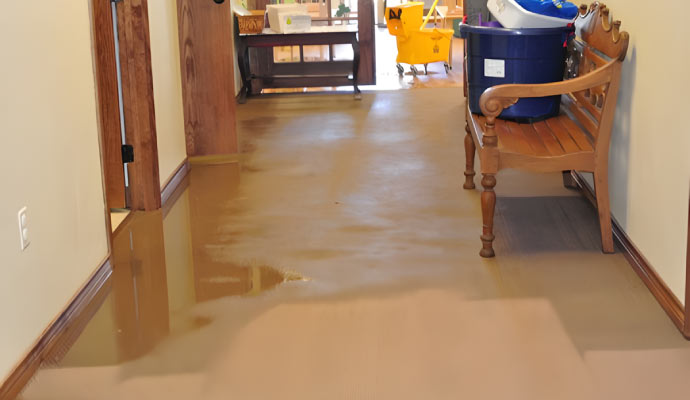
In addition to routine maintenance, modern technology can help you monitor and prevent water leaks before they cause major damage. Devices such as pipe and toilet leak detectors can alert you to hidden moisture problems, giving you time to act quickly.
Investing in these tools is a proactive way to protect your home and avoid expensive repairs. For more information on preventing water damage, you can read this comprehensive guide to stopping water damage at home.
Seasonal Tips for Outdoor Drainage Care
Each season brings unique challenges for keeping water away from your home. Here are some tips to help you stay ahead:
- Spring: Clear gutters and drains of winter debris. Check for soil settlement and regrade as needed.
- Summer: Inspect irrigation systems for leaks. Ensure landscaping does not block drainage paths.
- Fall: Remove fallen leaves from gutters, drains, and catch basins. Prepare for increased rainfall.
- Winter: Ensure downspouts are clear of ice. Watch for snowmelt pooling near the foundation.
Staying consistent with these seasonal tasks will help you avoid emergencies and keep your drainage systems running smoothly.
Common Signs of Drainage Problems
Early detection is key to preventing serious water damage. Watch for these warning signs:
- Water stains or dampness on basement walls
- Puddles or soft spots in the yard after rain
- Cracks in the foundation or exterior walls
- Mildew or musty odors indoors
- Overflowing gutters or downspouts
If you notice any of these issues, take action promptly. You may also find it helpful to review the article on signs your roof may leak soon for additional insights on protecting your home from water intrusion.
Frequently Asked Questions
How often should I inspect my exterior drainage systems?
It’s best to inspect gutters, downspouts, and yard grading at least twice a year—typically in the spring and fall. After major storms, do a quick check for new debris or damage.
What should I do if water is pooling near my foundation?
Address the issue as soon as possible by clearing gutters, extending downspouts, and regrading the soil to slope away from your home. Persistent problems may require professional assessment or installation of additional drainage solutions like French drains.
Can landscaping affect my home’s drainage?
Yes, landscaping choices play a significant role in managing water flow. Dense plantings, mulch, and proper grading all help absorb and direct water away from your foundation. Avoid placing impermeable surfaces or large shrubs too close to the house, as these can trap moisture.
Are there any smart devices that help with water leak detection?
Absolutely. Devices such as pipe and toilet leak detectors can alert you to leaks early, helping you prevent major damage. These tools are especially useful for monitoring hard-to-see areas or when you’re away from home.




