
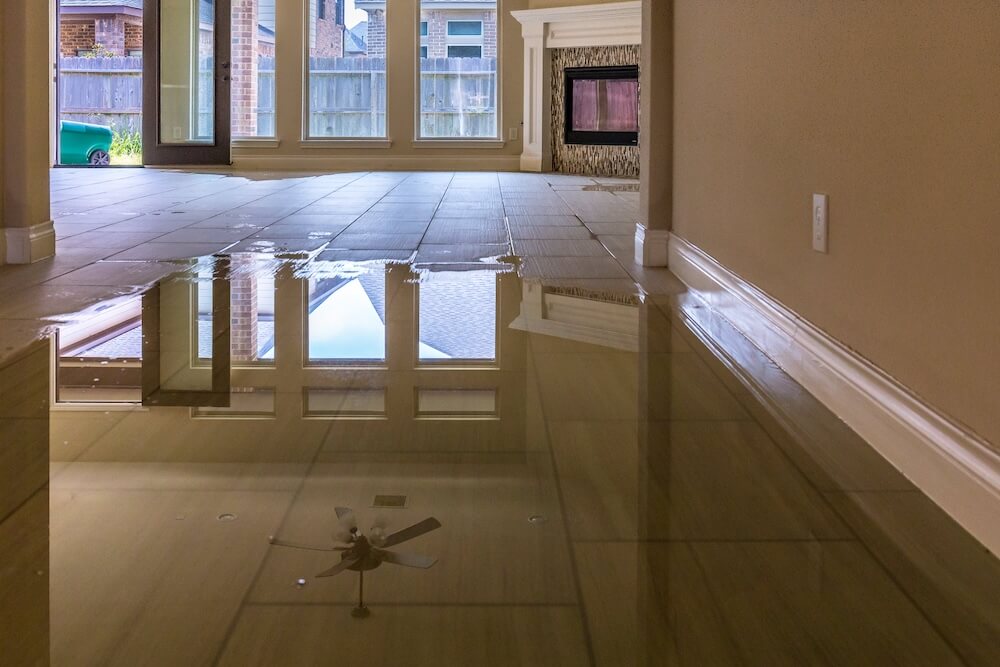
Keeping your home dry and protected starts at the top. A thorough roof inspection checklist is one of the most effective tools for homeowners to avoid costly water damage. By regularly assessing your roof’s condition and addressing minor issues early, you can prevent leaks, mold, and structural problems before they start. This article provides a practical, step-by-step guide to evaluating your roof and highlights what to look for, when to act, and how to maintain your home’s first line of defense.
If you’re already concerned about potential leaks, it’s helpful to review the signs your roof may leak soon so you can act quickly. Early detection and routine maintenance are key to avoiding water intrusion and the headaches that come with it.
Why Regular Roof Inspections Matter
Water damage is one of the most common and expensive issues homeowners face. A neglected roof can allow rainwater to seep into your attic, walls, and ceilings, leading to rot, mold, and even compromised structural integrity. By following a consistent roof inspection checklist, you can spot trouble areas before they escalate into major repairs.
Inspections are especially important after severe weather events, such as heavy rain, hail, or strong winds. Even if your roof appears intact from the ground, hidden problems can develop over time. For more on proactive maintenance, see our guide on how to prevent roof leaks and water damage.
Essential Roof Inspection Steps for Homeowners
A comprehensive evaluation doesn’t require professional tools, but it does require attention to detail. Here’s a breakdown of what to check, both inside and outside your home.
1. Inspect the Attic and Ceilings
- Look for water stains, mold, or damp insulation in the attic.
- Check for sunlight shining through the roof boards, which can indicate holes or cracks.
- Notice any musty odors, as these can signal hidden moisture or leaks.
2. Examine Shingles and Roofing Material
- Scan for missing, cracked, or curling shingles.
- Look for granule buildup in gutters, which suggests shingle wear.
- Check for moss, algae, or lichen growth, which can trap moisture and damage roofing material.
3. Check Flashing, Vents, and Chimneys
- Inspect metal flashing around chimneys, skylights, and roof valleys for rust, cracks, or gaps.
- Ensure vent boots are intact and not cracked or loose.
- Look for deteriorated caulking or sealant around roof penetrations.
4. Evaluate Gutters and Downspouts
- Clear debris from gutters to prevent water backup and overflow.
- Check for sagging gutters, loose fasteners, or leaks at seams.
- Make sure downspouts direct water away from your foundation.
Gutter maintenance is a critical part of any roof inspection checklist. For more details on keeping your drainage system in top shape, review our article on the importance of gutter maintenance for home protection.
5. Assess Roof Edges and Eaves
- Look for signs of rot or water stains on fascia boards and soffits.
- Check for animal nests or debris buildup at roof edges.
- Ensure drip edges are securely fastened and free of rust.
Common Warning Signs of Roof Water Damage
Even with regular checks, it’s important to know the early indicators of trouble. Watch for:
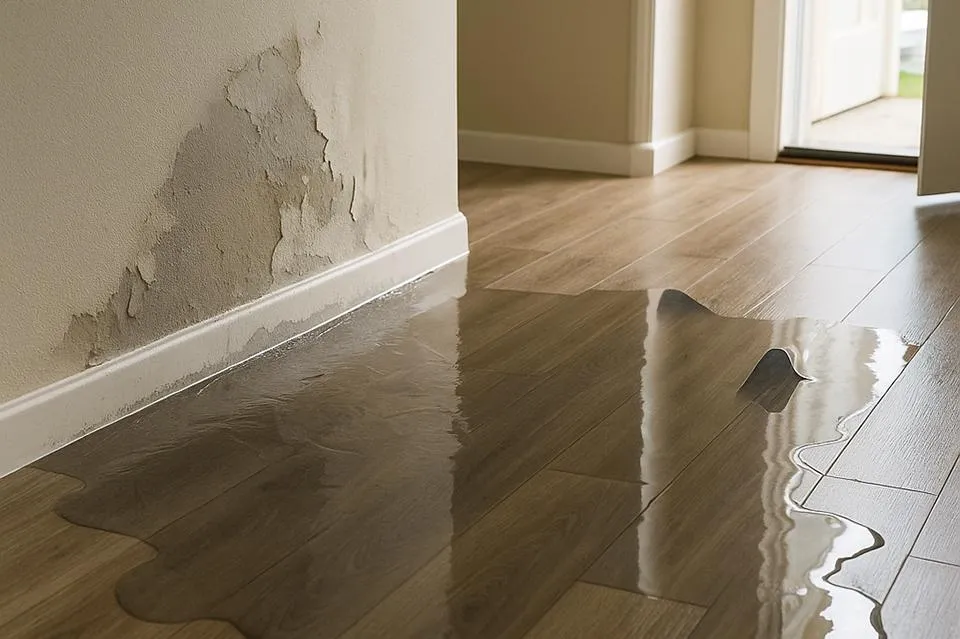
- Peeling paint or bubbling on interior walls and ceilings
- Visible water stains or discoloration
- Unexplained spikes in indoor humidity or musty smells
- Warped or sagging rooflines
If you notice any of these symptoms, act quickly to investigate and repair the source. For additional strategies, see our advice on how to improve basement drainage and reduce flooding risks.
How Often Should You Inspect Your Roof?
Most experts recommend performing a detailed visual check at least twice a year—ideally in the spring and fall. Additional inspections are wise after major storms or if you notice any of the warning signs listed above. If you’re not comfortable climbing a ladder or walking on your roof, use binoculars for a ground-level view or hire a qualified roofing professional.
Tips for Preventing Water Damage Beyond the Roof
While the roof is a major line of defense, other areas of your home can also contribute to water issues. Regularly check plumbing fixtures, appliances, and basement drainage systems. Consider installing leak detectors for early warning. For more tips, see this comprehensive guide on protecting your home from water damage.
Frequently Asked Questions
What should I do if I find a small leak during my inspection?
Address small leaks immediately to prevent them from growing. Apply roofing cement or replace damaged shingles as a temporary fix, then schedule a professional repair as soon as possible.
Can I perform a roof inspection myself, or should I hire a professional?
Many homeowners can complete a basic visual check using a ladder or binoculars. However, for steep or high roofs, or if you notice significant damage, it’s safer and more effective to hire a licensed roofing contractor.
How do I know if my gutters are causing water damage?
Overflowing, sagging, or leaking gutters can direct water onto your roof or foundation, leading to damage. Regularly clean and inspect gutters, and make sure downspouts are clear and extend away from your home.
Are there any signs that indicate my roof is near the end of its lifespan?
Frequent leaks, widespread shingle loss, sagging areas, and visible daylight in the attic are all signs your roof may need replacement. Age is also a factor—most asphalt shingle roofs last 20–25 years.
Conclusion
A well-maintained roof is essential for safeguarding your home from water intrusion. By following a structured roof inspection checklist, you can catch problems early, extend the life of your roof, and avoid expensive repairs. Make inspections a regular part of your home maintenance routine, and don’t hesitate to seek professional help for complex issues. Staying proactive is the best way to keep your home dry, safe, and comfortable year-round.




