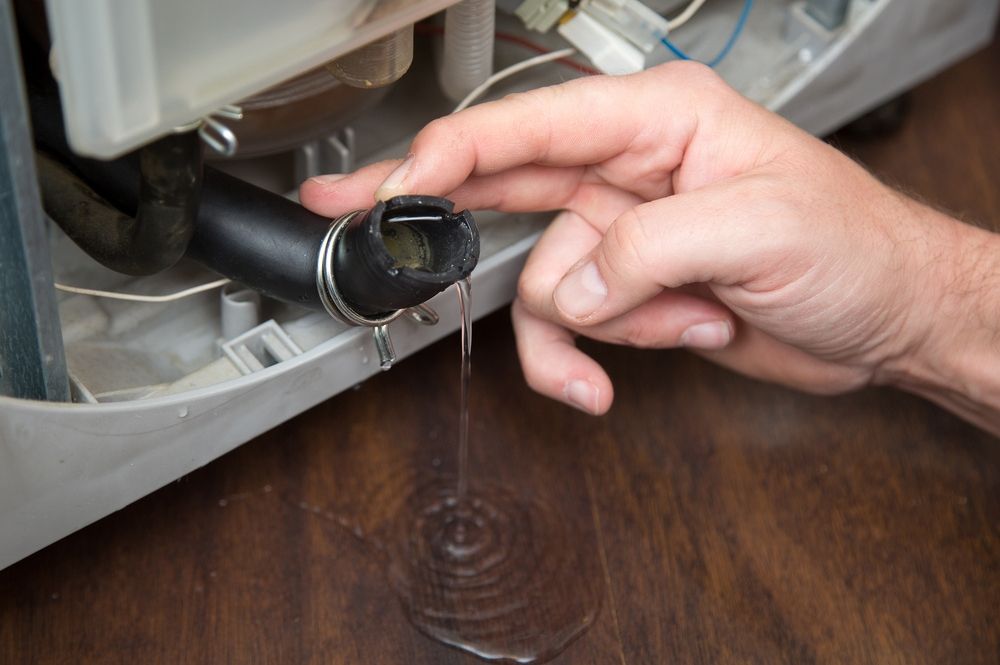
Water leaks around household appliances can lead to significant damage, high repair costs, and even health hazards if not detected early. Whether you’re concerned about your washing machine, dishwasher, refrigerator, or water heater, knowing how to use leak detectors near appliances can help you prevent minor issues from turning into major disasters. This guide covers the essentials of choosing, installing, and maintaining leak detection devices to protect your home and belongings.
Before diving into the step-by-step process, it’s important to understand that water damage prevention involves more than just monitoring appliances. For a comprehensive approach, consider reviewing resources like the roof inspection checklist to prevent water damage from above, as well as tips on maintaining exterior drainage.
Why Leak Detection Matters Near Household Appliances
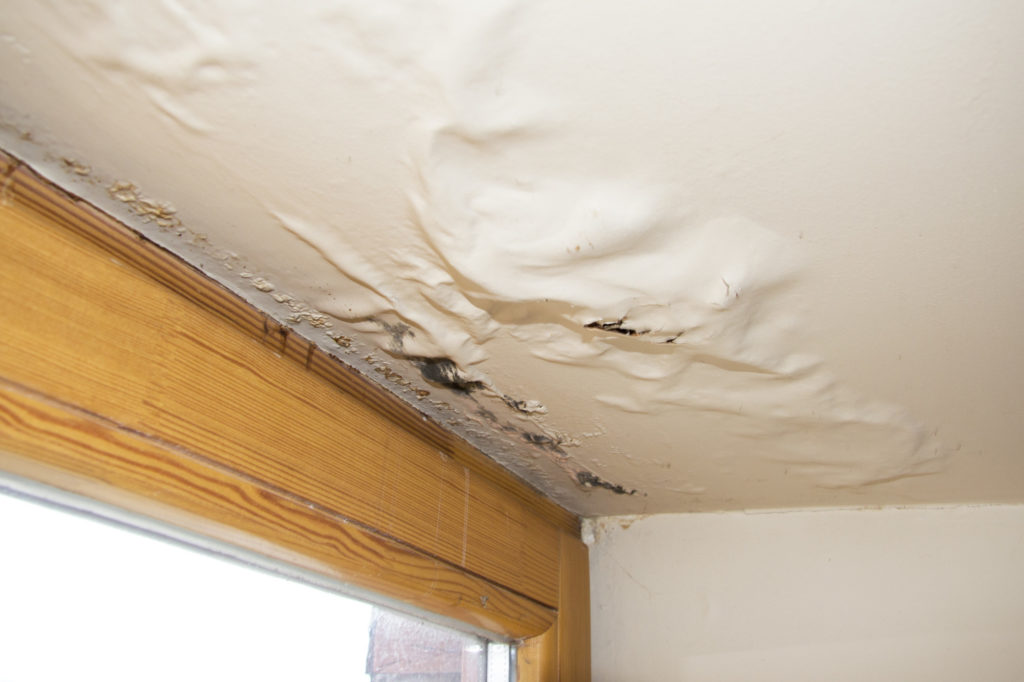
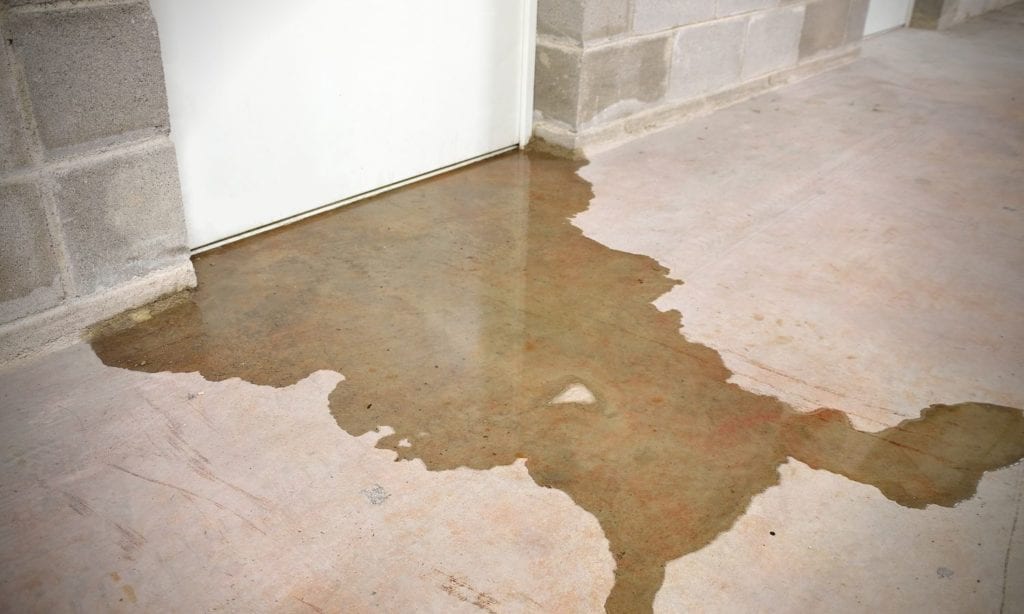
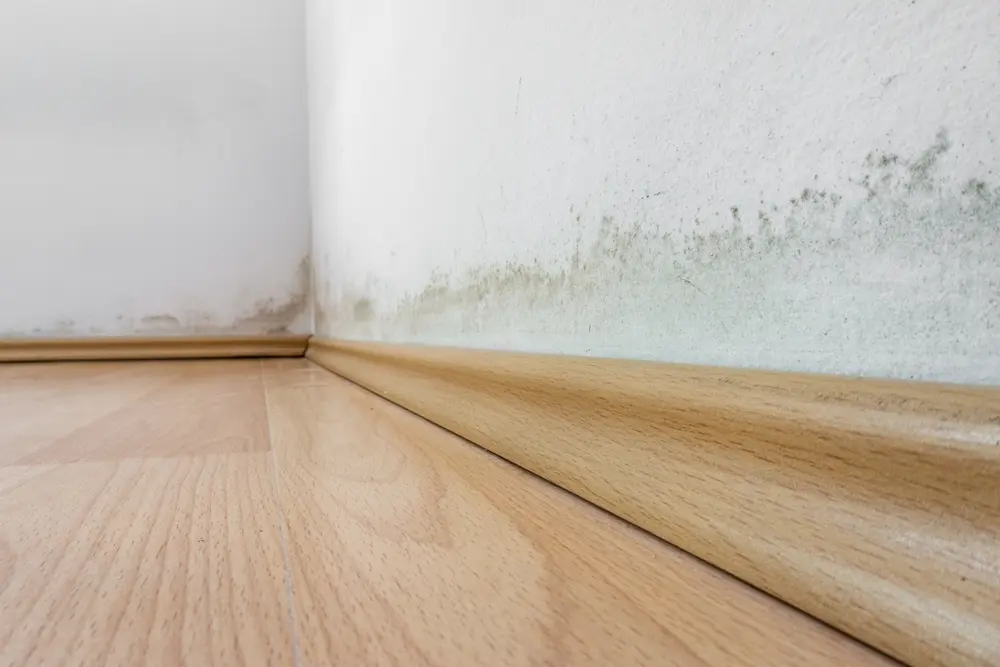
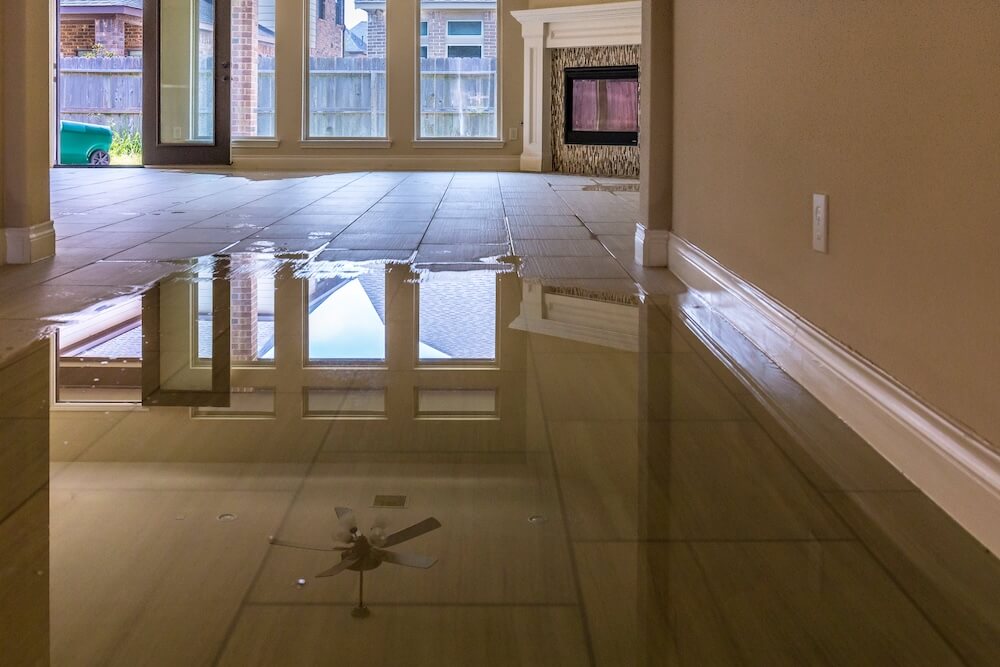
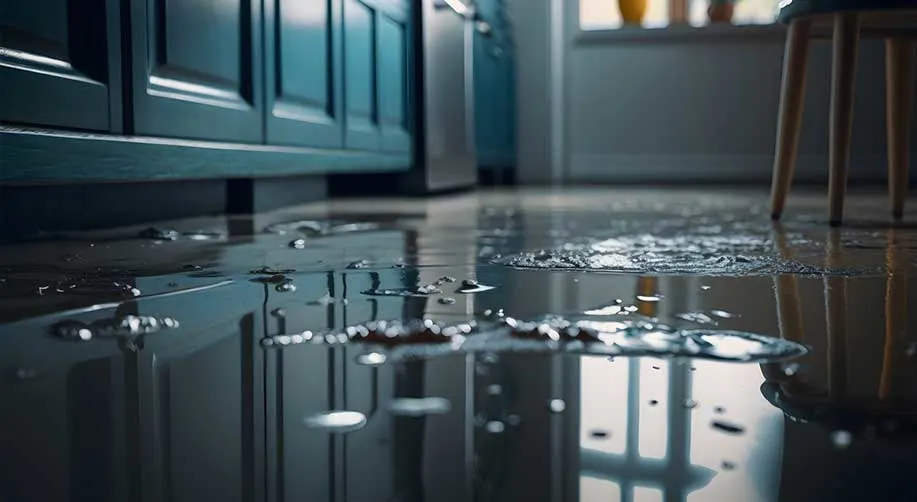
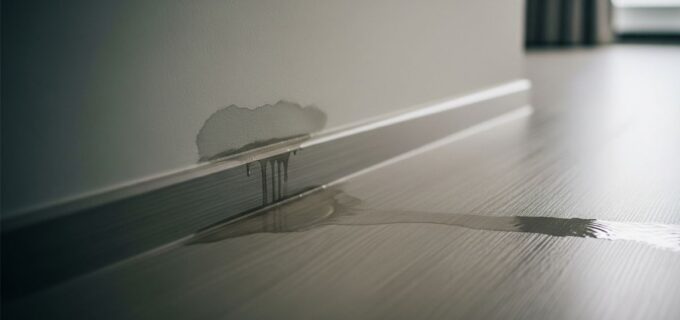
Appliances that use water—such as washing machines, dishwashers, refrigerators with ice makers, and water heaters—are common sources of leaks. Even a small, slow leak can cause hidden damage to floors, walls, and cabinetry, leading to mold growth and structural issues. By installing leak detectors near appliances, you gain early warning of moisture problems, allowing you to act before significant harm occurs.
- Early detection minimizes costly repairs and insurance claims.
- Prevents the development of mold and mildew.
- Protects valuable flooring, cabinetry, and electronics.
- Reduces the risk of slip-and-fall accidents caused by pooled water.
Types of Leak Detectors for Appliance Areas
There are several types of leak detection devices designed for use around home appliances. Understanding your options helps you choose the right solution for your needs.
- Passive Leak Alarms: These battery-powered units sound a loud alarm when water contacts their sensors. They are simple to install and ideal for placing directly on the floor near appliances.
- Smart Leak Sensors: These connect to your Wi-Fi network and send alerts to your smartphone if moisture is detected. Many models also integrate with smart home platforms for added convenience.
- Inline Water Monitors: Installed on water supply lines, these devices track water flow and can automatically shut off the supply if a leak is detected. They are more complex but provide comprehensive protection.
Choosing the Right Leak Detector for Your Appliance
Selecting the best leak detector depends on the appliance location, your budget, and the level of monitoring you want. For most homeowners, a combination of passive and smart sensors offers a good balance of affordability and peace of mind.
- For laundry rooms and kitchens, place sensors near washing machines, dishwashers, and refrigerators.
- In utility closets or basements, install detectors close to water heaters and HVAC systems.
- Consider smart sensors for areas where you want remote notifications or integration with automated shutoff valves.
Step-by-Step Guide: Installing Leak Detectors Near Appliances
Follow these steps to ensure proper placement and operation of your leak detection devices:
- Identify Risk Zones: Locate all appliances with water connections. Check for existing signs of moisture or corrosion.
- Prepare the Area: Clean the floor or surface where the sensor will be placed. Remove dust, debris, and obstructions for accurate detection.
- Install the Detector: For passive alarms, position the sensor flat on the floor as close as possible to the appliance’s water connection or drip pan. For smart sensors, follow the manufacturer’s instructions for pairing with your Wi-Fi network and app.
- Test the Device: Simulate a leak by placing a damp cloth under the sensor or using a few drops of water. Confirm that the alarm sounds or that you receive a notification.
- Maintain and Monitor: Check batteries or power sources regularly. Test alarms every few months to ensure continued functionality.
Best Practices for Leak Detector Placement
To maximize the effectiveness of your leak detection system, follow these placement tips:
- Position sensors at the lowest point near the appliance, where water would naturally pool.
- Keep sensors away from vents, drains, or areas where condensation might trigger false alarms.
- For refrigerators with ice makers, place the sensor behind or beside the unit, near the water line connection.
- In laundry rooms, set detectors under or beside the washing machine, especially if the floor is sloped.
- For water heaters, place the sensor next to the base or in the drip pan.
Integrating Leak Detectors with Home Maintenance
Leak detection should be part of a broader home maintenance strategy. Regularly inspect appliance hoses and connections for signs of wear. Combine leak sensors with other preventive measures, such as routine checks of your roof and gutters. For additional guidance, review advice on how to prevent water damage from clogged gutters and how to maintain exterior drainage.
If you’re interested in advanced solutions, some leak detectors can be integrated with smart home systems to automatically shut off the water supply when a leak is detected. This is especially useful for homeowners who travel frequently or have multiple properties to manage.
Additional Tips for Preventing Appliance Leaks
- Replace appliance hoses every 3–5 years, or sooner if you notice cracks or bulges.
- Ensure appliances are level to reduce strain on hoses and connections.
- Install drip pans under washing machines and water heaters to contain minor leaks.
- Check for signs of rust, mineral buildup, or corrosion around fittings and valves.
- Review your homeowner’s insurance policy to understand coverage for water damage.
For more ways to protect your property, you can explore resources on how to protect your home from water damage, which covers a range of strategies beyond leak detection.
Frequently Asked Questions
Where should I place leak detectors around appliances?
Position detectors at the lowest point near the appliance, such as beside or behind washing machines, dishwashers, refrigerators, and water heaters. Make sure the sensor is close to water connections, where leaks are most likely to start.
How often should I test my leak detectors?
Test your devices every three to six months by simulating a leak with a damp cloth or a few drops of water. Replace batteries as needed and check for firmware updates if you use smart sensors.
Can leak detectors prevent all water damage?
While these devices provide early warning and can help minimize damage, they are most effective when combined with regular maintenance and prompt repairs. They do not stop leaks from occurring but alert you so you can act quickly.