
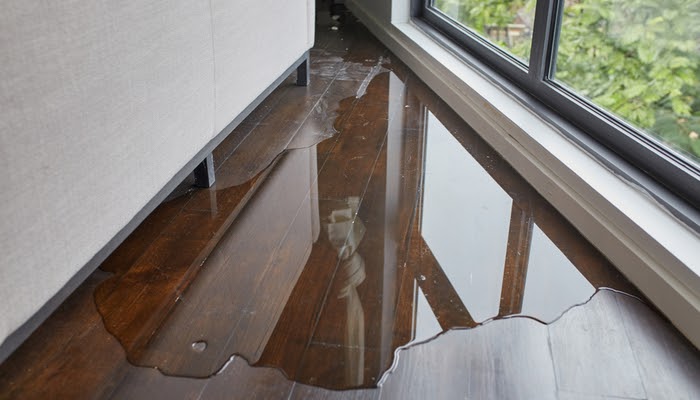
Keeping your water heater in top condition is essential for preventing costly leaks and water damage in your home. Routine care not only extends the lifespan of your appliance but also helps you avoid unexpected breakdowns and expensive repairs. With a few practical steps, you can minimize the risk of leaks and ensure your water heater operates efficiently year-round.
Homeowners often overlook the importance of regular upkeep, but a proactive approach can save you from significant headaches down the line. In addition to safeguarding your water heater, it’s wise to consider the overall health of your home’s water management systems. For example, following a roof inspection checklist can further reduce the risk of water-related issues.
Why Regular Water Heater Care Matters
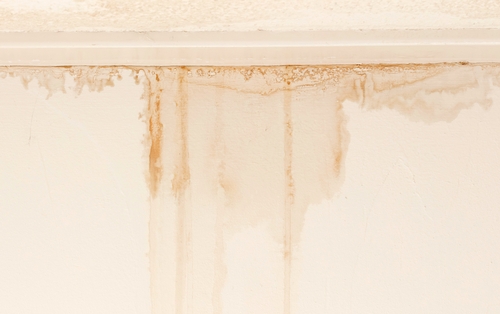
Many leaks and failures can be traced back to neglected maintenance. Over time, sediment builds up inside the tank, valves wear out, and connections may loosen. These issues increase the risk of leaks, which can cause significant water damage to floors, walls, and even the foundation. By following water heater maintenance tips, you can catch small problems before they escalate.
Preventive care also improves energy efficiency. A well-maintained unit uses less energy to heat water, lowering your utility bills. Regular checks and cleaning help ensure your water heater delivers reliable hot water when you need it most.
Essential Steps for Preventing Water Heater Leaks
Inspect for Signs of Corrosion and Wear
Begin by visually examining your water heater at least once every few months. Look for rust, corrosion, or moisture around the base and fittings. Pay special attention to the tank itself and the area around the pressure relief valve. If you spot any signs of trouble, address them promptly to prevent leaks from worsening.
Flush the Tank to Remove Sediment
Sediment buildup is a common cause of leaks and inefficiency. Over time, minerals in the water settle at the bottom of the tank, causing overheating and corrosion. To prevent this, drain and flush your water heater at least once a year. This process removes sediment and helps the tank heat water more evenly.
Test the Temperature and Pressure Relief Valve
The temperature and pressure relief (T&P) valve is a critical safety feature. It prevents excess pressure from building up inside the tank, which can lead to leaks or even dangerous ruptures. To test it, place a bucket under the discharge pipe and gently lift the valve’s lever. You should hear a rush of water or see some water flow out. If nothing happens or the valve leaks afterward, it may need to be replaced.
Check All Connections and Fittings
Loose or corroded connections are a frequent source of leaks. Inspect the cold water inlet, hot water outlet, and any visible pipes for drips or moisture. Tighten fittings as needed, and replace any worn washers or gaskets. If you notice persistent leaks, it may be time to call a professional plumber for further inspection.
Additional Tips for Long-Term Water Heater Health
Install a Leak Detector for Early Warning
Even with diligent maintenance, leaks can sometimes occur unexpectedly. Installing a leak detector near your water heater provides an extra layer of protection. These devices alert you to the presence of water, allowing you to act quickly before significant damage occurs. For more on safeguarding your home, see how a water damage prevention system can help.
Maintain Proper Clearance Around the Unit
Ensure there is enough space around your water heater for air circulation and easy access during inspections. Avoid storing items directly against the tank, as this can trap moisture and accelerate corrosion. Keeping the area clear also makes it easier to spot leaks or other issues early.
Schedule Professional Inspections
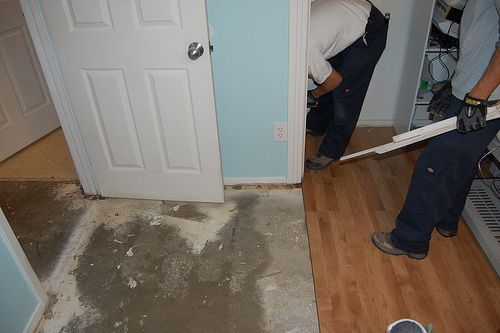
While many maintenance tasks can be handled by homeowners, it’s wise to have a licensed plumber inspect your water heater every couple of years. Professionals can spot hidden issues, test components, and recommend repairs or replacements before problems become serious. This is especially important for older units or if you notice any warning signs such as discolored water or unusual noises.
Monitor for Unusual Noises or Odors
Strange sounds like popping or rumbling can indicate excessive sediment buildup. Similarly, a metallic smell or taste in your hot water may signal corrosion inside the tank. Addressing these issues promptly can help you avoid leaks and extend the life of your appliance.
Integrating Water Heater Care with Overall Home Maintenance
Taking care of your water heater is just one part of a comprehensive approach to home maintenance. Regularly checking other potential sources of water damage, such as gutters and exterior drainage, can further protect your property. For example, learning how to prevent water damage from clogged gutters or understanding how to maintain exterior drainage are valuable steps in keeping your home safe and dry.
Frequently Asked Questions
How often should I flush my water heater to prevent leaks?
Flushing your water heater once a year is generally recommended to remove sediment and prevent corrosion. In areas with hard water, you may need to flush it more frequently to maintain optimal performance and reduce the risk of leaks.
What are the most common signs that my water heater is about to leak?
Watch for moisture or rust around the base, corrosion on fittings, water pooling underneath, or unusual noises from the tank. These signs often indicate developing problems that could lead to leaks if not addressed promptly.
Can I perform all water heater maintenance myself, or should I hire a professional?
Many routine tasks, such as visual inspections, flushing the tank, and testing the T&P valve, can be done by homeowners. However, if you notice persistent leaks, corrosion, or suspect a faulty valve, it’s best to consult a licensed plumber for a thorough inspection and repairs.




