Keeping your home’s water lines in good condition is essential for preventing leaks, water damage, and costly repairs. Many household appliances—including refrigerators, dishwashers, washing machines, and ice makers—rely on dedicated water supply lines. Over time, these lines can develop issues due to age, wear, or improper installation. By following best practices for how to maintain appliance water lines, you can extend the life of your appliances and protect your property from unexpected water-related disasters.
Regular maintenance is not just about preventing leaks; it’s also about ensuring your appliances operate efficiently and safely. Early detection of potential problems can save you from extensive damage and expensive insurance claims. For a broader approach to home water protection, you might also find our roof inspection checklist useful, as roof leaks can compound water issues inside the home.
Why Regular Water Line Maintenance Matters
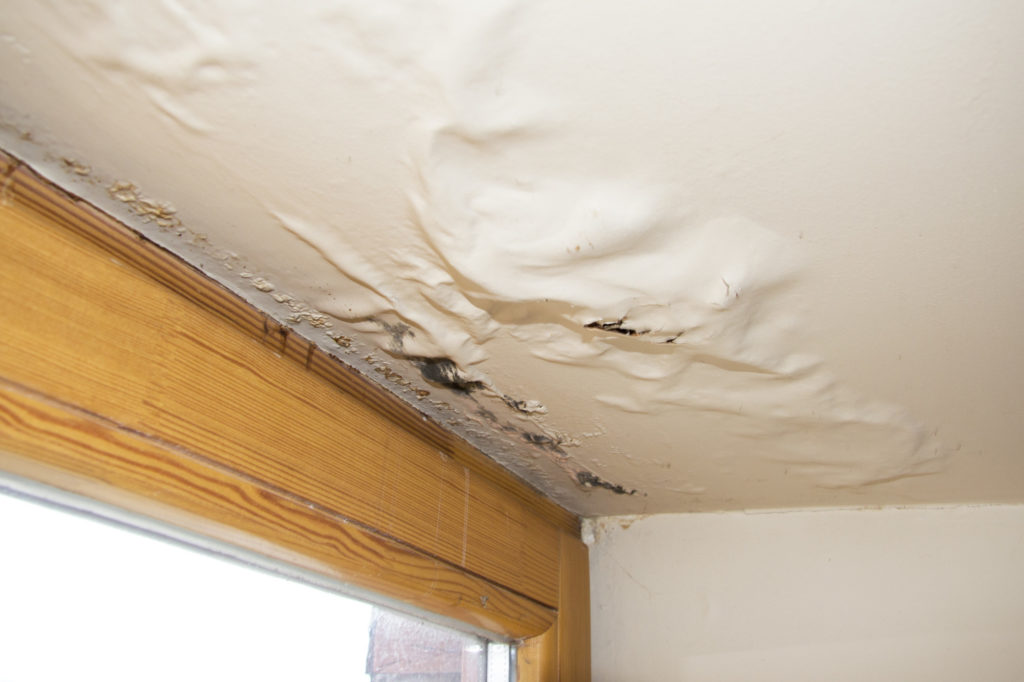
Appliance water lines are often hidden behind walls or under floors, making them easy to overlook. However, neglecting these connections can lead to slow leaks that go unnoticed for months. Such leaks may cause mold growth, wood rot, or even structural damage. According to industry experts on water damage prevention, routine inspection and upkeep are among the most effective ways to avoid significant property loss.
Addressing small issues early—such as tightening loose fittings or replacing brittle hoses—can prevent emergencies. Regular checks also help you spot mineral buildup or corrosion, which can restrict water flow and reduce appliance efficiency.
Essential Steps for Appliance Water Line Care
To ensure your home’s appliances continue to function safely, follow these practical steps for appliance water line maintenance:
- Inspect Hoses and Connections Annually: At least once a year, move appliances away from the wall (if possible) and visually check hoses for cracks, bulges, or signs of wear. Pay close attention to the connections at both ends.
- Replace Old or Damaged Hoses: Flexible rubber hoses should be replaced every 3–5 years, or sooner if you notice any deterioration. Consider upgrading to braided stainless steel hoses for added durability.
- Tighten Fittings: Use a wrench to gently tighten any loose connections, but avoid over-tightening, which can damage threads and cause leaks.
- Check for Leaks After Moving Appliances: Whenever you relocate an appliance, inspect the water line for leaks. Even a small shift can loosen connections.
- Clean and Remove Mineral Deposits: Hard water can cause mineral buildup inside hoses and valves. Detach hoses periodically and flush them with vinegar or a descaling solution.
- Install Leak Detectors: Place smart water sensors or leak detectors near appliances to receive alerts if a leak is detected.
Common Appliances That Require Water Line Attention
Not all appliances are equally vulnerable, but certain ones are more prone to water line issues. Here’s where to focus your efforts:
- Refrigerators with Ice Makers or Water Dispensers: The thin plastic or copper lines supplying water can crack or become kinked.
- Dishwashers: These typically have a flexible hose that can degrade over time.
- Washing Machines: High water pressure and frequent use make these hoses susceptible to bursting.
- Toilets: While not always considered an appliance, toilet supply lines are a common source of leaks.
Warning Signs of Water Line Problems
Early detection is key to preventing water damage. Watch for these indicators that your appliance water lines may need attention:
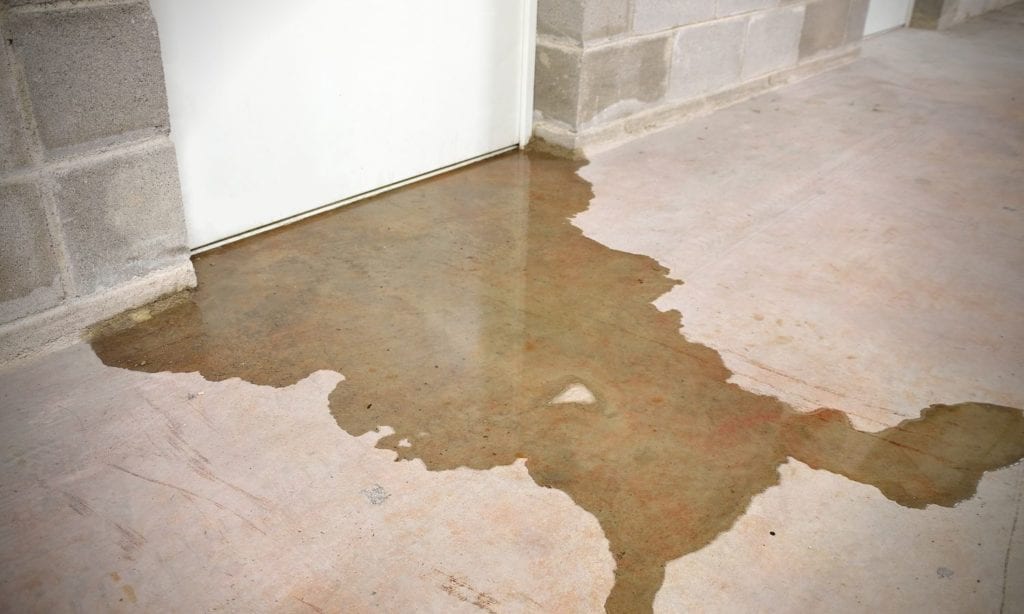
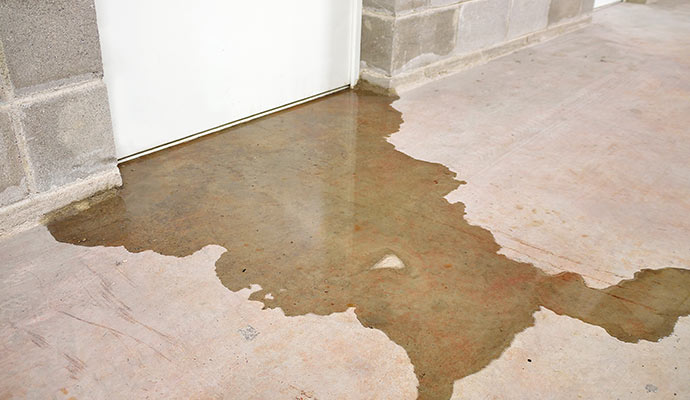
- Unexplained Moisture: Puddles, dampness, or water stains near appliances.
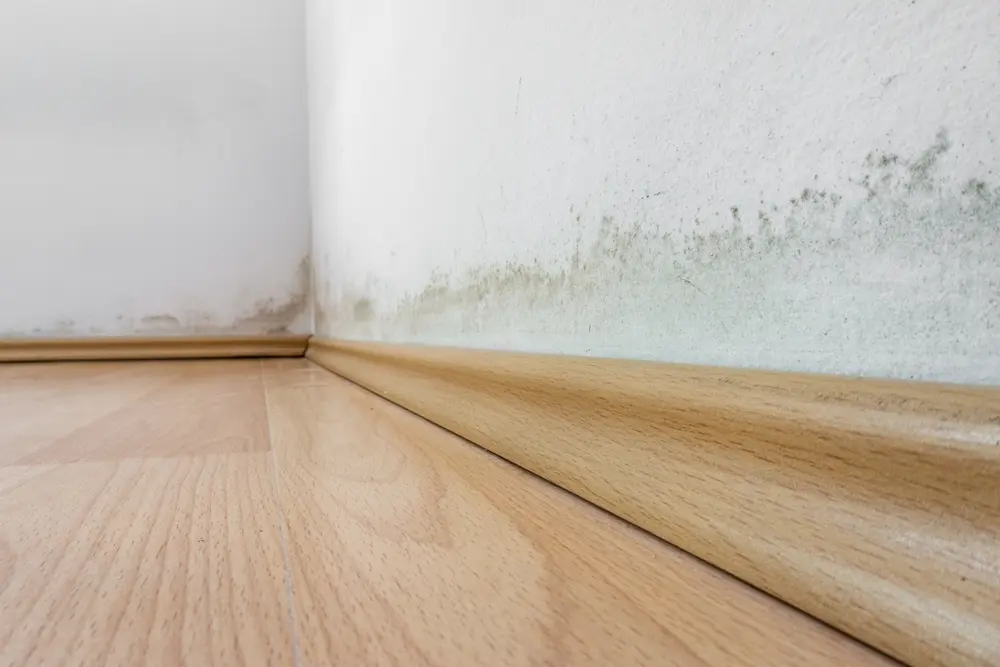
- Mold or Mildew Odors: Persistent musty smells can signal hidden leaks.
- Reduced Appliance Performance: Slow-filling washing machines or ice makers may indicate restricted water flow.
- Visible Corrosion: Rust or mineral deposits on fittings and valves.
- Unusual Sounds: Hissing or dripping noises when appliances are not in use.
How to Prevent Water Damage from Appliance Leaks
Preventing water damage is about more than just fixing leaks as they occur. Proactive steps can help you avoid emergencies:
- Turn Off Water When Away: If you’ll be away for an extended period, shut off the water supply to appliances.
- Install Shut-Off Valves: Quick shut-off valves make it easy to stop water flow in case of a leak.
- Use Leak Detection Technology: Smart sensors can alert you to leaks before they cause major damage.
- Schedule Regular Inspections: Don’t wait for problems to arise—make appliance water line checks part of your annual home maintenance routine.
For additional strategies to safeguard your home, explore our guide on how to prevent water damage from clogged gutters, which addresses another common source of leaks.
Tips for Long-Term Appliance Water Line Health
Consistent care and a few smart upgrades can make a big difference in the longevity of your water lines:
- Upgrade Materials: Replace plastic or rubber hoses with braided stainless steel for added strength and resistance to bursting.
- Label Shut-Off Valves: Clearly mark shut-off valves for each appliance so anyone in your household can act quickly in an emergency.
- Document Maintenance: Keep a record of inspections, replacements, and repairs for each appliance.
- Consult Professionals: If you’re unsure about a connection or notice persistent issues, call a licensed plumber for expert advice.
Maintaining your water lines is just one part of a comprehensive home protection strategy. For advice on keeping your yard and exterior safe from water intrusion, see our article on how to maintain exterior drainage.
Frequently Asked Questions
How often should I check my appliance water lines?
It’s best to inspect hoses and connections at least once a year. If you live in an area with hard water or have older appliances, consider checking every six months.
What’s the best type of hose for preventing leaks?
Braided stainless steel hoses are generally more durable and less likely to burst than standard rubber or plastic hoses. They are a wise investment for high-use appliances like washing machines and dishwashers.
What should I do if I discover a leak?
Immediately turn off the water supply to the affected appliance. Clean up any standing water and inspect the hose or connection for damage. Replace faulty parts and, if necessary, consult a professional plumber to ensure the repair is done safely.
Can I prevent all water line leaks with regular maintenance?
While routine care greatly reduces the risk, no system is completely fail-proof. Using leak detectors and upgrading to high-quality hoses further minimizes your chances of unexpected leaks.