
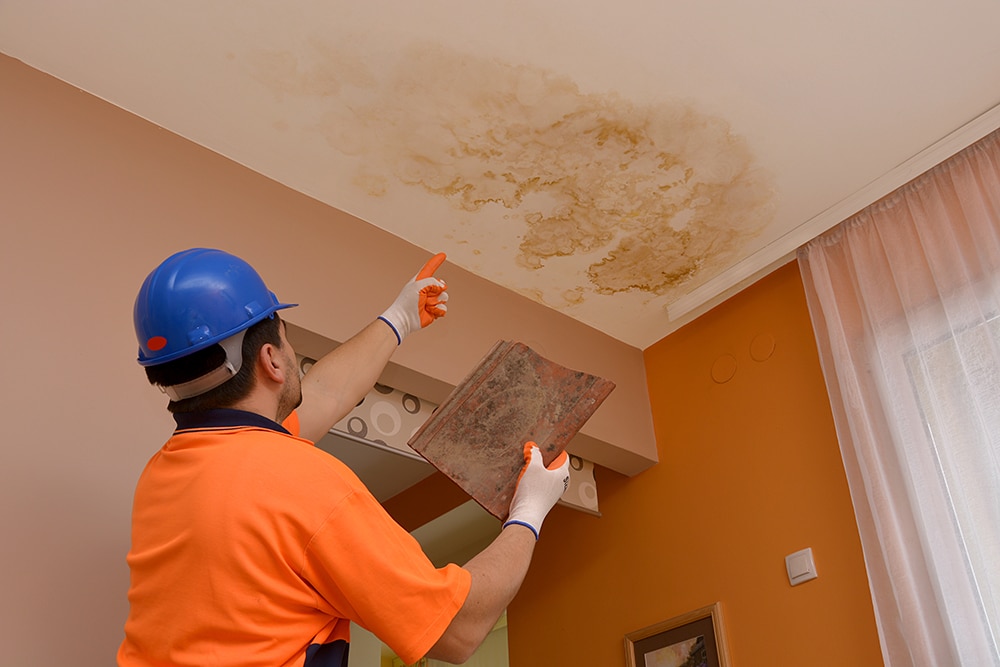
Dishwashers are a staple in many homes, making kitchen cleanup quick and efficient. However, even the most reliable appliances can develop problems over time. One of the most common and potentially costly issues is a water leak. Recognizing the signs of dishwasher leaks early can help you avoid water damage, mold growth, and expensive repairs. This article covers the most common indicators of a problem, what causes leaks, and practical steps to prevent them.
Addressing leaks promptly is essential for maintaining your kitchen’s safety and the longevity of your appliances. In addition to the tips provided here, it’s wise to consider other areas of your home that may be vulnerable to water damage. For example, following a roof inspection checklist can help you catch issues before they become major headaches.
Common Warning Signs Your Dishwasher Is Leaking
Spotting the early signs of dishwasher leaks can save you from significant trouble. Here are the most frequent clues that something is wrong:
- Puddles or Dampness Around the Appliance: If you notice water pooling under or near your dishwasher after a cycle, this is a clear indicator of a leak.
- Musty Odors: Persistent damp smells in your kitchen or inside the dishwasher can signal hidden moisture or mold growth due to a slow leak.
- Warped or Discolored Flooring: Water escaping from the dishwasher can seep into flooring, causing warping, staining, or soft spots, especially in wood or laminate.
- Visible Rust or Corrosion: Rust on the dishwasher’s door, hinges, or racks may indicate water is leaking and sitting where it shouldn’t.
- Unusual Noises During Operation: Gurgling, hissing, or sloshing sounds could mean water is escaping or not draining as intended.
- Low Water Levels Inside the Dishwasher: If dishes aren’t coming out clean and you notice low water inside, a leak could be causing insufficient fill.
Main Causes of Dishwasher Water Leaks
Understanding what typically causes leaks can help you prevent them. The most common sources include:
- Worn or Damaged Door Gasket: The rubber seal around the dishwasher door can crack or lose flexibility over time, allowing water to escape during cycles.
- Loose or Faulty Connections: Hoses and clamps that connect to your dishwasher’s water supply and drain can loosen, crack, or break, resulting in leaks.
- Clogged or Broken Drain: Food debris or mineral buildup can block the drain, causing water to back up and overflow.
- Overloading or Incorrect Loading: Placing too many items or blocking the spray arms can cause water to spray in unintended directions, leading to leaks.
- Cracked Tub or Door: Physical damage to the interior tub or door can allow water to seep out during operation.
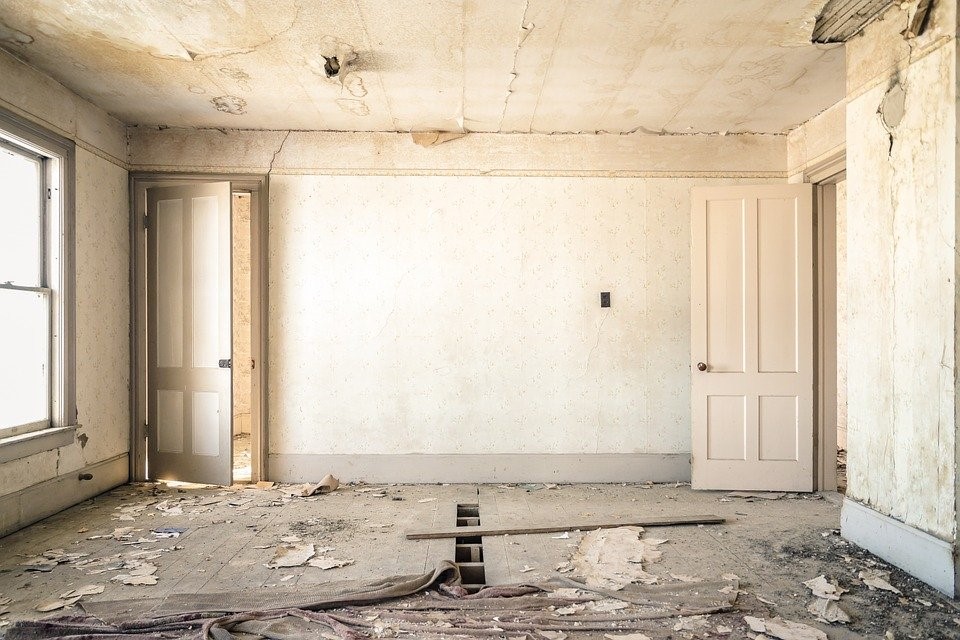
How to Prevent Dishwasher Leaks and Water Damage
Taking proactive steps can help you avoid the hassle and cost of water damage. Here’s how you can keep your dishwasher running smoothly and your kitchen dry:
- Inspect and Replace the Door Gasket: Check the rubber seal regularly for cracks or wear. Replace it if it feels brittle or you notice visible damage.
- Tighten and Check Hoses: Examine the water supply and drain hoses for signs of wear, cracks, or loose connections. Tighten or replace as needed.
- Clean the Filter and Drain: Remove and rinse the filter monthly to prevent clogs. Use a brush to clear debris from the drain area.
- Load Dishes Properly: Avoid overloading and ensure nothing blocks the spray arms or door seal. Follow the manufacturer’s guidelines for best results.
- Use the Right Detergent: Only use detergents designed for dishwashers. Other soaps can cause excessive suds and overflow.
- Run Regular Maintenance Cycles: Use a dishwasher cleaner or run an empty hot cycle with vinegar to keep the interior free of buildup.
- Install Leak Detection Devices: Consider placing a leak detector under your dishwasher or near plumbing connections. These devices can alert you to leaks before they cause major damage.
For more tips on protecting your home from water-related issues, you might also be interested in learning how to prevent water damage from clogged gutters.
What to Do If You Discover a Leak
If you notice any of the warning signs described above, act quickly to minimize damage:
- Turn Off the Dishwasher: Stop the cycle and unplug the appliance if possible.
- Shut Off the Water Supply: Locate the shut-off valve under the sink and turn it off to prevent further leakage.
- Clean Up Standing Water: Use towels or a wet/dry vacuum to remove as much water as possible to prevent floor damage and mold growth.
- Inspect for the Source: Check hoses, seals, and the tub for visible damage or blockages.
- Call a Professional: If you can’t find or fix the problem, contact a qualified appliance repair technician.
- Document the Damage: Take photos for insurance purposes, especially if the leak has caused significant water damage.
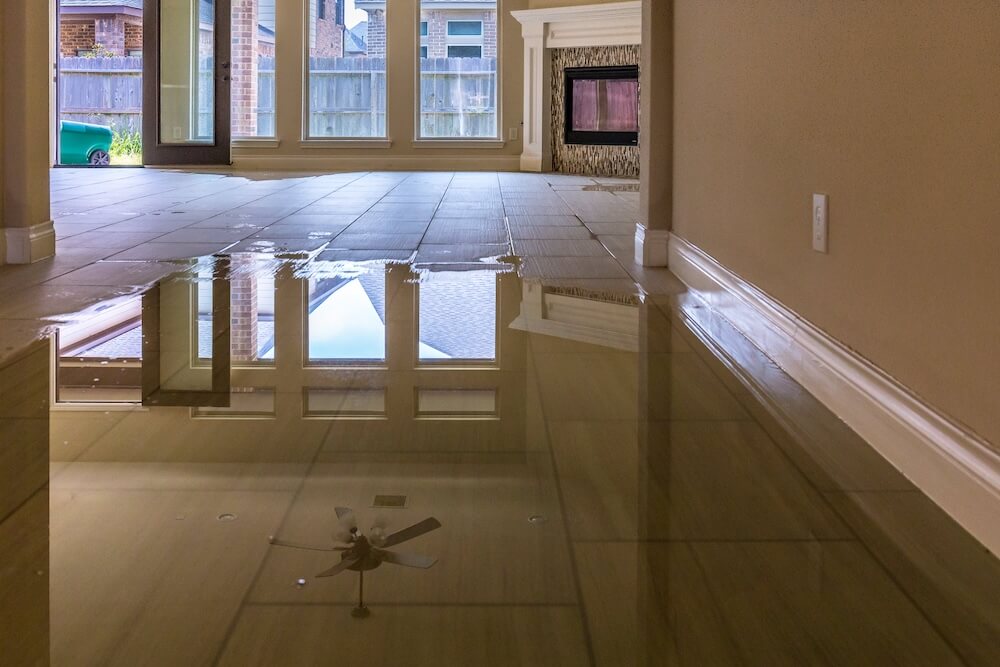
Additional Ways to Protect Your Home from Water Damage
Beyond the kitchen, water leaks can originate from various sources. Regular maintenance and inspections are key. For example, keeping your drainage systems in good condition is crucial. Explore tips on how to maintain exterior drainage to further reduce your risk of water-related problems.
For a comprehensive approach, consider reading advice from experts, such as those at this guide to preventing water damage from household fixtures. Staying informed helps you take the right steps before issues escalate.
Frequently Asked Questions
What are the most common signs that my dishwasher is leaking?
The most frequent indicators include puddles or dampness near the appliance, musty smells, warped or stained flooring, visible rust, and unusual noises during operation. If you notice any of these, inspect your dishwasher and surrounding area for moisture.
How can I prevent water leaks from my dishwasher?
Regularly check and replace the door gasket, tighten hose connections, clean the filter and drain, load dishes properly, use the correct detergent, and consider installing a leak detector. Preventive maintenance is the best way to avoid leaks and water damage.
Is it safe to use my dishwasher if I notice a small leak?
It’s not recommended. Even minor leaks can worsen over time and lead to significant water damage or mold growth. Turn off the appliance, address the source of the leak, and consult a professional if needed before using it again.




