As temperatures drop, the risk of water-related issues in homes and buildings rises sharply. Frozen pipes, ice dams, and undetected leaks can lead to costly repairs and significant inconvenience. Understanding how to safeguard your property during the colder months is essential for homeowners and property managers alike. This guide provides practical advice and actionable steps for winter water damage prevention, helping you avoid common pitfalls and keep your home protected all season long.
Before diving into detailed strategies, it’s important to recognize that preparation is key. Taking proactive measures now can save you from major headaches later. If you’re considering upgrades or repairs, you might also want to learn about how to install a water shut-off valve for added safety and control.
Why Cold Weather Increases Water Damage Risks
Winter brings unique challenges that can compromise your home’s plumbing and structure. When temperatures fall below freezing, water inside pipes can solidify and expand, putting pressure on the pipe walls. This often results in cracks or bursts, especially in uninsulated or exterior pipes. Additionally, snow accumulation on roofs can lead to ice dams, which prevent melting snow from draining properly. The trapped water can then seep under shingles, causing leaks and interior damage.
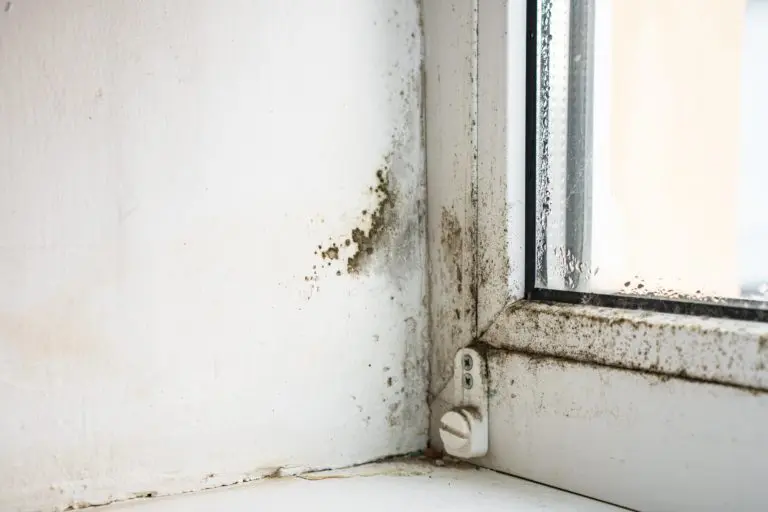
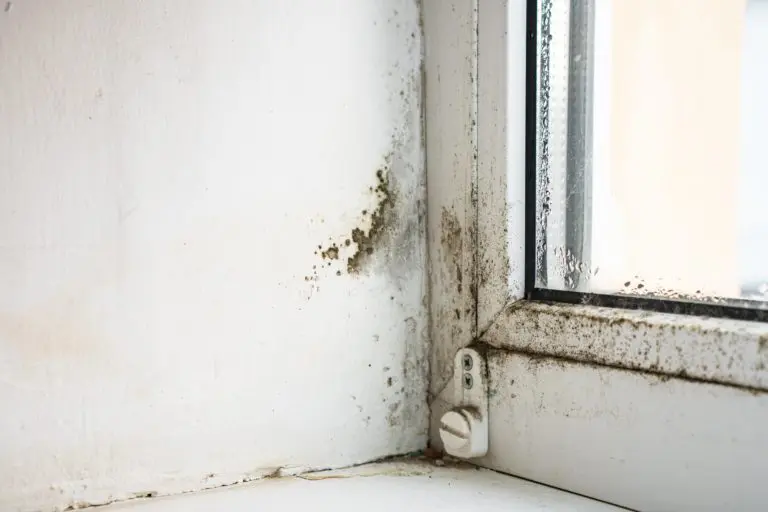
Even minor leaks can escalate quickly in winter, as cold air and moisture create ideal conditions for mold growth and wood rot. That’s why it’s crucial to address vulnerabilities before the season is in full swing.
Inspecting and Insulating Pipes for Winter Protection
One of the most effective winter water damage prevention tips is to thoroughly inspect your plumbing system. Focus on pipes located in unheated areas such as basements, attics, garages, and crawl spaces. Look for signs of wear, corrosion, or small leaks. If you find any, repair or replace the affected sections immediately.
- Insulate exposed pipes: Use foam pipe insulation sleeves or wrap pipes with heat tape to minimize the risk of freezing.
- Seal gaps and cracks: Check for openings in walls, floors, and foundations where cold air can enter and reach pipes. Use caulk or spray foam to seal these areas.
- Keep a consistent temperature: Maintain indoor temperatures above 55°F (13°C), even if you’re away, to prevent pipes from getting too cold.
For more guidance on keeping your plumbing in top shape, see our article on replacing old hoses to prevent water damage.
Preventing Ice Dams and Roof Leaks
Ice dams form when heat escapes from your attic, melting snow on the roof. The melted water then refreezes at the eaves, creating a barrier that traps additional water. Over time, this water can seep beneath shingles and into your home.
- Improve attic insulation: Proper insulation reduces heat loss, keeping your roof colder and minimizing snow melt.
- Ventilate the attic: Ensure soffit and ridge vents are clear to allow cold air to circulate and prevent warm spots.
- Remove snow safely: Use a roof rake to clear snow from the roof’s edge after heavy snowfall, but avoid climbing onto icy roofs.
Regular roof inspections and maintenance can go a long way in preventing leaks and water intrusion during winter storms.
Smart Devices and Leak Detection for Cold Weather
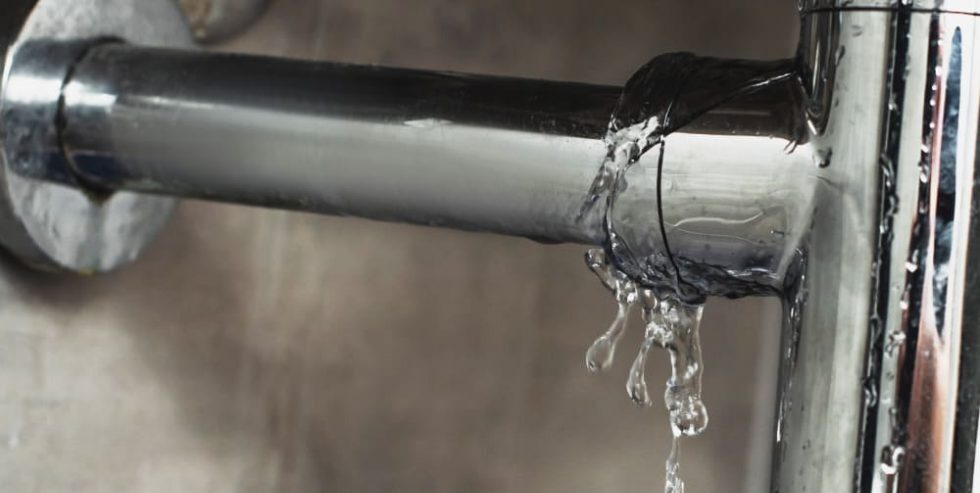
Modern technology offers valuable tools for preventing water damage during winter. Leak detectors can alert you to problems before they escalate, even if you’re not home. These devices are especially useful for monitoring areas prone to freezing or hidden leaks, such as behind appliances or under sinks.
- Install leak detectors: Place sensors near water heaters, washing machines, and under sinks. Many models connect to your smartphone for instant alerts.
- Consider automatic shut-off valves: These can stop the water supply if a leak is detected, minimizing potential damage.
- Monitor with smart home systems: Integrate leak sensors with your home automation platform for real-time monitoring and control.
For a step-by-step approach, check out our resource on how to use leak detectors near appliances and explore smart home devices for leak prevention to stay ahead of potential issues.
Maintaining Appliances and Water Lines in Winter
Appliances that use water—such as dishwashers, washing machines, and refrigerators—can be sources of leaks if not properly maintained. Cold weather can exacerbate existing weaknesses in hoses or connections.
- Inspect hoses and connections: Look for cracks, bulges, or signs of wear. Replace any damaged parts promptly.
- Shut off unused water lines: If you have outdoor faucets or irrigation systems, drain and shut off the supply before freezing temperatures arrive.
- Check appliance manuals: Follow manufacturer recommendations for winterizing or maintaining your appliances.
For more detailed maintenance tips, visit our guide on how to maintain appliance water lines.

Additional Strategies for Avoiding Water Damage in Winter
Beyond the basics, there are a few more steps you can take to reduce your risk of water-related problems during the colder months:
- Clear gutters and downspouts: Remove leaves and debris so melting snow and ice can drain away from your home.
- Direct water away from the foundation: Ensure that downspouts extend at least five feet from your house to prevent pooling near the foundation.
- Check sump pumps: Test your sump pump to make sure it’s working properly in case of sudden thaws or heavy rain.
- Know your water main location: In case of a burst pipe, you’ll need to shut off the water quickly to minimize damage.
For more ideas on protecting your home, you can review expert advice on preventing water damage from household fixtures.
Frequently Asked Questions
How can I tell if my pipes are at risk of freezing?
Pipes located in unheated areas, such as basements, attics, garages, or exterior walls, are most vulnerable. Signs of risk include lack of insulation, drafts nearby, or pipes that have frozen in the past. Keeping these pipes insulated and maintaining indoor temperatures can help prevent freezing.
What should I do if I discover a leak during winter?
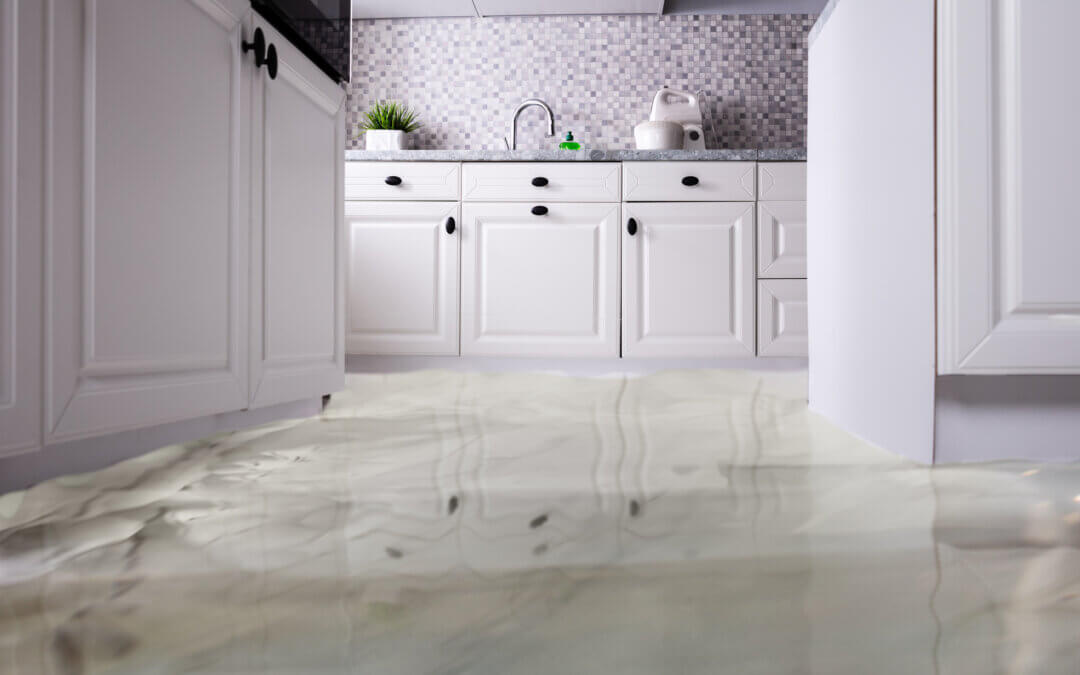
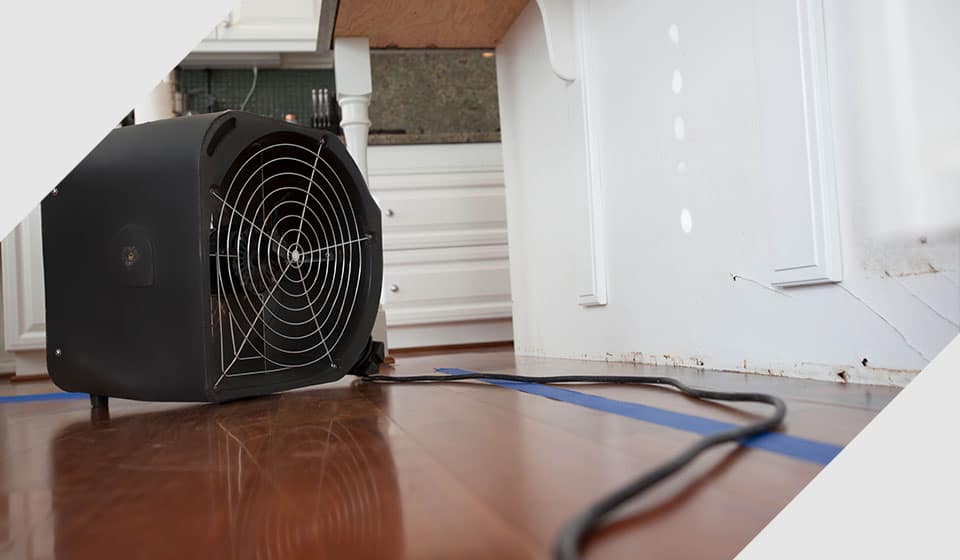
Immediately shut off the main water supply to prevent further damage. Clean up any standing water, and use towels or a wet/dry vacuum if necessary. Contact a plumber for repairs and consider installing leak detectors to catch future issues early.
Is it necessary to leave faucets dripping in cold weather?
Letting faucets drip slightly during extreme cold can help prevent pipes from freezing, especially for fixtures connected to pipes running through unheated spaces. The moving water makes it less likely for ice to form inside the pipe.