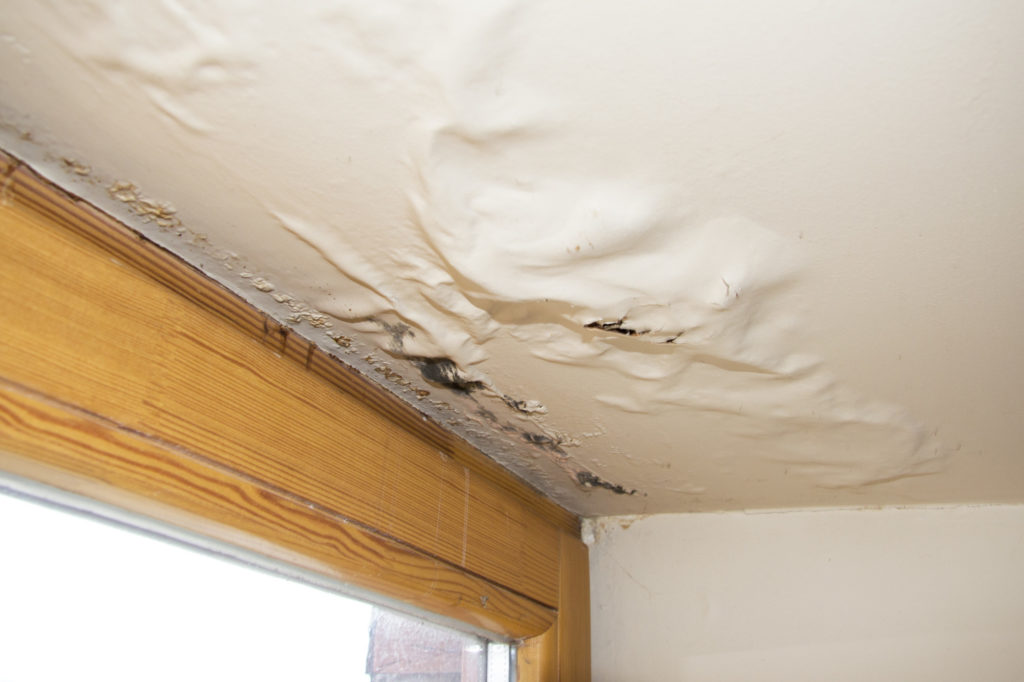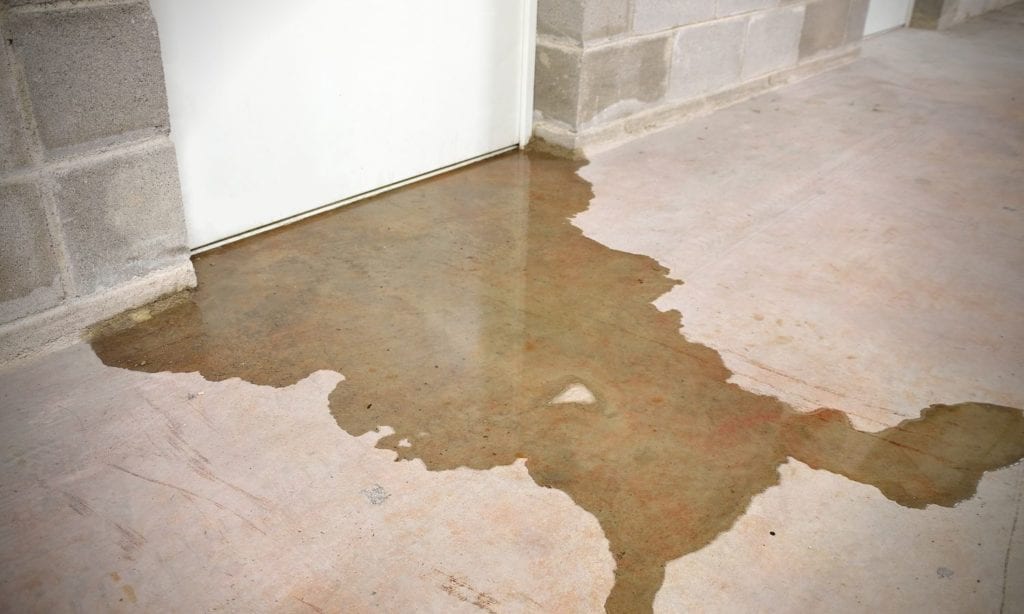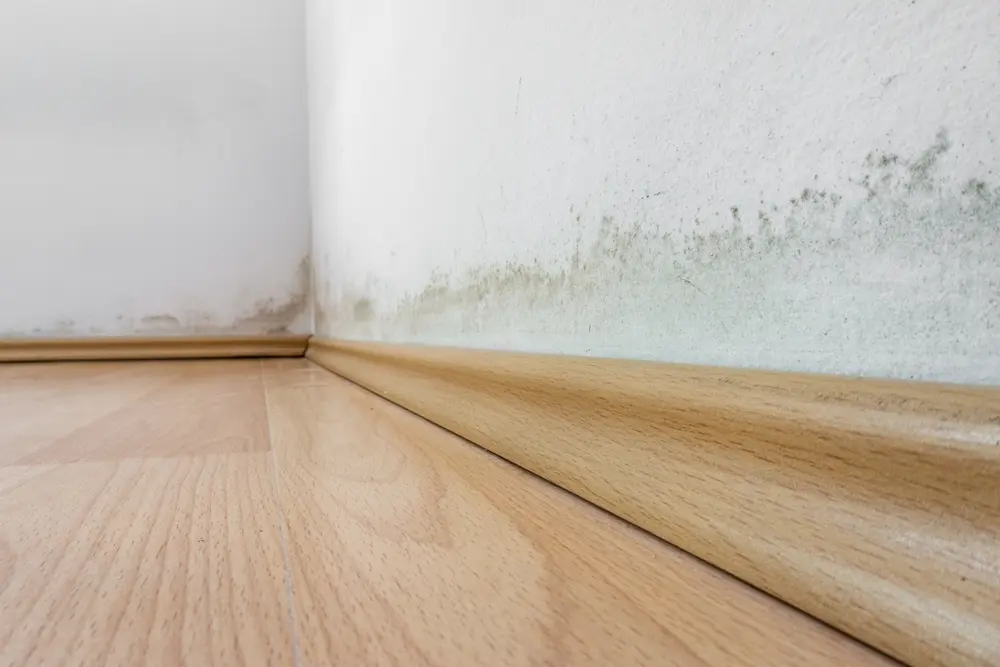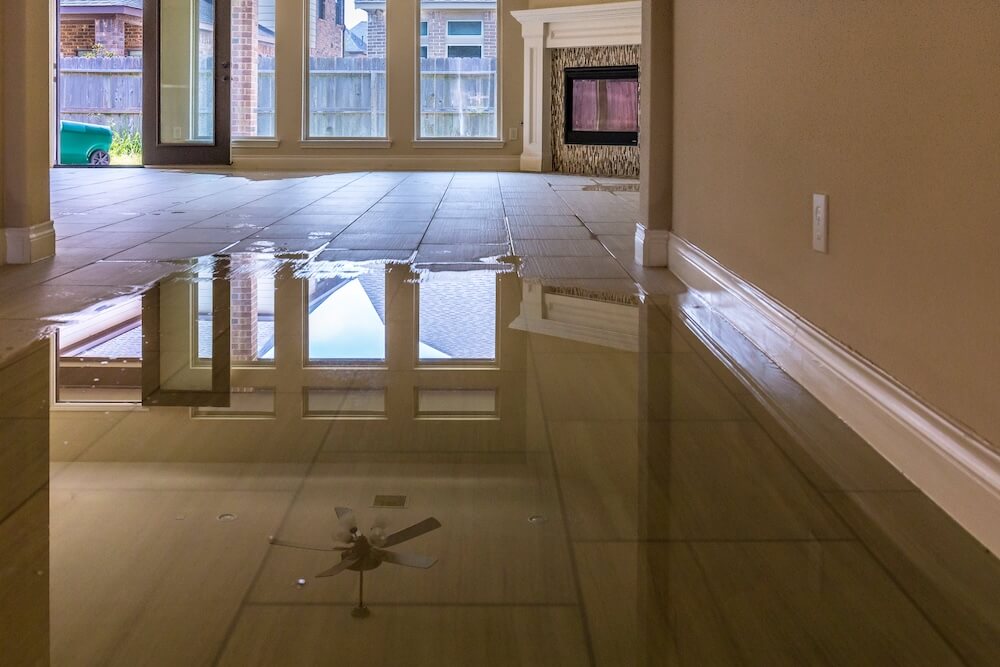
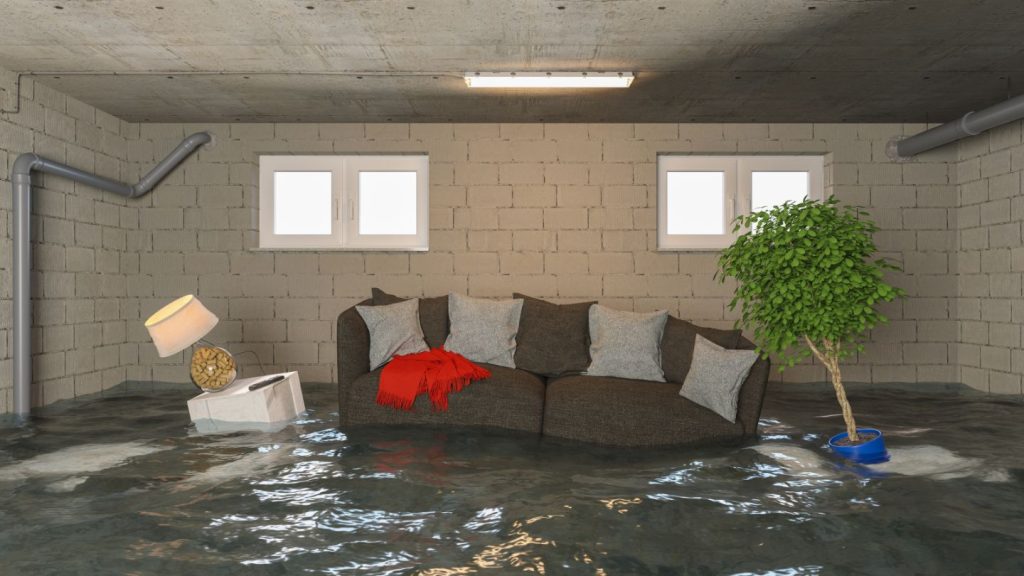
Flooding in your home can be overwhelming, leaving you with water damage, safety concerns, and uncertainty about where to begin. Acting quickly and following the right steps can limit damage, protect your health, and help you restore your property. This guide outlines practical actions to take immediately after a flood, from ensuring safety to starting the cleanup and recovery process.
Whether you’re dealing with a minor leak or significant water intrusion, knowing what to do after home flooding is essential. Early decisions can affect everything from insurance claims to mold prevention. For those looking to prepare in advance or minimize future risks, reviewing a flood emergency preparedness checklist can also be helpful.
Immediate Actions to Take After a Flood
The first few hours after water enters your home are critical. Prioritize safety and prevent further damage by following these steps:
- Stay Safe: Before entering, check for structural damage, downed power lines, and gas leaks. If you suspect any hazards, wait for professionals.
- Turn Off Utilities: If it’s safe, shut off electricity, gas, and water to prevent electrical shocks or fires. Avoid touching electrical equipment if you’re standing in water.
- Avoid Floodwater: Floodwater can contain sewage, chemicals, and debris. Wear waterproof boots and gloves if you must enter affected areas.
- Document Damage: Take photos and videos of all impacted areas and belongings before you start cleanup. This is crucial for insurance claims.
For more comprehensive flood safety tips for families, consult resources designed to keep everyone in your household protected during and after an emergency.
Contacting Professionals and Your Insurance Company
Once you’ve ensured your safety, reach out to your insurance provider. Notify them of the incident, provide documentation, and ask about next steps for filing a claim. Many policies require prompt reporting, so don’t delay.
Depending on the severity, you may need to hire a restoration company to handle water extraction, drying, and repairs. Professional help is especially important if the water is contaminated or if you notice extensive structural damage.
Initial Cleanup and Damage Control
After you’ve documented everything and contacted your insurer, you can begin the cleanup process. Here’s how to start:
- Remove Standing Water: Use pumps, wet/dry vacuums, or buckets to get rid of as much water as possible. Be careful not to overexert yourself.
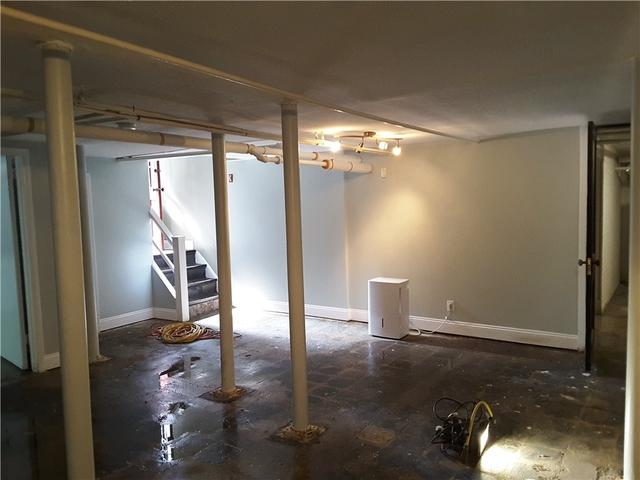
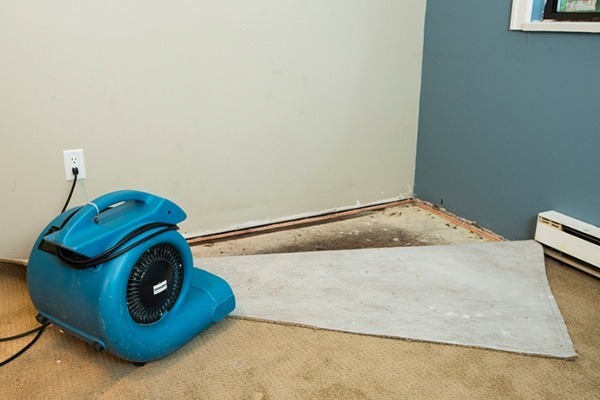
- Ventilate and Dry: Open windows and doors to increase airflow. Use fans and dehumidifiers to speed up drying and prevent mold growth.
- Salvage Belongings: Move undamaged items to a dry area. Discard items that cannot be cleaned or dried thoroughly, especially porous materials like carpets and mattresses.
- Clean and Disinfect: Wash hard surfaces with soap and water, then disinfect with a solution of bleach and water (1 cup bleach to 5 gallons water). Always wear protective gear.
Preventing Mold and Long-Term Issues
Mold can begin to grow within 24-48 hours after water exposure. To reduce the risk:
- Continue drying all areas thoroughly. Pay special attention to walls, floors, and hidden spaces.
- Remove and discard drywall, insulation, and carpeting that cannot be completely dried.
- Monitor for musty odors or visible mold. If you notice signs, consult a mold remediation specialist.
Taking these steps will help protect your home’s structure and your family’s health. For additional strategies, explore our guide on minimizing flood damage at home.
Protecting Valuables and Important Documents
After a flood, it’s important to recover and safeguard essential items. Remove valuable possessions and important paperwork from wet areas as soon as possible. Dry documents by laying them flat and separating pages. For irreplaceable items, consider consulting a restoration specialist.
For more advice on protecting valuables from floods, review our dedicated resource with practical tips.
Restoring Your Home and Preventing Future Floods
Once cleanup is complete, focus on repairs and improvements to reduce the risk of future flooding. Some steps to consider:
- Replace damaged drywall, flooring, and insulation with water-resistant materials where possible.
- Install sump pumps, backflow valves, and water alarms for early detection of leaks.
- Seal cracks in your foundation and basement walls.
- Maintain gutters and downspouts to direct water away from your home.
For innovative ideas on making your house more resilient, review this flood-resistant home design guide.
Don’t forget to regularly check for plumbing issues, as even small leaks can cause significant damage over time. For tips on preventing toilet overflow damage, see our related article.
Frequently Asked Questions
How soon should I start cleaning up after a flood?
Begin cleanup as soon as it’s safe to enter your home. The faster you remove water and start drying, the lower the risk of mold and structural damage. Always document the damage before starting.
What should I do if I find mold after flooding?
If you see or smell mold, address it immediately. Remove affected materials if possible and use disinfectants on hard surfaces. For widespread mold, contact a professional remediation service to ensure safe removal.
Are there ways to prevent future flooding in my home?
Yes, you can reduce future risks by installing sump pumps, sealing foundations, maintaining drainage systems, and using water leak detectors. Upgrading to flood-resistant materials and following flood safety tips also help protect your property.