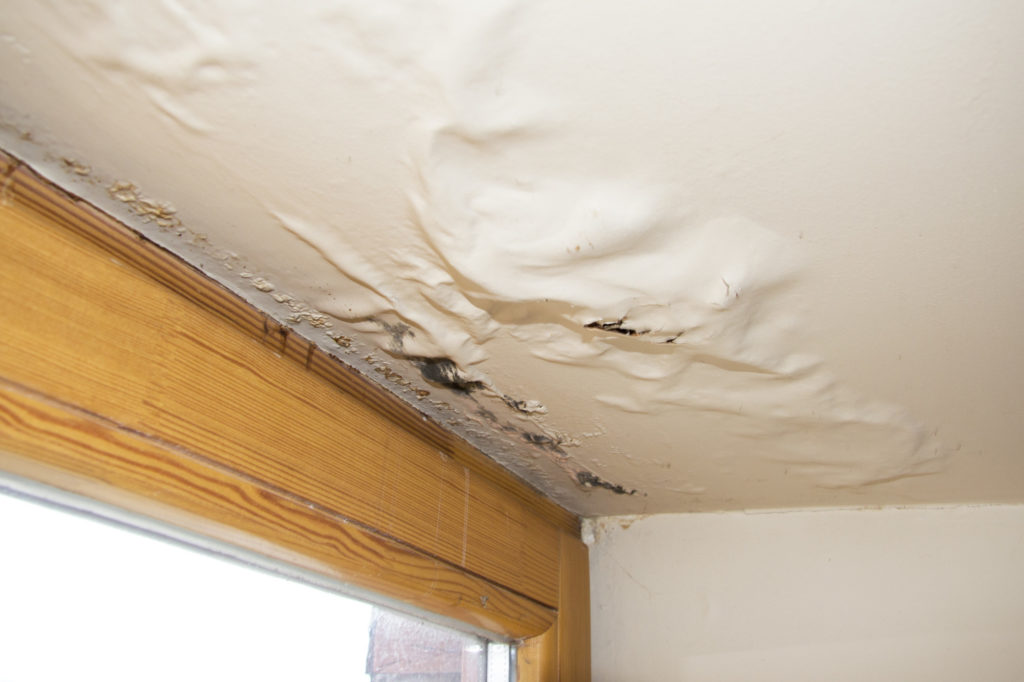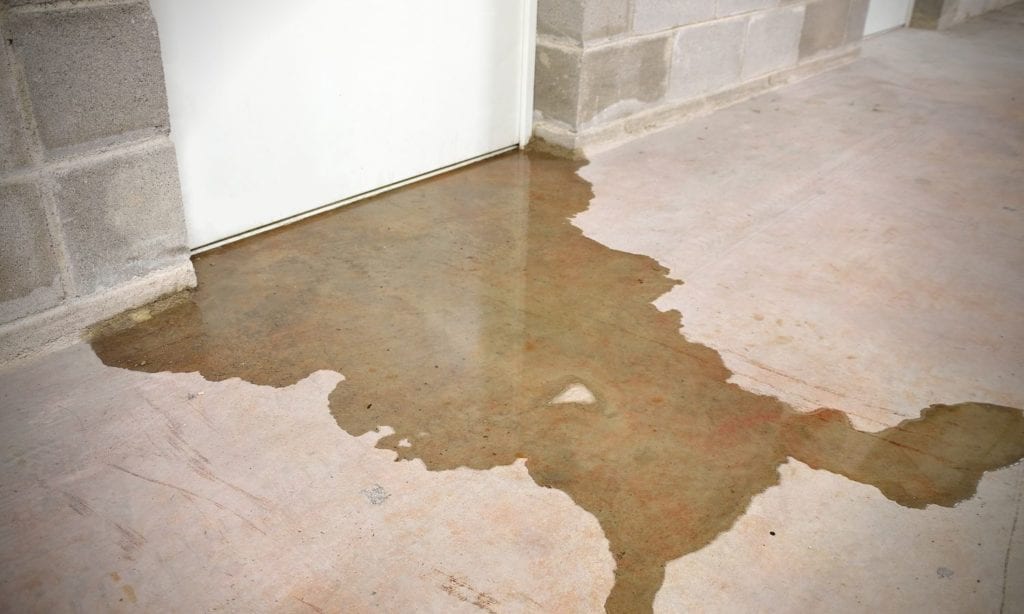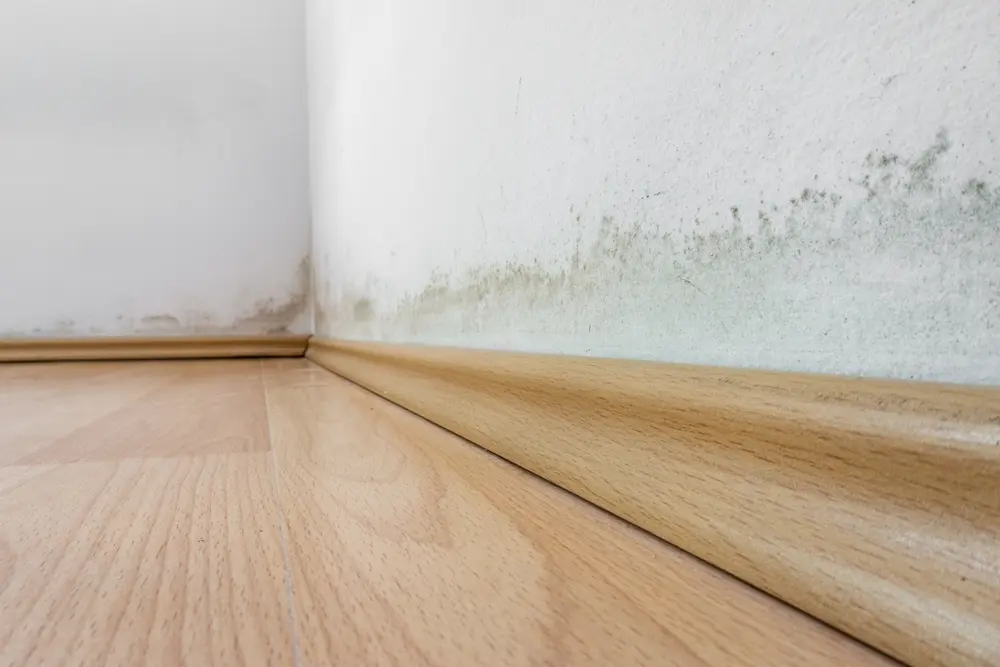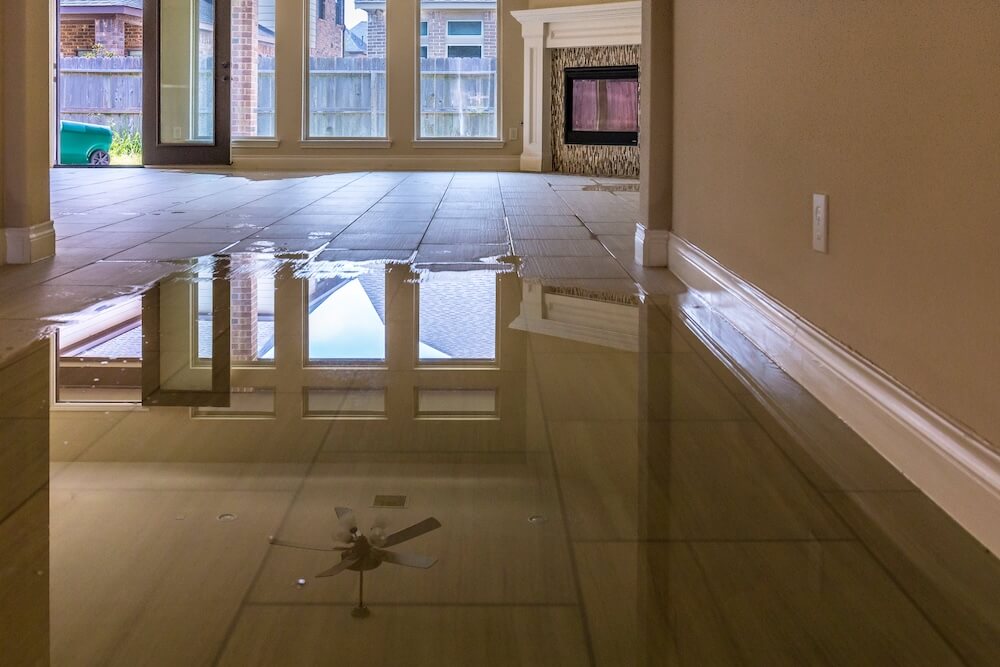
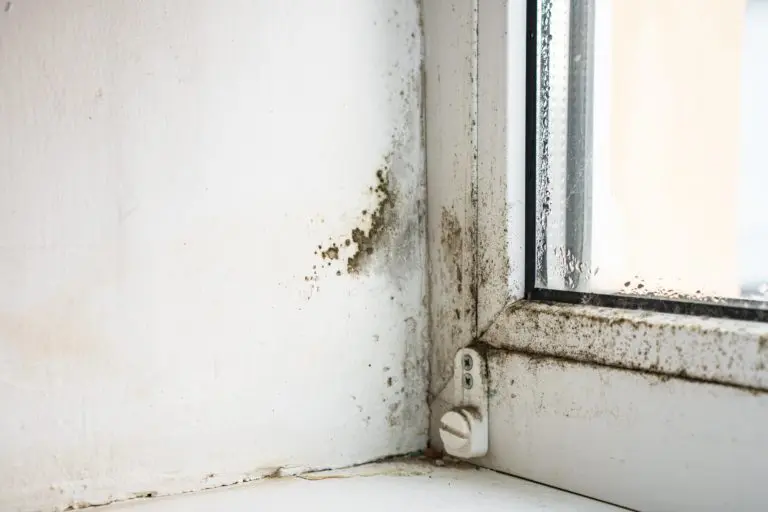
Managing indoor humidity is essential for maintaining a comfortable and healthy living environment. Excess moisture can lead to problems like mold growth, musty odors, and even structural damage. Using a dehumidifier is one of the most practical solutions for controlling humidity, but getting the best results requires more than just plugging it in. This guide explains the most effective ways to operate a dehumidifier, from choosing the right settings to placement tips and ongoing maintenance.
If you’re interested in optimizing other aspects of your home, you might also find value in learning about how to sanitize a cast iron press for kitchen hygiene.
Why Proper Dehumidifier Use Matters
Running a dehumidifier the right way can make a significant difference in your home’s air quality. Not only does it help prevent mold and mildew, but it also protects furniture, electronics, and even your home’s structure from moisture damage. Efficient operation can also lower energy bills and extend the lifespan of your device.
Choosing the Best Location for Your Device
Placement is crucial for maximizing a dehumidifier’s performance. For best results:
- Put the unit in the most humid area, such as a basement, laundry room, or bathroom.
- Ensure there’s at least 6–12 inches of clearance around all sides for proper airflow.
- Keep doors and windows closed in the room being treated to prevent humid air from entering.
- Avoid placing the device near dust sources, as this can clog the filter and reduce efficiency.
Setting the Right Humidity Level
For most homes, maintaining indoor humidity between 30% and 50% is ideal. Many modern dehumidifiers have built-in humidistats that allow you to set your desired level. Here’s how to adjust for optimal comfort and protection:
- Set the target humidity to 45% for general living spaces.
- In basements or areas prone to dampness, aim for 40%.
- During colder months, keep humidity slightly lower to prevent condensation on windows.
Check the device’s display or use a separate hygrometer to monitor actual room humidity. Adjust settings as needed for seasonal changes or after heavy rainfall.
Tips for Efficient Operation
To get the most out of your dehumidifier, keep these best practices in mind:
- Empty the Water Tank Regularly: Most units will shut off automatically when full, but emptying the tank before it reaches capacity ensures continuous operation.
- Use the Continuous Drain Option: If your device supports it, attach a hose to direct water to a drain. This is especially useful in very damp areas.
- Clean the Air Filter: Dust and debris can block airflow. Clean or replace the filter every few weeks, or as recommended by the manufacturer.
- Keep Doors and Windows Closed: Open windows or doors introduce more moisture, making the unit work harder.
- Run the Device During Peak Humidity: Operate the dehumidifier during and after activities that add moisture, like showers, cooking, or laundry.
Dehumidifier Maintenance for Long-Term Performance
Regular maintenance is key to keeping your dehumidifier running efficiently. Here’s what to focus on:
- Inspect the Coils: Dust or frost buildup can reduce efficiency. Unplug the unit and gently clean the coils if needed.
- Check for Leaks: Ensure hoses and tanks are secure and not leaking water onto floors.
- Wipe Down the Exterior: Clean the outside of the unit to prevent dust from entering the system.
- Test the Humidistat: Make sure the humidity sensor is working correctly by comparing readings with a separate hygrometer.
Preventing Water Damage and Mold
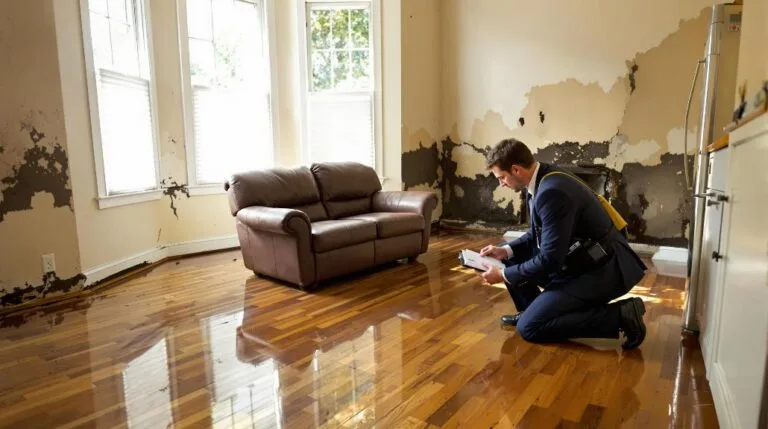
Using a dehumidifier is only one part of a comprehensive moisture control strategy. To further protect your home:
- Fix leaks in plumbing, roofs, or windows as soon as possible.
- Ensure gutters and downspouts direct water away from the foundation.
- Use exhaust fans in kitchens and bathrooms to remove excess moisture.
- Consider installing water leak detectors for early warning of hidden leaks.
For more tips on protecting your home from moisture and related issues, check out this comprehensive guide to preventing water damage.
Common Mistakes When Running a Dehumidifier
Even with the right equipment, some habits can reduce effectiveness. Avoid these common pitfalls:
- Setting humidity too low, which can dry out wood and cause discomfort.
- Ignoring maintenance, leading to clogged filters and reduced performance.
- Placing the unit in an enclosed closet or behind furniture, restricting airflow.
- Leaving windows open, which lets in more humid air.
FAQ
How long should I run a dehumidifier each day?
The ideal runtime depends on your home’s humidity levels and the size of the space. In very damp areas, continuous operation may be necessary until the desired humidity is reached. Afterward, running the unit for 8–12 hours a day is usually sufficient to maintain optimal conditions.
Where should I place my dehumidifier for best results?
Position the device in the most humid room, such as a basement or bathroom. Make sure there’s enough space around the unit for airflow and keep doors and windows closed to prevent outside moisture from entering.
Can a dehumidifier help prevent mold?
Yes, by maintaining indoor humidity below 50%, a dehumidifier makes it much harder for mold and mildew to grow. However, it’s also important to address any leaks or sources of standing water for complete protection.
What maintenance does a dehumidifier require?
Regularly empty the water tank, clean or replace the air filter, and inspect the coils and hoses for dust or leaks. Following the manufacturer’s instructions will help ensure efficient, long-lasting operation.