Excess humidity can quietly damage your living space, leading to mold, mildew, warped wood, and even structural issues. Managing indoor moisture is essential for maintaining a healthy and comfortable home environment. Effective airflow strategies are among the most reliable ways to control dampness, prevent water damage, and protect your property and health. This article offers practical advice and proven methods for improving air circulation and minimizing excess humidity in various areas of your home.
If you’re interested in related home care topics, you might also find value in our guide on how to sanitize a cast iron press.

Why Moisture Control Matters in Every Home
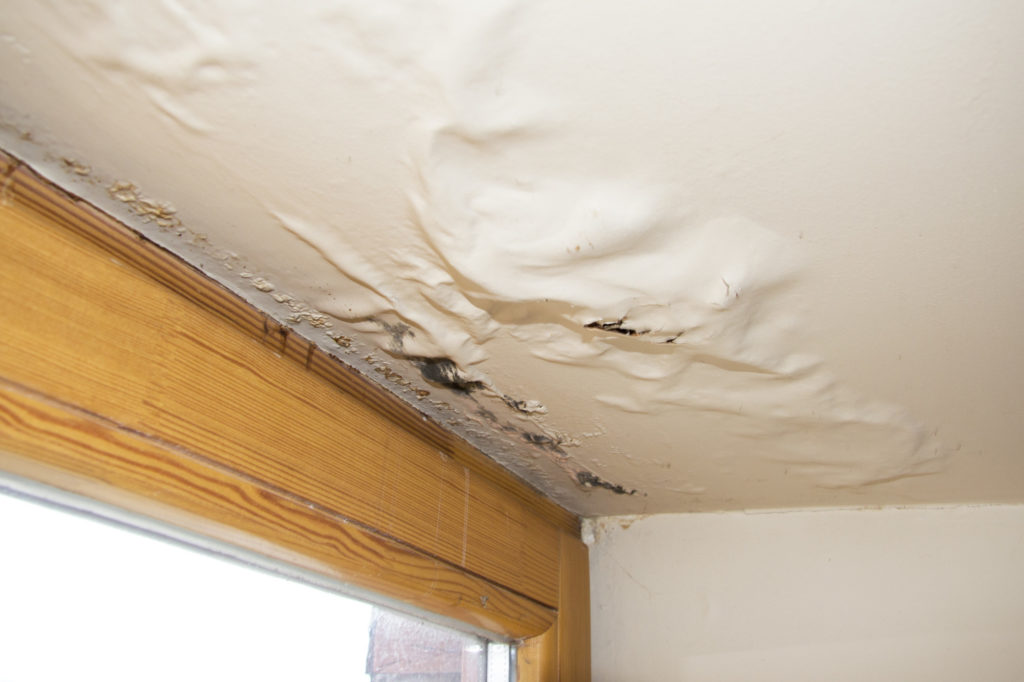
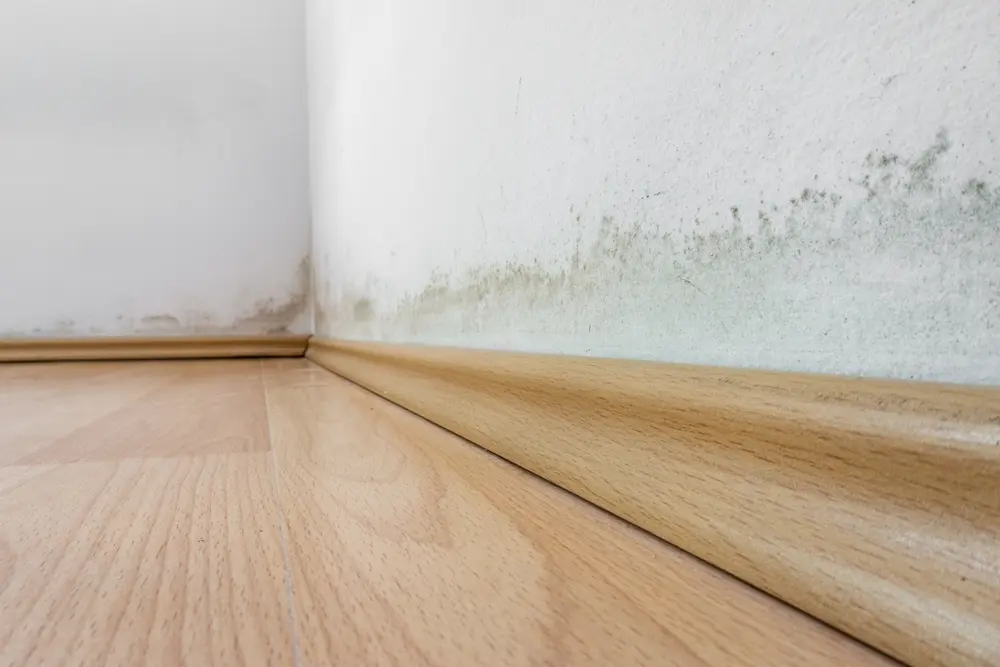
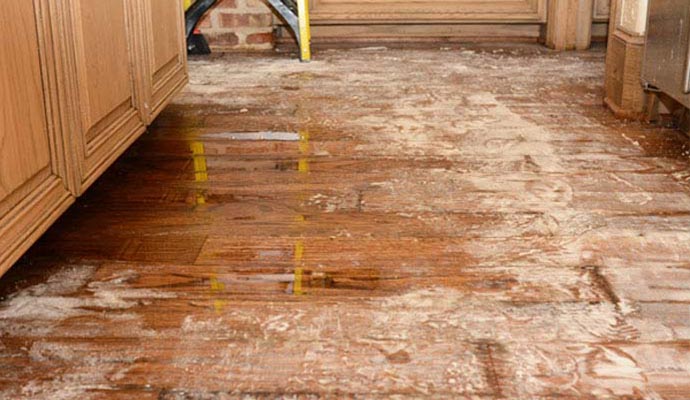
High humidity indoors can create a host of problems, from visible water stains and peeling paint to hidden mold growth behind walls. Persistent dampness often leads to musty odors, respiratory issues, and can even attract pests. By focusing on ventilation tips to reduce moisture, homeowners can avoid costly repairs and maintain a safer, more pleasant living space.
Addressing moisture is especially important in areas prone to leaks or water exposure, such as kitchens, bathrooms, basements, and laundry rooms. Even everyday activities like cooking and showering can raise indoor humidity, making it crucial to have effective strategies in place.
Key Ventilation Strategies for Lowering Indoor Humidity
There are several practical steps you can take to improve airflow and reduce dampness throughout your home. Here are some of the most effective approaches:
- Use Exhaust Fans: Install and regularly use exhaust fans in bathrooms, kitchens, and laundry areas. These fans help remove moist air directly from the source, preventing it from spreading to other rooms.
- Open Windows and Doors: Whenever weather permits, open windows and interior doors to promote cross-ventilation. This allows fresh air to circulate and helps carry excess moisture outside.
- Maintain HVAC Systems: Clean or replace filters in your heating and cooling systems regularly. Well-maintained HVAC systems can help regulate humidity and improve overall air quality.
- Install Vents in Key Areas: Ensure that attics, crawl spaces, and basements have adequate venting. Properly placed vents can prevent condensation and keep these spaces dry.
- Use Dehumidifiers: In particularly damp areas, a dehumidifier can be invaluable. These devices extract moisture from the air, making it easier to maintain healthy humidity levels.

Preventing Water Intrusion and Hidden Leaks
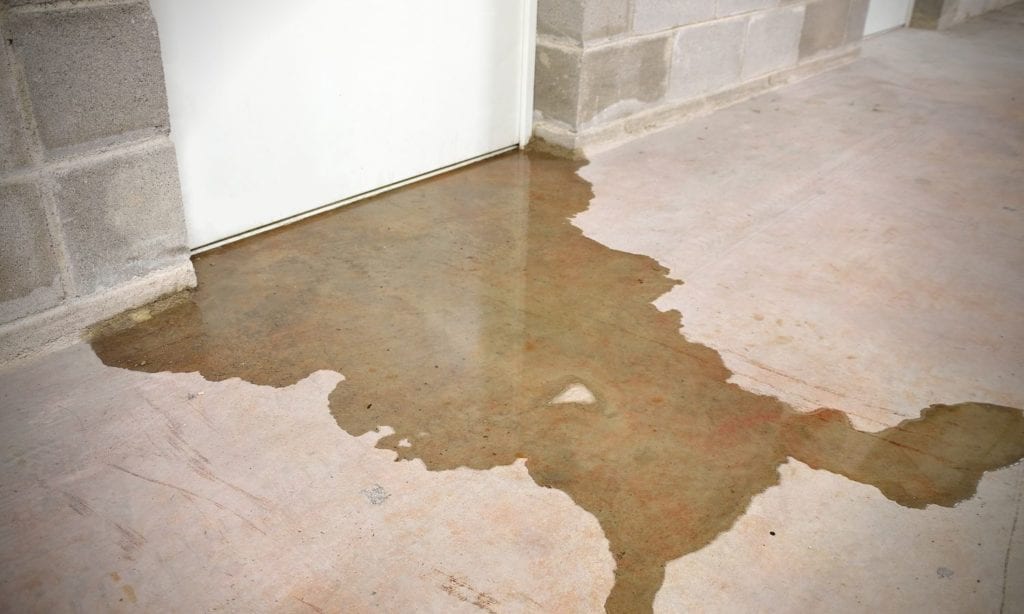
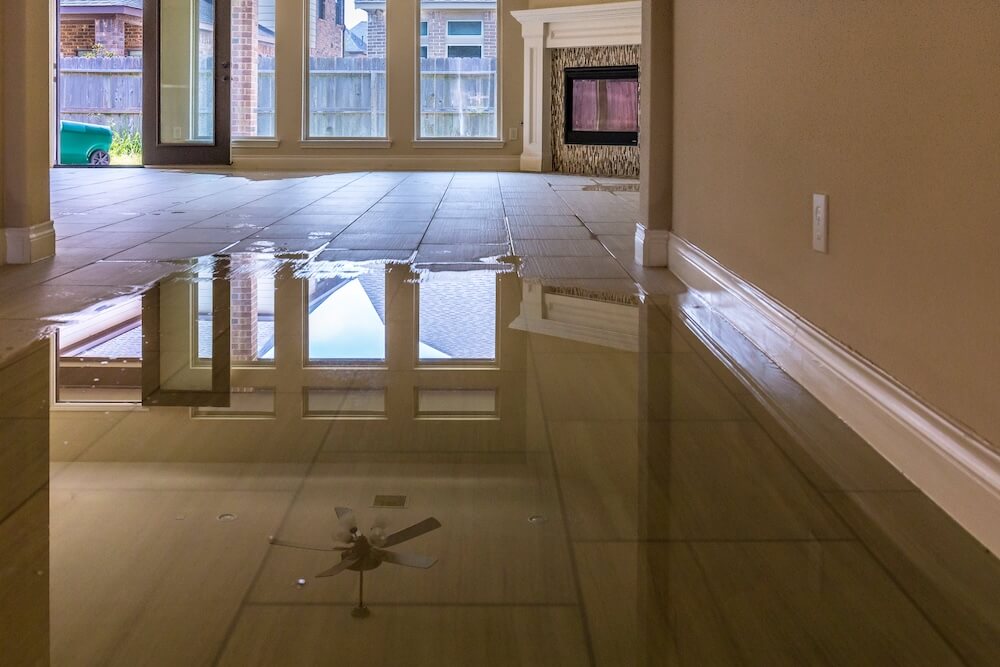
Even with great airflow, water leaks and seepage can undermine your efforts. Appliances, pipes, and fixtures are common sources of hidden moisture. Regularly check under sinks, behind appliances, and around windows for any signs of leaks or condensation. Early detection is key to stopping water damage before it becomes a major problem.
Consider using smart leak detectors to monitor for unexpected water in vulnerable areas. These devices can alert you to leaks before they cause significant harm, giving you time to act quickly.
For more advice on preventing water damage, see this comprehensive guide to stopping water damage at home.
Room-by-Room Airflow Solutions
Kitchen
Cooking and dishwashing generate significant steam. Always use a range hood or exhaust fan when preparing meals. Wipe up spills promptly and check under sinks for leaks. Keeping cabinet doors open occasionally can help air circulate and prevent trapped dampness.
Bathroom
Hot showers and baths are a leading cause of indoor humidity. Run the bathroom fan during and after use, and leave the door open when possible. Squeegee shower walls and floors to remove excess water, and wash bath mats regularly to prevent mold.
Basement and Laundry Room
Basements are naturally prone to moisture. Use a dehumidifier and ensure vents are unobstructed. In laundry areas, vent dryers to the outside and avoid leaving wet clothes in the machine. Regularly inspect walls and floors for signs of seepage.
Maintenance Habits That Support Healthy Airflow
Consistent upkeep is essential for keeping humidity in check. Here are some habits to adopt:
- Check for Blocked Vents: Furniture, curtains, and clutter can block air movement. Make sure vents and registers are clear.
- Seal Cracks and Gaps: Use caulk or weatherstripping around windows, doors, and foundations to prevent outside moisture from entering.
- Monitor Humidity Levels: Use a hygrometer to keep track of indoor humidity. Aim for levels between 30% and 50% for optimal comfort and mold prevention.
- Clean Gutters and Downspouts: Ensure rainwater is directed away from your home’s foundation to reduce the risk of seepage.
Frequently Asked Questions
How can I tell if my home has a moisture problem?
Common signs include condensation on windows, musty odors, visible mold, peeling paint, and warped wood. If you notice these issues, it’s important to investigate further and address the source of excess humidity.
What is the ideal indoor humidity level?
For most homes, the recommended range is between 30% and 50%. Levels above 60% can encourage mold growth and dust mites, while very low humidity can cause dryness and discomfort.
Are dehumidifiers necessary if I already use fans and open windows?
Fans and open windows are effective for general ventilation, but in persistently damp areas or during humid weather, a dehumidifier may be necessary to maintain safe moisture levels.
Conclusion: Take Control of Indoor Dampness
Proactive moisture management is key to a healthy and comfortable home. By applying these ventilation tips to reduce moisture, you can prevent damage, improve air quality, and create a safer living environment for your family. Remember, regular maintenance and early intervention are your best defenses against the hidden dangers of excess humidity.