
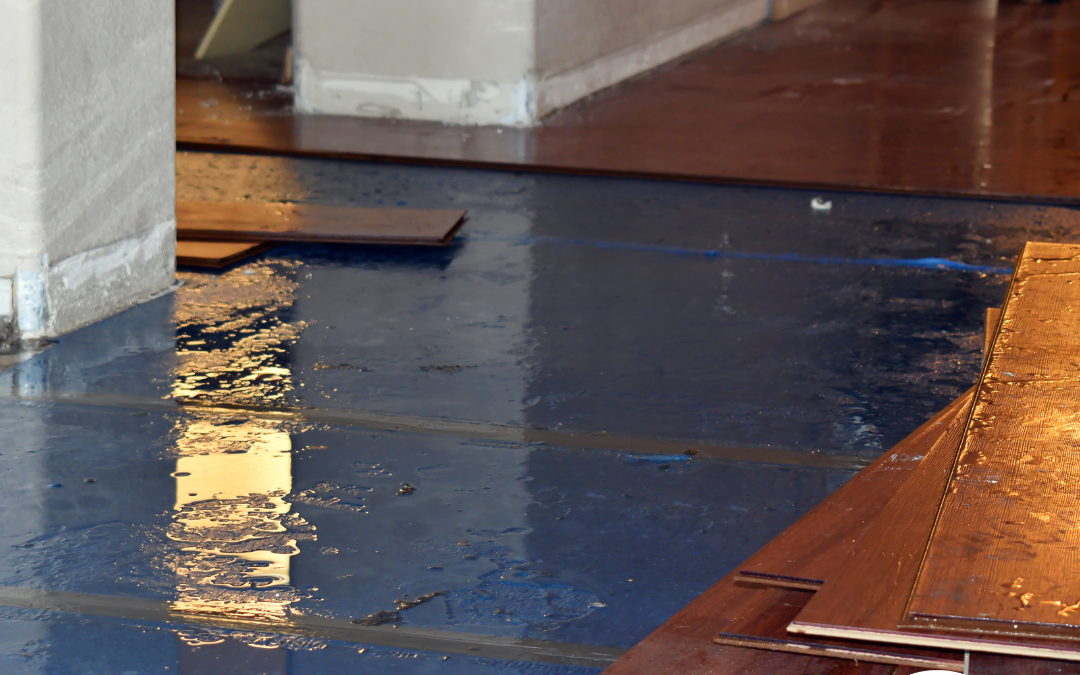
Discovering water dripping from your ceiling during a rainstorm can be alarming and stressful. A leaky ceiling not only threatens your home’s structure but can also damage your belongings and create risks like mold growth. Acting quickly and methodically is key to minimizing harm and preventing further issues. In this guide, you’ll learn the essential steps to take when you notice water intrusion from above—whether it’s a small drip or a major leak.
If you’re interested in home maintenance topics, you might also find value in our article on how to sanitize a cast iron press, which covers practical cleaning advice for kitchen tools.
Immediate Actions for a Leaking Ceiling
When you first spot water coming through your ceiling, it’s important to respond quickly. Here’s what you should do right away:
- Move valuables and furniture out of the affected area to prevent water damage.
- Place buckets, towels, or any waterproof containers under the leak to catch dripping water.
- If the ceiling is bulging, poke a small hole with a screwdriver to let water drain safely. This helps prevent a larger collapse and controls the flow.
- Turn off electricity in the affected area if water is near light fixtures or outlets to avoid electrical hazards.
Identifying the Source of Water Intrusion
Understanding where the water is coming from is crucial for both short-term fixes and long-term repairs. During heavy rain, leaks often originate from:
- Damaged or missing roof shingles
- Clogged gutters or downspouts causing water to back up
- Cracked flashing around chimneys, skylights, or vents
- Poorly sealed roof valleys or joints
If you can safely access your attic, look for wet insulation, water stains, or drips to help trace the leak’s path. However, avoid climbing onto the roof during a storm—it’s best to wait until conditions are safe.

Temporary Fixes to Control the Leak
While waiting for professional repairs, you can take steps to limit water entry and protect your home:
- Apply a tarp on the roof (when it’s safe) to block rainwater from entering.
- Seal visible cracks or holes with waterproof tape or roof sealant as a short-term measure.
- Replace saturated insulation and dry the area thoroughly to prevent mold growth.
Remember, these are only stopgap solutions. Permanent repairs should be handled by a qualified roofer or contractor.
Assessing and Repairing Water Damage
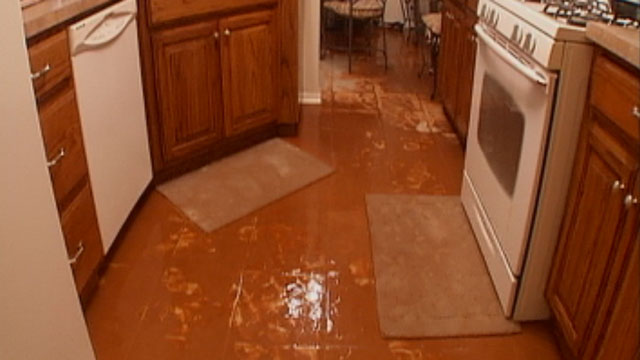
Once the rain has stopped and the leak is under control, it’s time to assess the extent of the damage. Inspect your ceiling, walls, and floors for:
- Water stains or discoloration
- Peeling paint or bubbling plaster
- Warped wood or sagging drywall
- Mold or mildew odors
Remove and replace any materials that are too damaged or moldy to salvage. Dry the area thoroughly using fans and dehumidifiers. For significant damage, consult a restoration specialist.
Preventing Future Ceiling Leaks During Rainstorms
Prevention is the best defense against water intrusion. Here are practical steps to reduce the risk of leaks in the future:
- Inspect your roof and attic regularly for signs of wear or damage.
- Keep gutters and downspouts clear of debris to ensure proper drainage.
- Trim overhanging branches that could damage shingles during storms.
- Seal gaps around chimneys, skylights, and vents with appropriate flashing.
- Consider installing leak detectors for early warning of water issues.
For a deeper dive into water damage and restoration, the International Association of Certified Home Inspectors’ water damage resource offers comprehensive guidance.
When to Call a Professional
Some ceiling leaks can be managed with basic DIY skills, but there are times when expert help is essential:
- The leak is large, persistent, or causing structural damage.
- You notice mold growth or a musty smell that doesn’t go away.
- There are signs of electrical hazards or widespread water damage.
- You’re unable to identify the source of the leak.
Professional roofers and restoration companies have the tools and expertise to address complex leaks and prevent future problems.
Frequently Asked Questions
How can I tell if my ceiling leak is caused by rain or plumbing?
Rain-related leaks usually appear during or right after storms and are often located under the roof or exterior walls. Plumbing leaks can occur any time and are often near bathrooms or kitchens. If the leak only happens when it rains, it’s likely from the roof or exterior.
Is it safe to stay in a room with a leaking ceiling?
If the leak is minor and you’ve contained the water, it may be safe for a short period. However, if the ceiling is sagging, water is near electrical fixtures, or there’s a risk of collapse, leave the area and turn off the power to that room.
What should I do if mold develops after a ceiling leak?
Mold can develop within 24-48 hours of water exposure. Remove and discard any moldy materials, dry the area thoroughly, and use a disinfectant. For large or persistent mold problems, contact a remediation specialist.
Can insurance cover ceiling leaks from rain?
Homeowners insurance may cover sudden and accidental water damage, such as from a storm-damaged roof. However, it often excludes damage from long-term neglect or maintenance issues. Review your policy and contact your insurer for details.
Conclusion
Dealing with a ceiling leak during a rainstorm can be overwhelming, but taking prompt action helps limit damage and keeps your home safe. By following the steps outlined above—containing the water, identifying the source, making temporary repairs, and seeking professional help when needed—you can protect your property and avoid bigger headaches down the road. Regular maintenance and early detection are your best tools for preventing future leaks.




