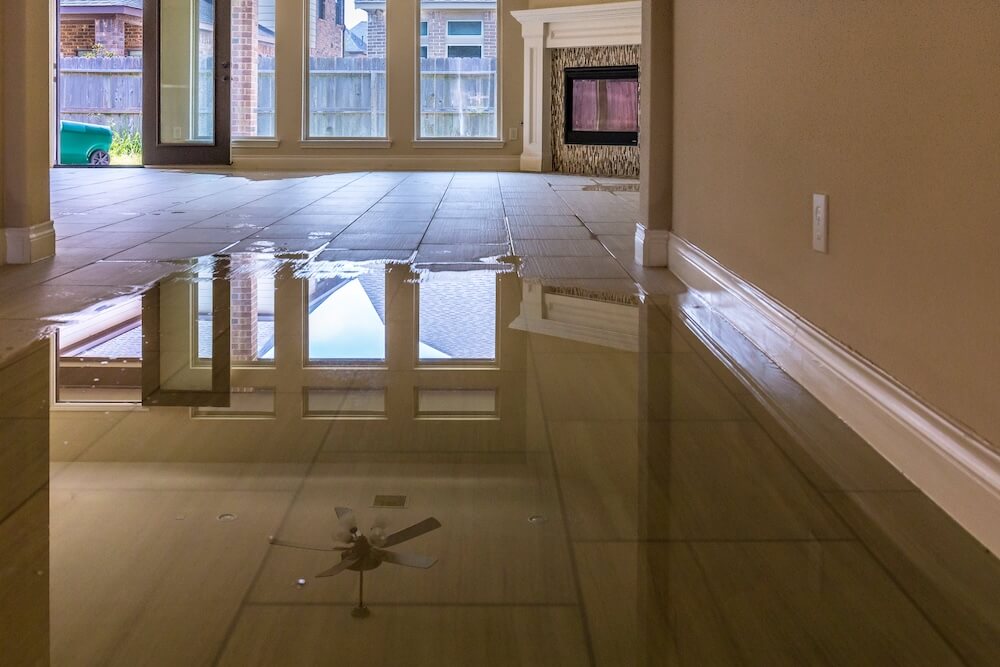
Moisture trapped inside insulation can lead to a host of issues, from reduced energy efficiency to structural damage and even health risks. Checking insulation for moisture is a crucial part of maintaining a safe and comfortable home. Whether you’re a homeowner, property manager, or contractor, understanding how to identify and address dampness in insulation helps prevent costly repairs and ensures long-term performance.
This article covers practical steps for identifying wet insulation, the risks associated with moisture buildup, and effective solutions for remediation. For those interested in related home care topics, you may also find our guide on how to sanitize a cast iron press helpful for maintaining kitchen tools.
Why Moisture in Insulation Is a Serious Concern
When insulation becomes wet, its ability to resist heat flow is compromised. This means your home may lose heat in winter and gain heat in summer, resulting in higher energy bills. Beyond energy loss, wet insulation can foster mold growth, rot wooden structures, and even attract pests. Over time, these problems can lead to expensive repairs and pose health risks, especially for those with allergies or respiratory conditions.
Moisture issues are often hidden behind walls or in attics, making them difficult to spot until significant damage has occurred. Regular insulation moisture inspection is essential for early detection and prevention.
Common Causes of Damp Insulation
Understanding what leads to moisture accumulation in insulation can help you address the root cause. Some of the most frequent sources include:
- Roof leaks: Damaged shingles, flashing, or gutters can allow water to seep into attic insulation.
- Plumbing leaks: Pipes running through walls or ceilings may develop leaks, saturating nearby insulation.
- Condensation: Poor ventilation or temperature differences between indoor and outdoor spaces can cause moisture to condense on insulation surfaces.
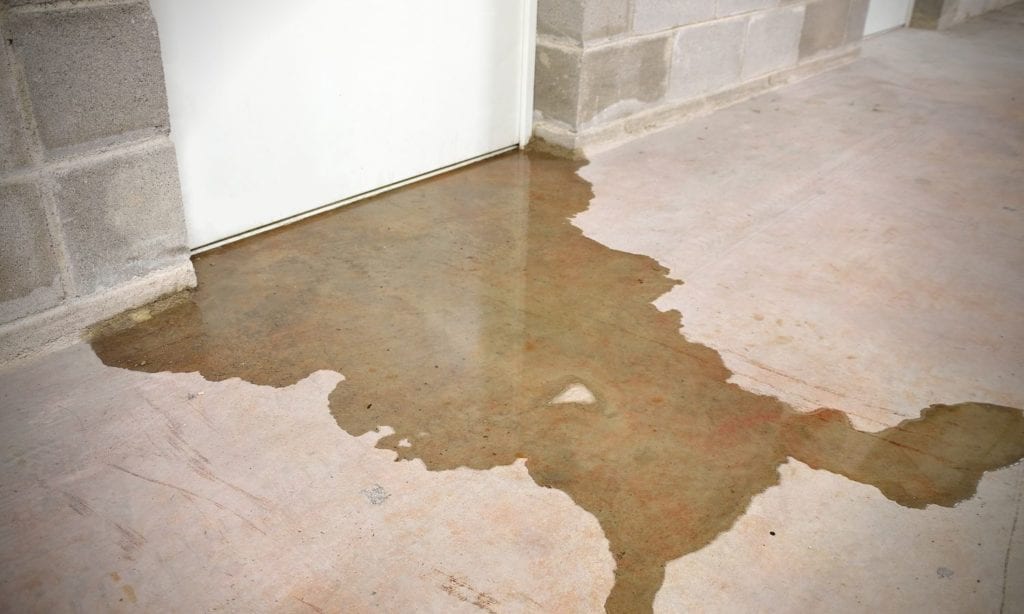
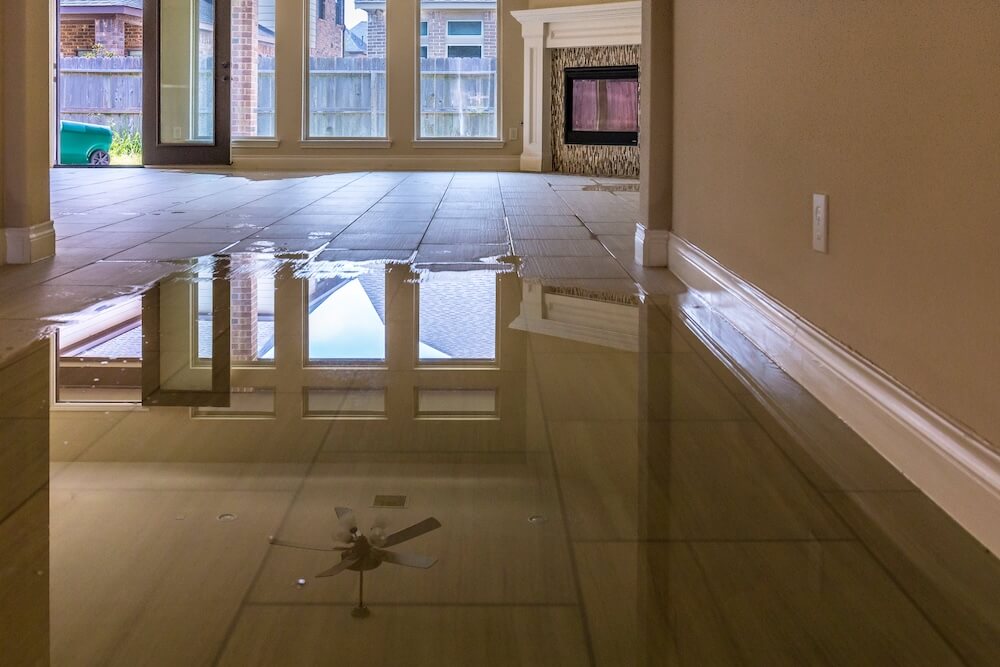
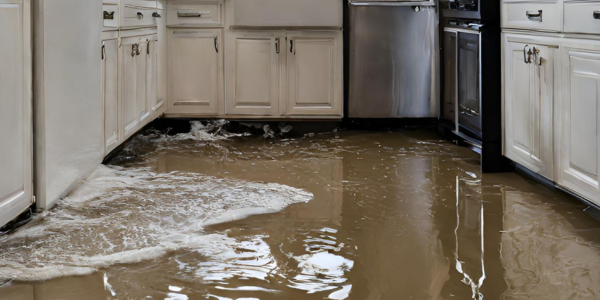
- Flooding: Basement or crawl space insulation is especially vulnerable after heavy rains or plumbing failures.
- Improper vapor barriers: Missing or damaged barriers allow moisture to migrate into insulation from the ground or air.
How to Identify Moisture in Insulation
Detecting dampness in insulation requires a combination of observation and, in some cases, specialized tools. Here are some practical steps for checking insulation for moisture:
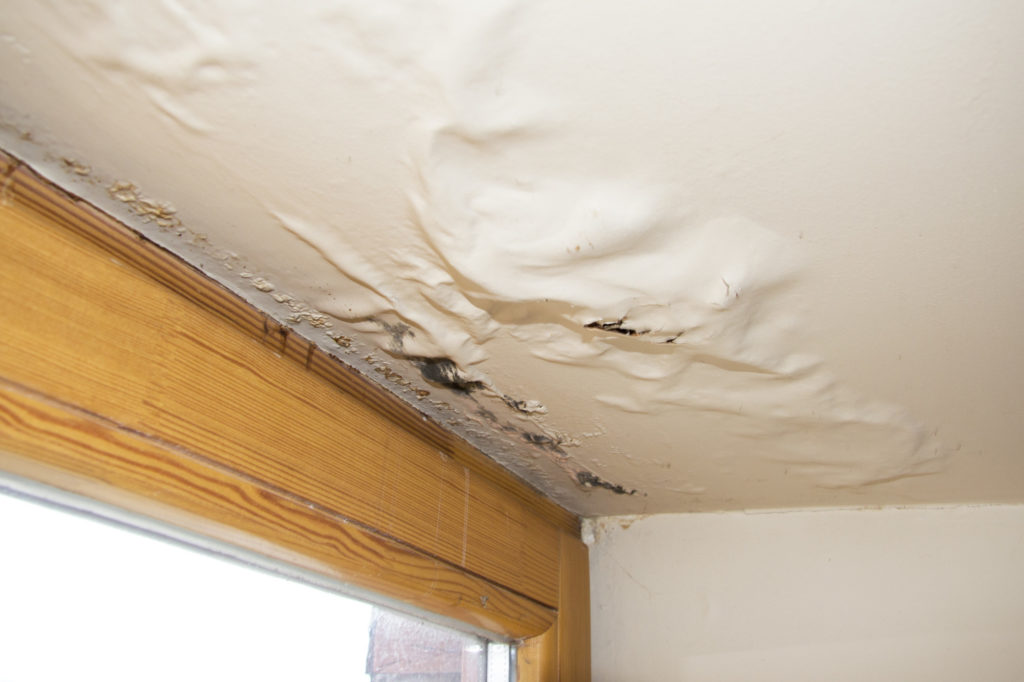
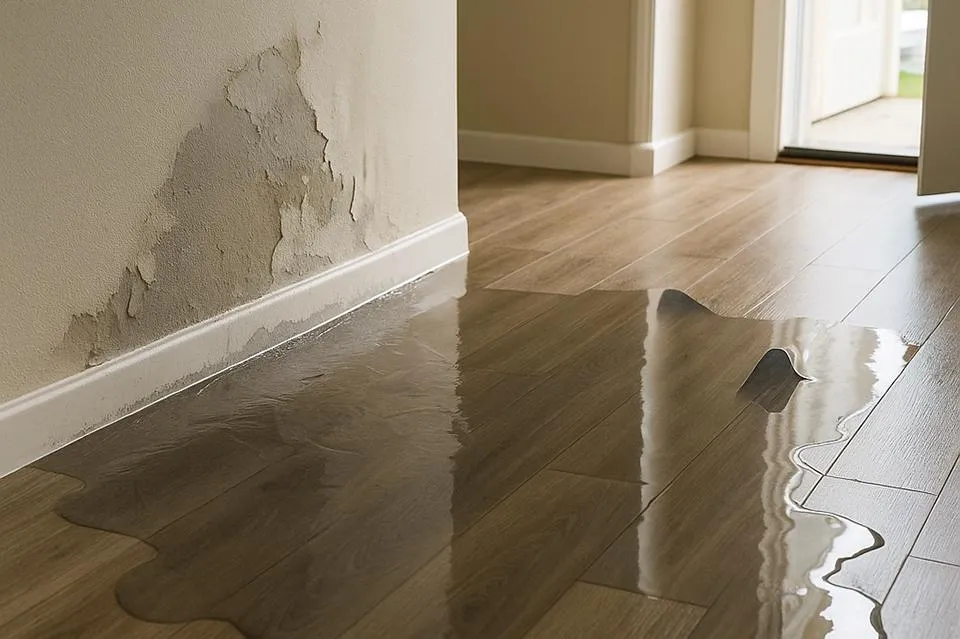
- Visual inspection: Look for water stains, discoloration, or sagging in ceilings, walls, or attic spaces. Insulation that appears darker or clumped may be wet.
- Touch test: If accessible, carefully touch the insulation. Wet insulation feels heavy, cold, or spongy compared to dry material.
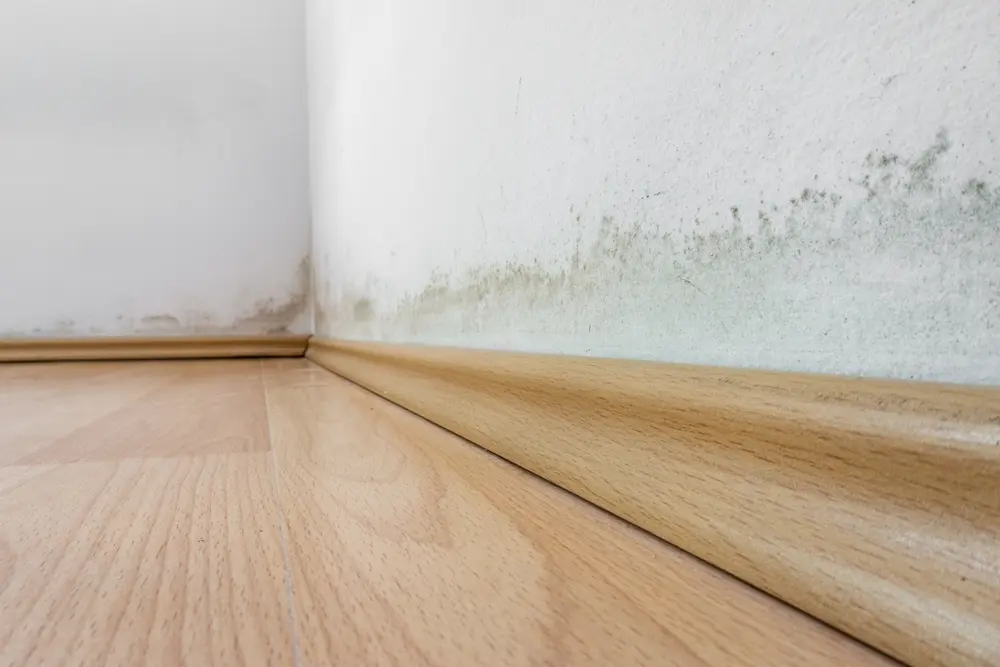
- Odor detection: A musty or earthy smell often signals mold or mildew, which thrive in damp environments.
- Moisture meters: These handheld devices can measure the moisture content of insulation and surrounding materials, providing a more precise assessment.
- Infrared cameras: Thermal imaging can reveal temperature differences caused by wet insulation, which retains heat differently than dry areas.
If you suspect water damage but can’t access the insulation directly, consider consulting a professional for a thorough evaluation. For more tips on preventing water-related issues, see this comprehensive guide to protecting your home from water damage.
Steps to Take When You Find Wet Insulation
Once you’ve confirmed the presence of moisture, prompt action is necessary to prevent further damage. Here’s what to do:
- Stop the source: Identify and repair leaks or sources of water intrusion immediately.
- Remove affected insulation: Wet insulation, especially fiberglass or cellulose, should be removed and disposed of properly. Leaving it in place can promote mold growth and reduce effectiveness.
- Dry the area: Use fans, dehumidifiers, or professional drying equipment to thoroughly dry the surrounding structure before installing new insulation.
- Check for mold: Inspect wood framing and drywall for signs of mold. If present, clean and treat the area with appropriate solutions or consult a remediation specialist.
- Replace insulation: Once the area is dry and mold-free, install new insulation and ensure vapor barriers are intact.
Preventing Moisture Issues in Insulation
Prevention is always better than cure when it comes to insulation and moisture. Here are some strategies to keep your home dry and efficient:
- Regular inspections: Check attics, basements, and crawl spaces for leaks or signs of dampness, especially after storms or plumbing work.
- Maintain gutters and downspouts: Ensure water is directed away from your home’s foundation and roof.
- Install vapor barriers: Use appropriate barriers in crawl spaces and walls to block ground moisture.
- Improve ventilation: Make sure attics and crawl spaces are well-ventilated to reduce condensation.
- Monitor plumbing: Regularly inspect pipes for leaks and consider installing leak detectors for early warning.
For those interested in kitchen maintenance, our article on how to press tortillas for chilaquiles offers practical tips for food prep and equipment care.
Frequently Asked Questions
How can I tell if my insulation has moisture without opening walls?
Signs such as musty odors, unexplained increases in energy bills, or visible stains on walls and ceilings can indicate hidden moisture. Using a moisture meter or hiring a professional with thermal imaging equipment can help detect dampness without invasive procedures.
Is it safe to leave slightly damp insulation in place?
Even minor dampness can reduce insulation performance and encourage mold growth. It’s best to remove and replace any insulation that has been exposed to moisture, especially if it cannot be dried quickly and thoroughly.
What type of insulation is most resistant to moisture problems?
Closed-cell spray foam is highly resistant to water absorption and can act as a vapor barrier. However, no material is completely immune to moisture issues if leaks or condensation are present. Proper installation and regular inspections are key.
Can I dry out wet insulation myself, or should I call a professional?
Small, accessible areas of wet insulation can sometimes be dried and replaced by homeowners. However, if the affected area is large, hidden, or shows signs of mold, it’s best to consult a professional to ensure safe and thorough remediation.
How often should I check my insulation for moisture?
Inspect insulation at least once a year, and always after major storms, plumbing leaks, or signs of water damage. Early detection helps prevent costly repairs and health risks.