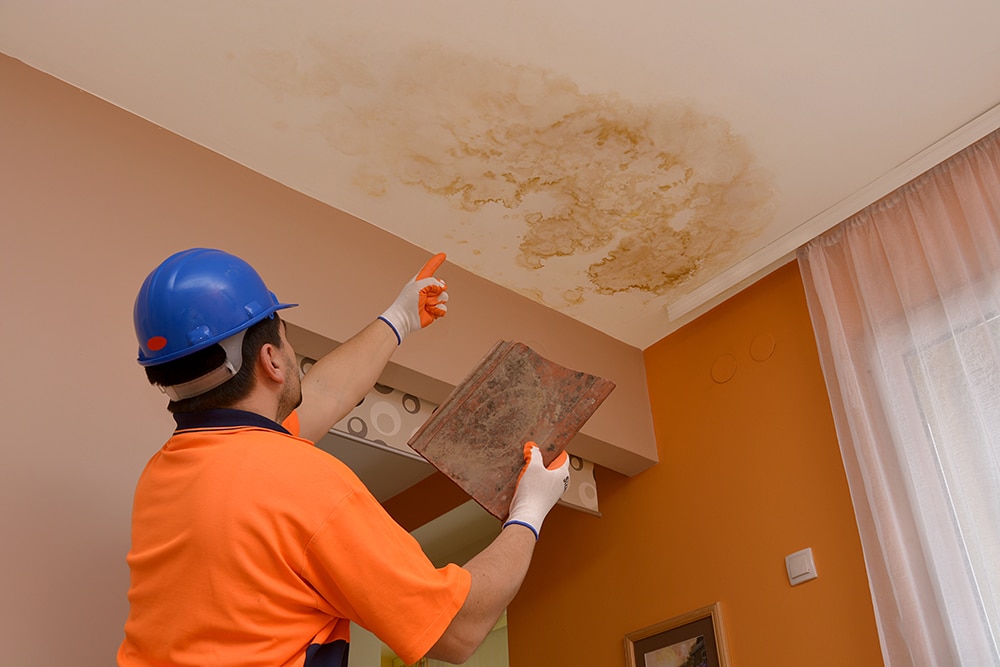
Water intrusion is a leading cause of property loss for homeowners and businesses alike. Understanding the cost comparison prevention vs repair is essential for anyone looking to protect their investment and avoid unnecessary expenses. While it may be tempting to put off preventative measures, the financial and emotional toll of dealing with water-related destruction can be significant. This article explores the real costs involved, the benefits of proactive strategies, and how investing in prevention can save money and stress in the long run.
Before diving into the details, it’s worth noting that maintenance and prevention are not just about saving money—they also preserve property value and peace of mind. For those interested in related home care topics, you might also find value in learning how to sanitize a cast iron press between cooking sessions, which is another example of how proactive care can prevent bigger problems down the line.
Understanding the True Cost of Water Damage
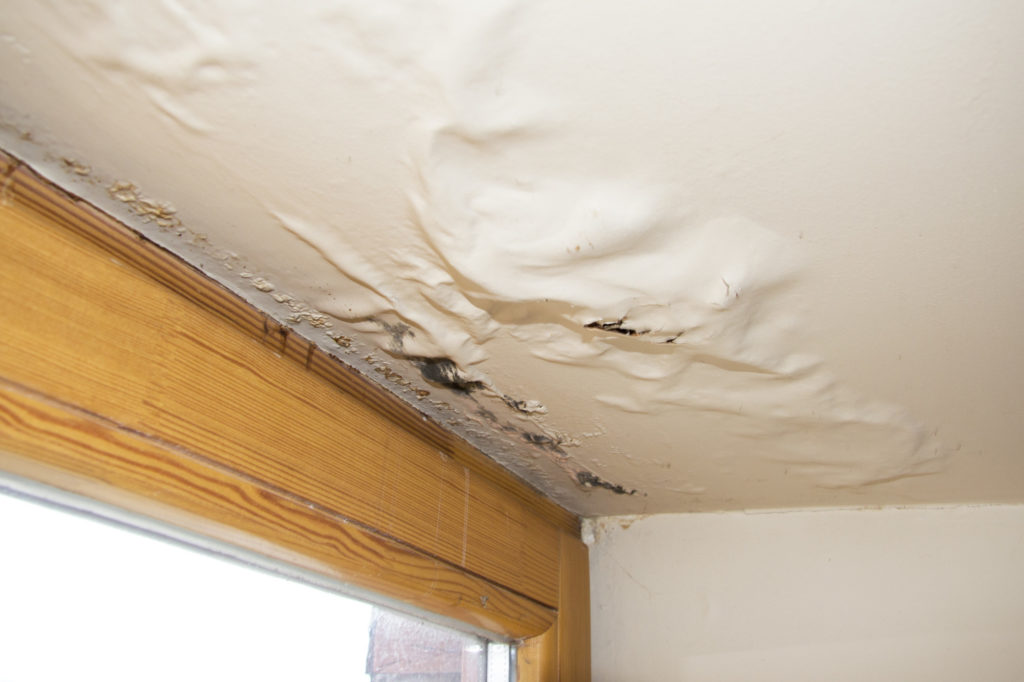
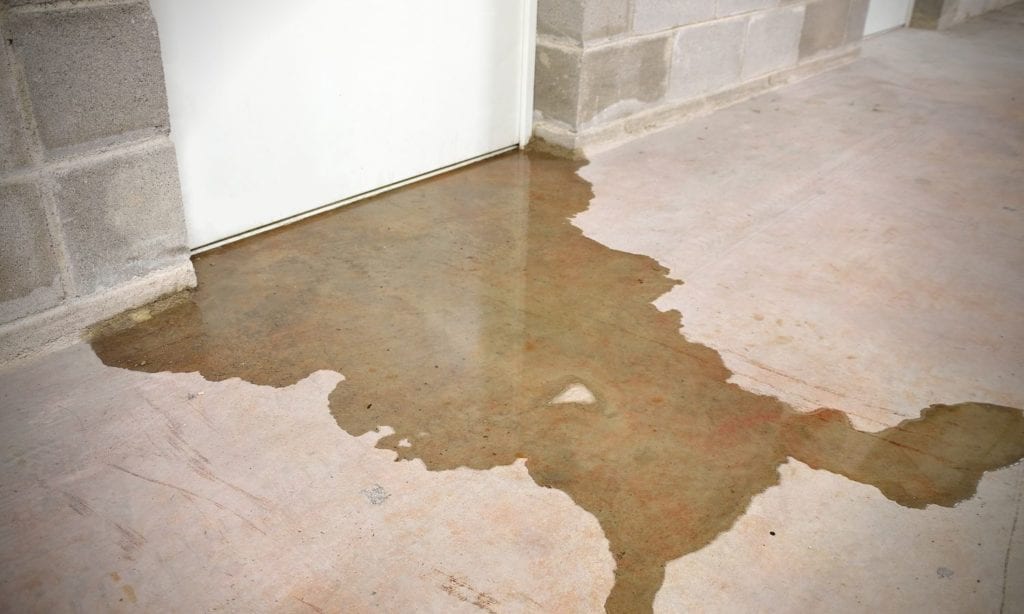
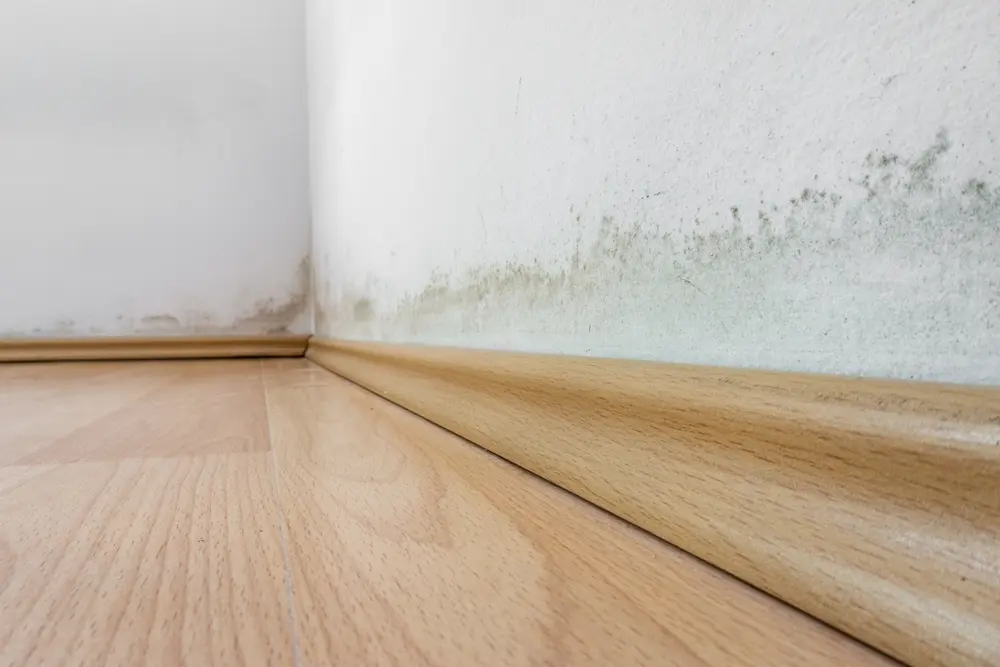
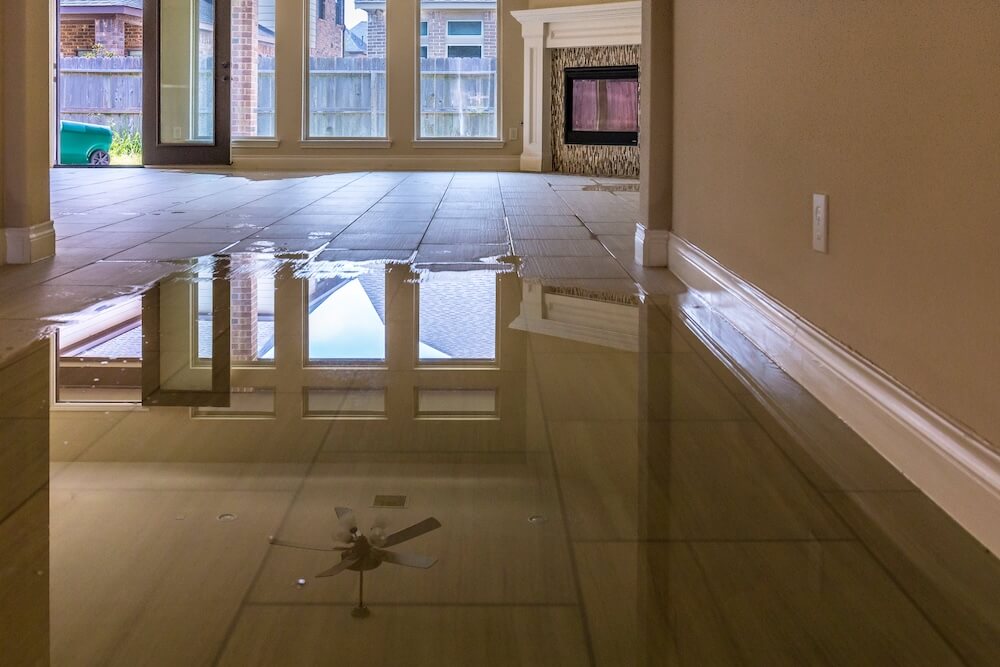
When water enters a home or business, the resulting damage can be extensive. Costs go far beyond the initial cleanup. Repairing structural elements, replacing flooring, addressing mold growth, and restoring personal belongings all add up quickly. According to industry estimates, the average cost to repair water damage in a home ranges from $2,000 to $7,500, but severe cases can exceed $20,000—especially if the damage is not addressed promptly.
These figures do not account for indirect expenses, such as temporary relocation, lost business revenue, or increased insurance premiums. The financial impact is often compounded by the stress and disruption to daily life.
Prevention Strategies: Upfront Investment, Long-Term Savings
Preventative measures may require an initial outlay, but they are almost always less expensive than restoration. Common prevention tactics include:
- Installing water leak detectors and automatic shutoff valves
- Regularly inspecting and maintaining plumbing systems
- Ensuring proper drainage around the foundation
- Sealing windows, doors, and basement walls
- Upgrading appliances and fixtures to modern, leak-resistant models
The cost for these solutions varies, but most homeowners can expect to spend between $500 and $2,500 for a comprehensive prevention plan. For example, a high-quality pipe or toilet leak detector can be purchased for under $200, providing early warnings that can prevent thousands in damage.
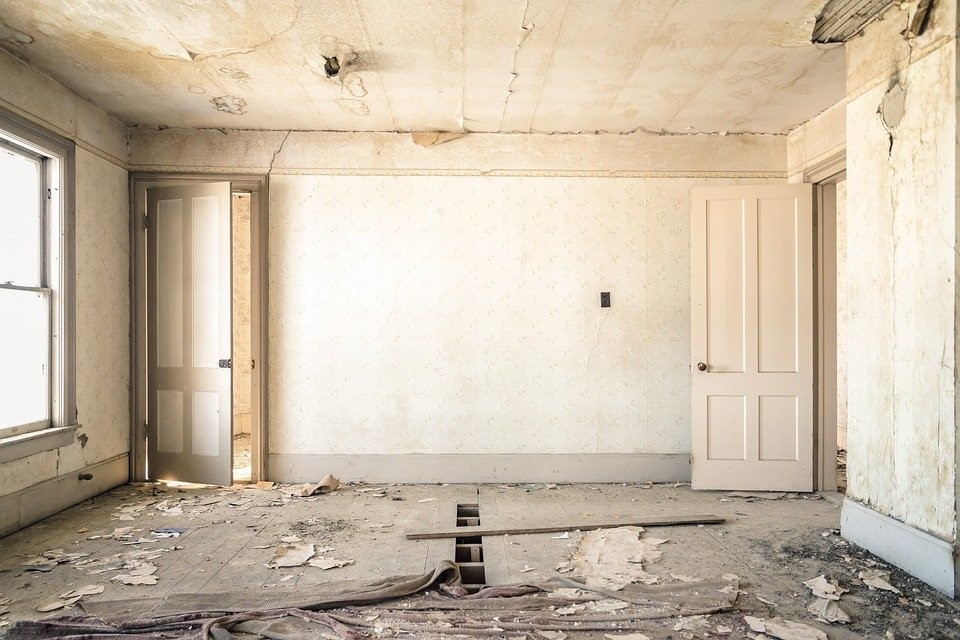
Cost Comparison: Prevention vs Repair in Real Terms
To illustrate the difference, consider a scenario where a small leak goes undetected under a kitchen sink. If caught early with a sensor, the repair might cost less than $300, including the price of the device and a plumber’s visit. If left unchecked, the same leak could result in warped cabinetry, mold remediation, and floor replacement—totaling $5,000 or more.
Here’s a simplified breakdown:
| Scenario | Estimated Prevention Cost | Estimated Repair Cost |
|---|---|---|
| Leak Detector Installation | $150–$350 | — |
| Minor Leak (Detected Early) | $100–$300 | $5,000–$7,000 (if undetected) |
| Foundation Drainage Upgrade | $800–$2,000 | $10,000+ (major flooding repair) |
These numbers highlight the dramatic difference in expenses. Investing in prevention is a fraction of the cost of major repairs.
Factors That Influence Water Damage Costs
Several variables can affect the final bill for both preventative measures and repairs:
- Severity and Source: Clean water from a supply line is easier and cheaper to address than contaminated water from sewage or flooding.
- Response Time: The sooner an issue is detected, the lower the restoration costs.
- Property Size and Materials: Larger homes and high-end finishes increase both prevention and repair expenses.
- Insurance Coverage: While insurance may cover some repair costs, deductibles and exclusions often apply, and premiums may rise after a claim.
Insurance Considerations and Limitations
Many property owners assume insurance will cover all water-related losses. In reality, most policies have strict exclusions for gradual leaks, poor maintenance, or certain types of flooding. Preventative steps not only reduce the risk of a claim but may also help lower premiums. For more on proactive strategies, see this comprehensive guide to preventing water damage from household fixtures.
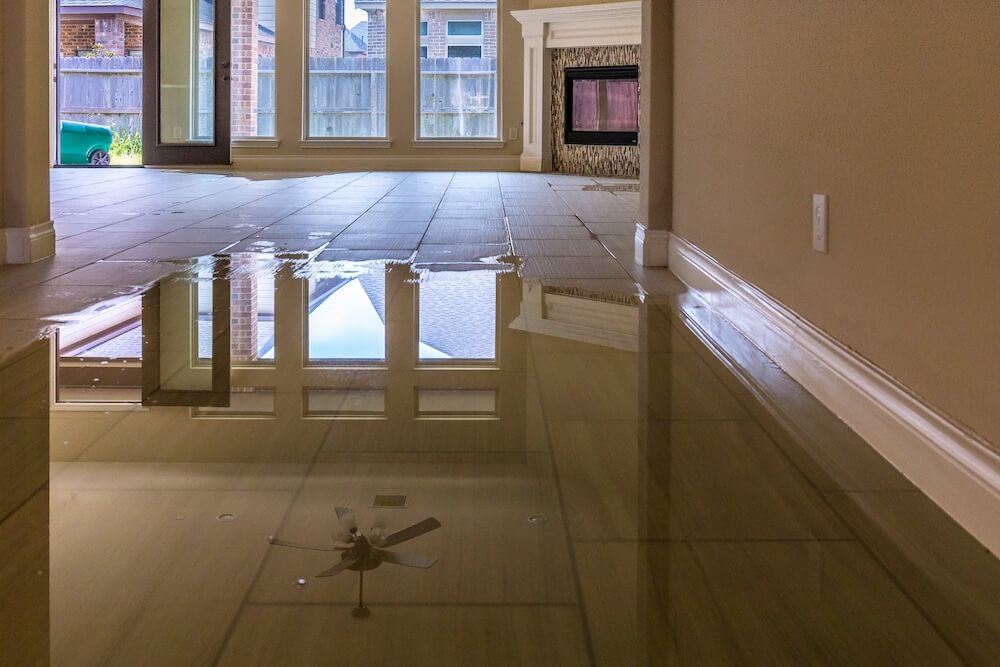
Long-Term Benefits of Proactive Water Management
Beyond immediate savings, investing in preventative solutions helps maintain property value and reduces the risk of health hazards like mold. It also minimizes disruption to daily routines and business operations. Proactive water management is a smart choice for homeowners, landlords, and business owners alike.
For those interested in other ways to extend the life of household equipment and prevent costly repairs, exploring topics such as how to store corn masa for pressing can provide additional insights into the value of routine care and maintenance.
Frequently Asked Questions
What are the most effective ways to prevent water damage?
The most effective strategies include installing leak detectors, maintaining plumbing systems, ensuring proper drainage, and sealing vulnerable areas. Regular inspections and prompt repairs of minor issues can prevent major incidents.
How much can I expect to save by investing in prevention instead of waiting for repairs?
On average, prevention costs are a small fraction of repair bills. For example, a $200 investment in a leak detector could prevent thousands of dollars in restoration expenses. The exact savings depend on the property and local repair rates, but the difference is consistently significant.
Does insurance cover all types of water damage?
Most standard policies cover sudden and accidental water damage, but gradual leaks, poor maintenance, and certain types of flooding are often excluded. It’s important to review your policy and consider additional coverage if needed.
Conclusion
The evidence is clear: prioritizing prevention is the most cost-effective approach to managing water risks. By investing in early detection and regular maintenance, property owners can avoid the high costs and hassles of major repairs. Whether you’re a homeowner or a business manager, a proactive approach pays off in both the short and long term.