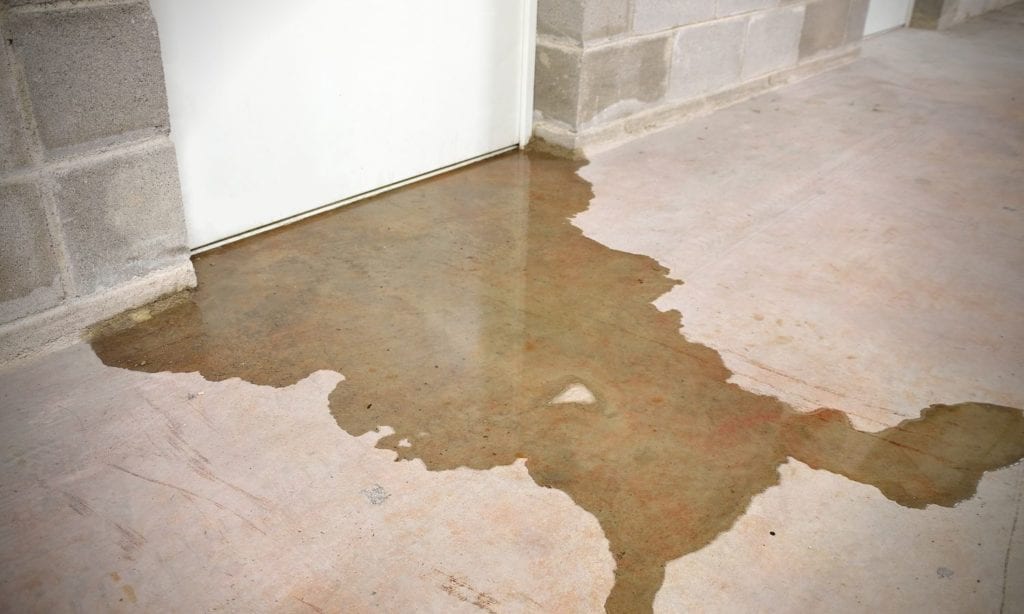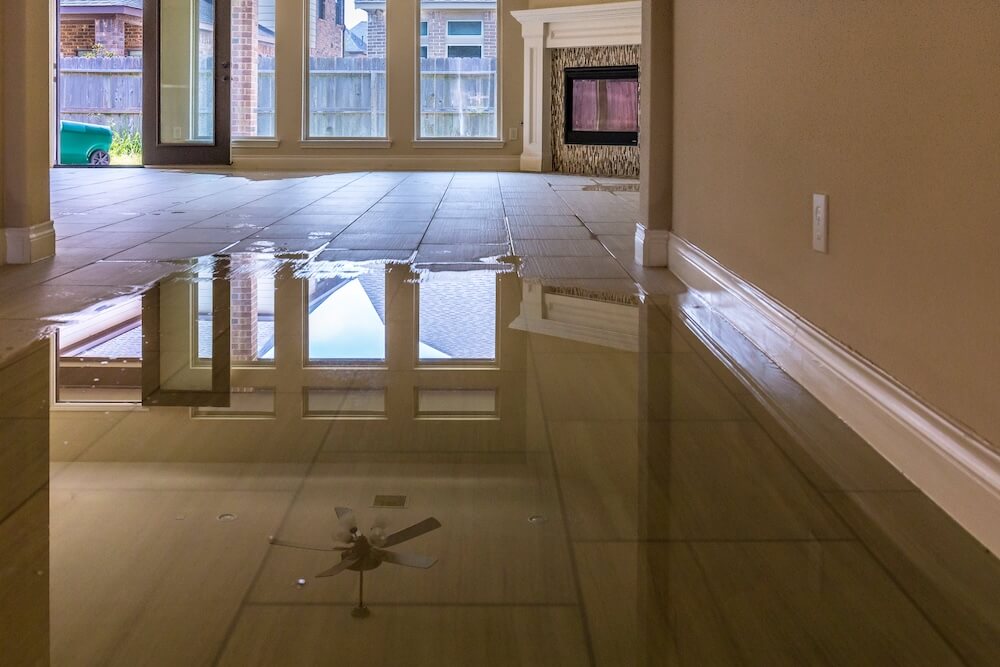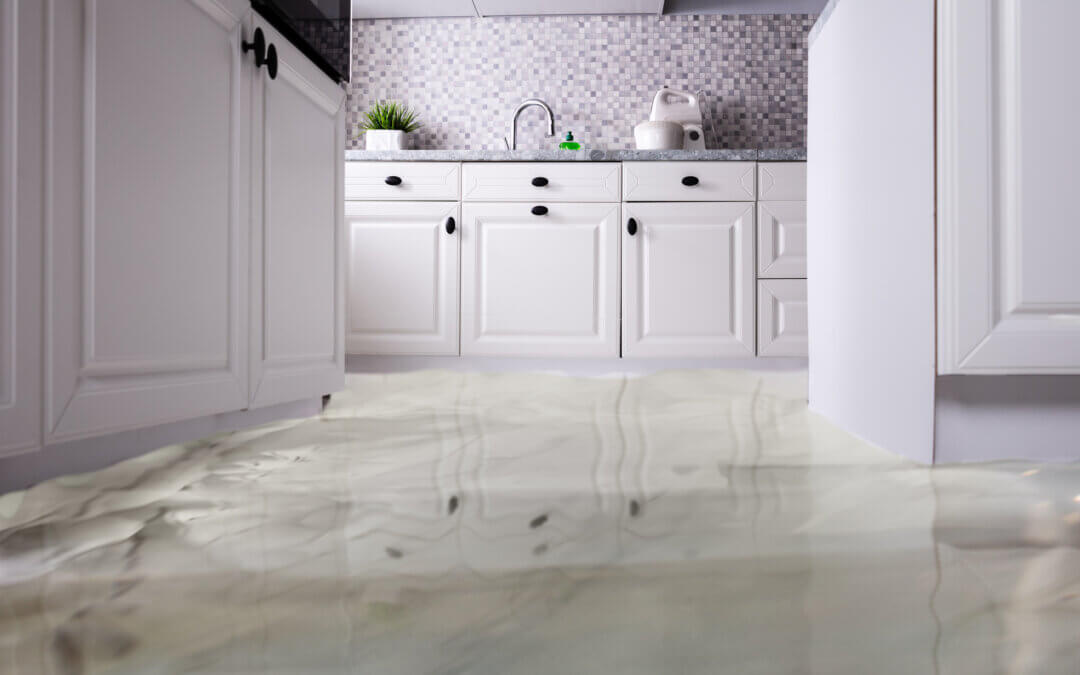
Water leaks in residential properties are more common than many realize, yet they often go unnoticed until significant damage has occurred. While some issues are obvious, such as a dripping faucet or a visible puddle, there are many subtle signs and hidden risks that tend to be missed. Understanding what homeowners overlook about leaks can make a substantial difference in preventing costly repairs, maintaining property value, and ensuring a safe living environment.
This article explores the most frequently missed warning signs, the consequences of ignoring minor leaks, and practical steps for early detection. We’ll also highlight the importance of proactive maintenance and the value of modern leak detection tools. For those interested in related home maintenance topics, you may also want to learn how to sanitize a cast iron press for kitchen safety.
Commonly Missed Signs of Water Leaks
Many people assume leaks will always be obvious, but some of the most damaging issues develop quietly. Here are some of the most overlooked indicators that water is escaping somewhere in your home:
- Unexplained increases in water bills: A sudden spike in usage often points to a hidden leak, even if you can’t see any water.
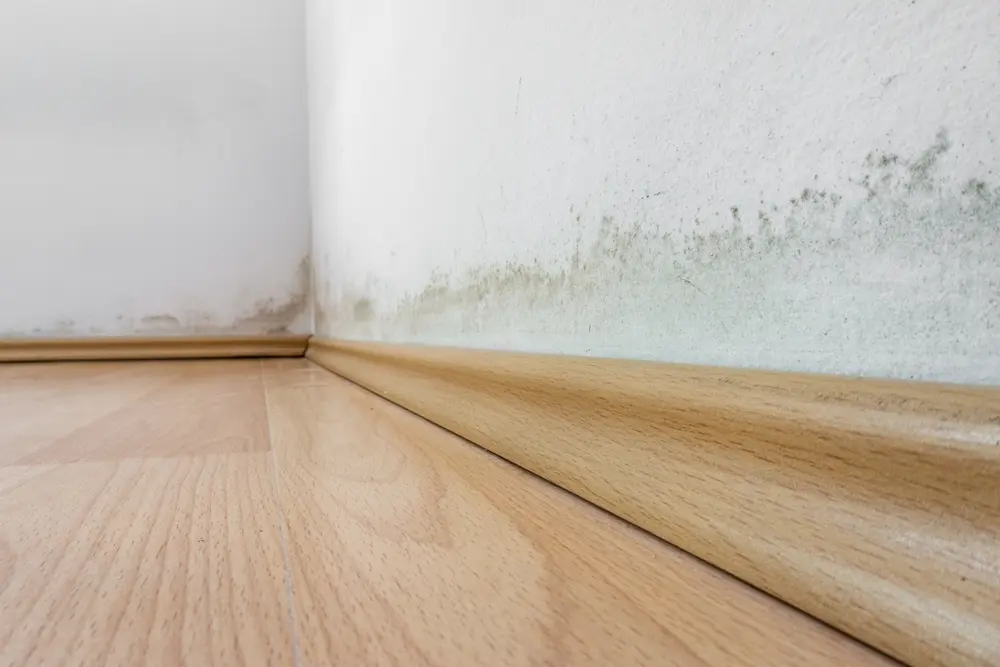
- Musty odors or persistent dampness: Moisture trapped behind walls or under floors can cause a lingering smell, indicating slow leaks.
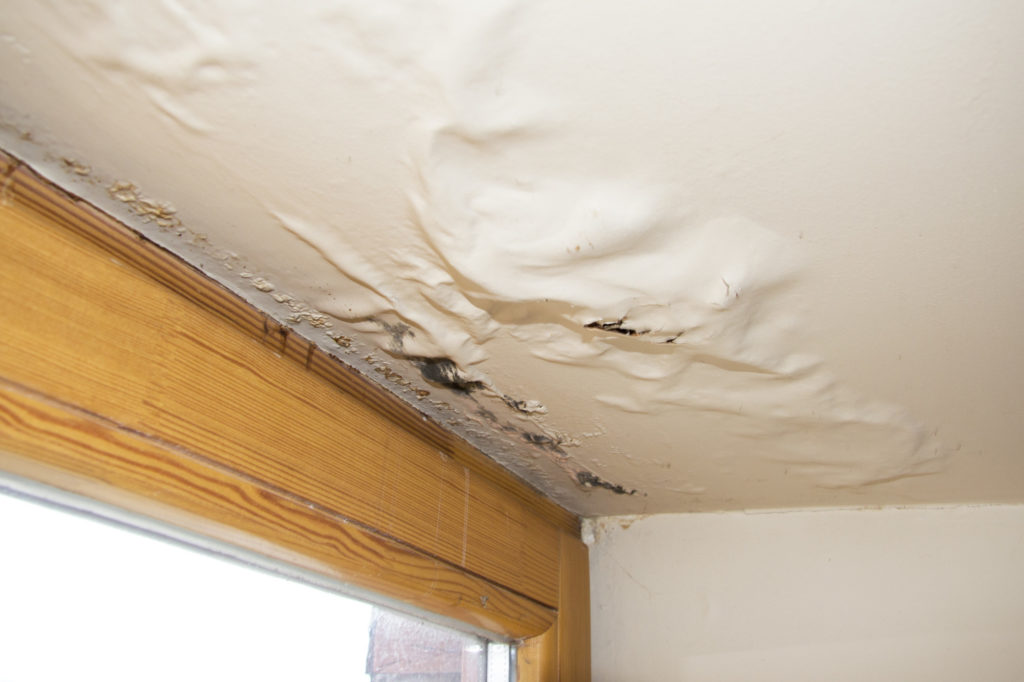
- Staining or discoloration: Yellow or brown marks on ceilings, walls, or floors may signal water intrusion from pipes or roofs.
- Peeling paint or wallpaper: Water can cause finishes to bubble, peel, or warp long before puddles become visible.
- Sounds of running water: If you hear water moving when all fixtures are off, there may be a leak inside the plumbing system.
Overlooking these subtle cues can lead to extensive damage. Early detection is crucial for limiting repair costs and preventing health hazards like mold.
Why Small Leaks Should Never Be Ignored
It’s easy to dismiss a slow drip or a minor stain as unimportant, but even the smallest leaks can have serious consequences. Water damage is cumulative, and what starts as a minor inconvenience can escalate into a major problem. Here’s why prompt attention is essential:
- Structural damage: Persistent moisture weakens wood, drywall, and even concrete, compromising your home’s integrity over time.
- Mold growth: Mold thrives in damp environments and can begin to grow within 24–48 hours of a leak, posing health risks to occupants.
- Electrical hazards: Water and electricity are a dangerous combination. Leaks near wiring increase the risk of shorts or even fires.
- Increased repair costs: The longer a leak goes undetected, the more expensive the eventual repairs become, often involving multiple systems.
Addressing leaks early is not just about saving money—it’s about protecting your family’s health and safety.

Hidden Leak Sources Most People Miss
Not all leaks are caused by obvious plumbing failures. Some originate in places that are rarely checked, making them easy to miss. Here are a few of the most common hidden sources:
- Appliance hoses and connections: Washing machines, dishwashers, and refrigerators with ice makers often develop slow leaks at hose connections.
- Toilets: Silent leaks inside the toilet tank can waste hundreds of gallons per month without any visible signs.
- Water heaters: Small drips from the base or pressure relief valve can go unnoticed in basements or utility closets.
- Roof and attic: Damaged shingles or flashing allow water to enter, which may not be obvious until stains appear on ceilings.
- Outdoor spigots and irrigation lines: Leaks in exterior plumbing can erode foundations or cause wet spots in the yard.
Regular inspections of these areas can help catch problems before they escalate. For more tips on protecting your home’s interior, see this guide to preventing water damage inside your home.
Modern Tools for Early Leak Detection
Technology has made it easier than ever to catch leaks before they cause major damage. Here are some of the most effective solutions available today:
- Smart leak detectors: Devices that monitor for moisture or unusual water flow and send alerts to your phone.
- Automatic shutoff valves: Systems that detect leaks and automatically turn off the water supply to prevent flooding.
- Water usage monitors: Tools that track your daily consumption and flag unusual patterns that may indicate a leak.
Investing in these technologies can provide peace of mind and help avoid the stress of emergency repairs. After all, being proactive is the best way to protect your property from hidden water damage.
Proactive Maintenance to Prevent Water Damage
Preventing leaks is always easier and less expensive than dealing with the aftermath. Here are some practical steps every property owner should take:
- Inspect plumbing regularly: Look for signs of corrosion, moisture, or loose fittings under sinks and around appliances.
- Check your roof and gutters: Clean gutters and inspect for damaged shingles or flashing after storms.
- Monitor your water bill: Track monthly usage to spot unexpected increases that could indicate a hidden problem.
- Test shutoff valves: Make sure you know where your main water shutoff is and that it works properly in case of emergency.
- Install leak detection devices: Use smart technology to monitor high-risk areas and receive instant alerts.
By making these checks a routine part of your home maintenance, you can dramatically reduce the risk of expensive water damage.
Frequently Asked Questions
How can I tell if I have a hidden leak in my home?
Look for subtle signs such as unexplained increases in your water bill, musty odors, stains on walls or ceilings, or sounds of running water when all fixtures are off. Installing a smart leak detector can also help identify hidden issues early.
What areas are most commonly missed during leak inspections?
Homeowners often overlook appliance hoses, toilet tanks, water heaters, attics, and outdoor plumbing. Regularly checking these areas can help catch leaks before they cause major damage.
Are small leaks really that dangerous?
Yes, even minor leaks can lead to structural damage, mold growth, and increased repair costs if left unaddressed. Prompt attention and proactive maintenance are essential for protecting your property.
What should I do if I suspect a leak but can’t find it?
If you notice signs of a leak but can’t locate the source, consider hiring a professional plumber or using a smart leak detection device. Early intervention can prevent more serious problems down the line.