
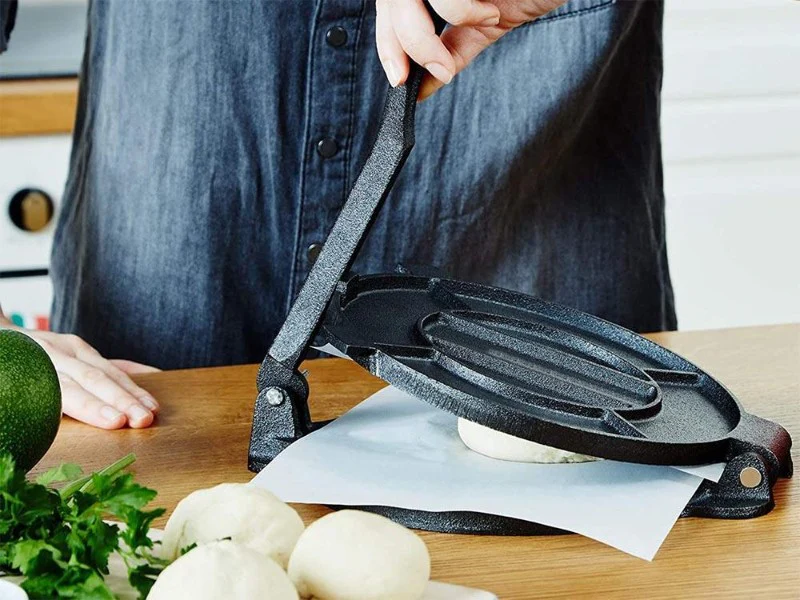
Making perfectly thin and even samosa skins at home can be challenging, especially if you’re rolling by hand. A tortilla press offers a practical shortcut, allowing you to create uniform wrappers quickly and with less effort. If you’ve ever wondered how to use a tortilla press for samosa skins, this guide will walk you through the process, highlight essential tips, and help you avoid common mistakes. Whether you’re a home cook or prepping for a special occasion, mastering this technique can save time and deliver consistent results.
Before diving into the step-by-step method, it’s helpful to understand how a tortilla press works and why it’s suitable for making samosa wrappers. This article also covers dough preparation, pressing techniques, troubleshooting, and care tips for your press. If you’re interested in other creative uses for your press, you might also enjoy learning about how to press tortillas for chilaquiles for more versatile kitchen ideas.
Why Choose a Tortilla Press for Samosa Wrappers?
Traditional samosa skins are rolled out by hand, which can be time-consuming and requires practice to achieve consistent thinness. A tortilla press, typically used for flattening masa into tortillas, can also be used to press wheat-based dough for samosas. The main benefits include:
- Uniform thickness for even cooking and folding
- Faster preparation, especially for large batches
- Less physical effort compared to rolling pins
- Consistent size and shape for professional-looking results
While the press is designed for tortillas, with the right dough and technique, it can be a valuable tool for making samosa skins at home.
Preparing the Dough for Pressing
Getting the dough right is crucial for successful samosa wrappers. The dough should be soft but not sticky, and it must be able to hold its shape after pressing. Here’s a basic recipe and some tips:
- Use all-purpose flour, a pinch of salt, and a small amount of oil or ghee.
- Add water gradually and knead until the dough is smooth and pliable.
- Let the dough rest for at least 20–30 minutes, covered with a damp cloth. This relaxes the gluten and makes pressing easier.
- Divide the dough into small, equal balls (about 20–25 grams each) for uniform skins.
If you’re new to using a press, start with a small batch to get a feel for the process. For tips on improving your pressing technique, the article on pressing technique for even thickness offers helpful insights.

Step-by-Step Guide: Using a Tortilla Press for Samosa Skins
Follow these steps to create thin, even samosa wrappers using your tortilla press:
- Prepare parchment or plastic sheets: Cut two pieces of parchment paper or use food-safe plastic to prevent the dough from sticking to the press plates.
- Place a dough ball between the sheets: Center the ball on the bottom plate, cover with the second sheet.
- Press gently: Lower the top plate and press down firmly but not too hard. For ultra-thin skins, press once, rotate the dough 90 degrees, and press again.
- Check thickness: Samosa skins should be thin but not transparent—about 1–1.5 mm is ideal. If needed, finish with a gentle roll using a rolling pin.
- Peel and stack: Carefully peel off the wrapper and stack with parchment in between to prevent sticking.
Repeat with the remaining dough balls. If you notice uneven edges, trim with a round cutter or knife for a neater finish.
Tips for Achieving Thin, Flexible Skins
Getting the right thinness is crucial for folding and sealing samosas without tearing. Here are some practical tips:
- Don’t over-flour the dough balls—excess flour can make skins tough.
- Use even, moderate pressure on the press. Too much force can cause the dough to split or stick.
- If the skins are too thick, roll them out a bit more after pressing.
- Keep pressed skins covered with a damp cloth to prevent drying out.
- For extra flexibility, add a teaspoon of oil to the dough.
For those interested in maximizing press efficiency, check out advice on how to adjust your grip on a tortilla press for more power and control.

Cleaning and Maintaining Your Tortilla Press
Proper care keeps your press working smoothly and extends its lifespan. After each use:
- Wipe down the plates with a damp cloth. Avoid soaking or using harsh detergents, especially for cast iron models.
- Dry thoroughly to prevent rust.
- Apply a light coat of oil to cast iron presses to maintain seasoning and prevent sticking.
For more detailed care instructions, see these care instructions for cast iron tortilla presses for best practices and troubleshooting.
If you ever notice an off taste in your pressed dough, you might want to read about why does my press leave a metallic taste and how to fix your seasoning.
Troubleshooting Common Issues
Even with the right tools, you might encounter a few challenges when making samosa skins with a press. Here’s how to address the most common problems:
- Skins are too thick: Use smaller dough balls or press more firmly. Finish with a rolling pin if needed.
- Dough sticks to the press: Use parchment or plastic sheets and dust lightly with flour.
- Edges are uneven: Rotate the dough between presses or trim with a cutter.
- Wrappers tear when folding: Ensure the dough is rested and not too dry. Add a bit more oil for flexibility.
With practice, you’ll find the right balance of dough hydration, press pressure, and handling for your kitchen setup.
Creative Uses for Your Tortilla Press
Once you’re comfortable making samosa skins, experiment with other flatbreads and snacks. A tortilla press can be used for:
- Making dumpling or wonton wrappers
- Preparing thin rotis or chapatis
- Pressing tostones or plantain slices (see how to use a tortilla press for tostones for more)
- Flattening dough for mini pizzas or empanadas
This versatile tool can save time and effort across a range of recipes, making it a worthwhile addition to any kitchen.
Frequently Asked Questions
Can I use a tortilla press for gluten-free samosa dough?
Yes, but gluten-free doughs may be more delicate and prone to cracking. Use parchment sheets and press gently. You may need to adjust hydration or add a binding agent like xanthan gum for flexibility.
How thin should samosa skins be when using a press?
Aim for a thickness of 1–1.5 mm. Too thick and the skins will be chewy; too thin and they may tear during filling and folding. If you need extra thinness, finish with a rolling pin after pressing.
Do I need to oil the press before each use?
If you use parchment or plastic sheets, oiling isn’t necessary. For bare metal presses, a light coating of oil can help prevent sticking and maintain seasoning, especially for cast iron models.
What size tortilla press is best for samosa skins?
An 8-inch press is ideal for most home cooks, providing enough surface area for standard samosa wrappers without being too bulky to store or handle.
How do I keep pressed samosa skins from drying out?
Stack the pressed skins with parchment or plastic between each one and cover with a damp cloth. This keeps them soft and pliable until you’re ready to fill and fry.




