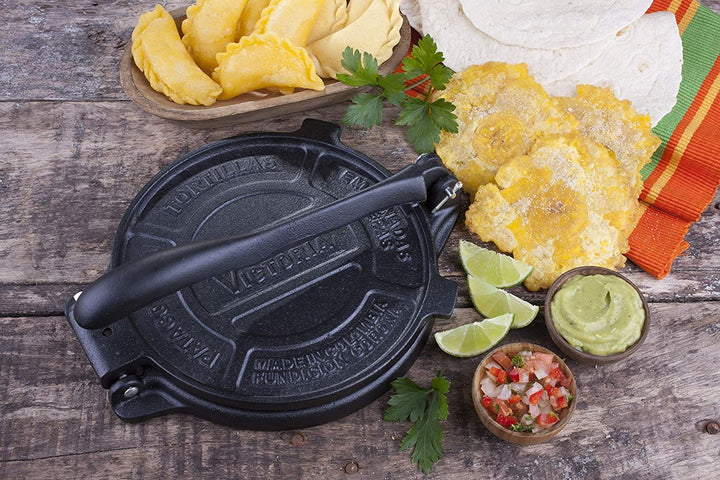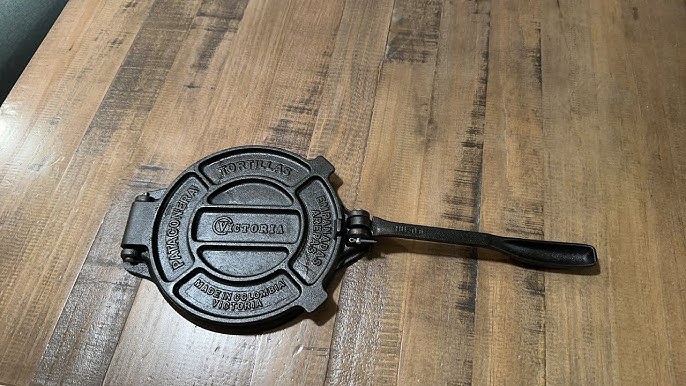
Properly seasoning a cast iron press is essential for achieving non-stick performance, preventing rust, and ensuring your press lasts for years. Whether you use your press for tortillas, sandwiches, or grilling, a well-seasoned surface will make your cooking experience smoother and your food taste better. This guide will walk you through the entire process of oven seasoning, from preparation to maintenance, so you can get the most out of your cast iron tool.
Seasoning is the process of applying oil and heating the press to create a durable, natural coating. This protective layer not only improves the press’s performance but also makes cleaning easier. If you’ve ever wondered why your press leaves a metallic taste or sticks to food, it’s likely time for a proper seasoning session. For more troubleshooting tips, see why does my press leave a metallic taste.
Why Seasoning Matters for Cast Iron Presses
Seasoning isn’t just for skillets and pans—your cast iron press needs it too. The process forms a hard, slick layer that:
- Prevents rust by sealing the iron from moisture and air.
- Creates a non-stick surface for easier food release.
- Improves flavor by stopping metallic or off-tastes from leaching into food.
- Extends the life of your press by protecting it from wear and corrosion.
Regular seasoning is especially important if you use your press for making tortillas, grilling sandwiches, or pressing meats. If you’re interested in getting the most out of your press for specific recipes, you might also want to read about how to press tortillas for chilaquiles.
What You Need Before You Start
Before diving into the oven seasoning process, gather the following supplies:
- Clean, dry cast iron press
- Paper towels or a lint-free cloth
- Neutral, high-smoke-point oil (flaxseed, grapeseed, canola, or vegetable oil)
- Aluminum foil or a baking sheet (to catch drips)
- Oven mitts
Make sure your press is completely dry before starting. Any water left on the surface can cause rust during heating. If your press has a hinge, check out tips on how to maintain the hinge on a cast iron press for smooth operation.
Step-by-Step Guide: Oven Seasoning for Cast Iron Presses
1. Clean the Press Thoroughly
Start by washing your press with warm water and a small amount of mild dish soap. Use a brush or non-abrasive scrubber to remove any factory residue, dust, or old seasoning. Rinse well and dry completely with paper towels or a cloth. If needed, place the press in a warm oven for a few minutes to ensure all moisture evaporates.
2. Apply a Thin Layer of Oil
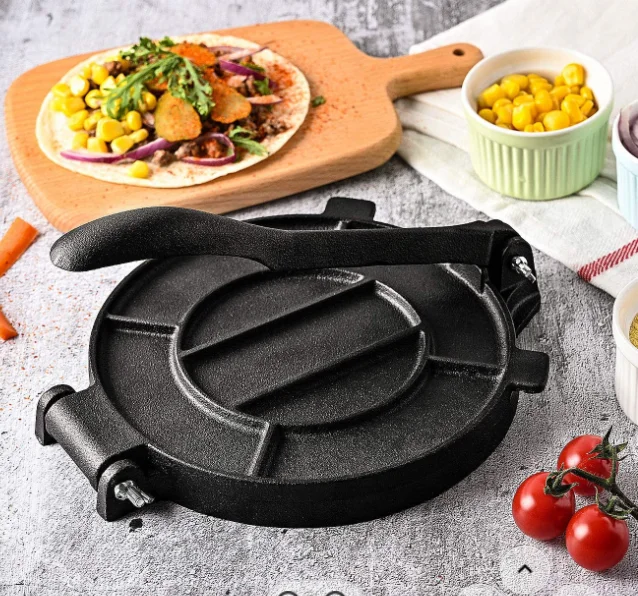
Pour a small amount of oil onto a paper towel or cloth. Rub it over every surface of the press, including the top, bottom, sides, and handle. Wipe off any excess—too much oil can cause sticky spots instead of a smooth finish. The goal is a barely-there sheen, not a greasy coating.
3. Prepare the Oven
Preheat your oven to 450°F (230°C). Place a sheet of aluminum foil or a baking tray on the lower rack to catch any oil drips. This helps keep your oven clean during the process.
4. Bake the Press
Set the oiled cast iron press upside down on the middle rack of the oven. This prevents excess oil from pooling on the cooking surface. Bake for 1 hour. The high heat bonds the oil to the iron, forming a hard, protective layer.
5. Cool and Repeat if Needed
After an hour, turn off the oven and let the press cool inside. This gradual cooling helps the seasoning set. For best results, repeat the oiling and baking process 2–3 times, especially if your press is new or has been stripped of old seasoning.
Tips for Maintaining Your Seasoned Cast Iron Press
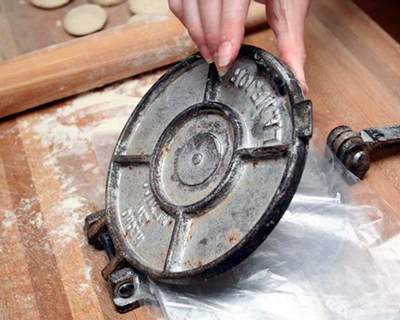
Once your press is seasoned, keeping it in top shape is simple. Here are some practical maintenance tips:
- Clean after each use with a dry brush or cloth. Avoid soaking in water or using harsh detergents.
- Dry thoroughly after cleaning to prevent rust.
- Reapply oil lightly if the surface looks dry or dull.
- Store in a dry place with the lid slightly open to allow air circulation.
- For stuck-on food, use a plastic scraper or a bit of coarse salt as a gentle abrasive.
If you notice the surface becoming sticky, patchy, or rusty, simply repeat the oven seasoning steps. For more on using your press for different recipes, check out how to use a tortilla press for samosa skins.
Common Mistakes to Avoid When Seasoning
Even with the best intentions, it’s easy to make mistakes during the seasoning process. Here are some pitfalls to watch out for:
- Using too much oil: This leads to a sticky, uneven coating. Always wipe off excess before baking.
- Skipping the cleaning step: Residue or moisture can cause poor seasoning and even rust.
- Not heating long enough: Under-baking prevents the oil from bonding to the iron.
- Using the wrong oil: Stick to neutral, high-smoke-point oils for the best results.
- Not repeating the process: One layer is rarely enough for new or stripped presses.
How Often Should You Reseason?
How frequently you need to reseason depends on how often you use your press and what you cook. If you notice food sticking, a dull finish, or any rust spots, it’s time for another round in the oven. For most home cooks, seasoning every few months or after heavy use is sufficient.
Additional Resources and Recipe Ideas
Once your press is perfectly seasoned, you’ll want to put it to good use. For inspiration, see these tips for making tortillas at home and explore creative ways to use your press for different cuisines. If you want to improve your pressing technique, you might also benefit from learning how to adjust your grip on a tortilla press for more power and consistency.
Frequently Asked Questions
What type of oil is best for seasoning a cast iron press?
Choose a neutral oil with a high smoke point, such as flaxseed, grapeseed, canola, or vegetable oil. These oils polymerize well and create a durable, non-stick surface.
Can I season my cast iron press on the stovetop instead of in the oven?
While stovetop seasoning is possible, oven seasoning is more effective for even coverage and thorough polymerization. The oven’s consistent heat ensures all surfaces are treated equally.
How do I fix a sticky or uneven seasoning layer?
If your press feels sticky or has uneven patches, scrub it with a bit of coarse salt and a small amount of oil, then repeat the oven seasoning process. Always use thin layers of oil to avoid this issue.