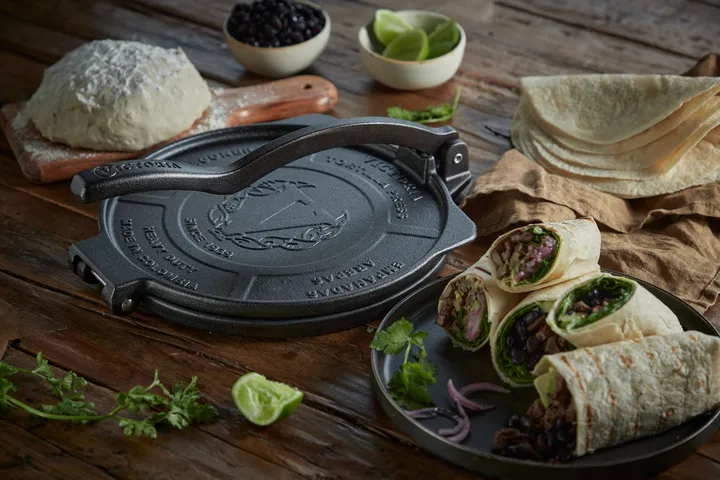
Making homemade tortillas can elevate your fajita night, offering a fresh, flavorful base that store-bought options rarely match. Understanding how to press tortillas for fajitas ensures you get the right texture, flexibility, and size for wrapping your favorite fillings. This guide covers the best tools, techniques, and measurements for pressing perfect tortillas every time, so your next meal is both authentic and delicious.
Whether you’re new to tortilla making or looking to refine your skills, it’s important to know that the process is straightforward but benefits from a few key details. From choosing the right dough to selecting a press and aiming for the ideal diameter, each step plays a role in achieving the soft, pliable tortillas that make fajitas so satisfying.
For those interested in exploring other tortilla-pressing techniques, our resource on how to press tortillas for chilaquiles offers additional tips and methods that can be adapted for different dishes.
Choosing the Right Press for Fajita Tortillas
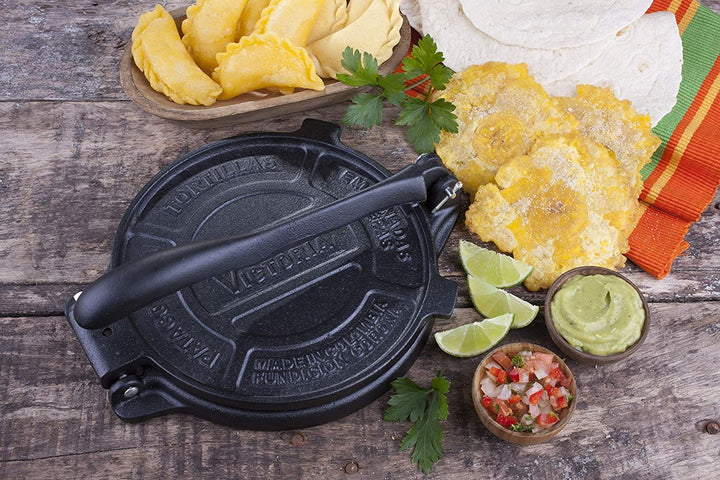
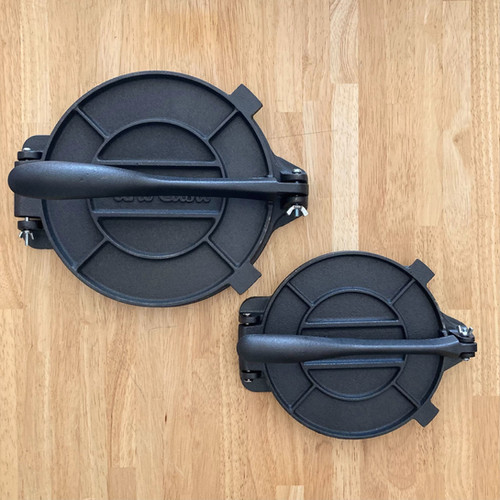
One of the first steps in pressing tortillas for fajitas is selecting a suitable tortilla press. While rolling pins can work, a dedicated press delivers even thickness and consistent results with less effort. Cast iron presses are especially popular for their durability and ability to apply uniform pressure, but aluminum and wooden options are also available.
When choosing a press, consider the following:
- Size: For fajitas, a press that can handle 8-inch tortillas is ideal. This size fits most standard presses and is perfect for wrapping grilled vegetables, chicken, or steak.
- Weight: Heavier presses make flattening dough easier, requiring less manual force.
- Maintenance: Cast iron presses need occasional seasoning to prevent rust and sticking. For tips on this, see our article on how to season a cast iron press in the oven.
Preparing the Dough for Pressing
The quality of your dough directly impacts the final tortilla. For fajitas, both corn and flour tortillas are popular, but flour tortillas are more common due to their flexibility and mild flavor. Here’s what you need to know:
- Flour Tortillas: Use all-purpose flour, a bit of fat (like lard, shortening, or oil), salt, and warm water. Knead until smooth and let the dough rest for at least 20 minutes to relax the gluten, which helps with pressing and prevents shrinkage.
- Corn Tortillas: Use masa harina and water. Let the dough rest for 10-15 minutes before dividing into balls.
Divide the dough into balls weighing about 40–50 grams each for 8-inch tortillas. Keeping the dough covered with a damp towel prevents drying out while you work.
Step-by-Step: How to Press Tortillas for Fajitas
To achieve the best results, follow these steps for pressing tortillas specifically for fajita wraps:
- Prepare the Press: Place a sheet of parchment or plastic wrap on both sides of the press to prevent sticking. This also makes transferring the tortillas easier.
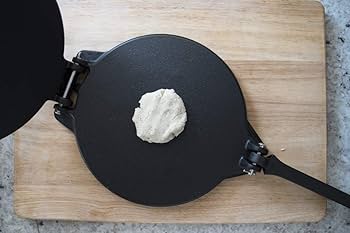
- Shape the Dough Ball: Place a dough ball in the center of the press. Flatten it slightly with your fingers before pressing.
- Press Evenly: Lower the top plate and press down firmly. For fajitas, aim for a tortilla that’s about 8 inches in diameter and around 2 mm thick. This size is perfect for wrapping fillings without tearing.
- Check Thickness: Open the press and check the tortilla. If it’s too thick, press again gently. If it’s too thin, use a slightly larger dough ball next time.
- Remove Carefully: Lift the tortilla using the parchment or plastic, then transfer to a hot, dry skillet for cooking.
For more tips on using a tortilla press, see this comprehensive guide to tortilla press techniques.
Ideal Size and Thickness for Fajita Tortillas
The classic tortilla for fajitas is about 8 inches (20 cm) in diameter. This size balances portability and the ability to hold plenty of fillings. Thickness should be consistent—about 2 mm—so the tortilla is soft, flexible, and doesn’t crack when folded.
Pressing to the right size is easier with a well-calibrated press. If you’re using a smaller press, you may need to rotate and press the dough twice to reach the desired diameter. Always use even pressure to avoid thin spots that can tear during cooking or serving.
Cooking and Storing Your Pressed Tortillas
Once pressed, tortillas should be cooked immediately on a hot, ungreased skillet or comal. Cook each side for 30–45 seconds, or until light brown spots appear and the tortilla puffs slightly. Stack cooked tortillas in a towel to keep them warm and pliable.
For storing, let tortillas cool completely, then place in a sealed bag. They can be refrigerated for up to a week or frozen for longer storage. Reheat on a skillet or in the microwave wrapped in a damp towel to restore softness.
Common Problems and Solutions When Pressing Tortillas
- Tortillas Stick to the Press: Use parchment or plastic wrap. If sticking persists, lightly oil the surfaces or adjust dough hydration.
- Tortillas Too Thick or Small: Use less dough or press more firmly. Practice helps you find the right dough ball size for your press.
- Edges Crack: Dough may be too dry. Add a teaspoon of water at a time and knead until smooth.
- Tortillas Tear When Wrapping: They may be too thin or overcooked. Adjust pressing pressure and reduce cooking time slightly.
Maintaining Your Tortilla Press
Proper care ensures your press lasts for years. Clean after each use, especially if working with doughs containing fat. For cast iron models, dry thoroughly and apply a light coat of oil to prevent rust. For more on keeping your press in top shape, check out our guide on how to maintain the hinge on a cast iron press.
FAQ
What Is the Best Size for Fajita Tortillas?
The ideal diameter for fajita tortillas is about 8 inches. This size is large enough to hold generous fillings but still easy to handle and fold.
Can I Use a Rolling Pin Instead of a Press?
Yes, a rolling pin can be used, but it’s harder to achieve even thickness and a perfect circle. A press makes the process faster and more consistent, especially for beginners.
How Do I Prevent My Tortillas from Sticking to the Press?
Always use parchment or plastic wrap on both sides of the dough. If sticking continues, try dusting the dough with a little flour or lightly oiling the press surfaces.
Should I Use Corn or Flour Tortillas for Fajitas?
Both are traditional, but flour tortillas are more commonly used for fajitas because they are softer and more flexible, making them easier to wrap around fillings.
How Thick Should My Tortillas Be?
For fajitas, tortillas should be about 2 mm thick. This thickness ensures they are sturdy enough to hold fillings but remain soft and pliable.