
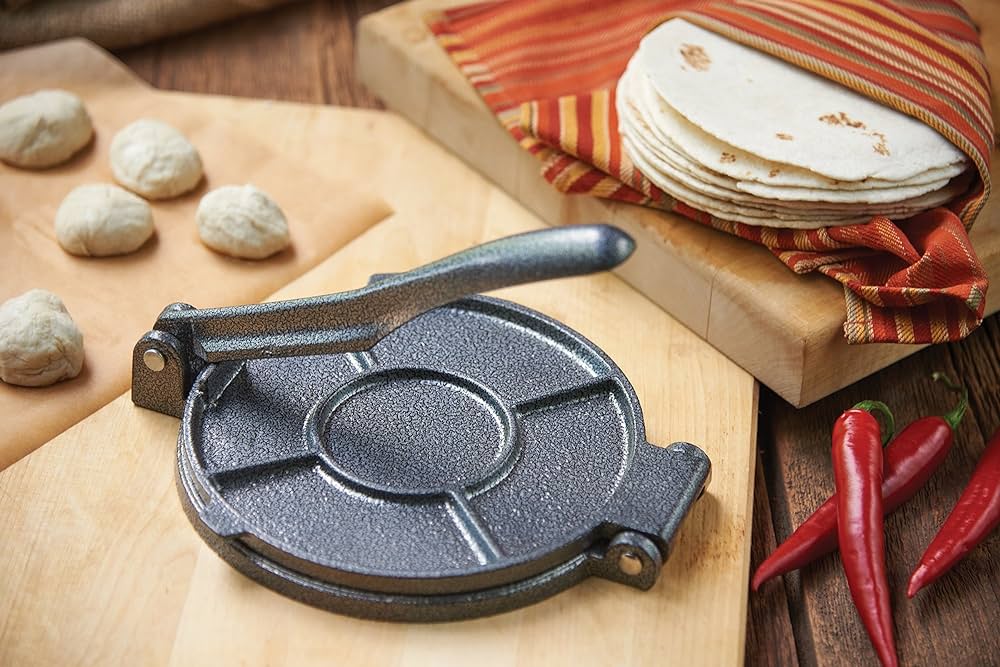
A tortilla press is an essential kitchen tool for anyone who loves making homemade tortillas, flatbreads, or even dumpling wrappers. Over time, however, even the best presses can become sticky and accumulate stubborn residue from dough, oil, or seasoning. If you’ve noticed your press isn’t working as smoothly as before, learning how to clean a sticky tortilla press is crucial for maintaining its performance and ensuring food safety.
Proper cleaning not only extends the life of your press but also prevents flavors from transferring between batches. Whether your press is made of cast iron, aluminum, or another material, the right cleaning technique makes a big difference. In this article, you’ll find step-by-step instructions, safety tips, and answers to common questions about keeping your tortilla press in top condition.
If you’re interested in learning more about tortilla press care, you might also find this guide on how to season a cast iron press in the oven helpful. Proper seasoning can prevent future stickiness and make cleaning easier.
Why Tortilla Presses Get Sticky
Even with careful use, tortilla presses can develop a sticky surface. This is often caused by:
- Dough residue that dries and hardens on the plates
- Oil buildup from seasoning or cooking sprays
- Improper cleaning after use, allowing food particles to accumulate
- Exposure to moisture, which can lead to rust or tacky spots on cast iron presses
Understanding these causes helps you prevent and address stickiness effectively.
Essential Supplies for Safe Cleaning
Before you start, gather the following items:
- Soft sponge or non-abrasive scrub pad
- Mild dish soap (for aluminum or non-seasoned presses)
- Warm water
- Clean, dry towels
- Plastic scraper or spatula (for stubborn residue)
- Paper towels
- Food-grade mineral oil (for cast iron presses)
Avoid using steel wool or harsh chemicals, especially on seasoned or cast iron presses, as these can strip protective layers and damage the surface.
Step-by-Step Guide: Cleaning a Sticky Tortilla Press
Follow these steps to safely remove residue and restore your press’s smooth surface:
1. Disassemble If Possible
If your press allows, gently separate the plates or remove any detachable parts. This makes it easier to reach all surfaces.
2. Remove Loose Debris
Use a dry paper towel or a soft brush to wipe away any loose flour, dough, or crumbs from the plates and hinges.
3. Address Stubborn Residue
For sticky spots, dampen a soft sponge with warm water. Gently scrub the affected areas. If needed, use a plastic scraper to lift off hardened bits. For aluminum or non-seasoned presses, a drop of mild dish soap can help break down grease.
For cast iron presses, avoid soap. Instead, use only warm water and a non-abrasive pad. If residue persists, sprinkle a small amount of coarse salt on the surface and scrub gently. Salt acts as a natural abrasive without damaging the seasoning.
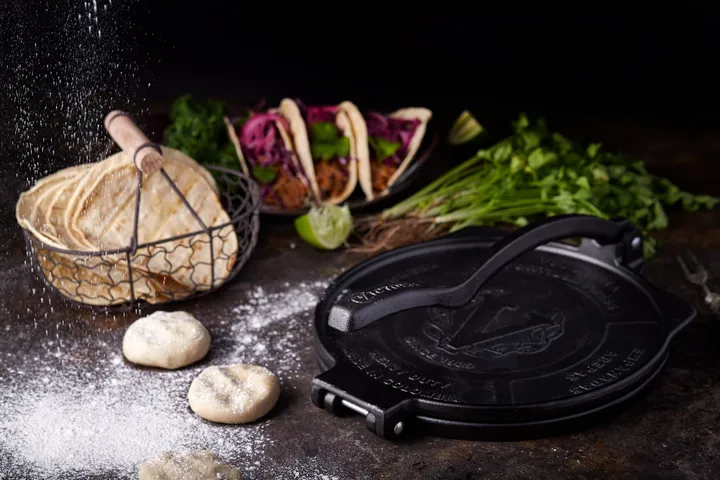
4. Rinse and Dry Thoroughly
Wipe the plates with a clean, damp cloth to remove any soap or salt residue. Dry every part completely with a towel. For cast iron, it’s important to dry immediately to prevent rust.
5. Re-Season If Needed
If your cast iron press looks dull or patchy after cleaning, apply a thin layer of food-grade mineral oil. Rub it in with a paper towel, then buff off any excess. This step helps maintain the non-stick surface and protects against moisture.
For more detailed instructions on seasoning, see our article on how to season a cast iron press in the oven.
6. Reassemble and Store Properly
Once dry and seasoned, reassemble your press. Store it in a dry place, preferably with the plates slightly open to allow air circulation and prevent moisture buildup.
Tips for Preventing Future Stickiness
- Always use parchment or plastic sheets between dough and plates to minimize direct contact
- Wipe down your press after each use to remove flour and oil
- Never soak cast iron presses in water
- Season regularly if using a cast iron model
- Store in a cool, dry area away from humidity
If you’re using your press for different types of dough, consider cleaning it between uses to prevent cross-contamination and flavor transfer.

Special Considerations for Different Materials
Not all tortilla presses are created equal. Here’s how to adapt your cleaning routine based on the material:
- Cast Iron: Never use soap or soak in water. Clean with warm water and a scrub pad, dry immediately, and re-season as needed.
- Aluminum: Mild dish soap and water are safe. Avoid abrasive pads to prevent scratching.
- Non-Stick Coated: Use only soft sponges and avoid metal utensils or harsh cleaners.
For more on keeping your press in top shape, check out tips on how to maintain the hinge on a cast iron press for smooth operation.
Common Mistakes to Avoid
- Using steel wool or abrasive cleaners on seasoned or non-stick surfaces
- Leaving the press wet, which can cause rust or corrosion
- Skipping regular seasoning for cast iron models
- Applying too much oil, leading to sticky buildup
- Ignoring hinge maintenance, which can cause sticking or uneven pressing
For more do’s and don’ts, see this comprehensive guide to cleaning your cast iron tortilla press.
Related Resources
- For tips on getting perfect tortillas every time, see how to press tortillas for chilaquiles.
- If you’re making tortillas for fajitas, this size guide for pressing tortillas can help you achieve the ideal thickness.
- Want to try something different? Learn how to use a tortilla press for samosa skins for thin, even wrappers.
Frequently Asked Questions
Can I use soap to clean my cast iron tortilla press?
It’s best to avoid soap on cast iron, as it can strip away the seasoning that protects the surface. Instead, use warm water and a non-abrasive scrub pad. For stubborn residue, try scrubbing with coarse salt. If you accidentally use soap, re-season the press before your next use.
What should I do if my press is still sticky after cleaning?
If stickiness persists, check for leftover oil or dough in hard-to-reach areas. Re-clean with a damp cloth and dry thoroughly. For cast iron, apply a thin coat of food-grade mineral oil and heat the press briefly to restore the seasoning. Avoid over-oiling, as excess oil can become tacky.
How often should I clean my tortilla press?
Wipe down your press after every use to prevent buildup. Deep cleaning is recommended every few uses or whenever you notice residue or stickiness. Regular maintenance keeps your press working smoothly and extends its lifespan.
Is it safe to put my tortilla press in the dishwasher?
Most tortilla presses, especially cast iron and non-stick models, should not be placed in the dishwasher. The high heat and detergents can damage the surface and cause rust or warping. Always hand wash and dry your press thoroughly.
Conclusion
Keeping your tortilla press clean and residue-free is simple with the right approach. By following these steps and maintaining a regular cleaning routine, you’ll enjoy smooth pressing and delicious homemade tortillas for years to come. Remember to use parchment or plastic sheets, avoid harsh cleaners, and season your cast iron press as needed. With a little care, your tortilla press will remain a reliable tool in your kitchen.




