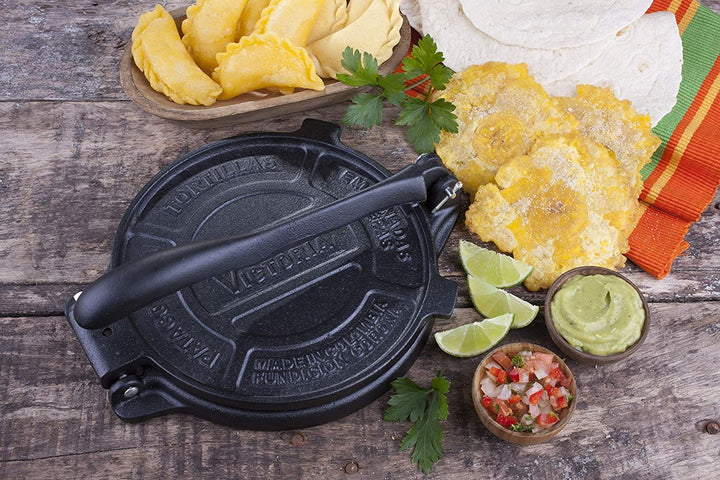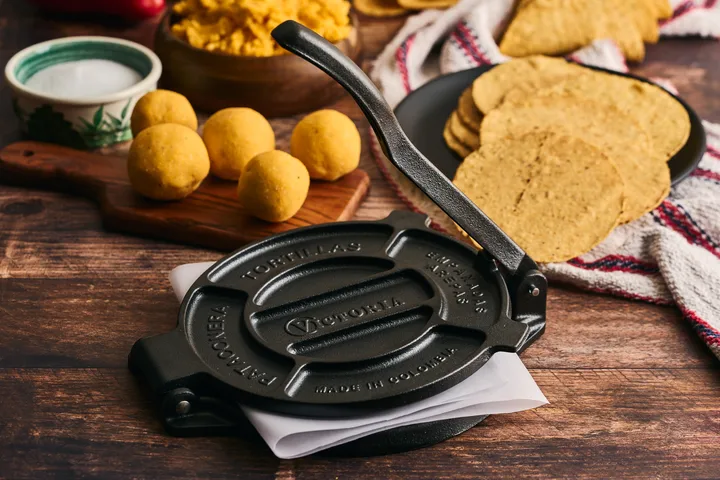
Cast iron presses are valued in home and professional kitchens for their durability and ability to deliver even, consistent results when making tortillas, smash burgers, or pressing other foods. However, their substantial weight and solid construction demand careful handling to ensure both user safety and the longevity of the tool. Understanding how to handle a heavy cast iron press safely can help prevent accidents, protect your countertops, and keep your press in top condition for years of use.
In this guide, you’ll find practical advice on lifting, using, cleaning, and storing a cast iron press, along with tips for safe operation and maintenance. If you’re interested in learning more about preparing tortillas, you may also want to explore how to press tortillas for chilaquiles for additional kitchen insights.
Why Cast Iron Presses Require Special Care
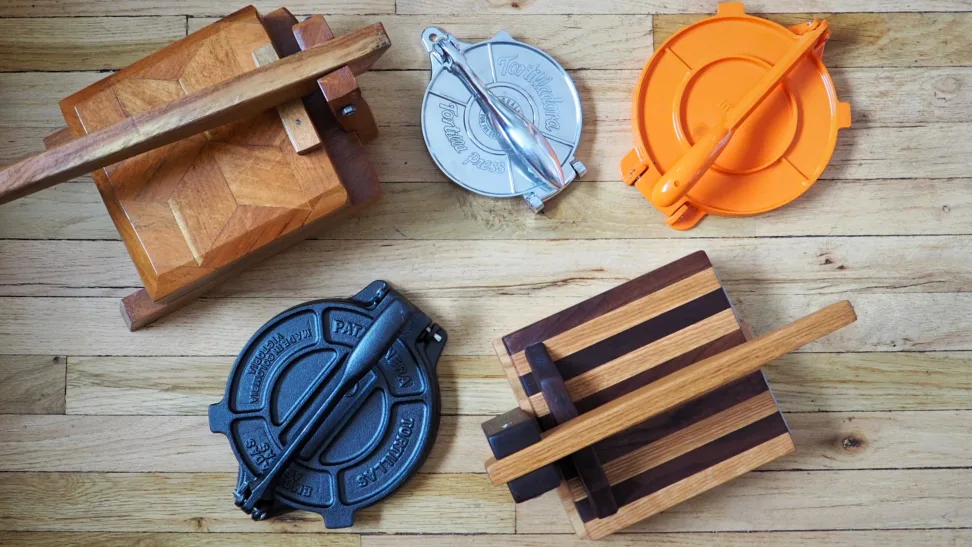
Cast iron presses can weigh several pounds, making them much heavier than aluminum or plastic alternatives. Their weight is an advantage for pressing dough evenly, but it also means that improper handling can lead to dropped presses, pinched fingers, or damaged surfaces. Being mindful of the press’s heft and balance is the first step toward safe and effective use.
- Weight distribution: Cast iron presses are often top-heavy when open. Always support both the base and the handle when moving or adjusting the press.
- Surface protection: Placing a heavy press on a fragile or uneven surface can cause chips, cracks, or even breakage. Use a sturdy, flat countertop or a thick cutting board as a buffer.
- Pinch points: The hinge and pressing surfaces can easily pinch fingers if not handled carefully. Always keep hands clear when lowering the top plate.
Safe Lifting and Placement Techniques
Proper lifting is essential when working with heavy kitchen equipment. Here are some best practices for safe handling of a cast iron press:
- Use both hands: Always grip the base with one hand and the handle or side with the other. This provides better control and reduces the risk of dropping the press.
- Lift close to your body: Keep the press near your torso as you move it. This minimizes strain on your arms and back.
- Set down gently: Lower the press slowly onto your work surface to avoid damaging countertops or causing loud impacts.
- Check for stability: Before using, ensure the press sits flat and does not wobble. If necessary, place a non-slip mat or damp towel underneath for added security.
Using a Cast Iron Press Without Injury
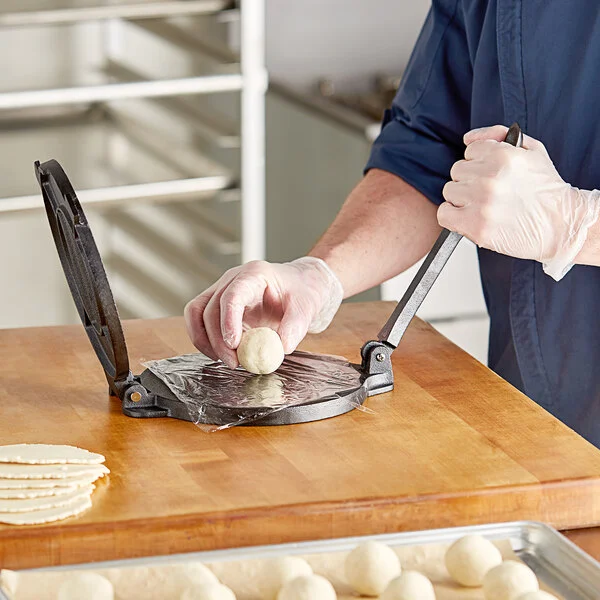
Operating a heavy press involves more than just lifting. To avoid accidents and ensure even results, follow these steps:
- Prepare your dough or food first: Have everything ready before you handle the press to minimize unnecessary movement.
- Open the press fully: Hold the base steady and lift the handle slowly to avoid sudden swings.
- Position food carefully: Place dough or items in the center of the base. Use parchment or plastic wrap to prevent sticking and reduce cleanup.
- Lower the top plate with control: Guide the handle down gently, keeping fingers away from the hinge and pressing surfaces.
- Apply even pressure: Press down firmly but steadily. Avoid sudden force, which can cause the press to shift or slip.
- Open and remove food safely: Lift the handle slowly and use a spatula to remove pressed items, keeping hands clear of the plates.
For more detailed instructions on tortilla pressing, see this helpful resource on how to use a tortilla press effectively.
Cleaning and Maintenance for Safe Handling
Proper cleaning and care not only extend the life of your cast iron press but also make it safer to use. Grease, flour, or dough residue can make the press slippery, increasing the risk of accidents.
- Clean after each use: Wipe down the press with a damp cloth while it is still slightly warm. Avoid using soap, which can strip seasoning from the iron.
- Dry thoroughly: Moisture can cause rust and make the press harder to grip. Dry with a towel and air-dry completely before storing.
- Re-season as needed: If the surface looks dull or food starts sticking, apply a thin layer of oil and heat the press to restore its nonstick properties. For step-by-step guidance, check out how to season a cast iron press in the oven.
- Inspect hinges and handles: Ensure all moving parts are secure and lubricated if necessary. For maintenance tips, refer to how to maintain the hinge on a cast iron press.
Storing Your Cast Iron Press Safely
Where and how you store your press can impact both safety and convenience. Here are some recommendations for safe storage of a heavy cast iron press:
- Choose a low, stable shelf: Avoid storing the press overhead, where it could fall or be difficult to retrieve.
- Keep out of reach of children: Due to its weight, a cast iron press should not be accessible to young children.
- Store with plates closed: Keeping the press closed prevents dust buildup and accidental pinching.
- Use a protective liner: Place a towel or silicone mat underneath to protect shelves and make sliding the press easier.
Additional Tips for Everyday Safety
- Wear closed-toe shoes: In case the press slips, your feet will be protected from injury.
- Keep your workspace clear: Remove clutter and spills before using the press to avoid slips and drops.
- Communicate in shared kitchens: Let others know when you’re using heavy equipment to prevent accidental bumps or interference.
- Check for damage: Inspect your press regularly for cracks, chips, or loose parts that could compromise safety.
If you’re exploring different uses for your press, such as making samosa skins, see how to use a tortilla press for samosa skins for more ideas.
FAQ
What should I do if my cast iron press feels slippery?
If your press feels slippery, it may have oil, grease, or food residue on the surface. Wipe it down with a damp cloth and dry thoroughly before use. Avoid using excessive oil during seasoning, and always handle with dry hands.
Can I use a cast iron press on a glass countertop?
It’s best to avoid placing a heavy press directly on glass surfaces, as the weight can cause cracks or chips. Use a thick cutting board or silicone mat as a buffer to protect the countertop.
How do I prevent rust on my cast iron press?
To prevent rust, always dry your press completely after cleaning. Store it in a dry place and re-season as needed. If you notice rust spots, scrub gently with a non-abrasive pad and reapply a thin layer of oil before heating.
Conclusion
Mastering how to handle a heavy cast iron press safely is essential for anyone who enjoys making homemade tortillas, smash burgers, or other pressed foods. By following the lifting, usage, cleaning, and storage tips outlined above, you can protect yourself and your kitchen while getting the most out of your cast iron tool. For more specialized guidance, you might also want to read about how to press tortillas for fajitas and other related kitchen techniques. With the right approach, your cast iron press will remain a reliable and safe companion for countless meals to come.