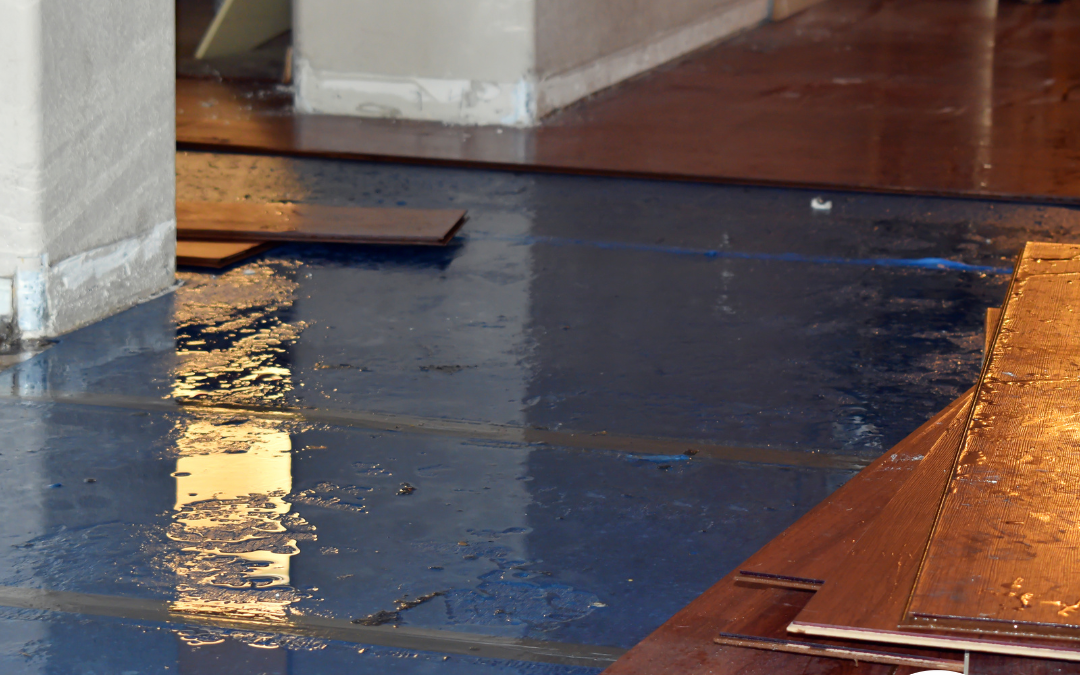
Water damage in the attic can go unnoticed for months, leading to costly repairs and even health hazards like mold growth. Learning how to inspect attic for water damage is essential for homeowners who want to protect their property and maintain a safe living environment. This guide covers the most effective ways to identify signs of moisture, what tools you need, and how to address issues before they escalate.
Regular attic checks can save you money and stress. Along with the steps outlined here, consider exploring other home maintenance topics, such as how to store a cast iron press long term, to keep your entire home in top shape.
Why Attic Moisture Is a Serious Problem
Unchecked water intrusion in the attic can compromise your home’s structure and air quality. Moisture can rot wood, damage insulation, and create an ideal environment for mold and mildew. Over time, this can weaken your roof, increase energy costs, and even cause electrical hazards if wiring is affected.
Addressing attic leaks early is far less expensive than repairing major damage later. That’s why understanding the signs of attic water damage and knowing how to perform a thorough inspection is so important.
Essential Tools for a Thorough Inspection
Before you begin, gather these basic tools to make your inspection more effective:
- Flashlight: A bright, focused beam helps you see into dark corners and behind insulation.
- Moisture meter: This tool measures the moisture content in wood and drywall, revealing hidden leaks.
- Protective gear: Wear gloves, a dust mask, and long sleeves to protect yourself from insulation fibers and potential mold.
- Notepad or phone: Document any issues you find for future reference or to share with a contractor.
Step-by-Step Guide to Checking Your Attic for Leaks
Follow these steps to identify potential water issues in your attic:
-
Inspect the Roof Decking
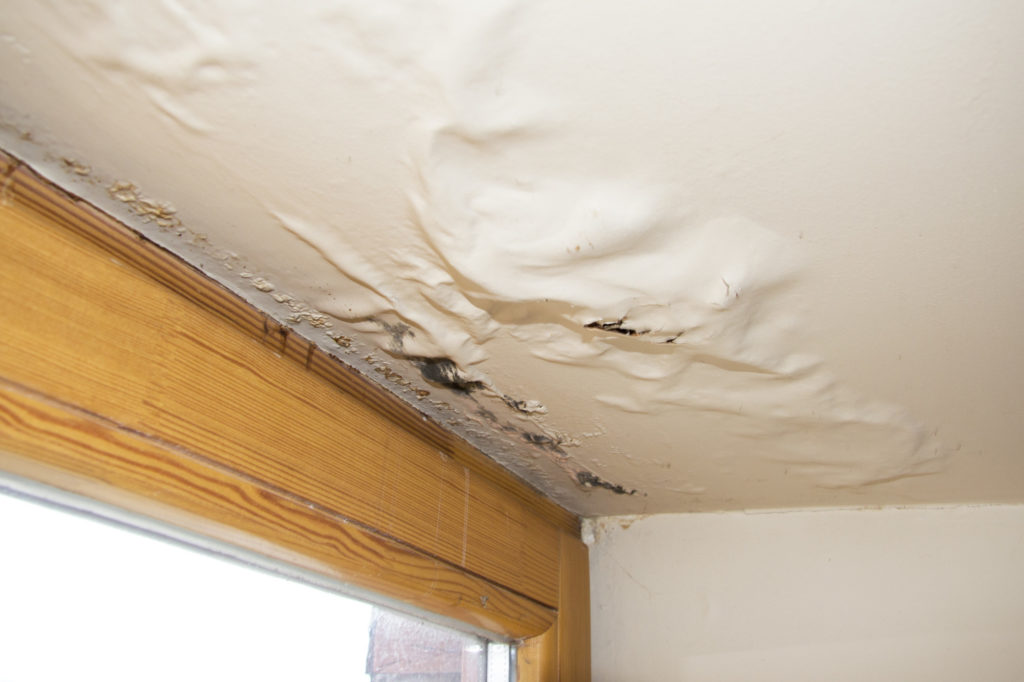
Look for dark stains, discoloration, or warped wood on the underside of the roof. These are classic signs of moisture intrusion. -
Check Insulation
Wet or compressed insulation loses its effectiveness and can harbor mold. Gently touch the insulation in several areas to check for dampness. -
Look for Mold or Mildew
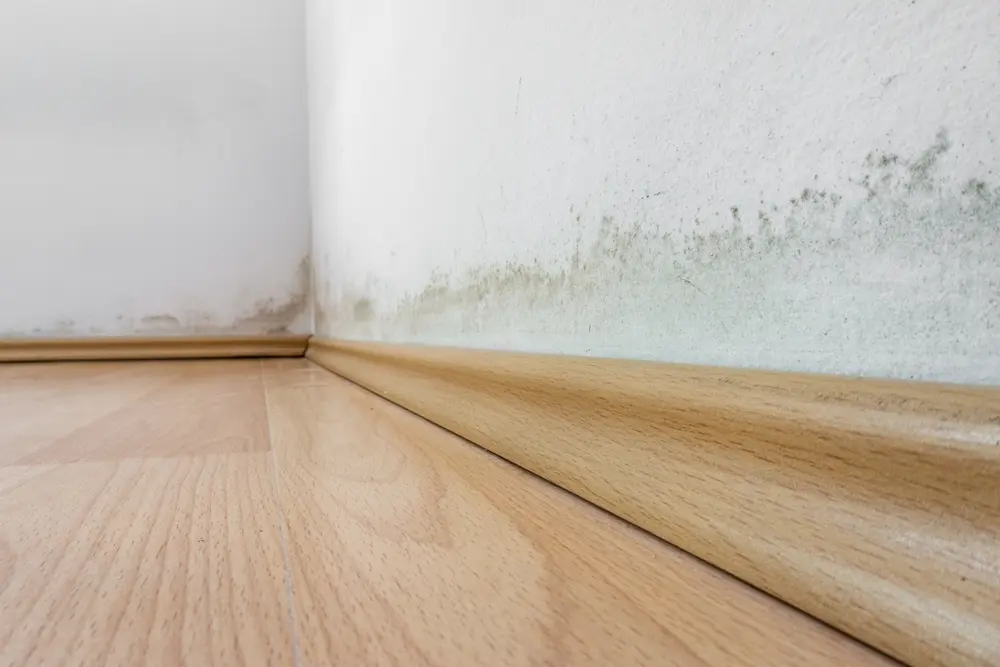
Black, green, or white patches on wood or insulation indicate a moisture problem. Mold often has a musty odor. -
Examine Rafters and Joists
Water stains, rot, or soft spots in wood framing are red flags. Use a moisture meter for a more accurate assessment. -
Inspect Around Vents and Chimneys
These areas are common leak points. Check for gaps, rust, or water stains around flashing and vent pipes. -
Assess Attic Vents
Poor ventilation can cause condensation, leading to moisture buildup. Make sure vents are clear and functioning. -
Look for Dripping or Pooled Water
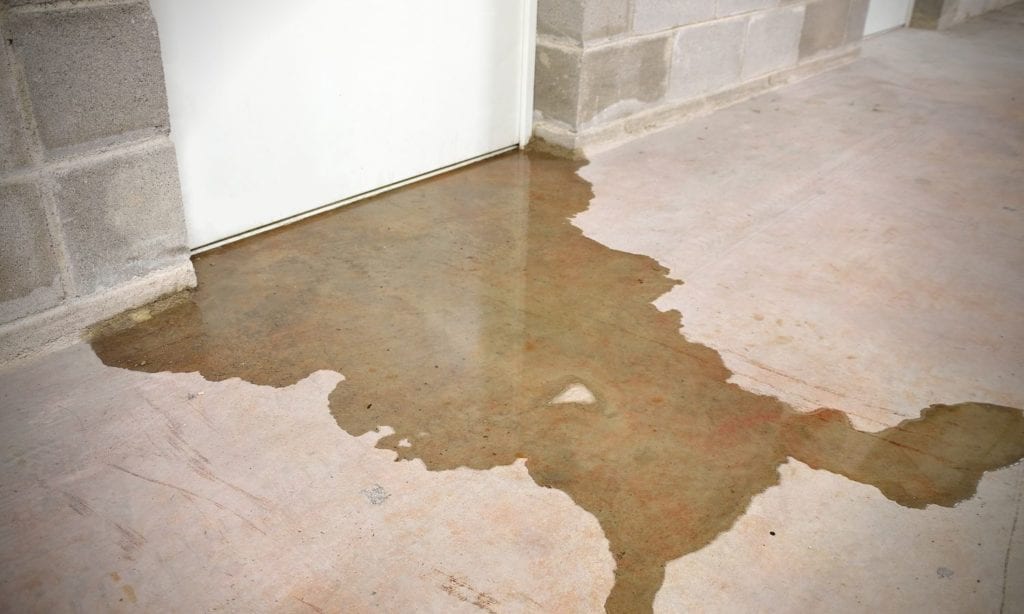
After heavy rain, check for active leaks or puddles on the attic floor.

Common Causes of Attic Water Issues
Understanding what leads to attic leaks helps prevent future problems. Some typical causes include:
- Damaged or missing shingles: Even a small gap in roofing material can let water seep in.
- Poor flashing installation: Flashing around chimneys, vents, and skylights must be properly sealed.
- Clogged gutters: Overflowing gutters can force water under the roof edge and into the attic.
- Ice dams: In cold climates, ice buildup on the roof can trap water and cause leaks.
- Condensation: Inadequate ventilation allows warm, moist air to condense on cooler surfaces.
What to Do If You Find Water Damage
If you spot signs of moisture or leaks, act quickly to minimize harm:
- Identify and stop the source: Trace water stains back to their origin. Repair damaged shingles, flashing, or vents as needed.
- Dry out the area: Use fans or a dehumidifier to remove excess moisture. Remove and replace any wet insulation.
- Address mold promptly: Small patches can be cleaned with appropriate cleaners and protective gear. For extensive mold, consult a professional.
- Monitor for recurring issues: After repairs, check the attic regularly to ensure the problem is resolved.
For more technical details on water intrusion and remediation, refer to this comprehensive guide to water damage in homes.
Preventative Tips for Attic Moisture Control
Prevention is always better than repair. Here are some strategies to keep your attic dry and healthy:
- Inspect your roof and attic at least twice a year, especially after major storms.
- Keep gutters and downspouts clear to ensure proper drainage away from your home.
- Seal any gaps around chimneys, vents, and skylights with high-quality caulk or flashing.
- Ensure attic vents are unobstructed and provide adequate airflow.
- Consider installing a vapor barrier if condensation is a recurring issue.
- Use leak detectors for early warning of plumbing or roof leaks.
When to Call a Professional
While many attic inspections can be done by homeowners, certain situations require expert help:
- Extensive or hidden mold growth
- Structural damage to rafters or roof decking
- Persistent leaks that are difficult to trace
- Electrical hazards from water exposure
A qualified contractor can assess the situation, recommend repairs, and ensure your attic is safe and dry.
FAQ
How often should I check my attic for leaks?
It’s best to inspect your attic at least twice a year—once in the spring and again in the fall. Additional checks are recommended after heavy rain, snow, or windstorms.
What are the first signs of water damage in the attic?
Early indicators include water stains on wood or insulation, a musty smell, visible mold, and damp or compressed insulation. Regularly looking for these signs helps catch problems early.
Can I fix minor attic leaks myself?
Many small leaks can be addressed by homeowners, such as sealing gaps or replacing a few shingles. However, if you find mold, structural damage, or can’t locate the source, it’s wise to consult a professional.
By following these steps and staying vigilant, you can protect your home from the costly consequences of attic moisture. For more home care advice, explore related topics like how to press tortillas for gorditas de azucar and keep your living space in excellent condition.