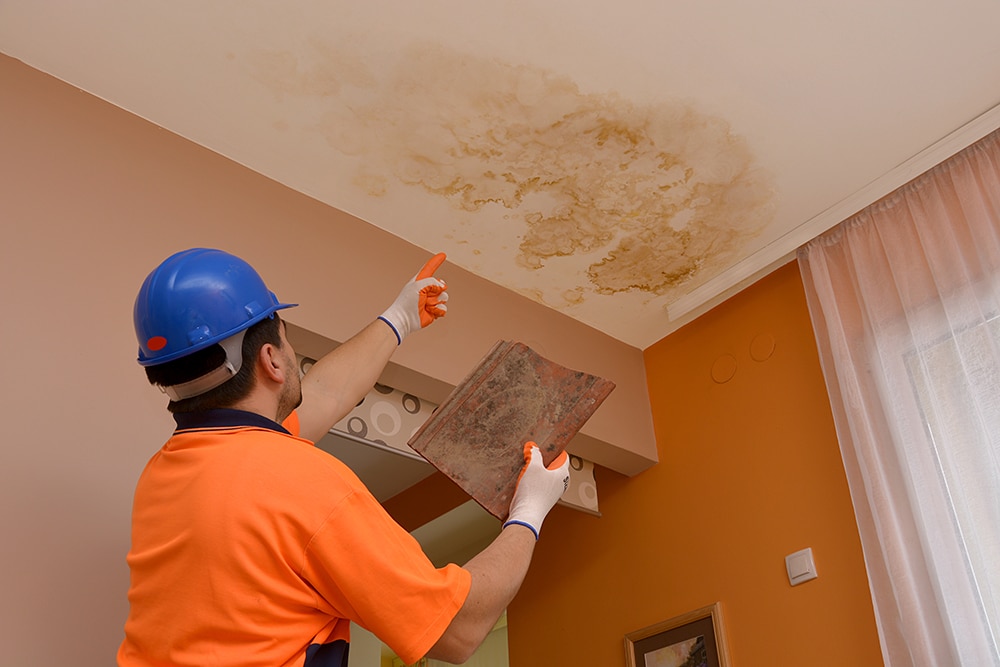
Water intrusion in your home’s walls can lead to costly repairs, structural issues, and even health risks if left unchecked. Detecting signs of water damage in walls as soon as possible is essential for preventing further deterioration and minimizing expenses. Many homeowners are unaware of the subtle indicators that moisture is seeping into their walls, which can allow problems to escalate unnoticed.
This guide will help you recognize the most common symptoms of wall water damage, understand why early detection matters, and provide practical advice for inspecting your home. By learning what to look for and how to respond, you can protect your property and maintain a safe, healthy living environment.
If you’re interested in broader strategies for safeguarding your home, you might also find value in resources that discuss how to prevent water damage from household fixtures.
Why Early Detection of Wall Moisture Is Crucial
Spotting wall water damage at an early stage can save you from extensive repairs and health hazards. Moisture trapped inside walls can weaken structural components, promote mold growth, and compromise insulation. Over time, these issues can lead to expensive restoration projects and even affect the resale value of your home.
Addressing leaks or seepage quickly also helps prevent secondary problems, such as electrical hazards or pest infestations. By staying vigilant and acting promptly, you can avoid the headaches and costs associated with advanced water damage.
Common Visual and Physical Indicators of Wall Water Damage
Recognizing the early signs of water damage in walls often involves careful observation. Here are the most frequent warning signals to watch for:
- Discoloration or Stains: Brown, yellow, or dark patches on walls often indicate moisture has penetrated the surface.
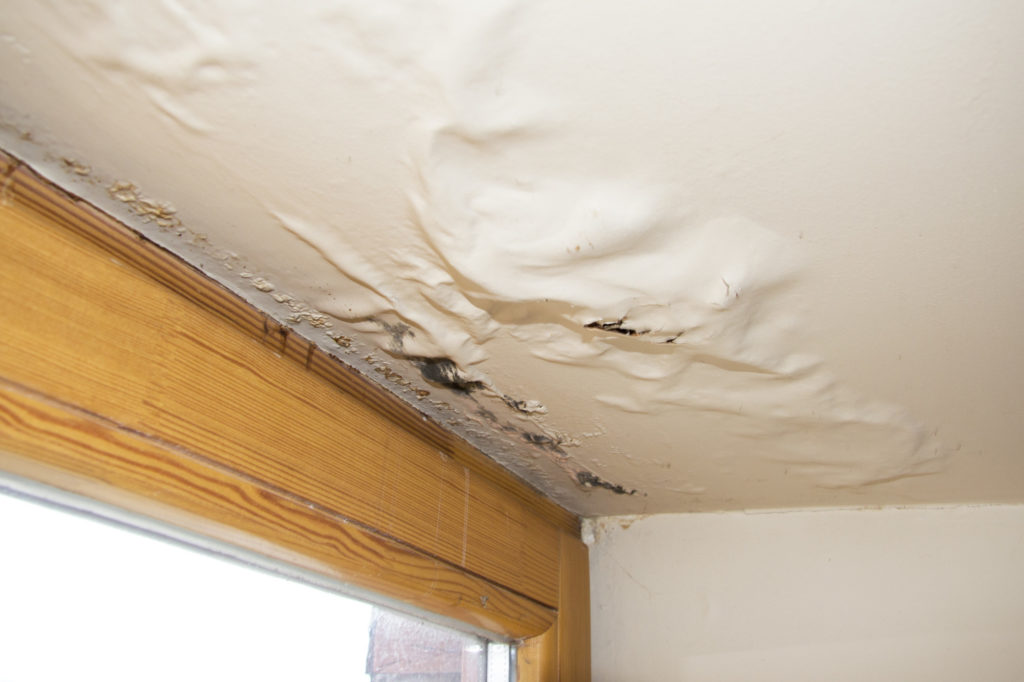
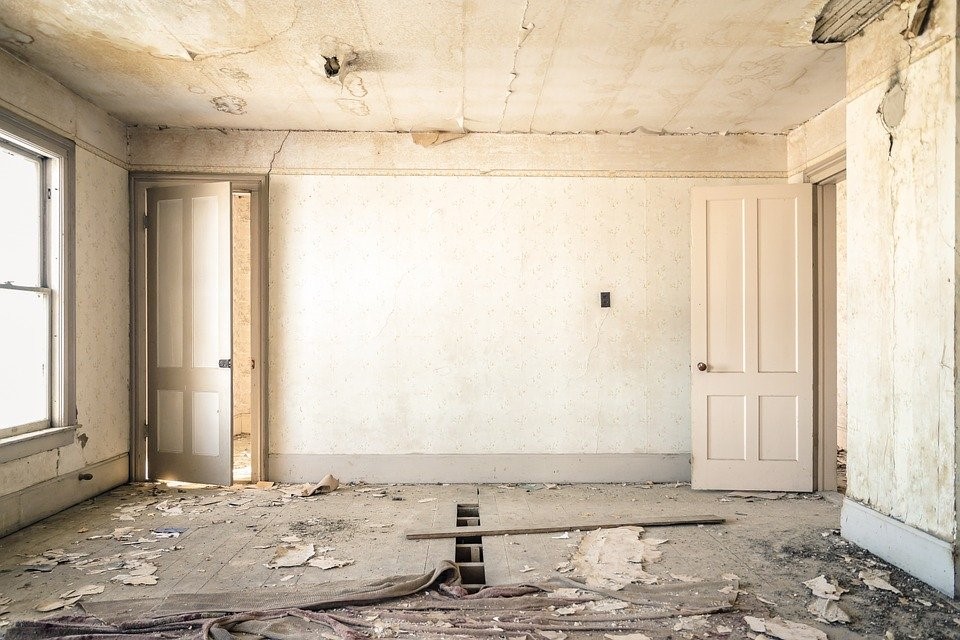
- Peeling or Bubbling Paint/Wallpaper: Water behind the wall can cause paint or wallpaper to lose adhesion, resulting in bubbles, flakes, or peeling sections.
- Warped or Swollen Walls: Drywall or plaster may bulge, warp, or feel soft to the touch if saturated with water.
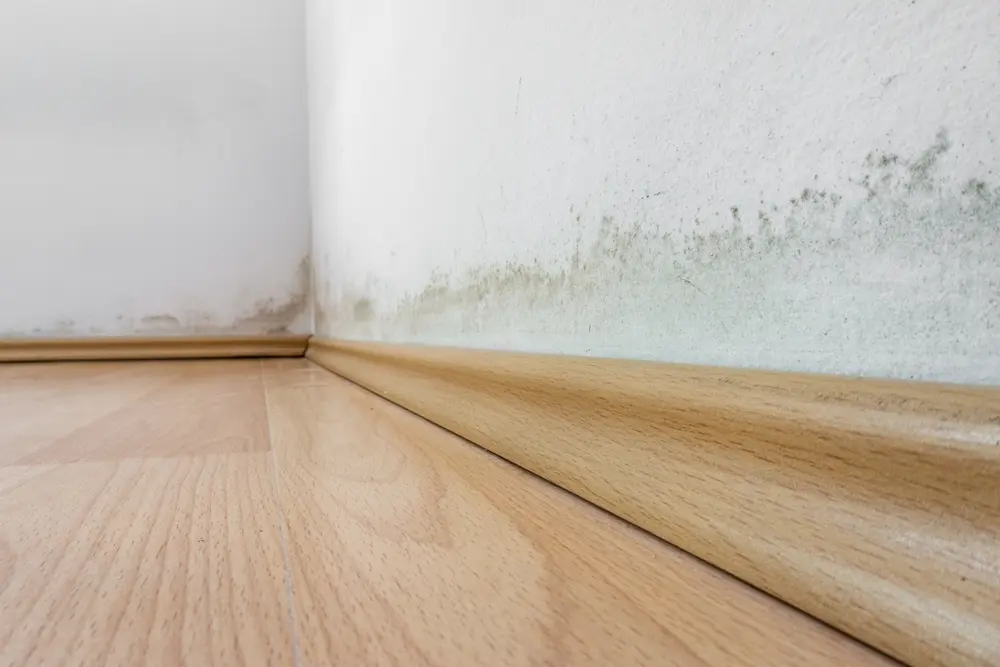
- Mold or Mildew Growth: Visible spots of green, black, or white mold signal persistent dampness and should be addressed immediately.
- Musty Odors: A persistent, earthy smell can suggest hidden moisture and microbial growth inside walls.
- Cracked or Deteriorating Plaster: Water can weaken plaster, leading to cracks, crumbling, or powdery residue.
- Unexplained Increases in Utility Bills: Leaks within walls may cause your water usage to spike unexpectedly.
How to Inspect for Hidden Moisture in Walls
Not all water damage is visible on the surface. Sometimes, leaks or condensation occur behind walls, making detection more challenging. Here are practical steps for a thorough inspection:
- Check for Temperature Differences: Run your hand along the wall. Damp areas often feel cooler than surrounding dry sections.
- Tap and Listen: Gently tap on the wall. Hollow or soft sounds may indicate water-damaged drywall or plaster.
- Use a Moisture Meter: These affordable devices can measure the moisture content inside walls, helping you pinpoint problem spots.
- Look for Condensation: In basements or bathrooms, condensation on walls may signal poor ventilation and excess humidity.
- Inspect Baseboards and Flooring: Swollen, warped, or stained baseboards and floors adjacent to walls can be a clue that water is present.
Typical Causes of Wall Water Damage
Understanding the root causes behind wall moisture issues can help you prevent future problems. Some of the most common sources include:
- Leaking Roofs: Damaged shingles, flashing, or gutters can allow rainwater to seep down into walls.
- Plumbing Leaks: Pipes running inside walls may develop leaks due to corrosion, freezing, or loose fittings.
- Condensation: Poor insulation or ventilation can lead to condensation buildup, especially in bathrooms and kitchens.
- Cracks in Exterior Walls: Gaps or cracks in siding, brickwork, or stucco can let water penetrate the wall cavity.
- Faulty Windows or Doors: Improperly sealed windows and doors can allow rain or groundwater to enter.
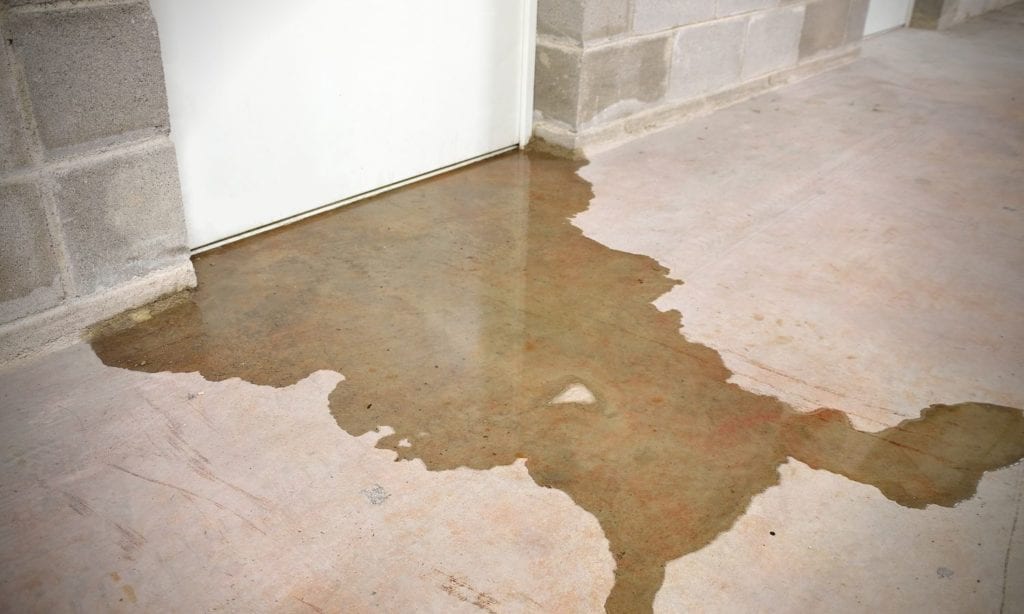
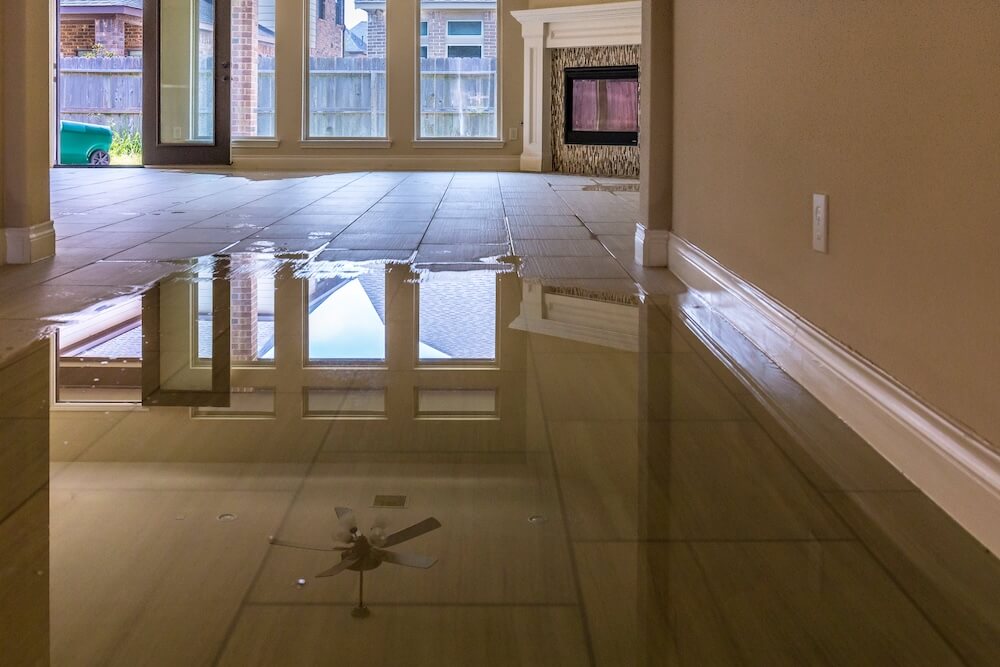
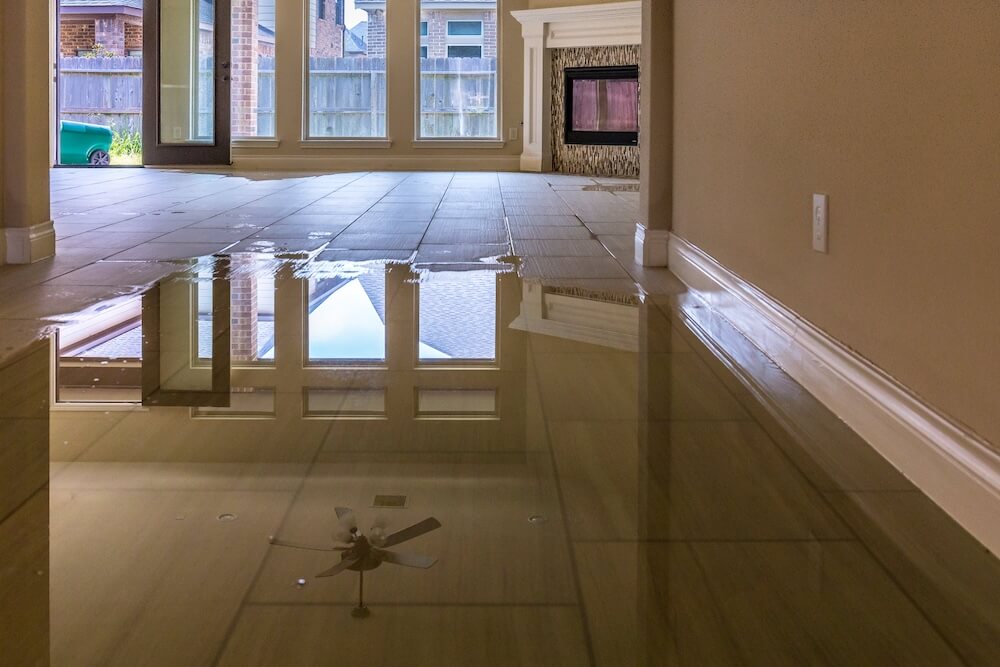
- Flooding or Storm Damage: Severe weather events can introduce large amounts of water into wall systems.
What to Do If You Find Water Damage in Your Walls
If you discover any of the warning signs described above, it’s important to act quickly. Here are the recommended steps:
- Identify and Stop the Source: Locate the origin of the moisture—whether it’s a leaking pipe, roof, or window—and address it immediately.
- Dry the Area: Use fans, dehumidifiers, and ventilation to dry out affected walls as soon as possible.
- Remove Damaged Materials: Severely affected drywall, insulation, or wood may need to be removed and replaced to prevent mold growth.
- Disinfect and Treat for Mold: Clean the area with appropriate solutions to kill mold spores and prevent recurrence.
- Consult Professionals: For extensive damage or if you’re unsure about the extent, contact a water damage restoration specialist.
Prevention Tips for Avoiding Wall Moisture Issues
Proactive maintenance can help you avoid the headaches of hidden leaks and moisture. Consider these strategies:
- Inspect your roof, gutters, and downspouts regularly for signs of wear or blockage.
- Seal cracks and gaps in exterior walls, windows, and doors.
- Install leak detectors near plumbing fixtures and appliances.
- Maintain proper ventilation in bathrooms, kitchens, and laundry rooms.
- Monitor your water bill for unexplained increases.
- Address any plumbing issues promptly, even minor drips or leaks.
Frequently Asked Questions
How can I tell if water damage is old or new?
Fresh water damage usually feels damp or soft to the touch and may have a musty odor. Older damage often appears as dry, crumbly, or discolored patches, sometimes accompanied by mold growth. If you’re unsure, a moisture meter can help determine the current moisture level inside the wall.
Is it safe to live in a house with water-damaged walls?
Prolonged exposure to moisture can lead to mold, which may cause respiratory issues and allergic reactions. Structural damage is also a concern. It’s best to address the problem quickly and consult professionals if you suspect extensive damage or mold.
Can I repair water-damaged walls myself?
Minor damage, such as small stains or peeling paint, can often be handled with DIY repairs. However, if you find widespread mold, soft drywall, or structural issues, it’s safer to hire a professional to ensure proper remediation and prevent further problems.