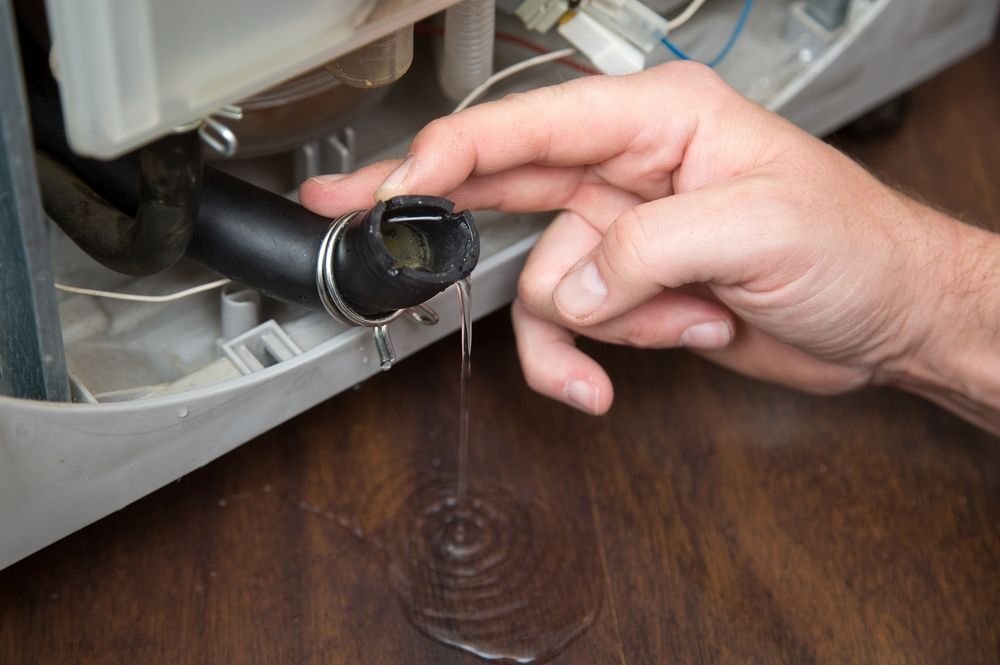
Keeping your living space free from excess moisture is crucial for protecting your property and ensuring a healthy environment. Unchecked water issues can lead to costly repairs, mold growth, and even structural damage. Learning how to maintain a dry home involves proactive steps, regular inspections, and smart upgrades that can make a significant difference in the long run.
Whether you’re a homeowner or a renter, understanding the best practices for moisture control helps prevent headaches down the road. From identifying common sources of leaks to implementing effective drainage solutions, this guide covers practical strategies to keep your residence dry and safe.
If you want to dive deeper into the causes and signs of water issues, check out our article on common causes of water damage for more insights.
Why Moisture Control Matters for Every Home
Excess water can silently undermine your property’s integrity. Moisture not only damages walls, floors, and foundations but also creates a perfect environment for mold and mildew. These problems can impact indoor air quality and even cause health issues for occupants, especially those with allergies or respiratory conditions.
By prioritizing how to maintain a dry home, you’re investing in both the longevity of your property and the well-being of everyone inside.
Common Sources of Water Intrusion
Understanding where water typically enters or accumulates is the first step to effective prevention. Here are some frequent culprits:
- Roof leaks from damaged shingles or flashing
- Clogged gutters that cause overflow and foundation pooling
- Cracks in foundations or basement walls
- Plumbing leaks under sinks, behind walls, or in crawl spaces
- Poor grading that directs water toward the house
- Faulty window or door seals
- Condensation from inadequate ventilation
Spotting these issues early is key. For tips on recognizing hidden leaks, see our resource on early signs of water leaks.
Routine Inspections: The Foundation of a Dry Home
Regular checks are essential for catching problems before they escalate. Here’s what to include in your inspection routine:
- Examine the roof for missing or damaged shingles after storms.
- Clear gutters and downspouts at least twice a year to prevent blockages.
- Inspect basement and crawl space walls for cracks or damp spots.
- Check under sinks, around toilets, and behind appliances for leaks.
- Test sump pumps annually to ensure they’re working properly.
- Look for condensation on windows or pipes, which may signal ventilation issues.
Effective Strategies for Keeping Your Home Dry
Once you’ve identified potential risks, implement these proven methods to manage moisture:
- Improve Drainage Around the Foundation: Ensure the ground slopes away from your house. Install or repair downspout extensions to direct water at least 6 feet from the foundation.
- Seal Gaps and Cracks: Use waterproof sealant on foundation cracks, window frames, and door thresholds. Weatherstripping can also help prevent water intrusion during storms.
- Upgrade Ventilation: Install exhaust fans in bathrooms and kitchens. Consider a dehumidifier in basements or other damp-prone areas.
- Maintain Plumbing: Replace old hoses on washing machines and dishwashers. Insulate pipes to prevent condensation and freezing.
- Monitor for Leaks: Smart leak detectors can alert you to hidden water problems before they cause damage.
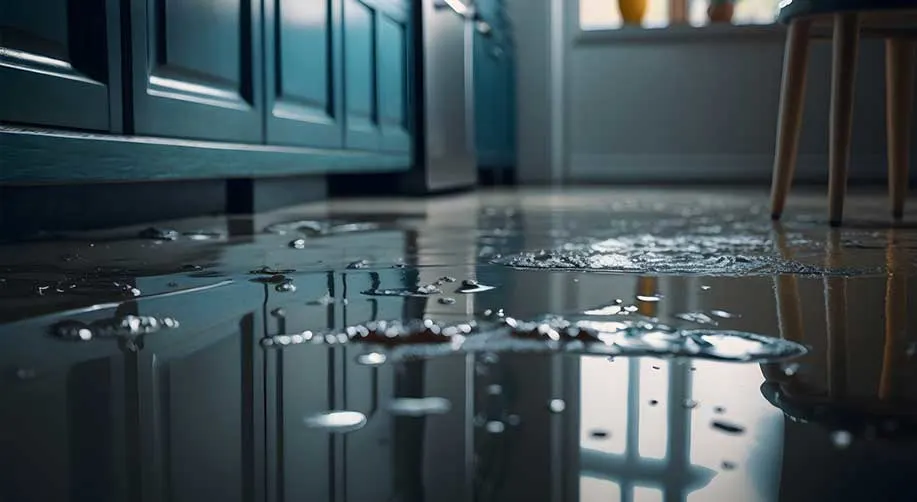
Smart Devices and Modern Solutions
Technology can play a big role in preventing water-related disasters. Installing smart leak sensors in vulnerable areas—like under sinks, near water heaters, or in basements—provides real-time alerts if moisture is detected. Some systems can even automatically shut off your water supply to minimize damage.
For more advanced tips on safeguarding your property, our guide on how to prevent water damage in your home offers additional strategies.
Addressing Water Damage Quickly
Even with the best precautions, accidents can happen. Acting fast is critical if you discover a leak or flooding:
- Shut off the main water supply if a pipe bursts.
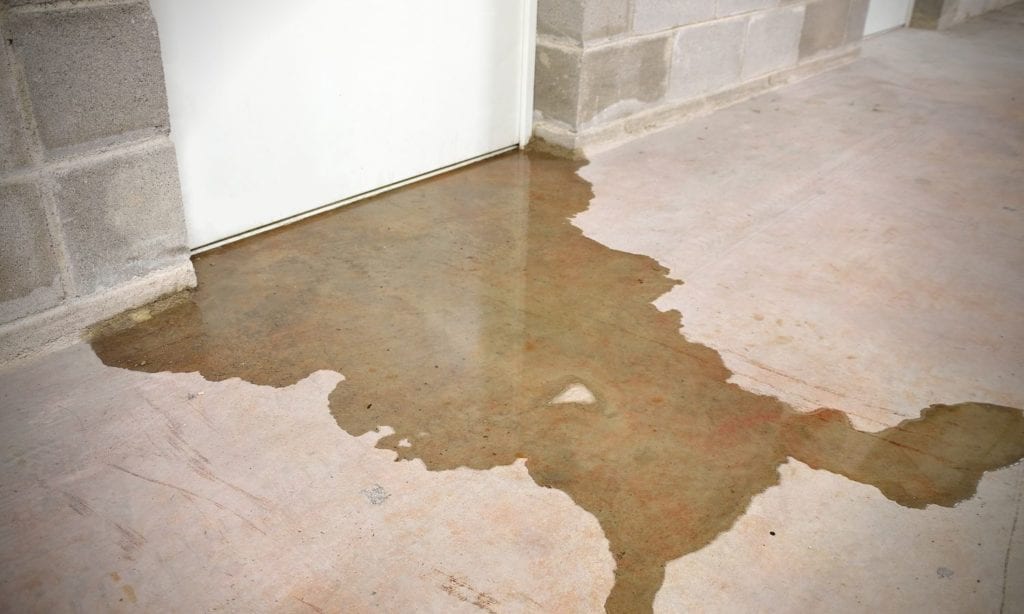
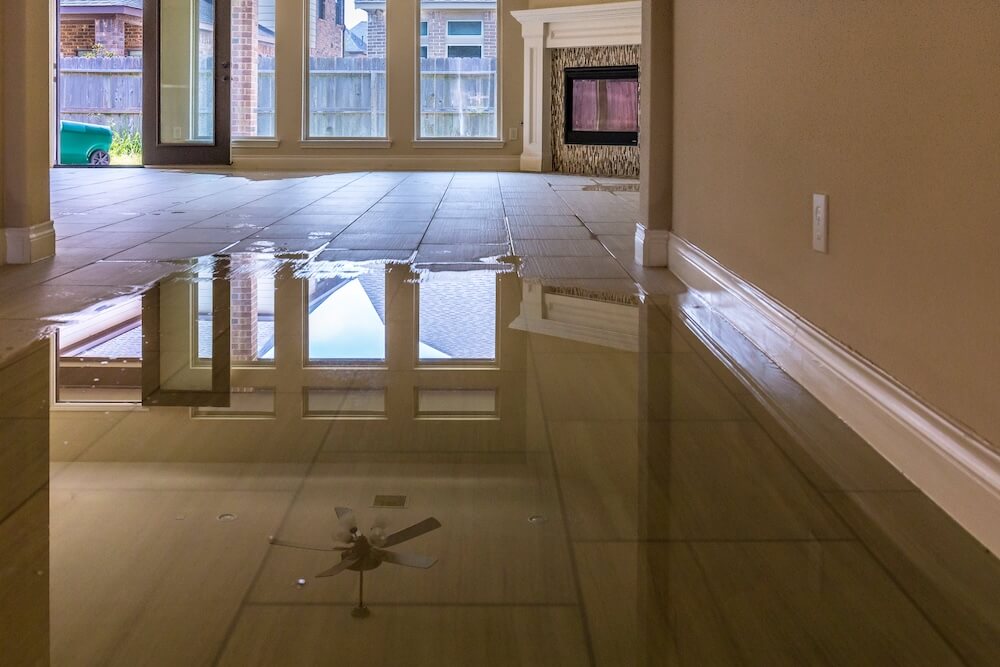
- Remove standing water with a wet/dry vacuum or mop.
- Dry affected areas with fans and dehumidifiers.
- Dispose of water-damaged materials that can’t be salvaged, such as soaked carpets or drywall.
- Contact professionals for large-scale cleanup or if you suspect mold growth.
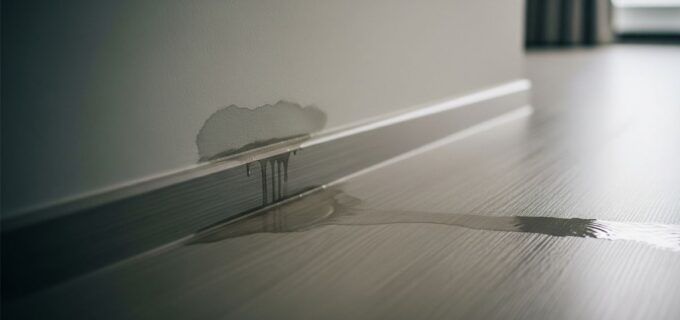
Early detection is vital. Learn how to spot signs of water damage in walls to address issues before they escalate.
Expert Advice and Additional Resources
Consulting with professionals can help you identify vulnerabilities specific to your property. Annual inspections by a licensed plumber or home inspector can reveal hidden risks and suggest tailored solutions.
For more in-depth information, consider reading this comprehensive guide to protecting your home from water damage for expert recommendations and renovation ideas.
Frequently Asked Questions
What are the first signs of moisture problems in a house?
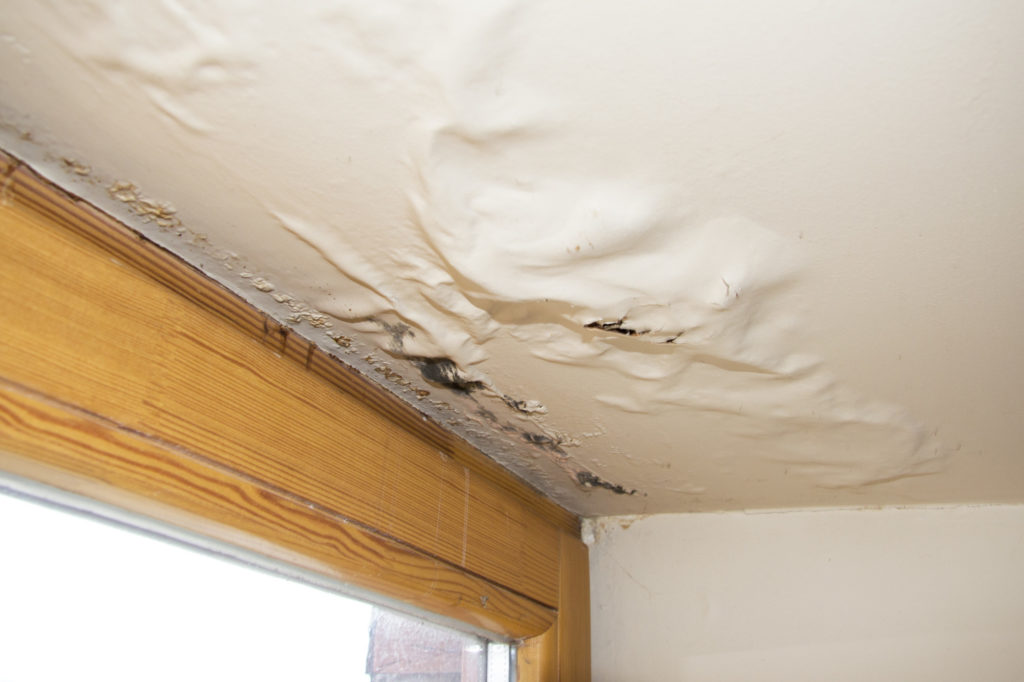
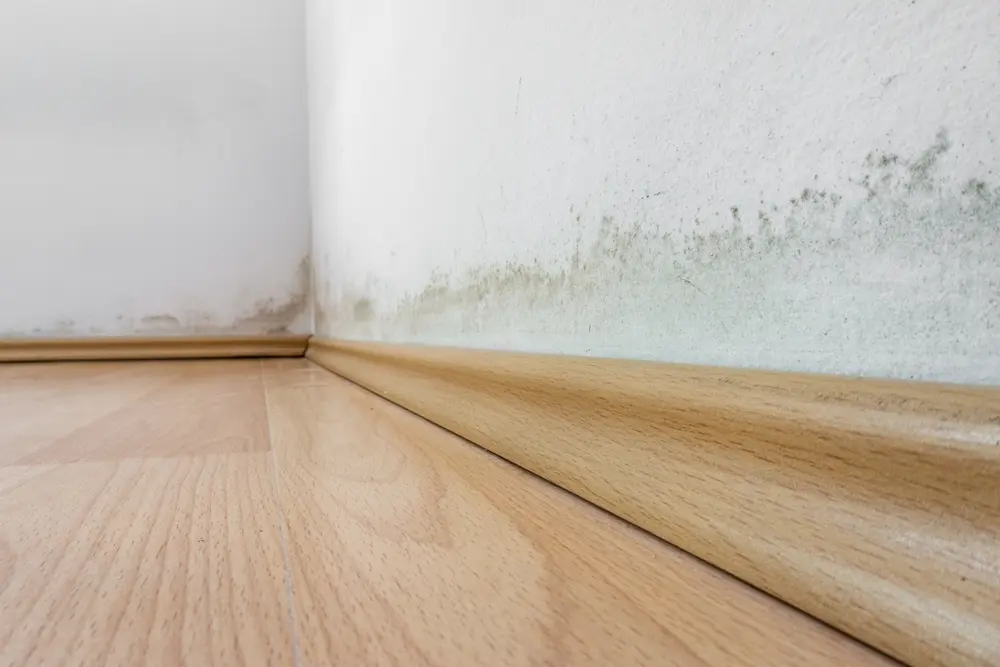
Early indicators include musty odors, visible mold or mildew, peeling paint, water stains on ceilings or walls, and condensation on windows or pipes. Regularly checking these areas can help you catch issues before they worsen.
How often should I inspect my home for water leaks?
It’s best to perform a thorough inspection at least twice a year—ideally in spring and fall. After severe weather events or if you notice any unusual dampness, conduct additional checks.
Are smart leak detectors worth the investment?
Yes, smart leak detectors provide early warnings that can prevent extensive damage and costly repairs. They are especially useful in areas prone to hidden leaks, such as basements, bathrooms, and behind appliances.
What should I do if I find mold after a water leak?
If you discover mold, address the moisture source immediately and remove affected materials if possible. For large or persistent mold problems, consult a remediation specialist to ensure safe and thorough removal.
How can landscaping help prevent water problems?
Proper grading, installing French drains, and choosing plants that absorb excess water can all help direct moisture away from your foundation and reduce the risk of water intrusion.