Protecting your home from water-related issues is essential for maintaining its value, comfort, and safety. Even minor leaks or unnoticed moisture can lead to costly repairs, mold growth, and structural concerns. By following practical strategies and staying vigilant, you can significantly reduce the risk of unexpected water problems. This article compiles the most effective water damage prevention tips for homeowners, helping you safeguard your property year-round.
Proactive maintenance and early detection are key. From inspecting plumbing to understanding the warning signs, homeowners have a range of tools and techniques at their disposal. For a deeper dive into proactive steps, you may also want to explore what to do before water damage happens for additional guidance.
Understanding Why Water Damage Happens
Before diving into prevention, it helps to know the most common causes of water issues in residential settings. Leaky pipes, aging roofs, clogged gutters, malfunctioning appliances, and poor drainage are frequent culprits. Seasonal changes, such as heavy rainfall or freezing temperatures, can also put your home at risk.
Homeowners should familiarize themselves with the common causes of water damage to better anticipate and address vulnerabilities. Early awareness makes it easier to spot potential trouble before it escalates.
Routine Maintenance: The Foundation of Prevention
Consistent upkeep is one of the most effective water damage prevention tips for homeowners. Regular inspections and timely repairs can stop small issues from turning into major headaches.
- Inspect plumbing fixtures: Check under sinks, around toilets, and behind appliances for leaks or corrosion.
- Monitor your water bill: An unexplained increase may signal a hidden leak.
- Test shut-off valves: Ensure you can quickly turn off water in an emergency.
- Clean gutters and downspouts: Remove debris to prevent overflow and foundation seepage.
- Check roof and flashing: Look for missing shingles, cracked seals, or damaged flashing, especially after storms.
Detecting Hidden Leaks and Moisture
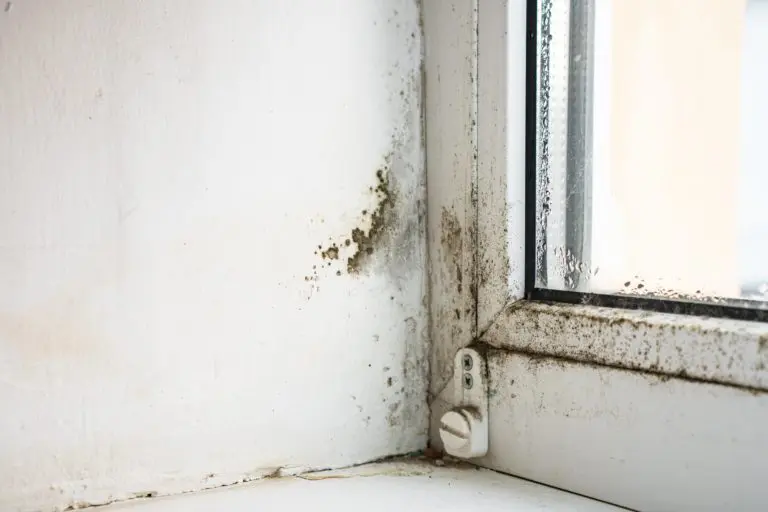
Not all water problems are visible. Hidden leaks behind walls or under floors can go unnoticed for months, causing significant damage. Learning how to spot hidden water damage is crucial for early intervention.
Watch for these warning signs:
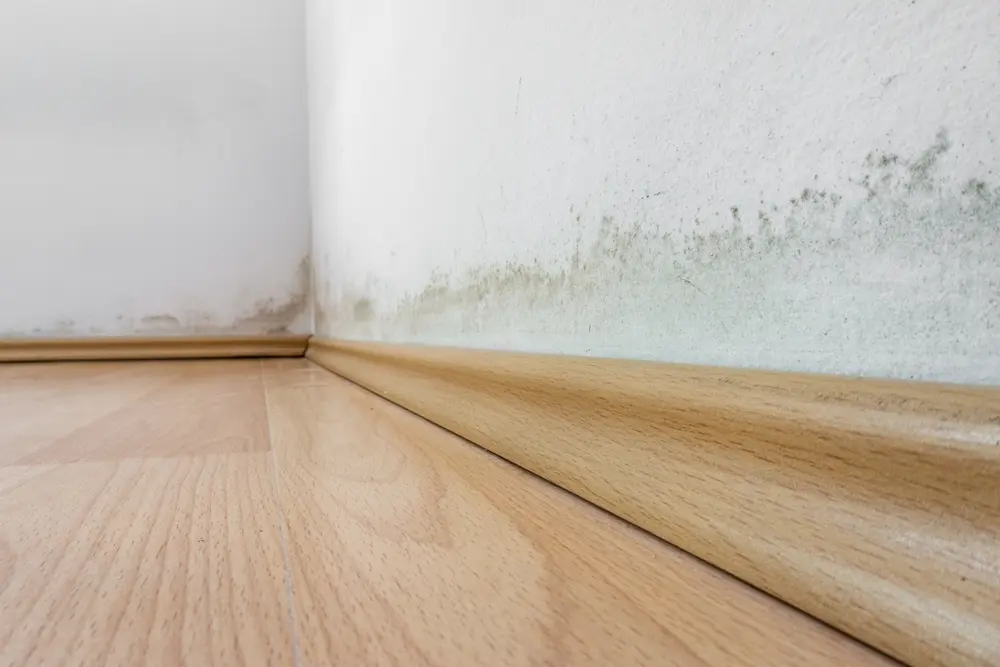
- Musty odors or persistent dampness
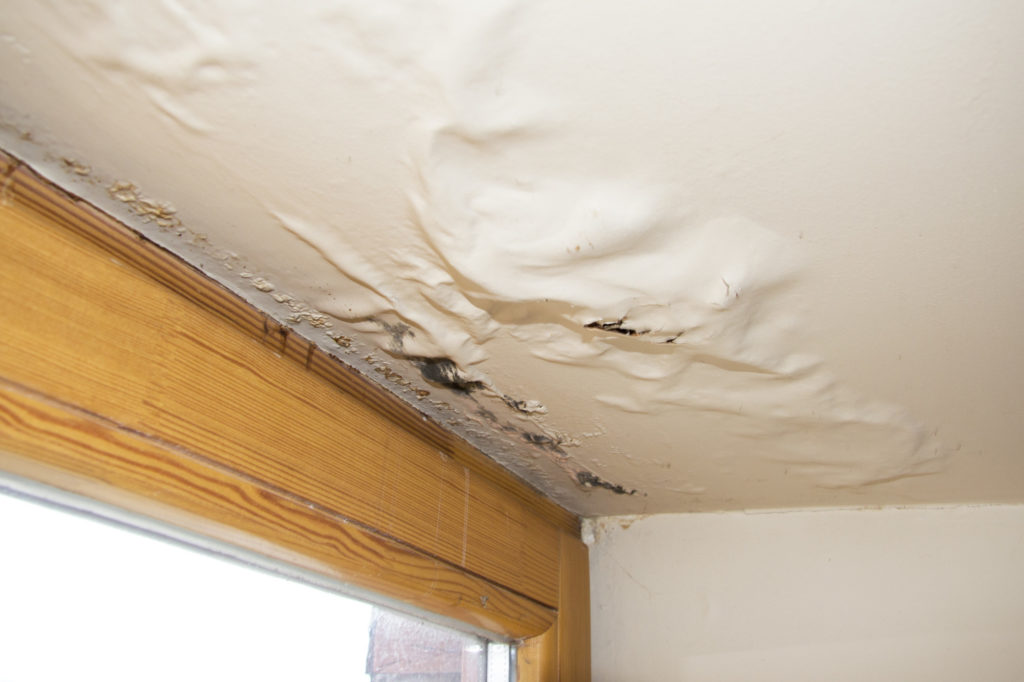
- Discoloration or bubbling paint on walls and ceilings
- Warped flooring or baseboards
- Unexplained mold growth
For more details on identifying issues within your walls, refer to guidance on signs of water damage in walls and how to act quickly.
Smart Devices and Technology for Leak Prevention
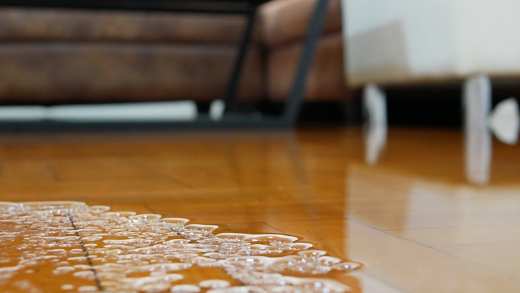
Modern technology offers new ways to protect your home from water-related incidents. Smart leak detectors can alert you to problems before they escalate, even when you’re away. These devices monitor for unusual moisture or flow patterns and send notifications directly to your phone.
- Install leak sensors near water heaters, washing machines, and under sinks.
- Consider automatic shut-off valves that stop water flow if a leak is detected.
- Use smart home systems to integrate water monitoring with other safety features.
Investing in these tools can provide peace of mind and a rapid response to potential threats.
Exterior Protection: Defending Against the Elements
Outdoor maintenance is just as important as what you do inside. Proper landscaping and drainage can prevent water from pooling near your foundation or seeping into basements.
- Grade soil away from your home to direct rainwater runoff.
- Extend downspouts at least five feet from the foundation.
- Seal cracks in exterior walls and foundations to block entry points.
- Maintain sump pumps and test them before wet seasons.
These steps help keep your home dry, even during heavy storms or rapid snowmelt.
Responding Quickly to Minimize Damage
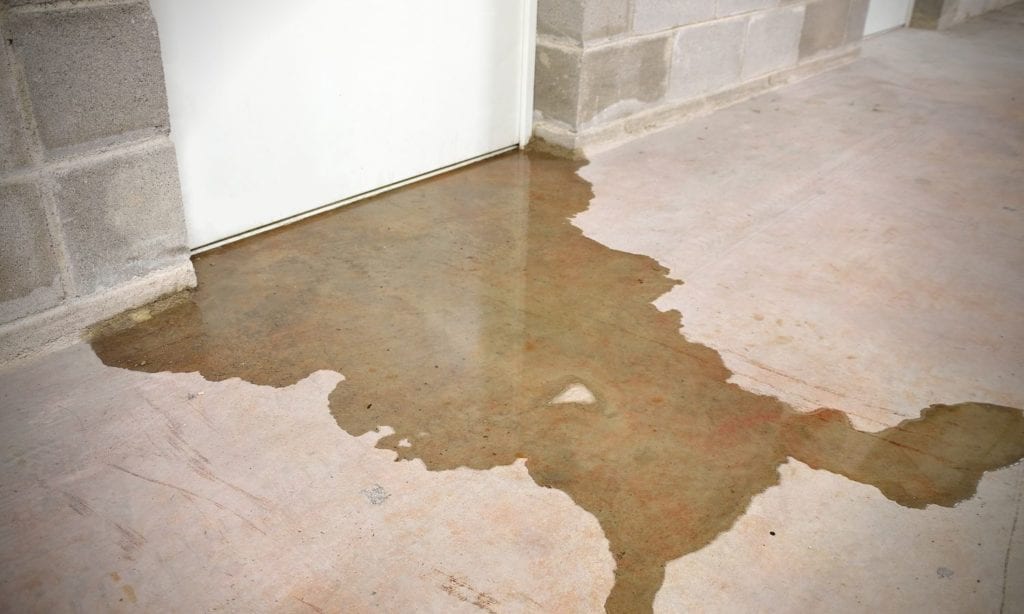
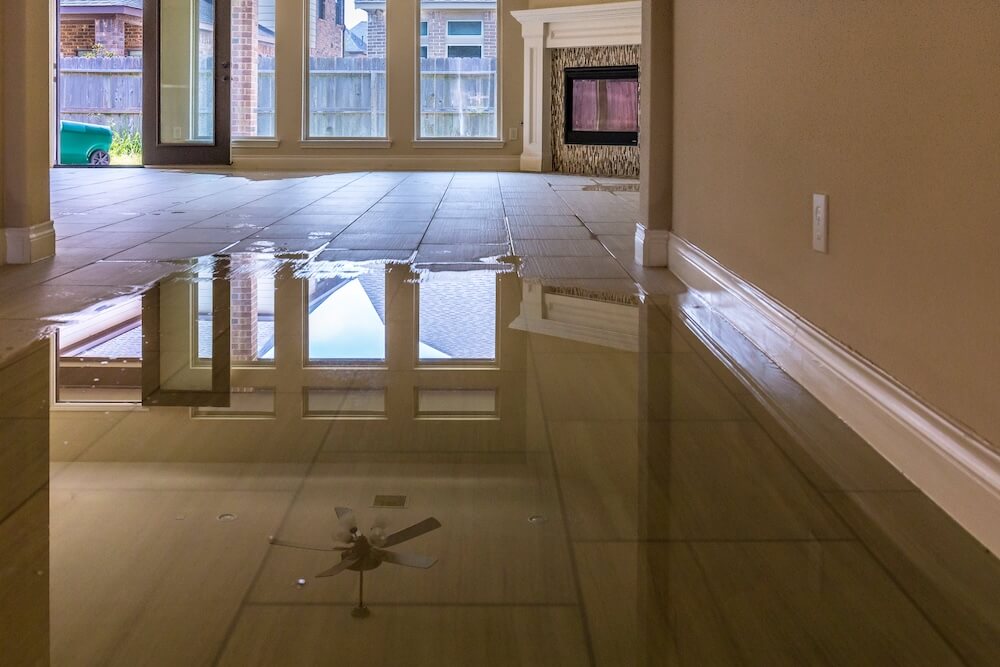
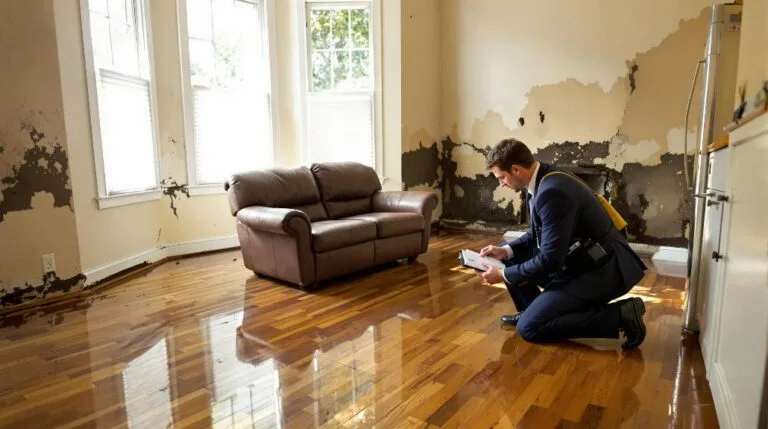
Even with the best precautions, accidents can happen. Knowing how to act fast can limit the impact and cost of repairs. Shut off the main water supply immediately if you notice a major leak. Remove excess water with towels or a wet/dry vacuum, and use fans or dehumidifiers to dry affected areas.
Document any damage for insurance purposes and contact professionals for repairs if needed. For a comprehensive checklist, see how to prevent water damage in your home for more actionable advice.
Insurance and Professional Support
Review your homeowner’s insurance policy to ensure it covers water-related incidents. Some policies exclude certain types of damage, such as flooding or gradual leaks. Consider supplemental coverage if you live in a high-risk area.
When in doubt, consult with a licensed plumber or water damage restoration expert. Their expertise can help you identify vulnerabilities and recommend tailored solutions.
Additional Resources for Homeowners
For more in-depth strategies and expert insights, you can visit this collection of tips to protect your home from water damage. Staying informed and prepared is the best defense against unexpected repairs and disruptions.
Frequently Asked Questions
What are the most common signs of water damage in a home?
The most frequent indicators include musty odors, visible mold, peeling paint or wallpaper, warped floors, and unexplained stains on ceilings or walls. Sudden increases in your water bill can also signal a hidden leak.
How often should I inspect my home for potential water issues?
It’s wise to perform a thorough inspection at least twice a year—ideally before and after the wet season. Regularly check plumbing fixtures, appliances, roofs, and basements for any signs of trouble.
Are smart leak detectors worth the investment?
Yes, smart leak detectors can provide early warnings and help prevent costly repairs. They are especially useful for detecting issues in hard-to-reach areas or when you are away from home.