When temperatures drop, frozen pipes can quickly become a costly and stressful problem for homeowners. Water expands as it freezes, which can cause pipes to burst and lead to significant water damage. Fortunately, there are proven strategies to safeguard your plumbing system during cold weather. This guide will walk you through practical steps to minimize your risk and keep your water flowing all winter long.
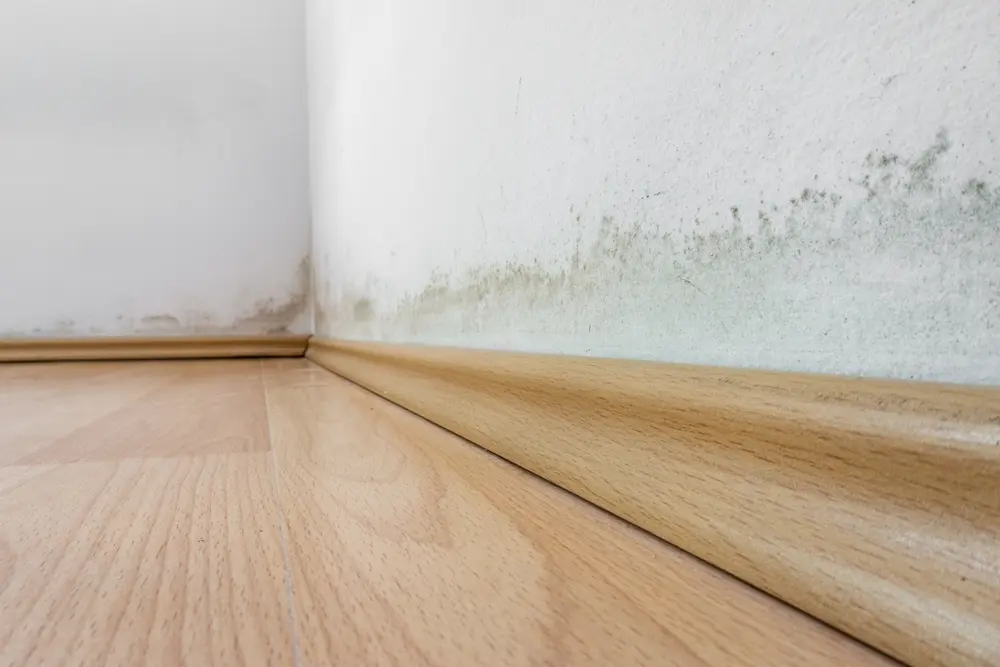
Understanding the risks and taking proactive measures is essential for anyone living in regions where winter temperatures regularly dip below freezing. In addition to preventing expensive repairs, protecting your pipes helps maintain a safe and comfortable home environment. If you want to learn more about identifying issues before they escalate, check out these early signs of water leaks that could indicate trouble in your plumbing system.
Why Pipes Freeze and Burst
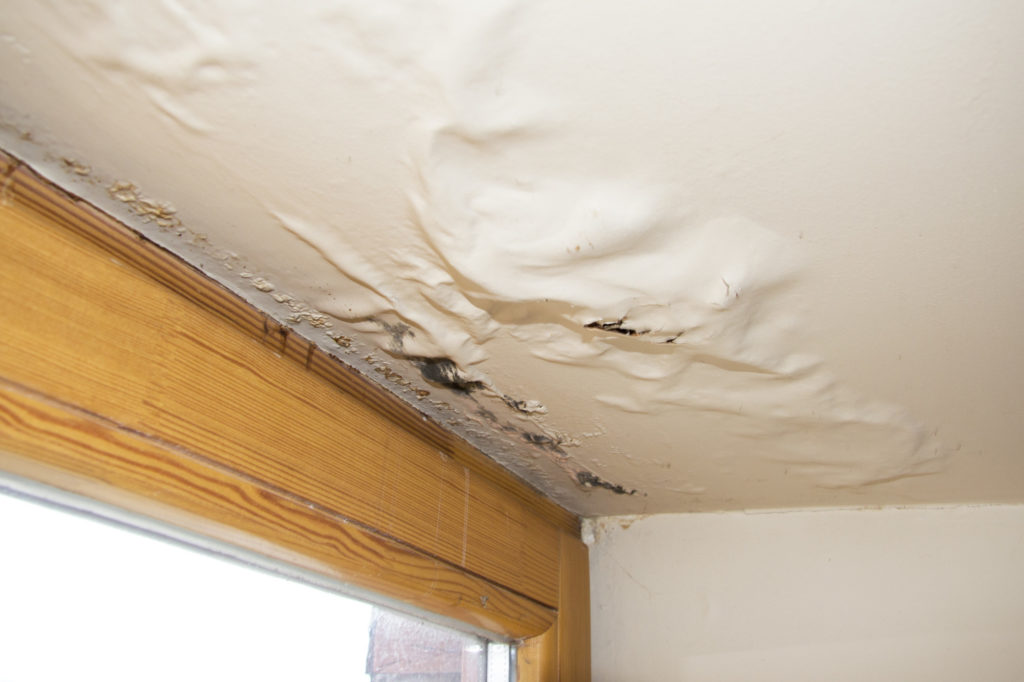
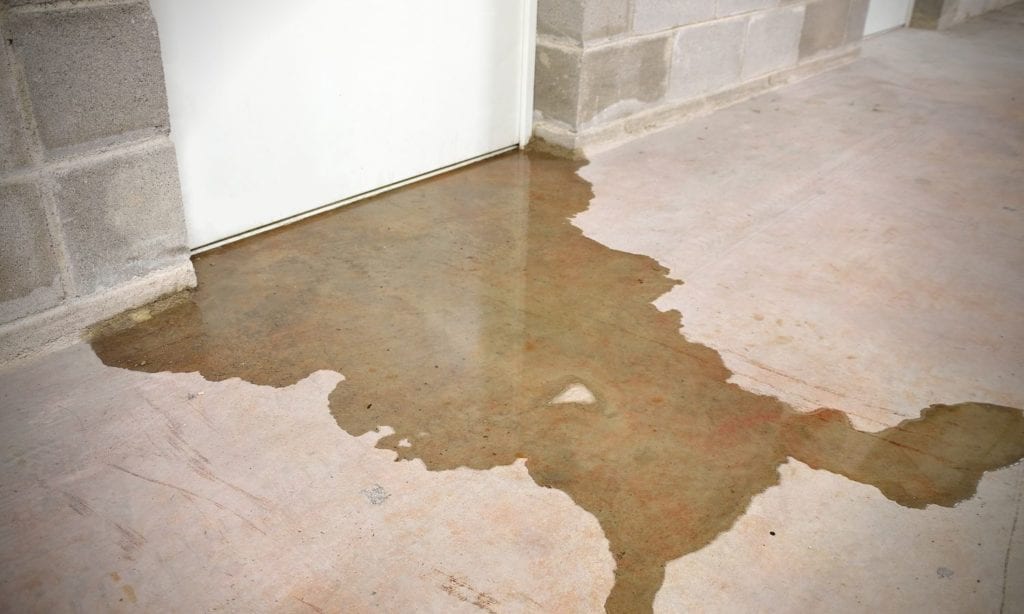
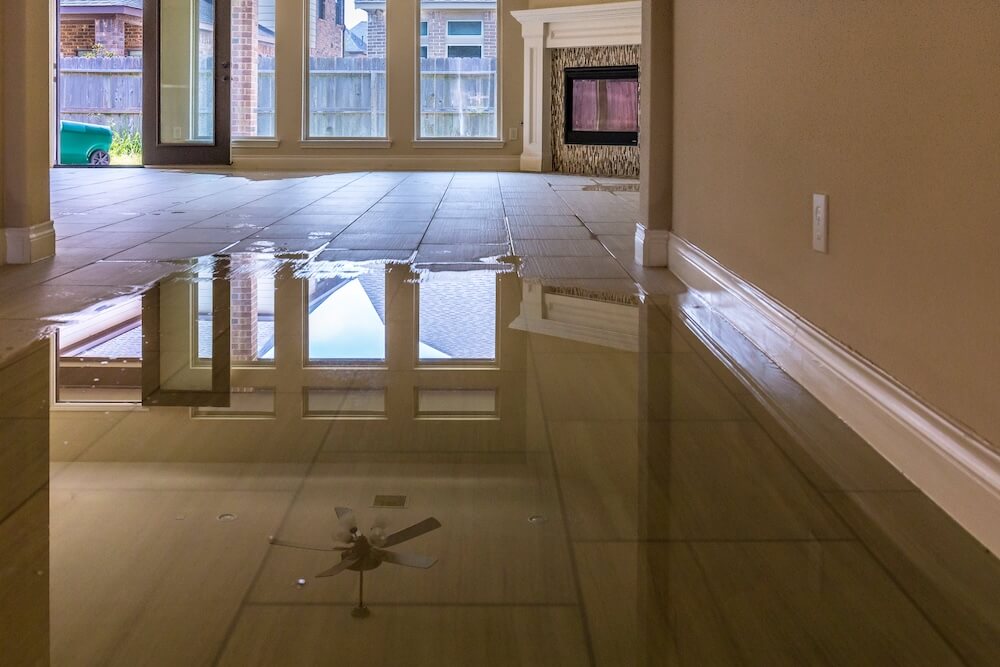
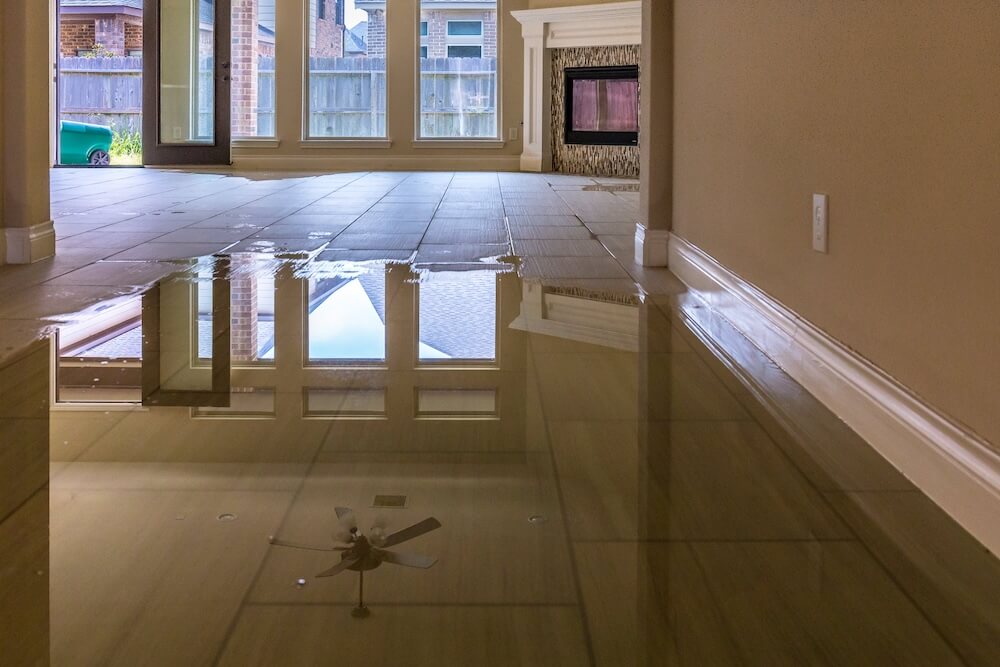
Pipes are vulnerable to freezing when exposed to subzero temperatures, especially in unheated areas like basements, attics, garages, and exterior walls. When water inside a pipe freezes, it expands and increases pressure, which can eventually cause the pipe to crack or burst. The resulting leaks can flood your home, damaging floors, walls, and valuable possessions.
The risk is highest for pipes that are poorly insulated or located in areas with little heat. Even a small crack can release hundreds of gallons of water in a short period, making prevention a top priority for homeowners.
Key Steps to Prevent Frozen Pipes
There are several effective ways to reduce the risk of your plumbing freezing during winter. By combining insulation, heat, and smart water management, you can keep your pipes safe even in the coldest weather.
Insulate Exposed Plumbing
One of the most effective ways to shield your pipes from freezing is to add insulation. Use foam pipe sleeves, heat tape, or fiberglass insulation on pipes located in unheated spaces. Focus on areas such as crawl spaces, attics, garages, and pipes running along exterior walls.
- Wrap pipes with foam or rubber insulation tubes.
- Seal gaps and cracks in walls to prevent cold air from reaching pipes.
- Consider using thermostatically controlled heat cables for added protection.
Maintain Consistent Indoor Temperatures
Keeping your home at a steady temperature is crucial. Set your thermostat to at least 55°F (13°C), even when you are away. Open cabinet doors under sinks to allow warm air to circulate around plumbing, especially in kitchens and bathrooms located on exterior walls.
Let Faucets Drip During Extreme Cold
Allowing a slow trickle of water to run from faucets connected to vulnerable pipes can help relieve pressure and prevent freezing. This is particularly important for pipes that are difficult to insulate or located in areas prone to cold drafts.
Additional Tips for Winter Pipe Protection
Beyond basic insulation and temperature control, there are several other steps you can take to minimize your risk of frozen pipes.
Seal Leaks and Drafts
Inspect your home for gaps or cracks near pipes, especially where plumbing enters from outside. Use caulk or spray foam to seal these openings and keep cold air out.
Disconnect and Drain Outdoor Hoses
Remove garden hoses from outdoor faucets and drain any remaining water. Shut off and drain outdoor spigots using the shut-off valve inside your home. This prevents water from freezing in the hose or faucet and causing damage to indoor pipes.
Install Smart Water Leak Detectors
Modern technology can help you catch leaks before they cause major damage. Smart leak detectors monitor your plumbing system and alert you to unusual water flow or moisture. These devices are especially useful for second homes or properties that remain vacant during the winter.
Know the Location of Your Main Water Shut-Off
In the event of a burst pipe, shutting off the main water supply quickly can minimize damage. Make sure everyone in your household knows where the shut-off valve is located and how to operate it.
What to Do If a Pipe Freezes
Despite your best efforts, sometimes pipes can still freeze. If you suspect a pipe is frozen, act quickly to reduce the risk of bursting:
- Turn on the faucet to relieve pressure and allow water to flow as the ice melts.
- Apply gentle heat to the frozen section using a hair dryer, heating pad, or warm towels. Never use an open flame.
- Continue applying heat until full water pressure is restored.
- If you cannot locate the frozen area or restore flow, contact a licensed plumber for assistance.
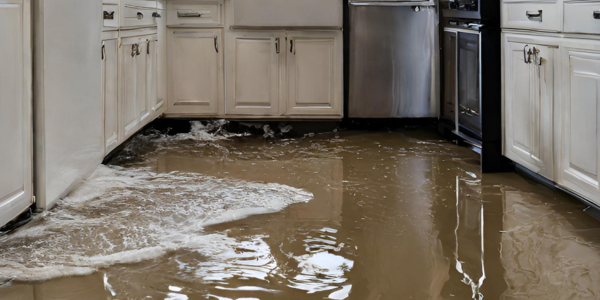
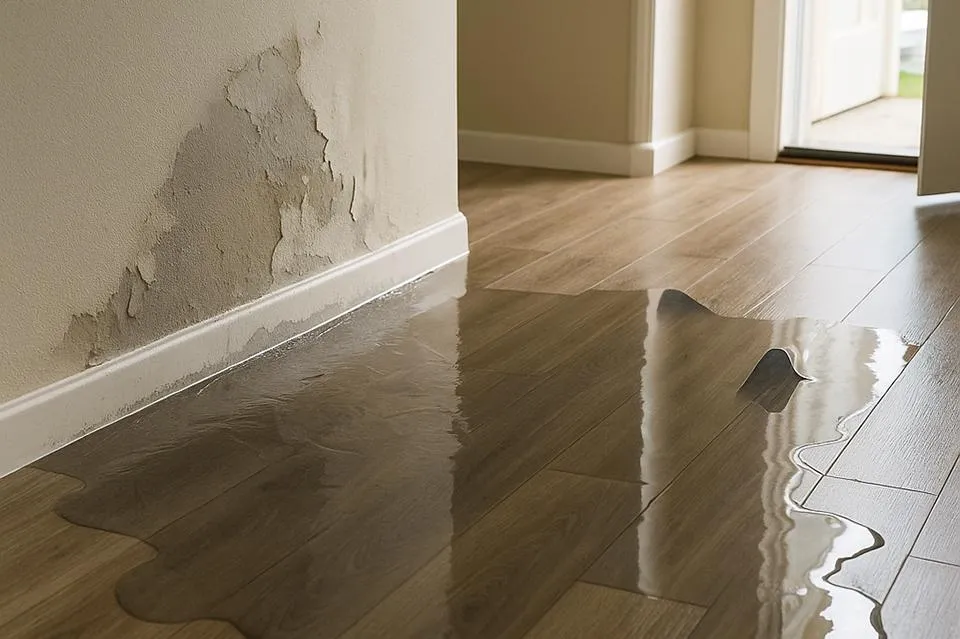
If a pipe bursts, immediately shut off the main water supply and call a professional. Quick action can help limit water damage and repair costs. For more advice on minimizing damage, review these water damage prevention tips for homeowners.
Long-Term Strategies to Safeguard Your Plumbing
Protecting your pipes is not just a winter task. Regular maintenance and early detection of issues can help you avoid emergencies year-round. Consider scheduling annual plumbing inspections and investing in smart home technology to monitor for leaks and temperature drops.
For more guidance on keeping your home dry and secure, see our article on how to maintain a dry home. You can also learn about how to spot hidden water damage before it becomes a major problem.
Additional Resources and Expert Advice
Staying informed and prepared is the best way to avoid winter plumbing disasters. For expert tips on minimizing water damage and keeping your home safe, visit this guide on how to protect your home from water damage.
If you’re interested in more preventive measures, read about what to do before water damage happens to further reduce your risk.
Frequently Asked Questions
How can I tell if my pipes are at risk of freezing?
Pipes located in unheated spaces, such as basements, attics, garages, and exterior walls, are most vulnerable. Signs of risk include little or no water flow from faucets, frost on pipes, or unusually cold rooms. Regularly check these areas during cold weather.
What should I do if I’m leaving my home for an extended period in winter?
Set your thermostat to at least 55°F (13°C) and ask a neighbor to check on your home. Shut off and drain the water supply if possible, or install a smart leak detector for remote monitoring. Open cabinet doors under sinks to allow heat to reach pipes.
Are there long-term solutions to prevent frozen pipes?
Yes. Upgrading insulation, sealing air leaks, and installing smart water monitoring devices can provide ongoing protection. Annual plumbing inspections and routine maintenance are also effective in reducing the risk of freezing and water damage.