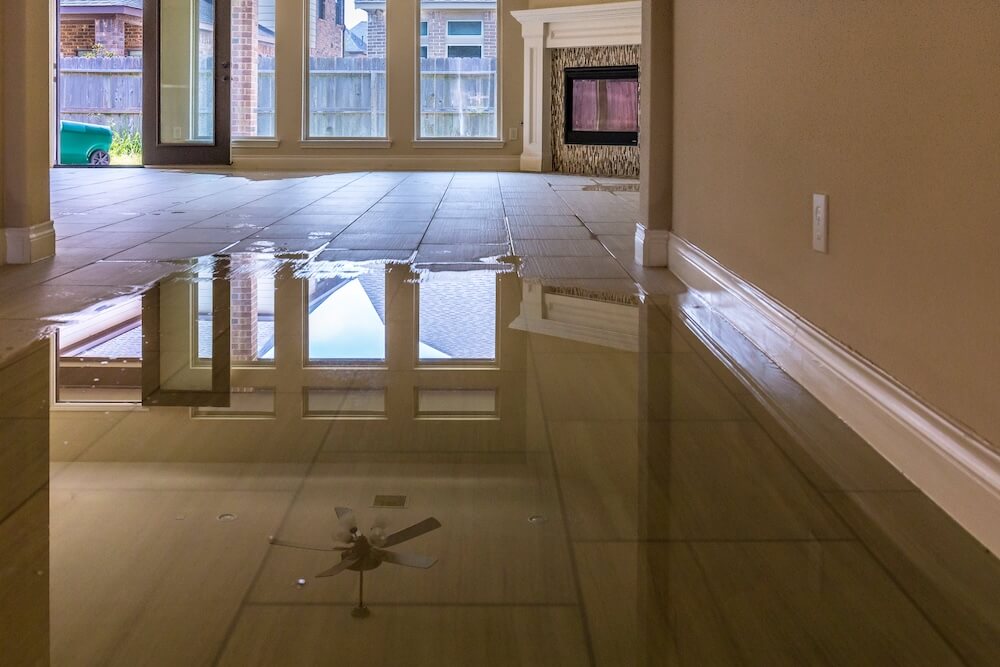
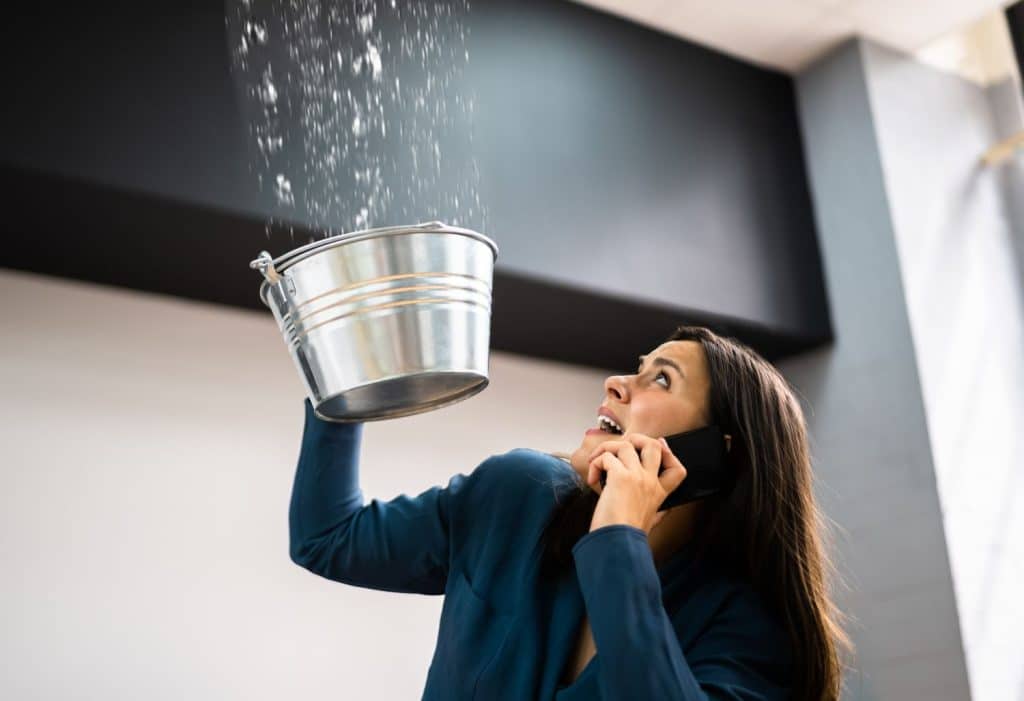
Understanding how water pressure affects your home’s plumbing is crucial for preventing costly repairs and maintaining a safe living environment. Many homeowners are unaware that both excessively high and unusually low pressure can lead to significant issues, including leaks, burst pipes, and water damage. This guide offers a clear explanation of the relationship between water pressure and pipe damage, outlines warning signs, and provides practical steps to protect your property.
By learning about the causes and consequences of pressure fluctuations, you can take proactive measures to safeguard your plumbing system. For those interested in further prevention strategies, our resource on water damage prevention tips for homeowners offers additional insights.
Why Water Pressure Matters in Residential Plumbing
The force that pushes water through your home’s pipes is measured as water pressure, typically in pounds per square inch (psi). Most residential systems are designed to operate within a safe range, usually between 40 and 60 psi. When pressure exceeds this range, the risk of pipe damage increases significantly. On the other hand, pressure that’s too low can signal underlying problems such as leaks or blockages.
Maintaining the right balance is essential for the longevity of your plumbing and the safety of your home. If you notice fluctuating water flow, noisy pipes, or visible leaks, these could be early signs of trouble. For more on recognizing these issues, see our article on early signs of water leaks.
Common Causes of Pressure-Related Pipe Issues
Several factors can lead to abnormal water pressure in a household system. Understanding these causes helps homeowners take timely action:
- Faulty Pressure Regulator: If your home has a pressure-reducing valve and it malfunctions, pressure can spike and stress your pipes.
- Municipal Supply Changes: Sometimes, the water supplier may alter pressure levels, affecting your plumbing unexpectedly.
- Clogged or Corroded Pipes: Accumulated minerals or rust can restrict flow, causing pressure to build up behind the blockage.
- Thermal Expansion: When water is heated, it expands, and without proper expansion tanks, this can increase pressure inside pipes.
- Sudden Valve Closures: Quickly shutting off faucets or appliances can cause a phenomenon known as water hammer, which damages pipes over time.
Warning Signs of Water Pressure and Pipe Damage
Recognizing the symptoms of pressure-related problems early can help you avoid extensive repairs. Look out for these indicators:
- Banging or rattling noises in the walls when water is running
- Sudden drops or surges in water flow at faucets and showers
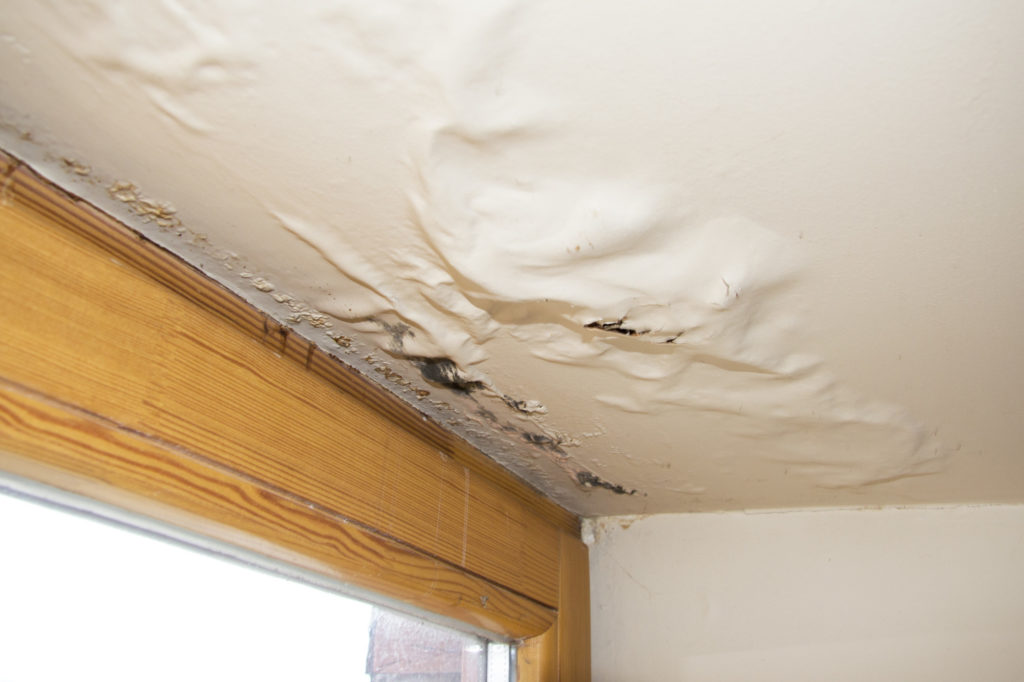
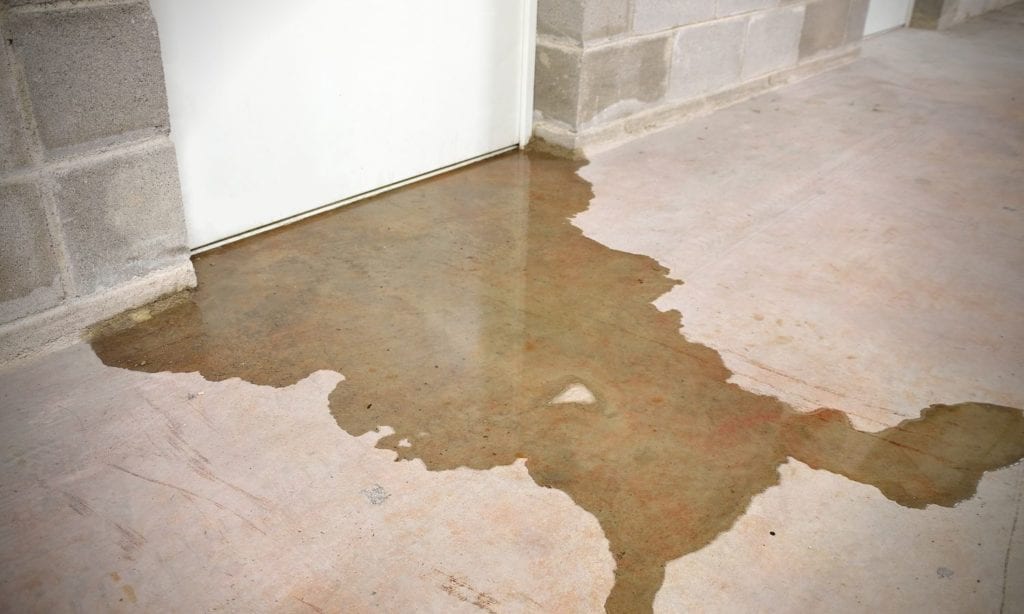
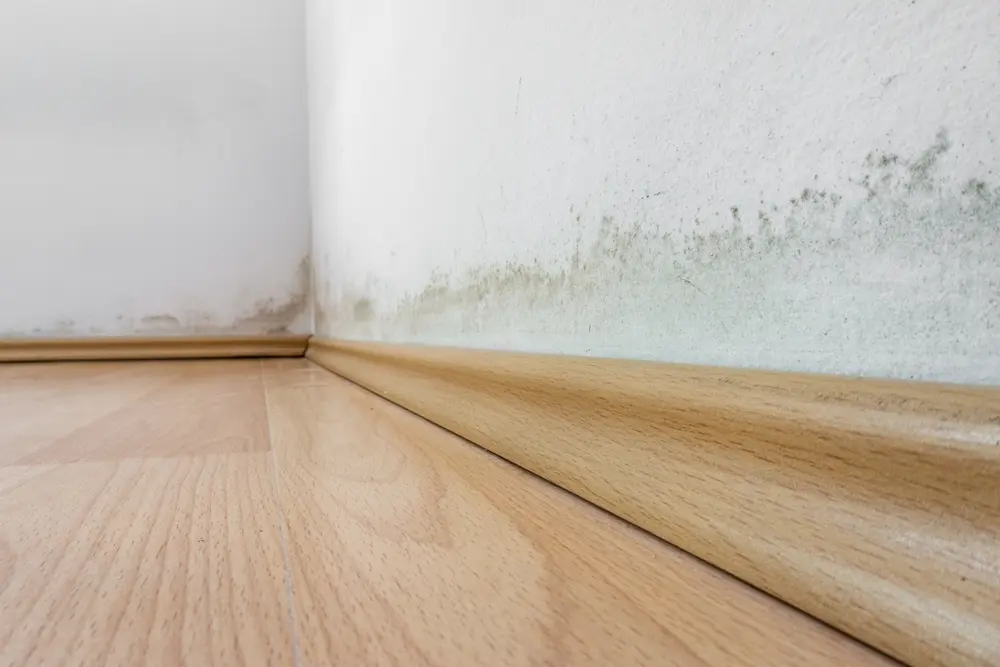
- Visible leaks, damp spots, or unexplained puddles near plumbing fixtures
- Unusually high water bills, which may suggest hidden leaks
- Discolored water or reduced water quality
If you observe any of these issues, it’s wise to investigate further or consult a professional plumber. You can also learn how to spot hidden water damage to catch problems before they escalate.
How High Water Pressure Damages Pipes
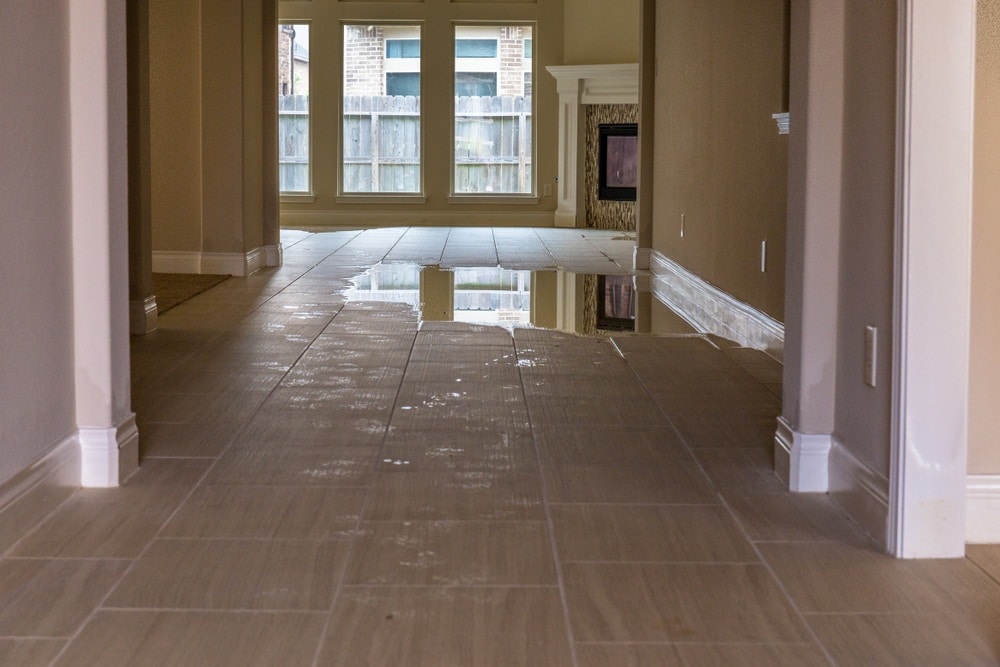
Excessive pressure puts continuous strain on your plumbing system. Over time, this can lead to:
- Joint and Seal Failure: High pressure can force joints apart and degrade seals, resulting in leaks.
- Pipe Bursts: The constant force may cause older or weaker pipes to rupture, leading to significant water damage.
- Appliance Wear: Dishwashers, washing machines, and water heaters are also vulnerable to damage from high pressure.
- Increased Water Hammer: Sudden stops in water flow create shock waves that can crack pipes and fittings.
Regularly monitoring your system and installing a pressure gauge can help you detect unsafe levels before they cause harm. If you want to know more about keeping your home dry, check out our tips on how to maintain a dry home.
Preventing Water Pressure Problems and Pipe Damage
Preventative maintenance is key to avoiding the headaches of pipe failures and water damage. Here are some practical steps:
- Install a Pressure Regulator: This device ensures your home’s water pressure stays within a safe range.
- Check Pressure Regularly: Use a gauge to monitor levels at least once a year, or if you notice changes in flow.
- Inspect for Leaks: Periodically check under sinks, around appliances, and in basements for signs of moisture.
- Replace Old Pipes: Aging or corroded pipes are more susceptible to damage from pressure fluctuations.
- Use Expansion Tanks: These absorb excess pressure caused by thermal expansion in closed plumbing systems.
- Respond Quickly: If you detect a leak or pressure problem, address it immediately to prevent escalation.
For a comprehensive approach to risk reduction, our guide on what to do before water damage happens outlines additional preventive measures.
Mitigating Water Damage and Protecting Your Home
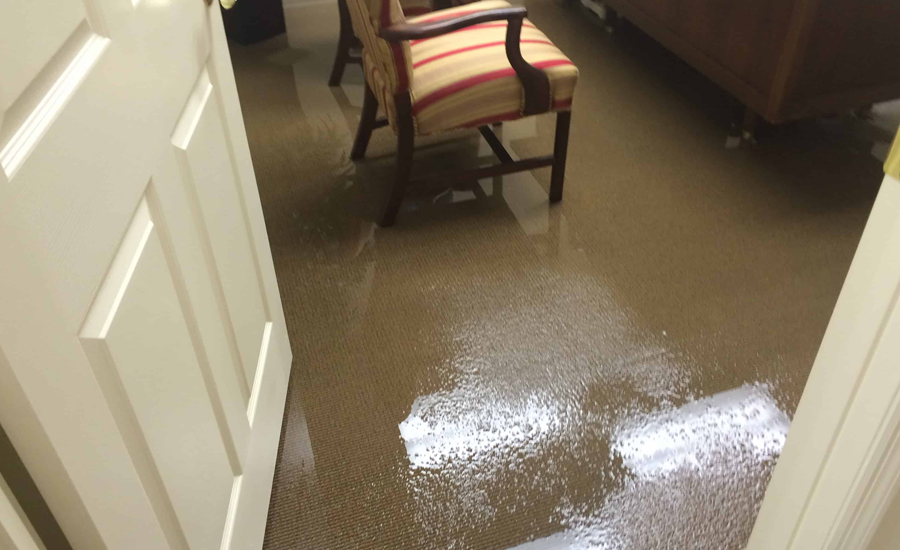
If your property has already experienced issues due to pressure or pipe failures, quick action is essential. Shut off your main water supply, dry affected areas, and contact a professional for repairs. Consider installing leak detectors and smart monitoring devices to catch future problems early.
For further advice on minimizing risks, you can review expert tips on protecting your home from water damage.
Frequently Asked Questions
What is considered normal water pressure for a home?
Most residential plumbing systems are designed to operate between 40 and 60 psi. Pressures above 80 psi are generally considered too high and can lead to pipe and fixture damage.
How can I tell if my water pressure is too high or too low?
Signs of high pressure include banging pipes, leaky faucets, and frequent appliance breakdowns. Low pressure often results in weak flow at taps and showers. A pressure gauge can provide an accurate reading.
Can water pressure problems cause hidden leaks?
Yes, both high and low pressure can contribute to hidden leaks behind walls or under floors. Monitoring your water bill and checking for unexplained dampness can help you spot these issues early.
Are there tools to help detect leaks caused by pressure issues?
Yes, there are smart leak detectors and pressure monitors available. These devices can alert you to changes in your system and help prevent extensive water damage.
By staying informed and proactive, homeowners can significantly reduce the risk of plumbing failures and costly repairs. For more guidance on keeping your property safe, explore our advice on how to spot hidden water damage and related resources.