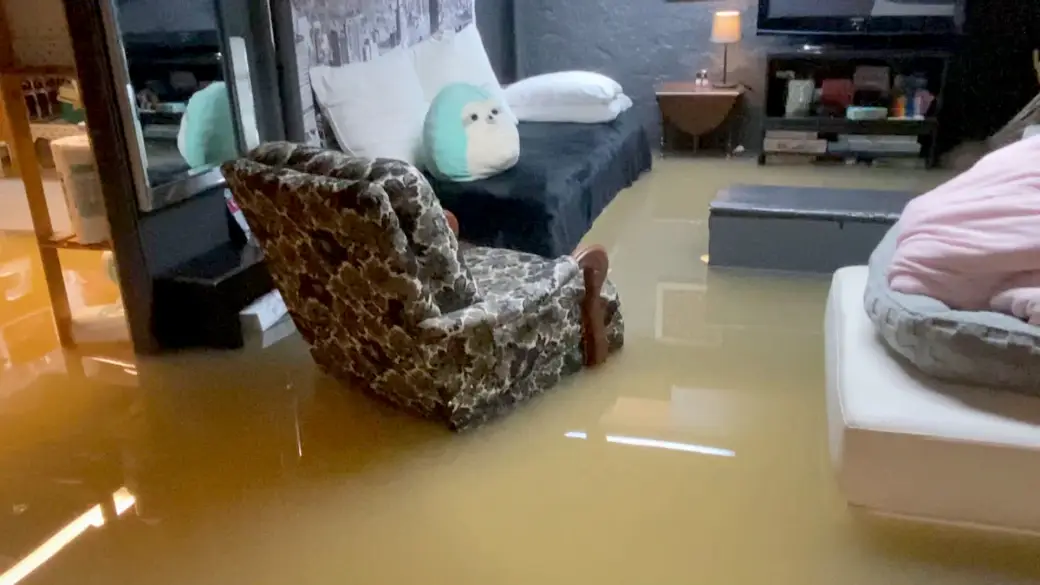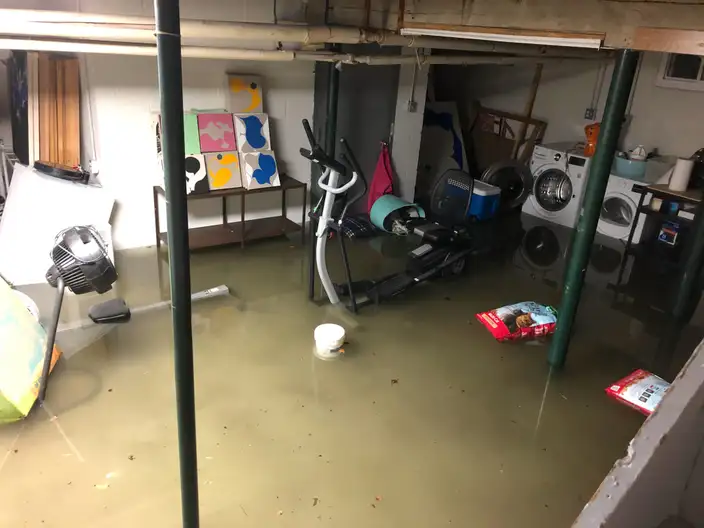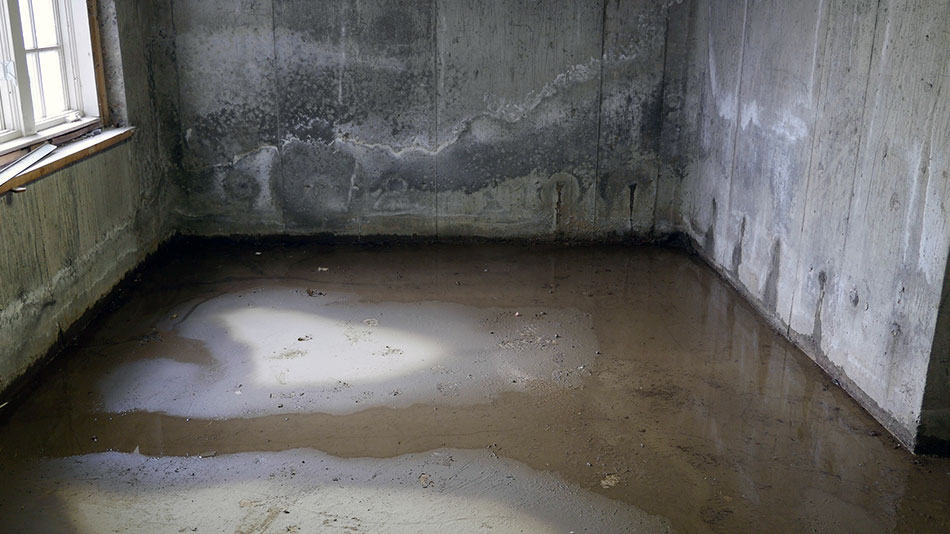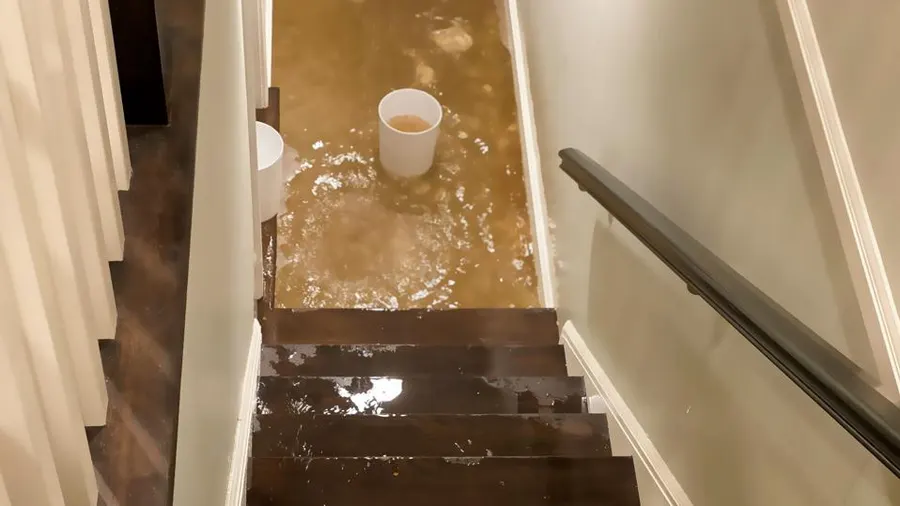
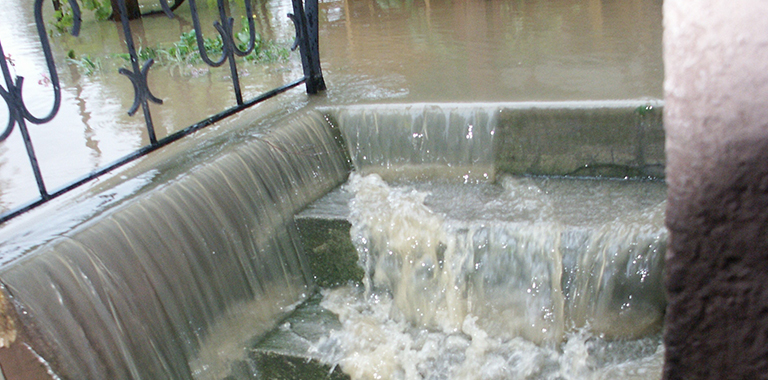
Flooding is one of the most common and destructive risks facing homeowners today. Whether caused by heavy rainfall, burst pipes, or drainage failures, water intrusion can lead to costly repairs, mold growth, and even long-term structural damage. As climate patterns shift and urban areas expand, the need for reliable, proactive solutions has never been greater.
Automated flood protection systems are transforming how people safeguard their homes. These smart technologies combine sensors, alarms, and responsive barriers to detect and prevent water damage before it escalates. In this article, we’ll explore how these systems work, their key components, and the benefits they offer for residential safety and peace of mind.
For homeowners interested in a broader approach to water damage prevention, consider exploring smart home flood alerts for real-time notifications and added protection.
Understanding Modern Flood Defense Solutions
Traditional methods of flood prevention—such as sandbags, sump pumps, and manual barriers—have been used for decades. While these tools can be effective, they often require immediate action, ongoing maintenance, and sometimes fail to respond quickly enough to sudden water intrusion.
In contrast, automated flood protection systems use advanced technology to monitor for water leaks and rising moisture levels. These systems can automatically trigger alarms, shut off water supplies, or deploy barriers to stop flooding at its source. By integrating with smart home platforms, they offer a seamless, hands-off approach to home safety.
Key Components of Automated Flood Protection
The effectiveness of any automated solution depends on its components. Most modern systems include several core elements:
- Water Leak Sensors: Placed in vulnerable areas like basements, laundry rooms, or near appliances, these sensors detect the presence of water and send instant alerts.
- Automatic Shutoff Valves: When a leak is detected, these valves can cut off the main water supply to prevent further damage.
- Flood Barriers: Some advanced systems deploy physical barriers or pumps automatically to redirect or remove water.
- Central Control Hubs: These connect all devices, allowing for remote monitoring and integration with other smart home features.
- Mobile Alerts and Notifications: Homeowners receive real-time updates via smartphone apps or email, enabling quick response even when away from home.
How Smart Flood Prevention Works
At the heart of these solutions is automation. Sensors continuously monitor for abnormal moisture or pooling water. When a threshold is reached, the system can take several actions:
- Detection: Sensors identify water in places it shouldn’t be, such as under appliances or in the basement.
- Notification: The system sends alerts to homeowners and, in some cases, to emergency contacts or monitoring centers.
- Response: Depending on the setup, the system may automatically shut off water valves or activate pumps and barriers.
- Integration: Many setups work with other smart devices, such as security systems or voice assistants, for a unified home management experience.
This proactive approach can drastically reduce the time between leak detection and intervention, minimizing property damage and repair costs.
Benefits of Automated Flood Protection Systems
Investing in automated solutions offers several advantages over manual methods:
- Early Detection: Immediate alerts allow for swift action, often before significant damage occurs.
- Reduced Insurance Claims: By preventing large-scale water damage, homeowners may see fewer claims and potentially lower premiums.
- Peace of Mind: Knowing your home is monitored 24/7, even when you’re away, provides reassurance.
- Integration with Smart Homes: These systems can work alongside other smart devices, creating a comprehensive safety network.
- Cost Savings: Preventing water damage can save thousands in repairs and replacements.
For those seeking additional strategies, check out low-cost flood prevention tips that complement automated technology.
Choosing the Right System for Your Home
Selecting the best automated flood protection setup depends on your home’s layout, risk factors, and budget. Here are some considerations:
- Coverage Area: Identify high-risk zones such as basements, kitchens, bathrooms, and laundry rooms.
- Sensor Sensitivity: Look for adjustable sensors that can be tailored to your environment.
- Integration Capabilities: Choose systems compatible with your existing smart home devices.
- Power Source: Battery-operated sensors offer flexibility, while hardwired options provide reliability.
- Professional vs. DIY Installation: Some systems are easy to set up yourself, while others may require professional assistance.
For new builds, integrating these technologies from the start can provide even greater protection. Learn more about flood protection for new homes to future-proof your property.
Common Causes and Prevention Strategies
Understanding what leads to household flooding is crucial for prevention. Common causes include heavy rainfall, poor drainage, sump pump failure, and plumbing leaks. For a detailed breakdown, see this comprehensive guide to common causes of house floods.
In addition to installing automated solutions, consider these steps:
- Regularly inspect and maintain gutters and downspouts.
- Seal cracks in foundations and walls.
- Install backwater valves to prevent sewer backups.
- Use permeable pavement to improve drainage around your property.
- Stay informed with DIY flood prevention projects for added resilience.
FAQ: Automated Flood Protection at Home
How do automated flood protection systems detect water leaks?
These systems use specialized sensors placed in areas prone to leaks or flooding. When water is detected, the sensor sends a signal to the central hub, which can trigger alarms, notifications, or automatic shutoff valves.
Can I install an automated system myself, or do I need a professional?
Many modern solutions are designed for easy DIY installation, especially wireless sensors and basic shutoff valves. However, more complex setups or whole-home integrations may benefit from professional installation to ensure optimal performance.
Will a smart flood prevention system work during a power outage?
Some sensors and alarms are battery-powered and will continue to function during outages. For maximum reliability, look for systems with backup batteries or those that can operate independently of the main power supply.
Are these systems compatible with other smart home devices?
Most leading brands offer compatibility with popular smart home platforms, allowing you to integrate flood protection with security, lighting, and voice assistants for a unified experience.
Conclusion
Protecting your home from water damage is no longer limited to manual methods and last-minute responses. With automated flood protection systems, homeowners can enjoy proactive, reliable defense against one of nature’s most unpredictable threats. By combining smart sensors, automatic shutoffs, and real-time alerts, these solutions offer peace of mind and help preserve the value and safety of your property.