Managing moisture levels below ground is essential for protecting your home’s structure and air quality. Excess dampness in lower levels can lead to mold growth, wood rot, musty odors, and even costly repairs. By following proven basement humidity control tips, you can create a healthier, safer space and prevent long-term problems.
Many homeowners overlook the importance of keeping these areas dry until issues arise. However, with a proactive approach, you can avoid the headaches of water damage and maintain a comfortable environment. This article covers practical strategies, from improving ventilation to using the right equipment, so you can keep your basement dry and secure.
If you’re interested in learning more about moisture prevention, check out why basements flood after heavy rain for additional insights on protecting your home.
Why Moisture Management Matters in Basements
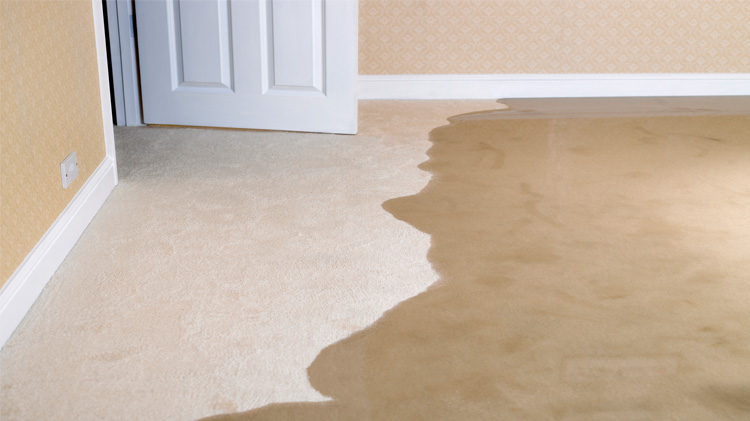
Basements are naturally prone to higher humidity due to their location below ground level. Soil moisture, plumbing leaks, and condensation all contribute to increased dampness. Without proper humidity control, these conditions can trigger mold outbreaks, damage stored items, and even weaken your home’s foundation.
Mold thrives in moist, poorly ventilated environments. Once it takes hold, it can spread quickly and release spores that affect indoor air quality. Over time, unchecked moisture can also cause wood framing to rot, drywall to deteriorate, and metal fixtures to rust.
Key Strategies for Effective Basement Humidity Control
Implementing a combination of these basement humidity control tips will help you maintain a dry, healthy space:
1. Identify and Fix Water Intrusion Sources
The first step is to address any sources of water entering your basement. Common culprits include foundation cracks, poor exterior drainage, and leaking pipes. Inspect walls, floors, and ceilings for signs of moisture, such as staining, peeling paint, or efflorescence (white powdery residue).
For a deeper dive into the causes of moisture problems, visit what causes foundation water damage to understand how water can infiltrate your home and what you can do to stop it.
2. Improve Basement Ventilation
Stale, stagnant air allows humidity to build up. Increase airflow by opening windows when weather permits, installing vents, or using exhaust fans. If your basement is finished, consider adding a mechanical ventilation system to ensure continuous air exchange.
3. Use a Dehumidifier
One of the most effective tools for controlling moisture is a high-capacity dehumidifier. Choose a model designed for basements, which often have larger square footage and higher humidity levels. Run the unit continuously during humid months and empty the reservoir regularly, or connect it to a floor drain for convenience.
4. Seal Cracks and Waterproof Surfaces
Prevent moisture from seeping through walls and floors by sealing cracks with hydraulic cement or specialized sealants. Waterproof paints and coatings can also provide an extra layer of protection against dampness. For more comprehensive solutions, see how to waterproof a basement for step-by-step guidance.
5. Maintain Proper Drainage Around Your Home
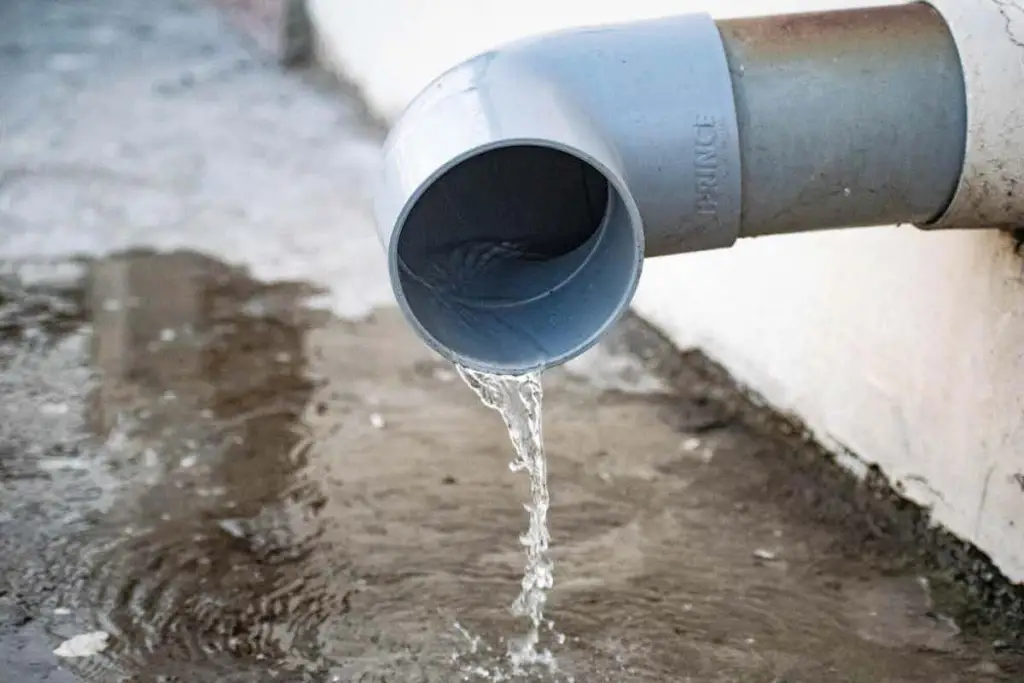
Exterior water management is just as important as interior solutions. Make sure gutters and downspouts direct rainwater at least six feet away from your foundation. Grade the soil so it slopes away from the house, and consider installing a French drain or sump pump if you experience frequent flooding.
Additional Tips for Reducing Basement Humidity
- Insulate cold surfaces: Pipes and walls can sweat when warm, humid air contacts cool surfaces. Use foam pipe insulation and wall panels to minimize condensation.
- Store items off the floor: Keep boxes and belongings on shelves or pallets to prevent moisture absorption.
- Limit indoor drying: Avoid hanging wet laundry or storing damp items in the basement, as this increases humidity.
- Monitor humidity levels: Use a hygrometer to keep track of moisture. Aim for 30–50% relative humidity to discourage mold growth.
- Check appliances: Ensure that washing machines, water heaters, and HVAC systems are not leaking or producing excess moisture.
Preventing Mold and Protecting Your Basement Investment
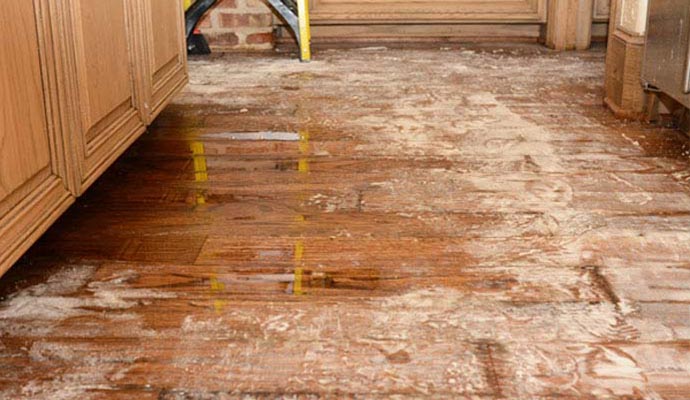
Mold can begin to develop within 24–48 hours of a moisture event. Early intervention is crucial. If you notice a musty smell, visible mold, or persistent dampness, act quickly to identify and resolve the source. In some cases, professional remediation may be necessary to fully remove contamination and restore air quality.
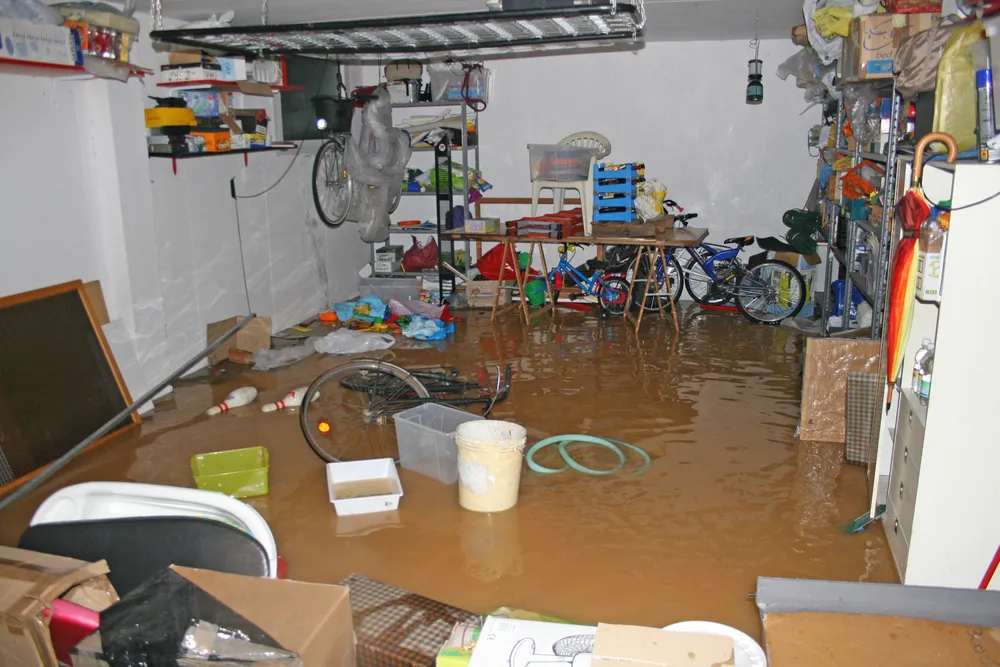
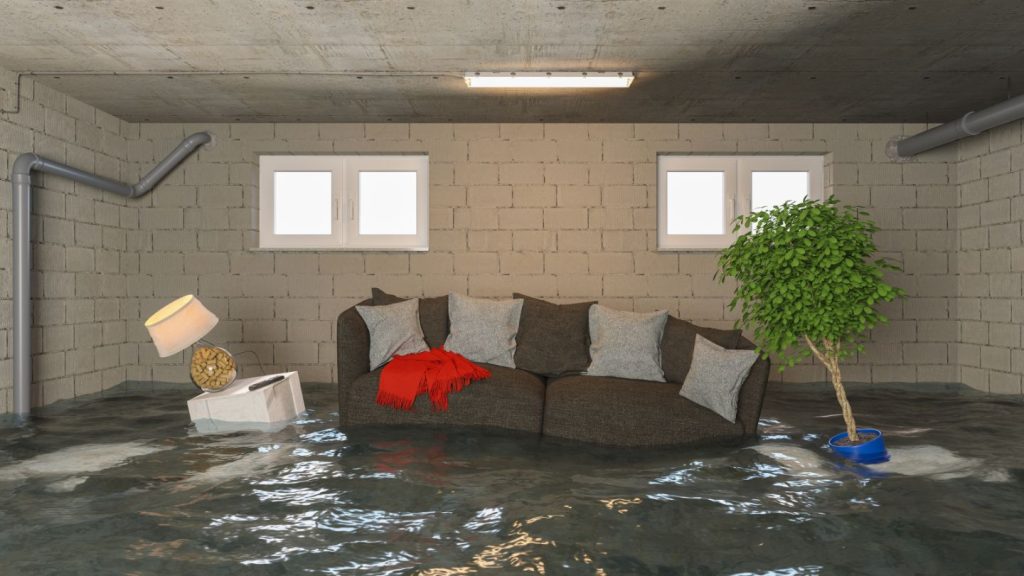
Regular inspections and maintenance go a long way in preventing costly repairs. For more on keeping your basement safe, see how to prevent basement flooding for actionable steps.
Smart Technology for Leak and Moisture Detection
Today’s technology offers homeowners new ways to monitor and control moisture. Smart leak detectors and water sensors can alert you to plumbing issues before they escalate. These devices are especially useful in areas prone to leaks, such as near sump pumps, water heaters, and washing machines.
Investing in these tools can help you catch problems early and avoid major water damage. For more information on stopping water damage at home, visit this comprehensive guide to preventing water damage.
Frequently Asked Questions
What is the ideal humidity level for a basement?
The recommended relative humidity for basements is between 30% and 50%. Keeping levels within this range helps prevent mold growth and structural damage.
How can I tell if my basement has a humidity problem?
Common signs include musty odors, visible mold, condensation on windows or pipes, and water stains on walls or floors. Using a hygrometer can help you monitor moisture levels accurately.
Are dehumidifiers necessary in all basements?
Not every basement requires a dehumidifier, but they are highly recommended in areas with persistent dampness, poor ventilation, or a history of water intrusion. They are especially useful during humid seasons or after heavy rainfall.
What should I do if I find mold in my basement?
Small areas of mold (less than 10 square feet) can often be cleaned with detergent and water. For larger infestations or if you have health concerns, it’s best to consult a professional mold remediation service.
By following these basement humidity control tips and staying vigilant, you can safeguard your home from mold, odors, and structural issues for years to come.