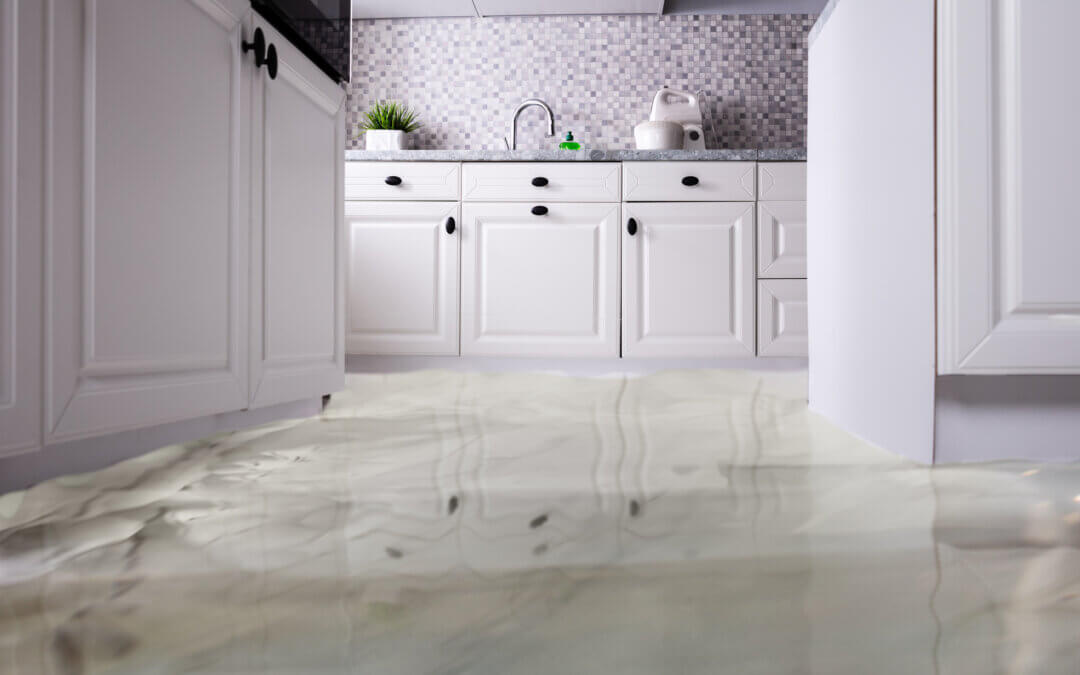
Protecting your home from water intrusion is a crucial step in maintaining its structure, comfort, and value. Water damage can lead to costly repairs, mold growth, and compromised indoor air quality. Selecting the right type of water-resistant insulation is one of the most effective ways to safeguard your property against leaks, floods, and humidity. This guide will walk you through the essentials of choosing waterproof insulation, including material options, installation tips, and how to integrate insulation into a broader water protection strategy.
Alongside insulation, other preventative measures—such as how to install a water shut-off valve and using smart leak detectors—can further reduce the risk of water damage. Understanding your options and making informed choices can help you create a more resilient and comfortable living space.
Why Moisture-Resistant Insulation Matters
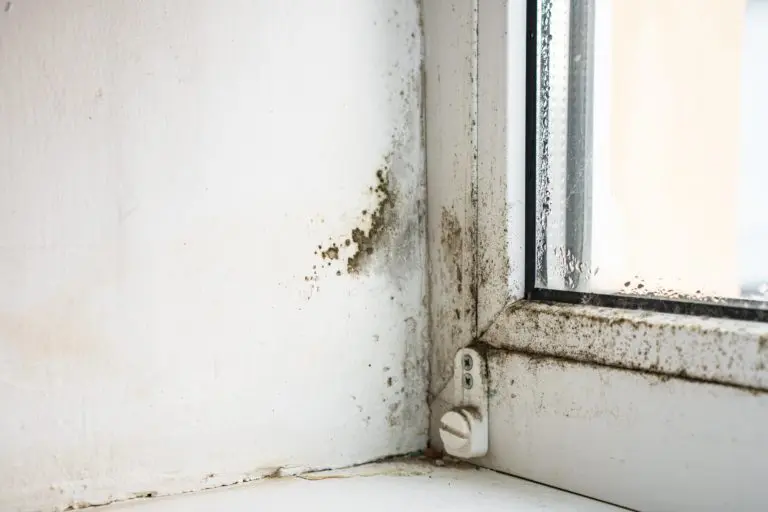
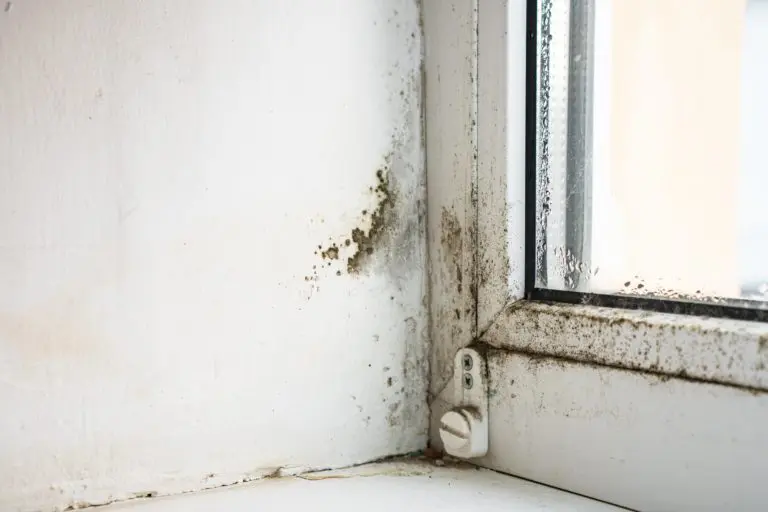
Water infiltration can occur in basements, crawl spaces, attics, and even behind walls. Traditional insulation materials, such as fiberglass batts or cellulose, can absorb moisture, leading to reduced thermal performance and potential mold growth. By opting for moisture-proof insulation, you create a barrier that helps prevent water from penetrating your home’s structure and interior spaces.
The benefits of using waterproof insulation include:
- Improved energy efficiency—insulation retains its R-value even when exposed to humidity.
- Mold and mildew resistance—reduces the risk of health issues related to indoor air quality.
- Structural protection—prevents wood rot, corrosion, and deterioration of building materials.
- Lower maintenance costs—minimizes the need for repairs due to water-related damage.
Types of Waterproof Insulation Materials
When selecting water-repellent insulation, it’s important to understand the different materials available and their specific advantages. Here are some of the most common choices for areas prone to moisture:
Closed-Cell Spray Foam
Closed-cell spray foam is a popular option for basements, crawl spaces, and exterior walls. Its dense structure acts as both an air and vapor barrier, making it highly effective against water intrusion. This material expands to fill gaps and cracks, providing excellent coverage and minimizing the risk of leaks.
Rigid Foam Boards
Rigid foam boards, such as extruded polystyrene (XPS) and polyisocyanurate, offer high moisture resistance and are often used in foundation walls, under slabs, and exterior sheathing. These boards are lightweight, easy to cut, and provide consistent thermal performance even in damp environments.
Mineral Wool (Rock Wool)
Mineral wool insulation is naturally water-repellent and does not absorb moisture like traditional fiberglass. It also offers fire resistance and soundproofing benefits, making it a versatile choice for both interior and exterior applications.
Spray-Applied Waterproof Barriers
In some cases, a spray-applied waterproof membrane can be used in conjunction with insulation to provide an extra layer of protection. These products are often applied to foundation walls or below-grade surfaces before installing rigid foam or mineral wool panels.

How to Assess Your Home’s Needs
Before making a decision, evaluate the specific areas of your home that are most vulnerable to water exposure. Basements, crawl spaces, bathrooms, kitchens, and exterior walls are common trouble spots. Consider the following steps:
- Inspect for existing water damage or signs of moisture, such as stains, peeling paint, or musty odors.
- Check the condition of gutters, downspouts, and exterior grading to ensure water is directed away from your foundation.
- Identify areas with high humidity or poor ventilation, as these can contribute to condensation and mold growth.
- Review local climate conditions and flood risk to determine the level of protection needed.
For more tips on preventing water issues, see our article on replacing old hoses to prevent water damage.
Installation Tips for Water-Resistant Insulation
Proper installation is essential to maximize the benefits of your chosen insulation. Here are some best practices:
- Seal all gaps and cracks before installing insulation to prevent water and air leaks.
- Use vapor barriers where appropriate, especially in below-grade areas or places with high humidity.
- Follow manufacturer guidelines for installation and safety precautions.
- Combine with leak detection devices for added peace of mind. Learn more about how to use leak detectors near appliances to monitor vulnerable spots.
Integrating Insulation with Other Water Protection Strategies
While choosing waterproof insulation is a key step, a comprehensive approach to water protection should include multiple layers of defense:
- Install smart home devices for leak prevention. Discover the benefits of smart home devices for leak prevention to receive real-time alerts.
- Maintain appliance water lines to reduce the risk of leaks. Our guide on how to maintain appliance water lines offers practical advice.
- Regularly inspect plumbing and fixtures for signs of wear or damage.
- Consider professional waterproofing for basements and crawl spaces if you live in a high-risk area.
For further guidance, you can refer to these tips for protecting your home’s interior from water damage from industry experts.
Common Mistakes to Avoid When Selecting Insulation
To ensure you get the most from your investment, watch out for these frequent errors:
- Choosing the wrong material for your climate or application. Not all insulation is equally effective against moisture.
- Improper installation that leaves gaps, compresses the material, or fails to seal seams.
- Neglecting ventilation in areas like attics or crawl spaces, which can trap humidity.
- Ignoring maintenance—even the best insulation needs periodic checks to ensure it remains effective.
FAQ: Waterproof Insulation for Homeowners
What areas of the home benefit most from water-resistant insulation?
Spaces most vulnerable to moisture—such as basements, crawl spaces, exterior walls, bathrooms, and kitchens—see the greatest benefit. These areas are prone to leaks, condensation, and flooding, making them ideal candidates for moisture-proof materials.
How does waterproof insulation differ from standard insulation?
Waterproof or water-repellent insulation is designed to resist moisture absorption and maintain its insulating properties even in damp conditions. Standard insulation, like fiberglass batts or cellulose, can lose effectiveness and support mold growth if exposed to water.
Can I install waterproof insulation myself, or should I hire a professional?
Some products, such as rigid foam boards, can be installed by experienced DIYers. However, closed-cell spray foam and spray-applied barriers typically require professional installation to ensure proper application and safety. Always follow manufacturer recommendations and local building codes.
Is waterproof insulation enough to prevent all water damage?
While it significantly reduces the risk, no single solution is foolproof. Combining insulation with leak detection, regular maintenance, and other water management strategies provides the best protection for your home.