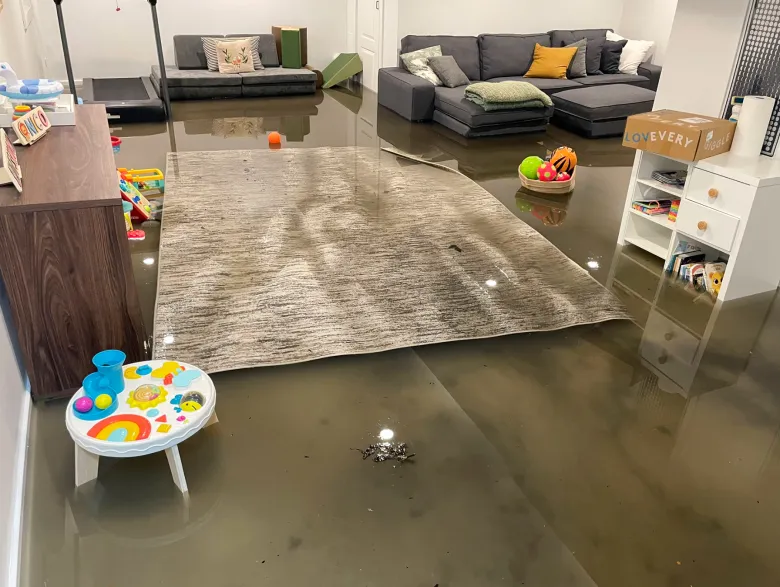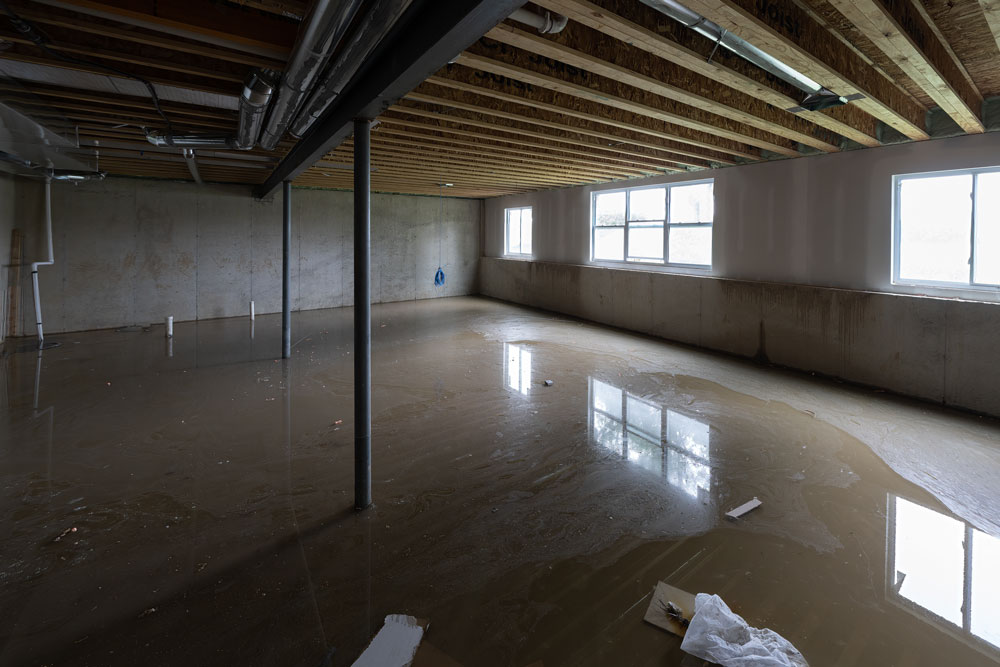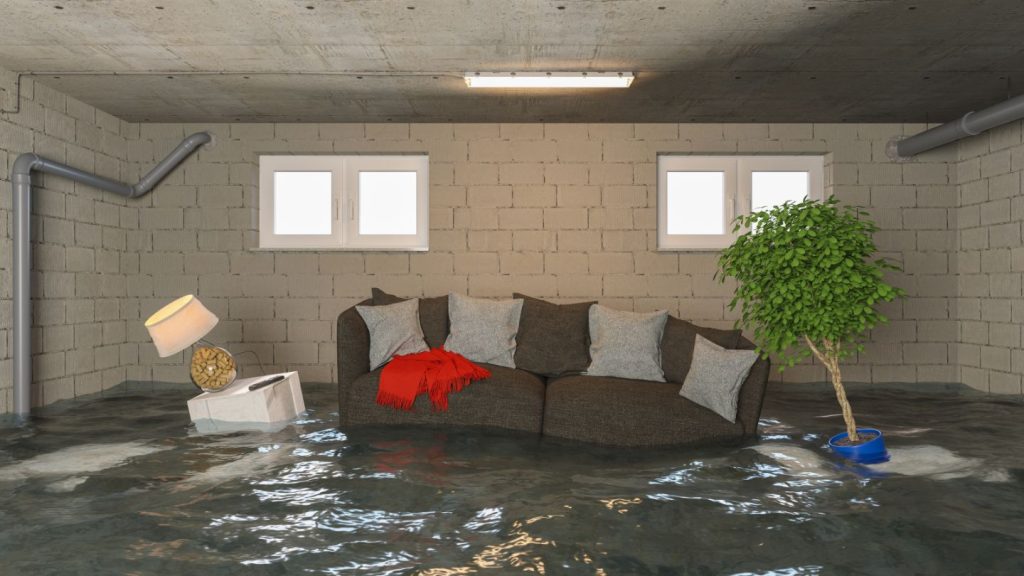
Flooding can leave homes and buildings with lingering moisture, leading to structural damage, unhealthy air, and the risk of mold. One of the most effective ways to address excess humidity after water intrusion is by deploying dehumidifiers. Knowing how and when to use these devices can make a significant difference in the speed and safety of recovery.
This article provides practical advice on leveraging dehumidifiers after flooding to restore your space, prevent further damage, and protect your health. We’ll also cover safety tips, common mistakes, and how to integrate other moisture-control strategies for the best results.
For a step-by-step overview of immediate actions to take following water intrusion, see what to do after home flooding. Early intervention is crucial for minimizing long-term issues.
Why Moisture Removal Is Critical After a Flood
Floodwater doesn’t just damage belongings—it saturates building materials, seeps into hidden spaces, and raises indoor humidity to unsafe levels. If left unchecked, this moisture can:
- Weaken walls, floors, and foundations
- Promote rapid mold and mildew growth
- Cause persistent odors and poor air quality
- Increase the risk of electrical and structural hazards
Using dehumidifiers after flooding helps draw out excess moisture from the air and materials, speeding up the drying process and reducing the risk of secondary damage.
How Dehumidifiers Work in Post-Flood Recovery
Dehumidifiers are designed to extract water vapor from the air, collecting it in a reservoir or draining it away. After a flood, these devices are especially valuable because:
- They lower humidity to safe levels, discouraging mold growth
- They help dry out walls, floors, and furniture more quickly
- They complement fans and ventilation by removing airborne moisture
For best results, use commercial-grade or high-capacity units, as household models may not be powerful enough for large-scale water damage.
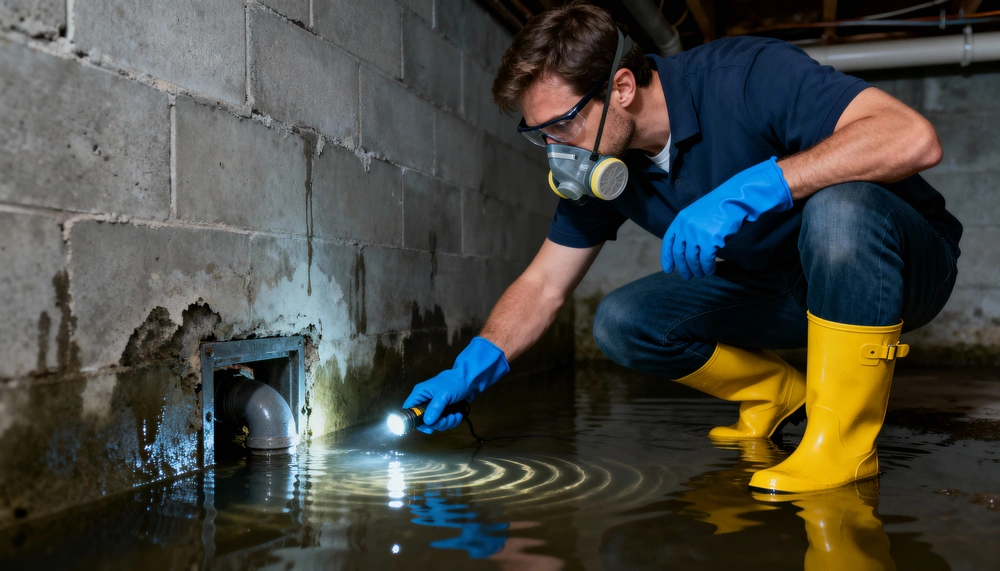
Steps for Using Dehumidifiers After Water Damage
To maximize the effectiveness of moisture removal equipment, follow these steps:
- Remove Standing Water First: Before running any dehumidifier, pump out or mop up all visible water. This prevents overloading the device and speeds up drying.
- Ventilate the Area: Open windows and doors if weather permits, and use fans to circulate air. This helps release trapped moisture and supports the dehumidification process.
- Place Units Strategically: Position dehumidifiers in the most affected rooms, ideally in the center or near damp walls and floors. For large spaces, use multiple units.
- Seal Off the Area: Close windows and doors once dehumidifiers are running to prevent humid outdoor air from entering.
- Monitor Progress: Check humidity levels regularly. Aim for a relative humidity below 50% to inhibit mold and mildew.
- Empty Reservoirs Frequently: If your unit doesn’t have a continuous drain, empty the water tank as needed to keep it running efficiently.
- Continue Until Fully Dry: Keep equipment running for several days or until all surfaces and materials feel dry to the touch.
For more detailed safety guidance, consult flood cleanup safety tips to protect yourself and your property during recovery.
Preventing Mold and Odor With Proper Humidity Control
Mold can begin to grow within 24–48 hours after a flood. By maintaining low humidity with dehumidifiers, you significantly reduce this risk. For additional strategies, explore preventing mold growth after flood for expert advice on keeping your home safe.

Common Mistakes When Drying Out Flooded Spaces
Even with the right equipment, some errors can slow recovery or create new hazards. Avoid these common pitfalls:
- Using Undersized Units: Small household dehumidifiers may be inadequate for major water damage. Opt for commercial or rental units designed for restoration.
- Neglecting Hidden Moisture: Water can linger inside walls, under floors, and behind cabinets. Use moisture meters to check these areas and adjust equipment placement.
- Turning Off Equipment Too Soon: Surfaces may feel dry while humidity remains high. Continue drying until both air and materials reach safe moisture levels.
- Ignoring Safety Precautions: Never use electrical devices in standing water and always follow manufacturer instructions.
Integrating Technology and Prevention
In addition to using dehumidifiers after flooding, consider adopting smart home technology to detect leaks and humidity spikes early. Devices like water leak detectors can alert you to problems before they escalate. For more on innovative solutions, see how modern technologies are combating flood risks globally.
Proactive steps, such as installing sensors and maintaining your drainage systems, can help protect valuables and reduce the impact of future water events. For tips on safeguarding important items, visit protecting valuables from floods.
Frequently Asked Questions
How long should I run a dehumidifier after a flood?
The duration depends on the severity of the flooding and the size of the affected area. Generally, dehumidifiers should run continuously for several days, or until humidity drops below 50% and all surfaces feel dry. Use a moisture meter for best results.
Can I use regular home dehumidifiers for flood cleanup?
While small units can help in minor cases, significant flooding usually requires commercial-grade equipment. Household models may not remove moisture quickly enough to prevent mold and further damage.
What other steps should I take besides using dehumidifiers?
Remove all standing water, ventilate the space, discard unsalvageable materials, and clean thoroughly. Monitor for mold and consider professional help for large or hazardous situations. For a comprehensive checklist, review what to do before a flood and related guides.