
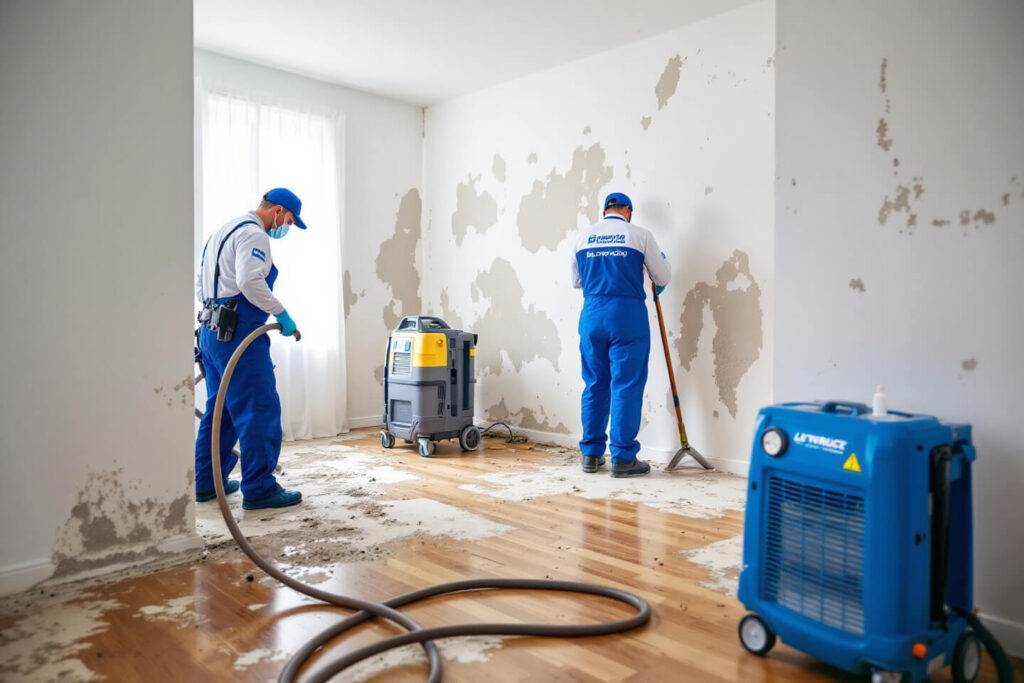
Understanding the difference between flood and water damage is crucial for homeowners, renters, and business owners alike. These two types of water-related destruction may seem similar at first glance, but they have distinct causes, insurance implications, and restoration processes. Knowing how to distinguish between them can help you respond appropriately, file accurate insurance claims, and take preventive steps to protect your property.
Many people are surprised to learn that insurance policies often treat these events very differently. While both can lead to significant property loss, the source and scope of the water intrusion play a major role in determining coverage and recovery options. If you’re looking for practical advice on related household maintenance, you might also find value in our guide on how to sanitize a cast iron press.
What Sets Flood Damage Apart from Other Water Issues?
The main distinction between flood events and other types of water-related destruction lies in their origin and scale. Flooding is typically defined as water that covers normally dry land and affects multiple properties or large areas, usually as a result of natural disasters like heavy rainfall, overflowing rivers, or storm surges. In contrast, water damage generally refers to incidents that originate from within the property or its immediate surroundings, such as burst pipes, leaking roofs, or appliance malfunctions.
Insurance companies and government agencies, such as FEMA, have specific definitions for these terms. A flood is considered an overflow of water onto land that is normally dry, affecting at least two acres or two or more properties. Any water intrusion that does not meet these criteria is usually classified as water damage.
Key Differences in Insurance Coverage
One of the most important reasons to understand the difference between flood and water damage is how it affects your insurance coverage. Standard homeowners and renters insurance policies typically do not cover flood damage. Instead, flood protection is offered through separate policies, often backed by the National Flood Insurance Program (NFIP) or private insurers.
Water damage from internal sources, like a broken washing machine hose or a sudden pipe burst, is usually covered under standard policies—provided the event was sudden and accidental. However, gradual leaks or maintenance issues may be excluded. Always review your policy details and speak with your insurance agent to clarify what is and isn’t covered.
Common Causes of Each Type
Understanding the typical sources of these problems can help you identify risks and take preventive action. Here’s a breakdown of frequent causes:
| Flooding | Other Water Damage |
|---|---|
| Heavy rainfall | Burst pipes |
| Overflowing rivers or lakes | Leaky roofs |
| Storm surges | Malfunctioning appliances |
| Rapid snowmelt | Clogged drains or gutters |
| Dam or levee failures | Toilet or sink overflows |
How to Recognize the Type of Water Damage
Determining whether you’re dealing with flooding or another form of water intrusion can sometimes be straightforward, but in borderline cases, it helps to look at the source and extent of the water. If the water entered your home from outside and affected multiple properties or a large area, it’s likely considered a flood. If the water originated from inside your home or from a localized source, it’s generally classified as water damage.

Prevention and Maintenance Tips
While you can’t always prevent natural disasters, there are practical steps you can take to reduce the risk of both types of water-related property loss:
- Install sump pumps and backflow valves to help prevent basement flooding.
- Regularly inspect and maintain your roof, gutters, and downspouts.
- Check plumbing fixtures and appliances for leaks or signs of wear.
- Seal cracks in your foundation and basement walls.
- Consider using smart leak detectors to catch problems early.
For more detailed advice on safeguarding your property, the Insurance Information Institute offers a helpful resource on how to protect your home from water damage.
Steps to Take After Water Intrusion
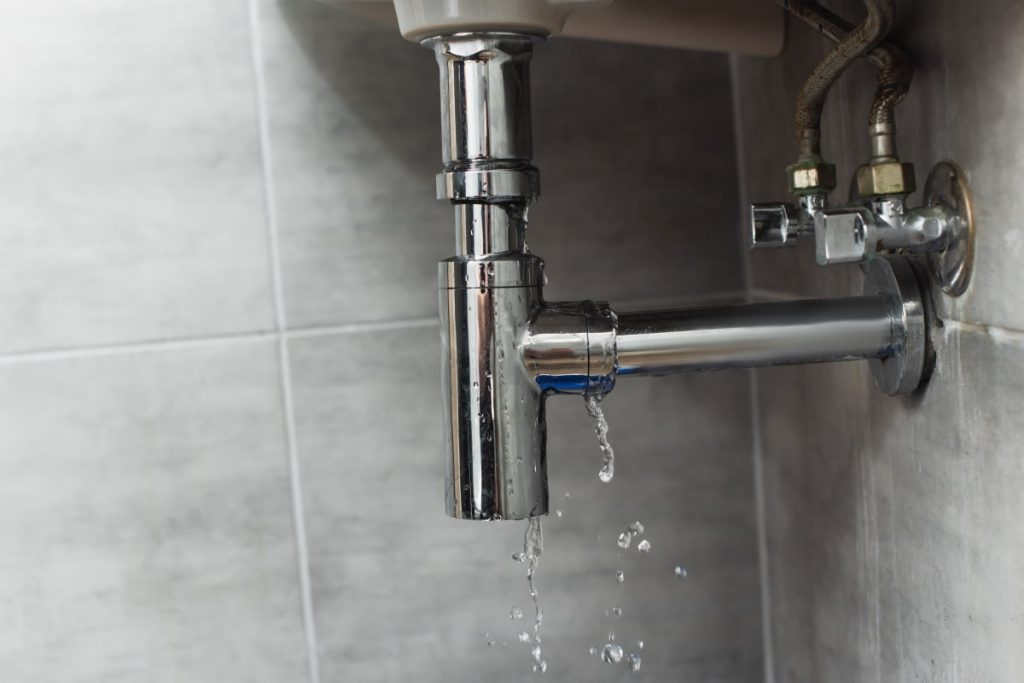
If you experience water entering your property, quick action is essential to minimize damage and protect your health. Here’s what to do:
- Ensure safety first—turn off electricity if water is present near outlets or appliances.
- Identify the source of the water and stop it if possible.
- Document the damage with photos and notes for insurance purposes.
- Contact your insurance provider to report the incident and clarify your coverage.
- Begin drying out affected areas as soon as it’s safe, using fans and dehumidifiers.
- Remove wet materials like carpets, furniture, and drywall that can’t be salvaged.
- Consult a professional restoration service for severe or widespread damage.
Frequently Asked Questions
How can I tell if my property damage is from a flood or another water source?
The main factor is the origin of the water. If the water entered your home from outside and affected a large area or multiple properties, it’s likely considered flooding. If the water came from inside your home (like a burst pipe or leaking appliance), it’s generally classified as water damage.
Does homeowners insurance cover both types of water damage?
Standard homeowners insurance usually covers sudden and accidental water damage from internal sources, but not flooding. Flood protection requires a separate policy. Always review your policy and speak with your agent to understand your specific coverage.
What steps should I take to prevent water damage in my home?
Regular maintenance is key. Inspect your roof, plumbing, and appliances for leaks. Install sump pumps and backflow valves, keep gutters clear, and consider using smart leak detectors. These steps can help you catch problems early and minimize risk.
Where can I find more information about water damage prevention?
For additional tips, see the Insurance Information Institute’s guide on protecting your home from water damage.
Understanding the difference between flood and water damage can help you make informed decisions about insurance, property maintenance, and emergency response. By staying proactive and knowing how to respond, you can better safeguard your home or business against costly losses.