Flooding is a growing concern for many property owners, especially as unpredictable weather and increased rainfall become more common. Taking proactive steps to protect your home can save you from costly repairs and significant stress. This article explores a range of DIY flood prevention projects that are practical, effective, and suitable for most homeowners. Whether you live in a flood-prone area or simply want to minimize your risk, these strategies can help you safeguard your property.
Before diving into specific projects, it’s important to understand your property’s unique vulnerabilities. Performing a home flood risk assessment can help you identify the most critical areas to address and prioritize your efforts.
Understanding the Basics of Home Flood Protection
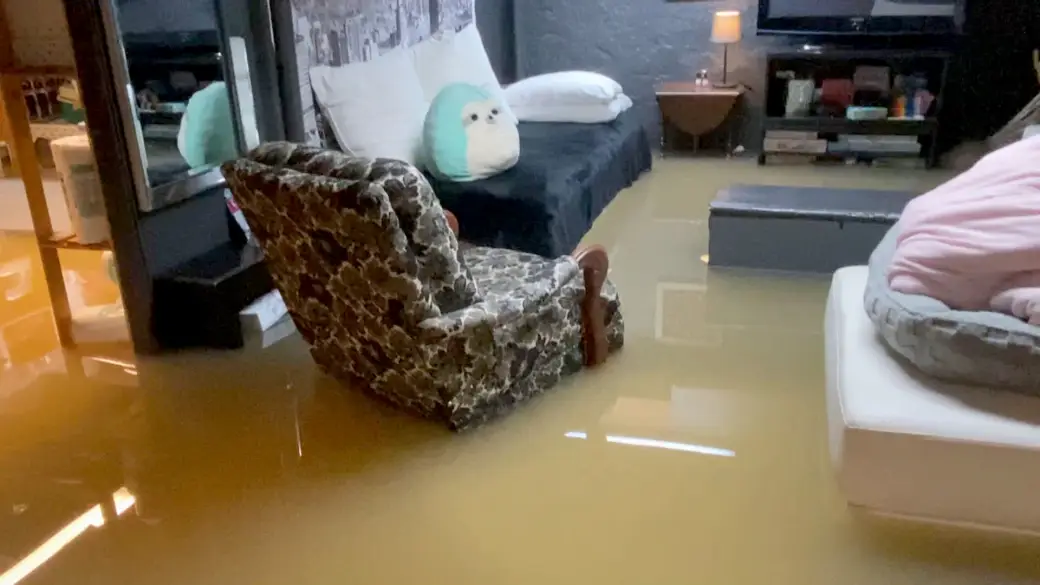
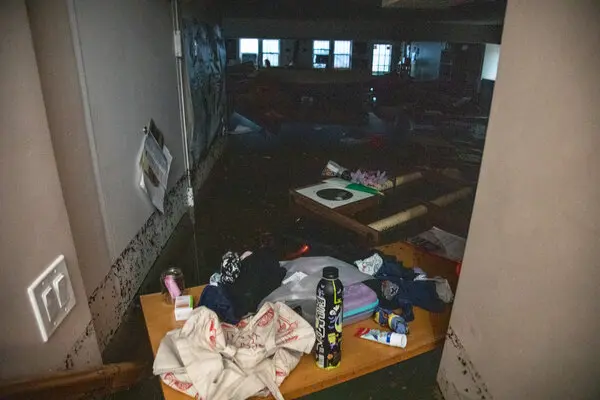
Flood prevention starts with a solid understanding of how water can enter and damage your home. Common sources include heavy rain, overflowing gutters, poor drainage, and rising groundwater. By addressing these issues with targeted flood prevention projects, you can significantly reduce your risk.
- Exterior drainage: Ensuring water flows away from your foundation is critical.
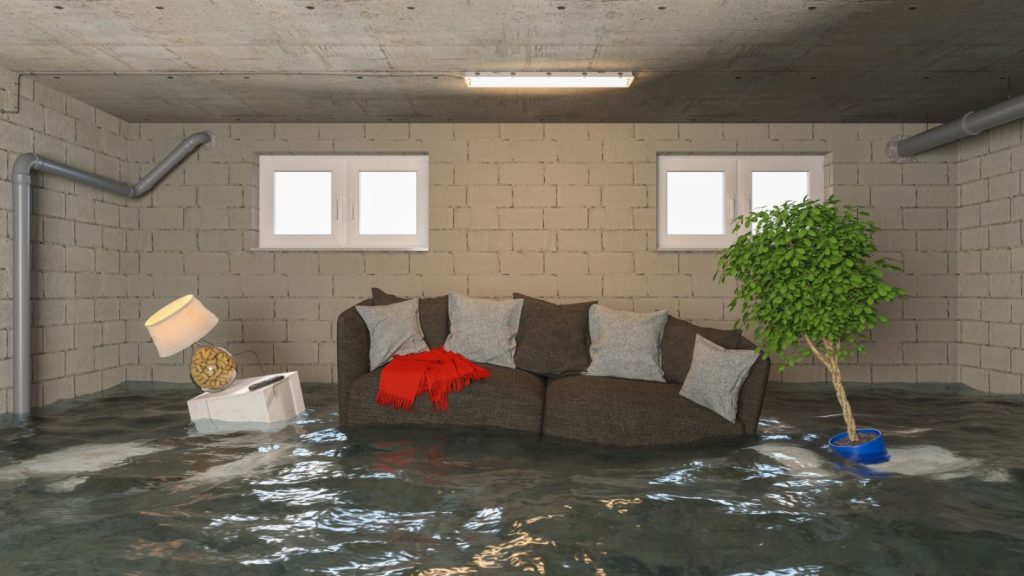
- Basement protection: Sealing cracks and installing sump pumps can prevent water intrusion.
- Gutter maintenance: Clean, well-functioning gutters and downspouts are essential for directing water away from your home.
For those living in urban environments, additional challenges may arise due to limited space and shared infrastructure. Learn more about urban home flood challenges and effective solutions for city dwellers.
Top DIY Projects to Minimize Flood Damage
Tackling flood prevention doesn’t always require professional help. Many effective solutions can be implemented with basic tools and materials. Here are some of the most impactful DIY flood prevention projects you can start today.
1. Install or Upgrade Sump Pumps
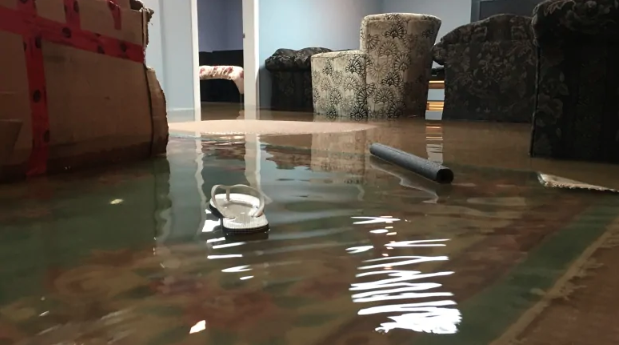
A sump pump is a crucial line of defense against basement flooding. If you already have one, test it regularly and consider adding a battery backup in case of power outages. For homes without a sump pump, installation kits are widely available and can be installed with moderate DIY skills.
2. Maintain Gutters and Downspouts
Clogged gutters are a leading cause of water pooling near foundations. Clean your gutters at least twice a year and ensure downspouts direct water at least six feet away from your home. Downspout extenders are affordable and easy to install, making them a smart addition to your flood prevention toolkit.
3. Apply Waterproof Sealant to Basement Walls
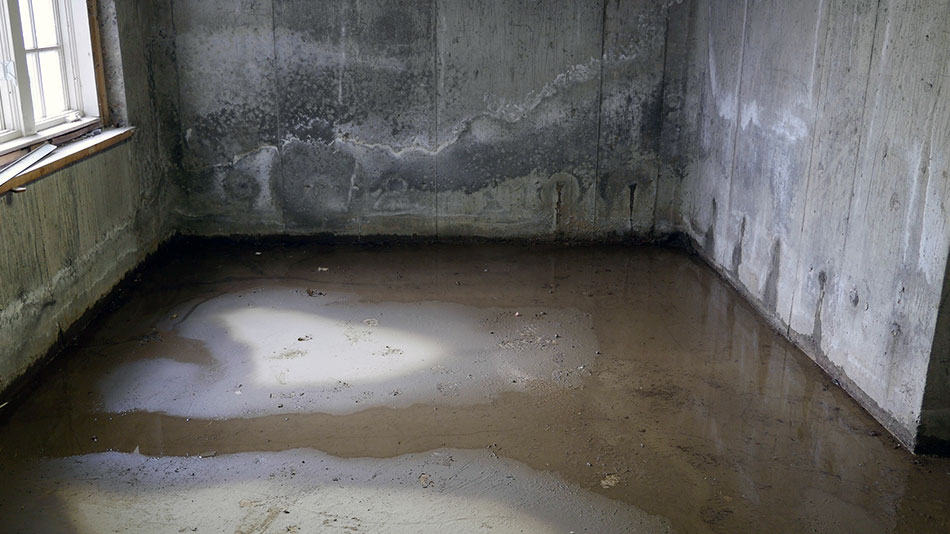
Sealing basement walls and floors with a waterproofing product can help block moisture and minor leaks. Focus on visible cracks and joints, and reapply sealant as needed to maintain protection over time.
4. Landscape for Better Drainage
Grading your yard so that it slopes away from your home is an effective way to keep water from pooling near your foundation. Use soil and mulch to build up low spots, and consider installing French drains or swales to channel water away from vulnerable areas.
Advanced DIY Solutions for Flood Prevention
For homeowners seeking extra protection, there are more advanced projects that can make a significant difference during major storms or flash floods.
Install Flood Barriers and Shields
Removable flood barriers can be placed at doors, windows, and garage entrances to block water during heavy rain events. These products are available in various sizes and can be installed quickly when a flood threat arises.
Backflow Prevention Valves
Sewer backups are a common problem during floods. Installing a backflow prevention valve on your main sewer line can stop contaminated water from entering your home. While this project may require some plumbing knowledge, many homeowners can tackle it with the right guidance.
Install Water Leak Detectors
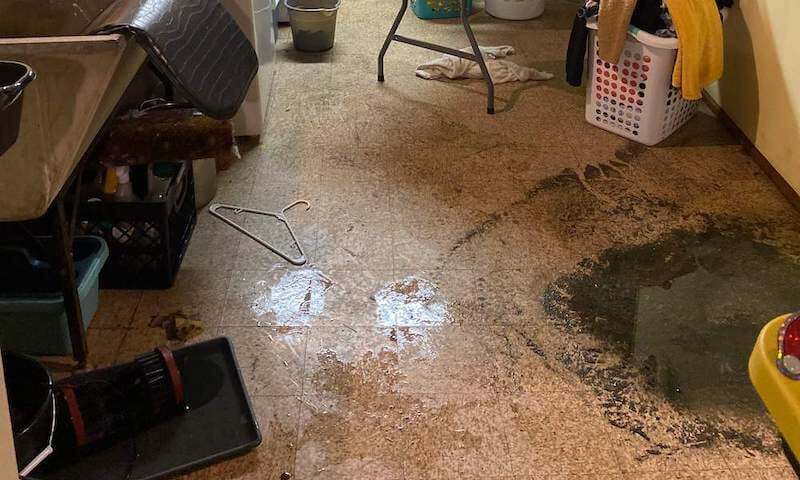
Smart water leak detectors can alert you to leaks before they become major problems. These devices are easy to install and can be placed near sump pumps, water heaters, and other vulnerable areas. Early detection gives you time to act and prevent extensive damage.
Additional Tips for Effective Flood Risk Management
While hands-on projects are essential, a comprehensive approach to flood protection includes a few more steps:
- Review your flood insurance waiting period to ensure you have coverage before disaster strikes.
- Understand common flood insurance myths so you can make informed decisions about your policy.
- Stay informed about local weather alerts and flood warnings.
- Keep important documents and valuables in waterproof containers or on higher floors.
For a broader perspective on how changing weather patterns are affecting homeowners, see this resource on increased rainfall flood risks.
Resources and Further Reading
For more ideas and detailed instructions, check out these ways to flood-proof your house from trusted experts. Combining these tips with your own DIY flood prevention projects will help you build a more resilient home.
Frequently Asked Questions
What are the most cost-effective DIY flood prevention methods?
Some of the most affordable options include cleaning gutters, extending downspouts, applying waterproof sealant to basement walls, and grading your yard for better drainage. These projects require minimal investment but can have a significant impact on reducing flood risk.
How often should I inspect and maintain my flood prevention measures?
It’s best to inspect gutters, sump pumps, and seals at least twice a year—preferably before the rainy season and after major storms. Regular maintenance ensures your systems are ready when you need them most.
Do I still need flood insurance if I complete these projects?
While DIY flood prevention projects greatly reduce your risk, they cannot guarantee complete protection. Flood insurance provides financial security in case of unexpected events, so it’s wise to maintain coverage even if you’ve implemented multiple safeguards.