Detecting early signs of water leaks in your home’s plumbing and walls is crucial for preventing costly repairs and minimizing damage. Even minor leaks can lead to mold growth, structural issues, and increased utility bills if left unaddressed. Understanding the subtle indicators of moisture problems empowers homeowners to act quickly, protecting both property and health.
This guide outlines the most common warning signals, explains why prompt attention matters, and offers practical steps for identifying and managing leaks. For additional tips on safeguarding your property, you may find resources like preventing water damage in homes helpful.
Why Early Detection of Leaks Matters
Water leaks rarely resolve on their own. Over time, even a small drip can cause extensive damage to walls, floors, and foundations. Early intervention helps you avoid:
- Mold and mildew growth that can impact indoor air quality and health
- Structural weakening of wood, drywall, and insulation
- Staining and deterioration of paint, wallpaper, and flooring
- Unexpected spikes in water bills
- Potential electrical hazards if water reaches wiring
Addressing leaks promptly not only saves money but also preserves the comfort and safety of your living space.
Common Early Signs of Water Leaks in Homes
Recognizing the early signs of water leaks can be the difference between a simple fix and a major renovation. Here are the most frequent indicators that moisture may be seeping into unwanted areas:
Unexplained Increase in Water Bills
If your water bill rises without a clear reason, it may signal a hidden leak. Compare your current usage to previous months. A steady increase, even when your habits haven’t changed, warrants investigation.
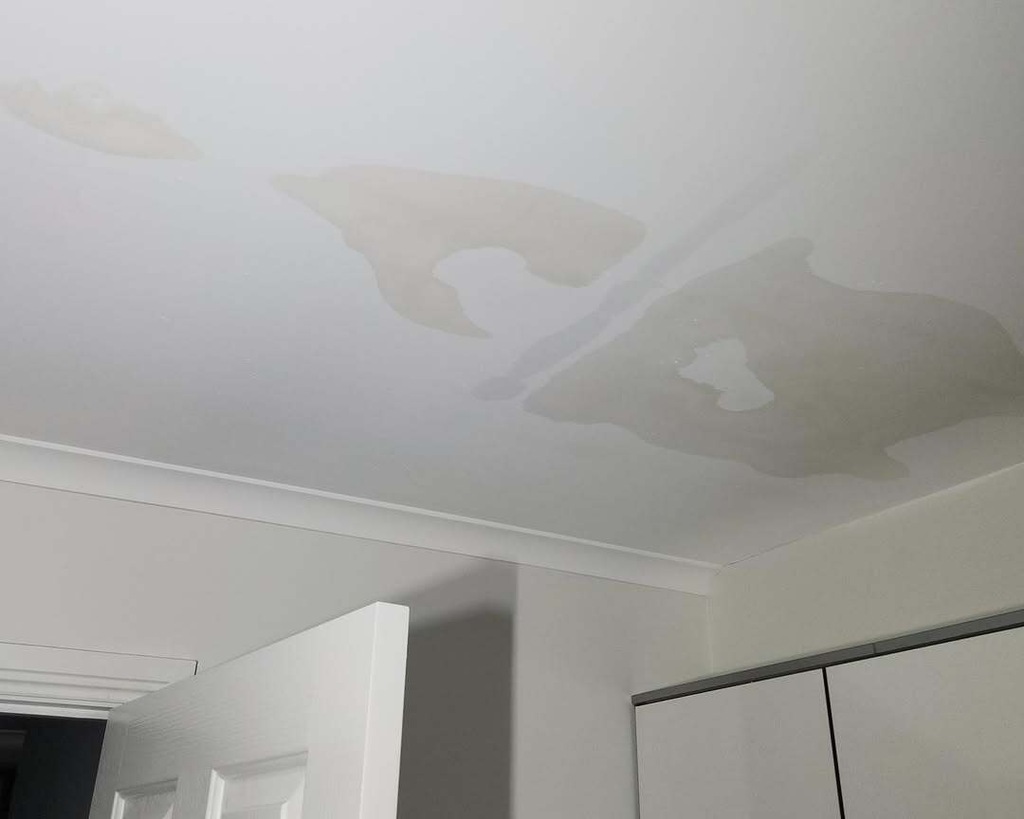
Visible Stains and Discoloration
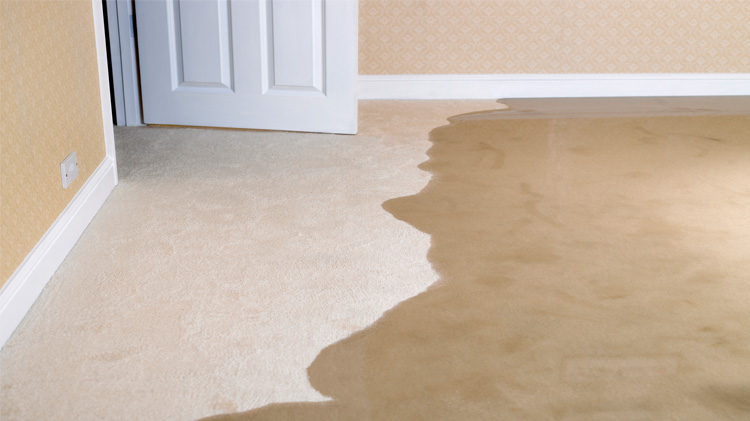
Brown, yellow, or copper-colored stains on ceilings, walls, or floors often point to moisture intrusion. These marks may expand over time and are typically accompanied by a musty odor.
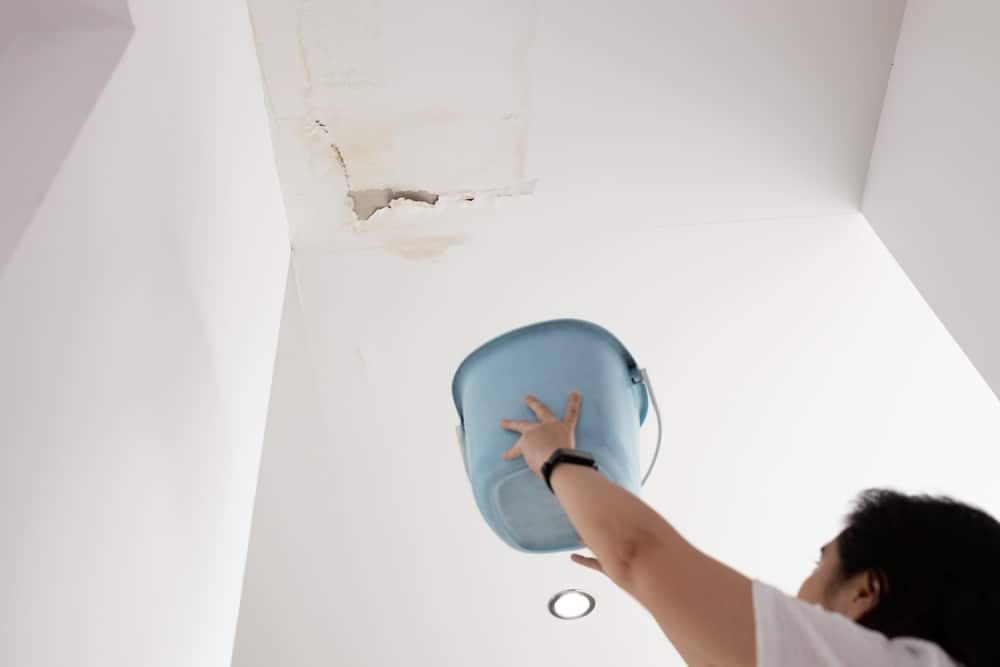
Peeling Paint or Wallpaper
Moisture behind walls can cause paint to bubble, crack, or peel. Wallpaper may start to lift or develop air pockets. These changes often occur near plumbing fixtures or on exterior walls.
Musty or Damp Odors
Persistent, earthy smells are a classic sign of hidden water problems. Mold and mildew thrive in damp environments, producing odors that linger even after cleaning.
Warped or Buckling Surfaces
Floors, baseboards, and drywall that appear warped, swollen, or soft to the touch may be absorbing water. This is especially common in bathrooms, kitchens, and basements.
Sounds of Dripping or Running Water
Hearing water moving when all taps are off can indicate a leak inside walls or under floors. Listen for dripping, hissing, or rushing sounds, especially at night when the house is quiet.
Mold Growth in Unusual Places
Mold typically appears in damp areas like bathrooms, but its presence on ceilings, behind furniture, or in closets suggests a hidden moisture source. Mold can be black, green, or white and may spread quickly if not addressed.
How to Check for Hidden Leaks
If you notice any of the above warning signs, take these steps to confirm and locate the source:
- Monitor your water meter: Turn off all water-using appliances and fixtures. If the meter continues to move, a leak is likely present.
- Inspect under sinks and around appliances: Look for puddles, corrosion, or dampness near dishwashers, washing machines, and water heaters.
- Check exterior walls and foundations: Water stains or efflorescence (white, chalky residue) can indicate seepage from outside.
- Use moisture meters: These devices detect elevated moisture levels in walls and floors, helping pinpoint hidden leaks.
- Consider professional help: Plumbers and water damage specialists have tools like infrared cameras to find leaks without invasive demolition.
Preventing Water Damage from Leaks
Proactive maintenance is the best defense against water-related issues. Here are some effective strategies:
- Regularly inspect pipes, hoses, and connections for signs of wear or corrosion
- Install leak detectors and automatic shutoff valves for added protection
- Seal gaps and cracks in walls, windows, and foundations to prevent moisture intrusion
- Keep gutters and downspouts clear to direct water away from your home
- Address plumbing repairs promptly, even for minor drips
For more comprehensive advice, consult guides on how to prevent water damage in residential properties.
Frequently Asked Questions
What are the most common sources of hidden water leaks?
The most frequent culprits include leaking pipes behind walls, faulty appliance hoses, damaged roof flashing, and cracks in foundations. Bathrooms and kitchens are especially prone to concealed leaks due to the concentration of plumbing.
How can I tell if a stain on my ceiling is from a leak?
Water stains are often yellow, brown, or copper-toned and may feel damp to the touch. If the stain grows larger after rain or when plumbing is used, it’s likely caused by a leak rather than a one-time spill.
Are there tools that help detect leaks before damage occurs?
Yes, there are several devices designed for early detection. Water leak detectors can sense moisture and alert you to problems before they escalate. Some models even shut off the water supply automatically to prevent flooding.