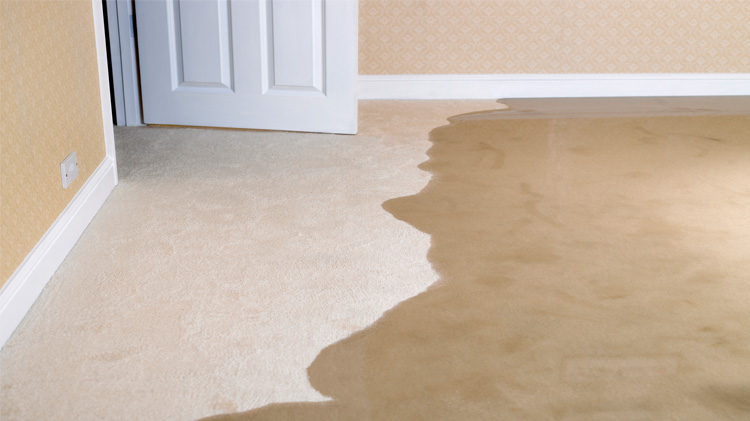
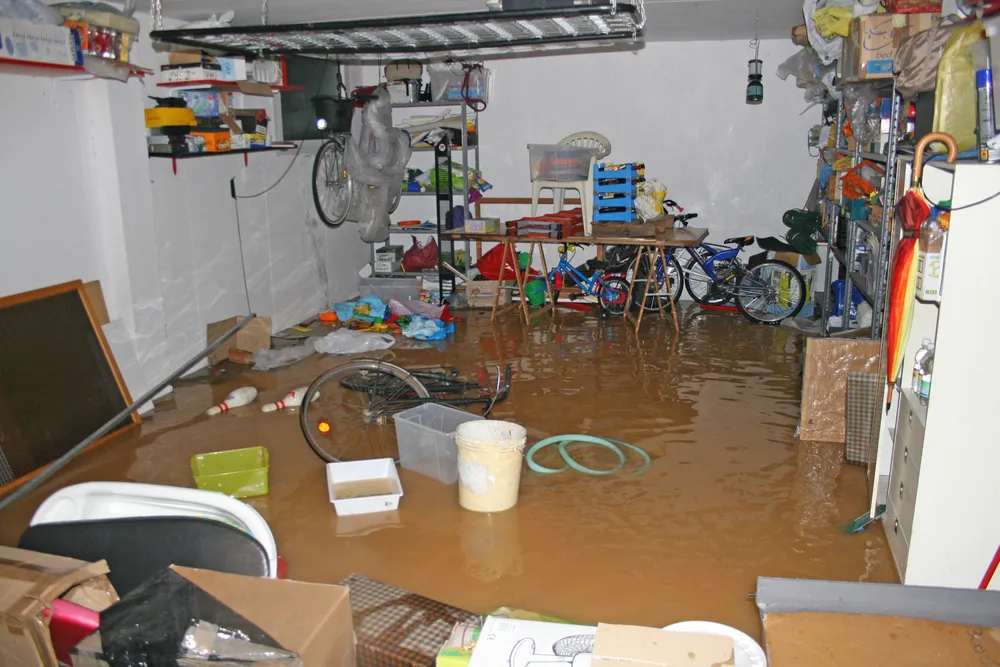
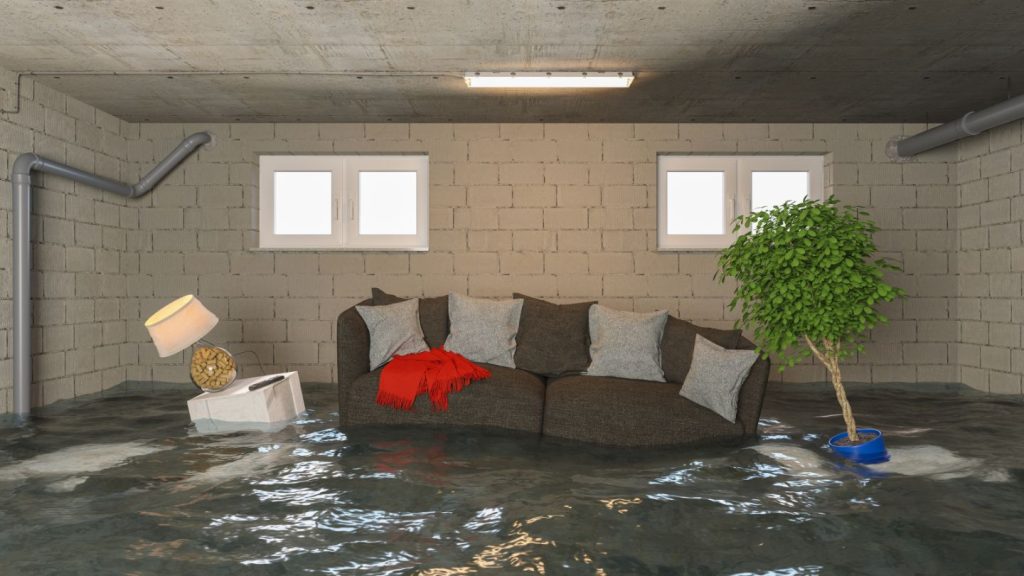
Floods are among the most common and destructive natural disasters, impacting thousands of homes every year. Being ready for rising water is essential for protecting your property and ensuring your family’s safety. A well-organized flood emergency preparedness checklist can help you act quickly and effectively when every minute counts.
Whether you live in a flood-prone area or simply want to be proactive, understanding the steps to take before, during, and after a flood can make a significant difference. This guide walks you through practical actions, from safeguarding important documents to preparing your home’s plumbing. For additional insights on keeping your household safe, you may also find these flood safety tips for families helpful.

Why a Home Flood Preparedness Plan Matters
Floods can happen suddenly, sometimes with little warning. Having a clear plan in place reduces panic and confusion, allowing you to focus on what matters most: your family’s safety and minimizing damage to your property. By following a flood emergency preparedness checklist, you ensure that critical tasks are not overlooked in stressful situations.
Key Steps for Flood Emergency Readiness
Preparing your home and family for potential flooding involves a combination of preventive measures, emergency supplies, and clear communication. The following sections break down essential steps to help you stay ahead of flood risks.
1. Assess Your Flood Risk and Insurance Coverage
- Check if your home is located in a flood-prone area using local government resources or flood maps.
- Review your homeowner’s insurance policy to confirm whether it covers flood damage. Most standard policies do not include flood protection, so consider purchasing additional coverage if needed.
- Take photos or videos of your property and belongings for insurance documentation.
2. Prepare Your Home’s Structure and Utilities
- Install sump pumps and check that they are working properly.
- Seal cracks in your foundation, basement walls, and around windows or doors.
- Elevate electrical panels, appliances, and HVAC systems above potential flood levels.
- Keep gutters and drains clear of debris to allow water to flow away from your home.
- Consider using water leak detectors for early warning of leaks or flooding. For more on protecting your plumbing, see these plumbing maintenance tips for homeowners.

3. Create an Emergency Supply Kit
Having essential supplies ready can make a big difference if you need to evacuate or shelter in place. Your kit should include:
- Bottled water (at least one gallon per person per day for three days)
- Non-perishable food and a manual can opener
- Flashlights and extra batteries
- First aid supplies and necessary medications
- Important documents (ID, insurance papers, medical records) in a waterproof container
- Battery-powered or hand-crank radio for emergency updates
- Cash and emergency contact information
- Extra clothing, blankets, and personal hygiene items
4. Plan for Evacuation and Communication
- Identify multiple evacuation routes in case roads are blocked or flooded.
- Establish a meeting place for your family if you become separated.
- Make sure all household members know how to turn off utilities such as gas, electricity, and water.
- Prepare a list of emergency contacts, including local authorities and neighbors.
- Stay informed by signing up for local weather alerts and monitoring official sources.
5. Protect Your Home’s Plumbing and Appliances
Water can enter your home through more than just doors and windows. Take steps to minimize risk from internal sources:
- Inspect and maintain your plumbing regularly to prevent leaks and blockages.
- Install backflow valves on drains and toilets to prevent sewage from backing up.
- Unplug electrical appliances and move them to higher ground if flooding is imminent.
- For more on preventing water damage from appliances, check out these dishwasher leak prevention strategies.
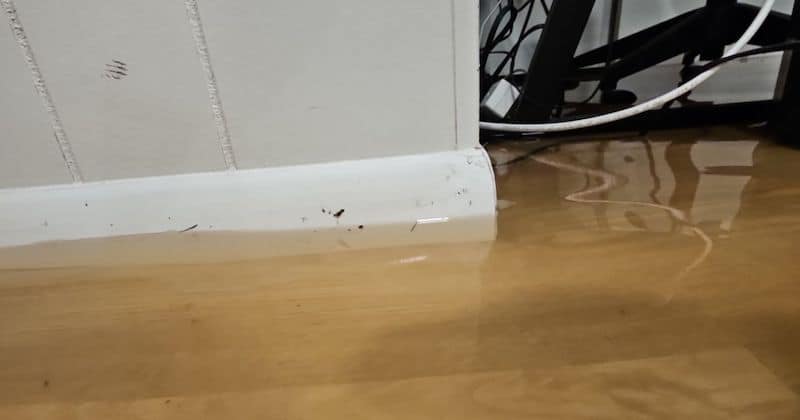
What to Do During a Flood Warning
- Move valuables, important documents, and electronics to higher levels.
- Listen to local authorities for evacuation orders or safety instructions.
- Avoid walking or driving through floodwaters, as even shallow water can be dangerous.
- Keep your emergency kit accessible and ready to go.
- If you have time, disconnect utilities to reduce the risk of fire or electrical hazards.
After the Flood: Recovery and Safety Steps
- Wait for official confirmation that it is safe to return home.
- Wear protective clothing and boots when entering your property.
- Document any damage with photos for insurance claims.
- Discard food and water that may have been contaminated.
- Clean and disinfect all surfaces and items that came in contact with floodwater.
- For tips on reducing further harm, see this guide on minimizing flood damage at home.
Additional Resources for Flood Planning
For more detailed advice on preparing your home before a flood, visit this comprehensive flood preparedness resource. Staying informed and proactive is the best way to protect your loved ones and property.
Frequently Asked Questions
What should I include in my flood emergency kit?
Your kit should have bottled water, non-perishable food, a flashlight, batteries, first aid supplies, medications, important documents in a waterproof container, a radio, cash, and personal hygiene items. Adjust the contents based on your family’s specific needs.
How can I protect my home’s plumbing during a flood?
Regular maintenance is key. Inspect pipes for leaks, install backflow valves, and consider water leak detectors for early warnings. For more guidance, refer to plumbing maintenance for homeowners.
Is flood insurance necessary if I don’t live in a high-risk area?
Flooding can occur anywhere, not just in designated flood zones. Insurance offers financial protection and peace of mind, so it’s worth considering even if your risk appears low.
What are the first steps to take after a flood?
Wait for official clearance before returning home. Document damage, wear protective gear, and clean all affected areas thoroughly. Discard any food or water that may have been contaminated.
Conclusion
Taking the time to follow a flood emergency preparedness checklist can help you respond quickly and confidently when flooding threatens your home. By planning ahead and staying informed, you can reduce risks, protect your property, and keep your family safe in the face of rising waters.