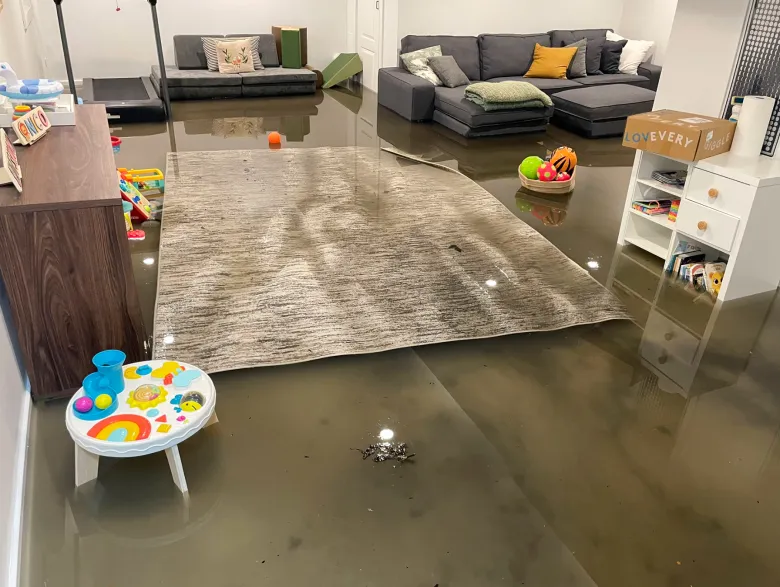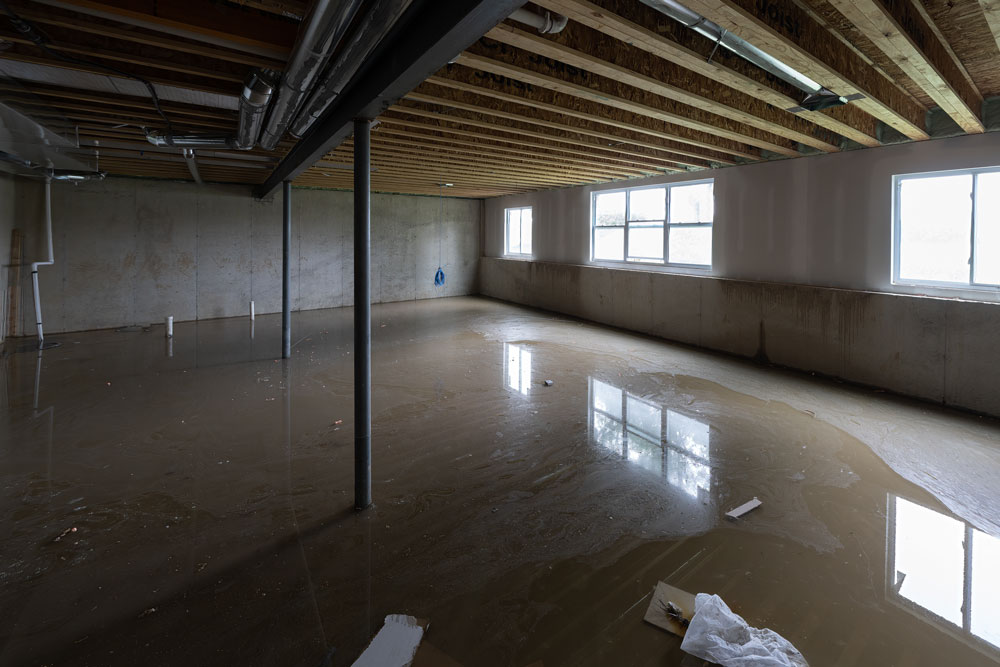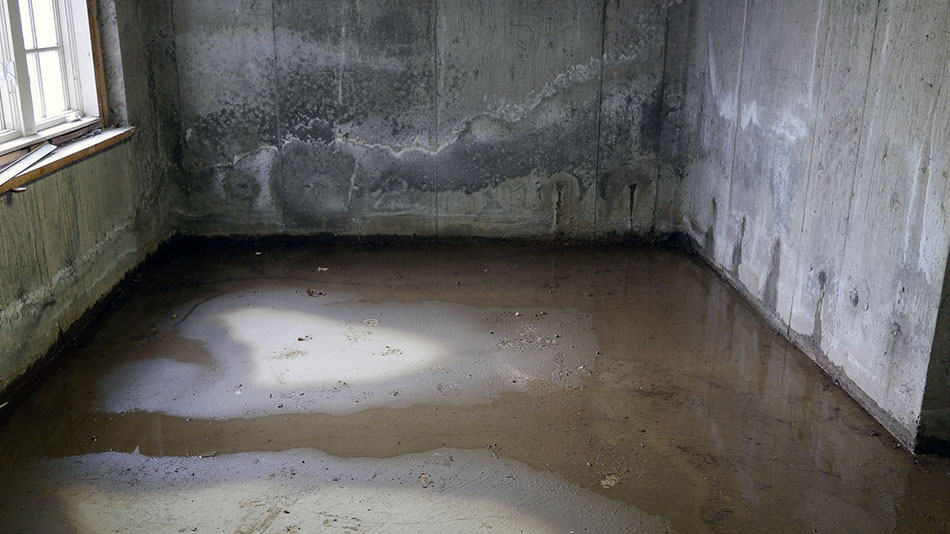
Flooding is one of the most common and costly natural disasters affecting homeowners across the United States. Yet, many people are surprised to learn that standard homeowners insurance policies typically do not cover flood damage. Understanding flood insurance basics is essential for protecting your property, finances, and peace of mind. This article breaks down the essentials, including what flood insurance covers, why it matters, and how to make informed decisions for your home.
If you’ve recently experienced water damage or want to be proactive, learning about flood insurance coverage and related recovery steps can help you minimize risk. For those dealing with the aftermath of a flood, resources like what to do after home flooding offer practical guidance for recovery and safety.
Understanding the Fundamentals of Flood Insurance
Many homeowners mistakenly believe that their regular insurance policy will cover all types of water damage. However, flood insurance basics differ significantly from standard coverage. Flood insurance is a separate policy designed specifically to protect against losses caused by flooding, which is defined as a temporary overflow of water onto normally dry land.
- Flood insurance is not included in most homeowners or renters insurance policies.
- It covers damage caused by natural flooding events, such as heavy rain, hurricanes, or overflowing rivers.
- Most policies are underwritten by the National Flood Insurance Program (NFIP), though some private insurers also offer coverage.
To determine your risk, it’s important to check if your property is located in a flood-prone area. FEMA’s flood maps and local government resources can help you assess your vulnerability.
What Flood Insurance Covers and What It Doesn’t
Knowing what is included—and excluded—in your policy is a key part of flood insurance basics. Generally, coverage is divided into two categories: building property and personal contents.
- Building property coverage typically includes the structure of your home, foundation, electrical and plumbing systems, HVAC equipment, and major appliances.
- Personal contents coverage protects belongings like furniture, clothing, electronics, and certain valuables.
However, there are important exclusions. Most policies do not cover damage to landscaping, currency, precious metals, or vehicles. Additionally, temporary housing and loss of income are not covered by standard flood insurance.
How to Purchase Flood Insurance and Estimate Costs
Buying flood insurance is a straightforward process, but there are a few important steps. First, contact your insurance agent or a company that participates in the NFIP. You can also explore private insurers, which may offer broader coverage or higher limits.
- Assess your flood risk using FEMA maps or local resources.
- Decide how much coverage you need for both your building and contents.
- Compare quotes and policy options from different providers.
- Understand the waiting period—most policies take 30 days to become effective.
The cost of flood insurance varies based on factors such as your property’s location, elevation, age, and the amount of coverage you select. Homes in high-risk flood zones will have higher premiums, while those in moderate- or low-risk areas may qualify for preferred rates.
Why Flood Insurance Is Essential for Homeowners
Even if you don’t live in a high-risk area, floods can happen anywhere. According to FEMA, over 20% of flood claims come from properties outside mapped high-risk zones. Without proper coverage, homeowners may face significant out-of-pocket expenses for repairs and replacements.
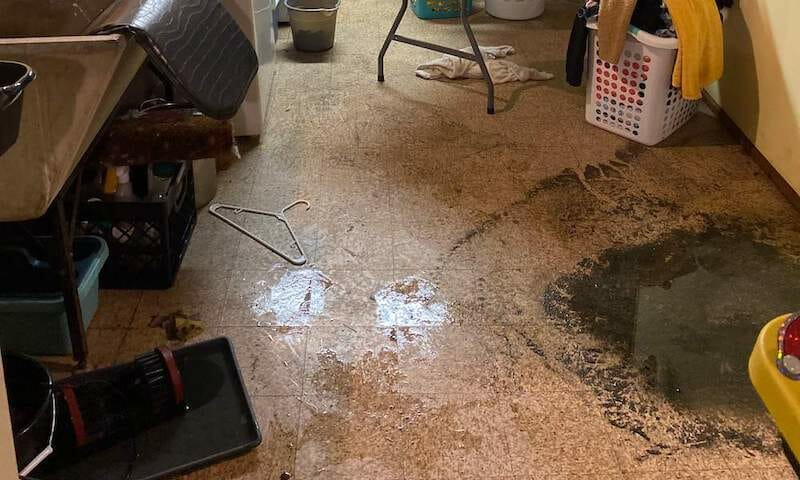
Flooding can also lead to secondary issues, such as mold growth and structural damage. Taking preventive measures—like installing sump pumps, sealing basement walls, and using dehumidifiers after flooding—can help reduce the impact, but insurance remains a critical safety net.
Tips for Reducing Flood Risk and Protecting Your Home
While insurance is vital, prevention is equally important. Homeowners can take several steps to reduce their risk of flood damage:
- Install water leak detectors and alarms in basements and near appliances.
- Keep gutters and downspouts clear to direct water away from your foundation.
- Seal cracks in your basement walls and floors.
- Consider landscaping changes to improve drainage around your property.
- Store valuable items and important documents above ground level.
For more detailed strategies, check out these practical ways to flood-proof your house.
After a flood, it’s crucial to follow flood cleanup safety tips and take steps to prevent mold growth after flood to ensure your home remains safe and healthy.
Frequently Asked Questions About Flood Insurance
Is Flood Insurance Required by Law?
Flood insurance is mandatory for homeowners with federally backed mortgages in designated high-risk flood zones. For others, it is optional but highly recommended, especially in areas with a history of flooding or unpredictable weather patterns.
How Soon Does Flood Insurance Take Effect?
Most flood insurance policies have a 30-day waiting period before coverage begins. This means you cannot purchase a policy at the last minute when a storm is approaching and expect immediate protection.
What Should I Do After a Flood Damages My Home?
After a flood, prioritize safety and document all damage with photos and videos. Contact your insurance provider as soon as possible to start the claims process. For step-by-step recovery advice, refer to resources on preparing for floods and recovering after home flooding.
Can I Get Flood Insurance If I’m Not in a High-Risk Area?
Yes, flood insurance is available to homeowners in moderate- and low-risk zones, often at lower premiums. It’s a smart investment, as floods can occur anywhere and cause significant damage even outside high-risk areas.
Conclusion
Understanding flood insurance basics empowers homeowners to make informed decisions about protecting their property and finances. While prevention and preparedness go a long way, having the right insurance coverage ensures you’re not left facing overwhelming costs after a disaster. Review your current policies, assess your risk, and consider taking steps today to secure your home against future flooding events.