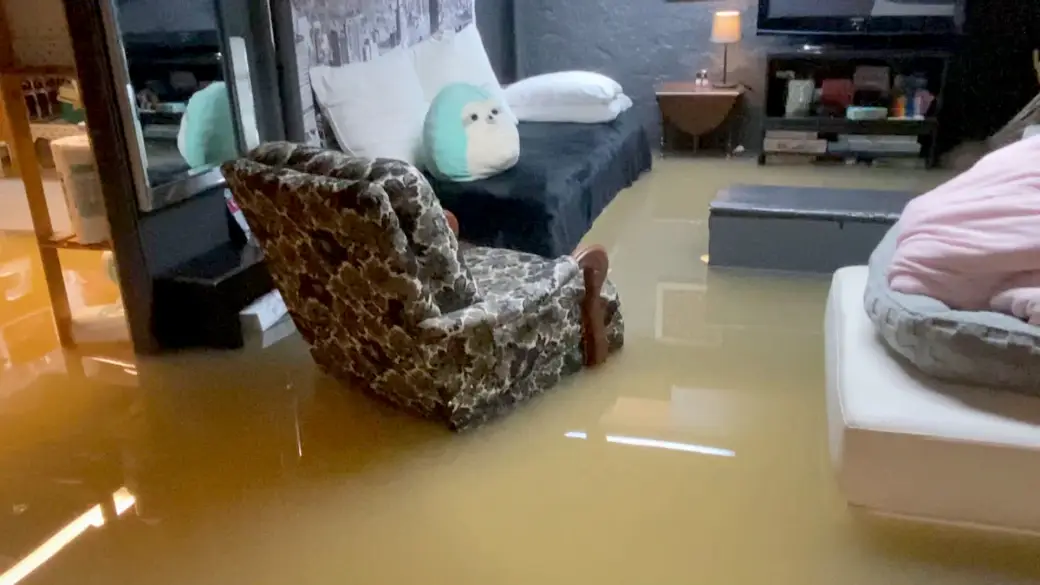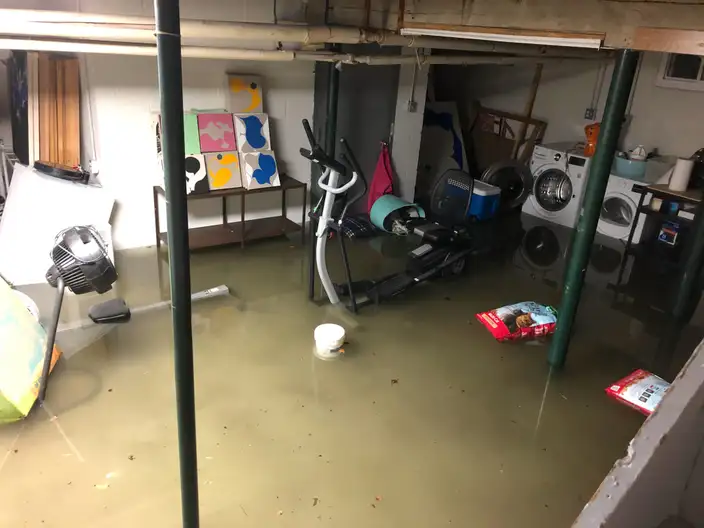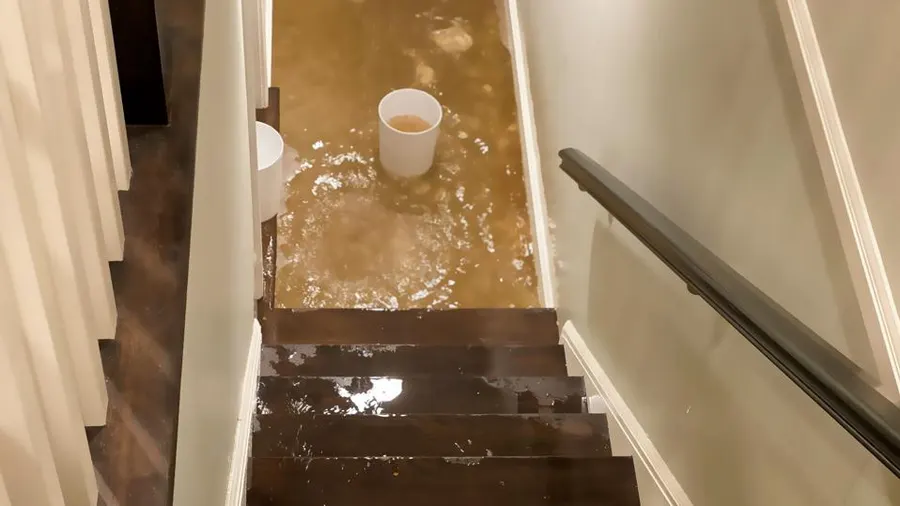
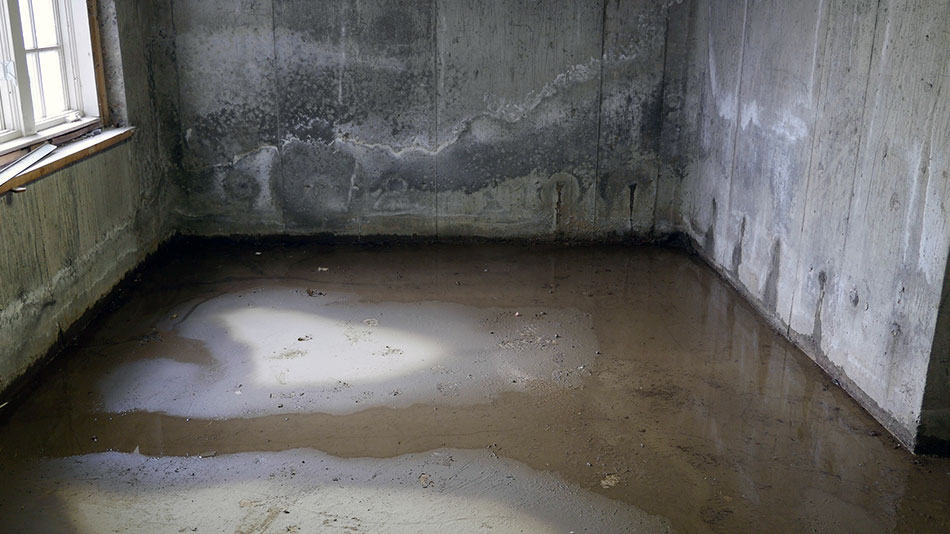
Flooding can cause significant damage to homes, disrupt daily life, and lead to expensive repairs. Whether you live in a flood-prone area or simply want to be prepared for unexpected weather events, having a clear plan is essential. This guide provides a comprehensive flood prevention checklist for homeowners, covering practical steps to protect your property, minimize risk, and respond effectively if water threatens your home.
By following these strategies, you can reduce the likelihood of water intrusion and safeguard your investment. For those seeking more advanced solutions, consider exploring automated flood protection systems that offer real-time monitoring and rapid response capabilities.
Why Every Home Needs a Flood Preparedness Plan
Flooding is not limited to coastal regions or areas near rivers. Heavy rain, melting snow, or even a burst pipe can result in water damage. A well-structured plan helps you act quickly, reducing the impact on your home and belongings. Insurance claims for water damage are among the most common, and many losses can be prevented with proactive measures.
Homeowners who invest time in flood readiness often experience less disruption and lower repair costs. Simple actions, such as maintaining gutters or installing water alarms, can make a significant difference.
Exterior Maintenance: First Line of Defense
The outside of your house is your first barrier against water intrusion. Regular upkeep and smart landscaping choices can direct water away from your foundation and prevent pooling.
- Clean gutters and downspouts at least twice a year to ensure water flows away from your home.
- Extend downspouts so they discharge at least six feet from the foundation.
- Inspect your roof for missing or damaged shingles and repair promptly.
- Seal cracks in exterior walls and foundations with waterproof caulk.
- Grade soil around your home to slope away from the foundation, preventing water from collecting near the base.
- Consider installing permeable pavement to reduce runoff and improve drainage.
Interior Protection: Keeping Water Out and Damage Down
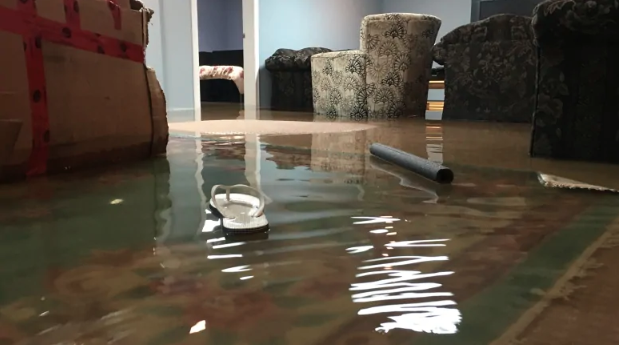
Even with robust exterior defenses, water can sometimes find its way inside. Taking steps to protect your basement, crawl spaces, and lower floors is crucial for limiting damage.
- Install a sump pump with a battery backup to remove water during power outages.
- Use water leak detectors near appliances, water heaters, and in basements for early warning.
- Seal basement walls with waterproofing paint or membrane systems.
- Store valuables and important documents in waterproof containers or on upper floors.
- Elevate electrical outlets, switches, and appliances above potential flood levels.
- Check for signs of moisture or mold regularly and address issues promptly.
Smart Technology for Flood Prevention
Modern technology offers homeowners new ways to monitor and prevent water damage. From smart sensors to automated alerts, these tools can provide peace of mind and rapid response.
- Set up smart home flood alerts for real-time notifications if water is detected.
- Integrate water shut-off valves that automatically stop the flow when a leak is detected.
- Monitor humidity and temperature to identify conditions that could lead to condensation or leaks.
- Review low-cost flood prevention tips for affordable ways to enhance your home’s defenses.
Emergency Readiness: Responding When Flooding Threatens
Preparation is key to minimizing loss if a flood warning is issued or water begins to enter your home. Having supplies and a clear action plan can make all the difference.
- Keep an emergency kit with flashlights, batteries, bottled water, non-perishable food, and first aid supplies.
- Know how to shut off electricity, gas, and water at the main switches or valves.
- Move furniture and electronics to higher ground if flooding is imminent.
- Document your belongings with photos or video for insurance purposes.
- Stay informed through local alerts and weather updates.
Long-Term Improvements for Flood Resilience
For homeowners planning renovations or building new homes, investing in flood-resistant materials and designs can provide lasting protection. Consider the following upgrades:
- Install flood vents in foundation walls to allow water to flow through without causing structural damage.
- Use water-resistant flooring and wall materials in basements and ground-level rooms.
- Elevate the structure above known flood levels if possible.
- Consult resources on flood protection for new homes for the latest strategies and building codes.
For more ideas, the NRDC’s guide to flood-proofing your house offers additional insights and practical tips.
Frequently Asked Questions
What are the most important steps to prevent flooding in my home?
The most effective actions include keeping gutters and downspouts clear, grading soil away from the foundation, sealing cracks, and installing sump pumps with battery backups. Using water leak detectors and maintaining your roof also play a crucial role in keeping water out.
How can technology help with flood prevention?
Smart sensors, automated shut-off valves, and real-time alert systems can detect leaks or rising water early, giving you time to act before damage occurs. These devices are especially useful for monitoring basements, crawl spaces, and areas prone to leaks.
Is flood insurance necessary if I follow all these steps?
While proactive measures can greatly reduce your risk, flood insurance is still recommended, especially in high-risk areas. Standard homeowners insurance typically does not cover flood damage, so a separate policy provides financial protection in case of severe events.