Building a new house is a significant investment, and safeguarding it from water damage is crucial, especially as severe weather events and flooding risks increase in many regions. Flood protection for new homes is not just about meeting local codes—it’s about ensuring long-term safety, comfort, and property value. Whether you’re a homeowner, builder, or developer, understanding the best ways to minimize flood risk from the start can save money, stress, and potential loss down the road.
This guide explores practical design choices, construction techniques, and technologies that help keep water out and minimize damage if flooding does occur. Early planning and proactive measures are key to making your new property resilient against rising water levels and unpredictable weather.
For those living in urban areas, unique challenges can arise due to dense infrastructure and limited drainage. If you want to learn more about these specific risks and how to address them, see urban home flood challenges.
Understanding Flood Risk for New Construction
Before breaking ground, it’s essential to assess the likelihood and severity of flooding at your chosen location. This involves more than checking a floodplain map—consider the history of local rainfall, soil drainage, and proximity to bodies of water. A thorough home flood risk assessment can help you identify vulnerabilities and inform smarter design choices.
- Site elevation: Building on higher ground or raising the foundation can significantly reduce exposure to floodwaters.
- Drainage patterns: Ensure that water flows away from the structure, not toward it, by grading the lot and installing proper drainage systems.
- Local regulations: Many municipalities have updated building codes to address increased rainfall and flooding. Always check current requirements before starting construction.
Designing Homes with Flood Resilience in Mind
Incorporating flood protection for new homes at the design stage is the most effective way to reduce risk. Modern building science and materials offer several options for keeping water out and minimizing damage.
Foundation and Structural Choices
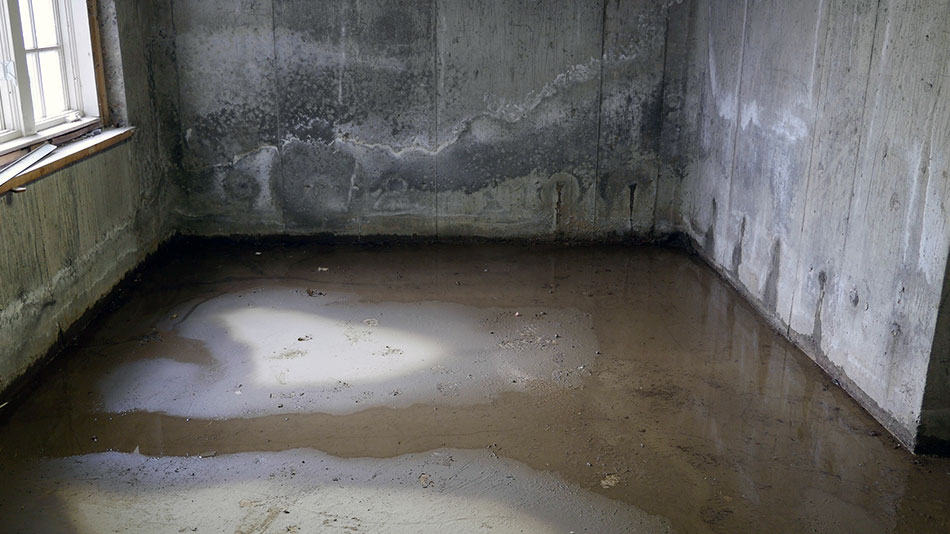
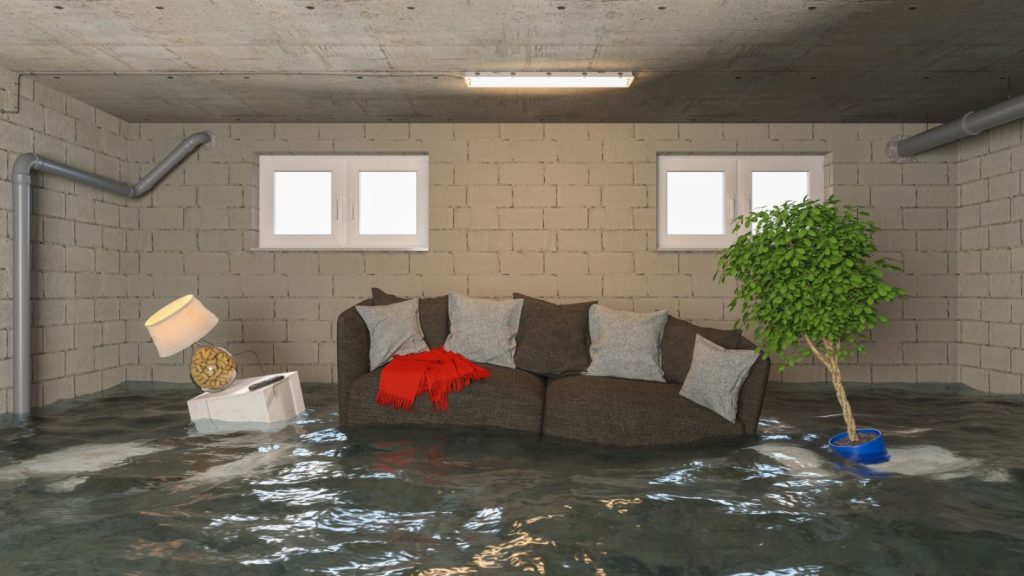
The type of foundation you choose can make a significant difference. Slab-on-grade and pier-and-beam foundations are often preferred in flood-prone areas, as they elevate the living space above potential water levels. Avoiding basements or ensuring they are properly waterproofed is also critical, since below-grade spaces are particularly vulnerable.

For more on how increased precipitation is affecting homeowners, visit our resource on increased rainfall flood risks.
Materials and Finishes That Resist Water Damage
Selecting the right materials is another layer of defense. Moisture-resistant drywall, closed-cell spray foam insulation, and tile or vinyl flooring can all help limit the impact of minor flooding. When possible, use pressure-treated lumber and rust-resistant fasteners for structural elements.
For a deeper dive into innovative building approaches, check out this guide to flood-resistant home design that covers materials and construction details proven to perform in wet conditions.
Smart Drainage and Water Management Solutions
Effective water management is a cornerstone of flood protection for new homes. Even the best-built house can be compromised if water is allowed to pool around the foundation or enter through weak points.
- Gutters and downspouts: Direct roof runoff well away from the house. Extensions and splash blocks can help prevent erosion and foundation seepage.
- French drains and sump pumps: These systems collect and redirect groundwater before it can enter your home. Sump pumps with battery backup are recommended for areas with frequent storms.
- Permeable landscaping: Using gravel, pavers, and native plants allows rainwater to soak into the ground rather than running off toward the structure.

Technologies and Devices for Early Warning
Modern technology offers homeowners additional peace of mind. Installing water leak detectors, smart sump pumps, and flood sensors can provide early alerts and help you act quickly to prevent extensive damage. These devices are especially valuable in areas where storms can develop rapidly or where you may not always be home to monitor conditions.
Integrating these systems with your home’s automation platform can allow for remote monitoring and even automatic shutoff of water supplies in the event of a detected leak.
Insurance and Financial Safeguards
Even with the best planning, it’s impossible to eliminate all risk. That’s why securing appropriate insurance is a critical part of a comprehensive flood protection plan. Be aware that standard homeowner’s policies often exclude flood damage, so a separate policy may be necessary.
It’s also important to understand the flood insurance waiting period and other key details, so you’re not caught off guard by coverage gaps.
Maintenance and Ongoing Vigilance
Flood resilience is not a one-time effort. Regular maintenance—such as clearing gutters, checking sump pumps, and inspecting seals around windows and doors—can prevent small issues from becoming major problems. Stay informed about local flood risks and be prepared to take action when severe weather is forecast.
Don’t fall for common misconceptions about coverage or risk. Our article on flood insurance myths helps clarify what’s true and what’s not when it comes to protecting your investment.
Frequently Asked Questions
What are the most effective ways to prevent flooding in new homes?
The most effective strategies include building above known flood levels, using water-resistant materials, installing proper drainage systems, and integrating early warning technologies like water leak detectors. Combining these approaches greatly reduces the risk of water intrusion and damage.
Is flood insurance necessary for new construction?
Yes, flood insurance is highly recommended, even for newly built homes. Many standard policies do not cover flood damage, so a separate policy is often needed. It’s best to secure coverage early, as there is typically a waiting period before it takes effect.
How can smart technology help with flood protection?
Smart devices such as leak detectors, sump pumps with sensors, and integrated home monitoring systems can provide real-time alerts and even automate responses to water intrusion. These tools help homeowners respond quickly, minimizing potential damage.
Are basements a good idea in flood-prone areas?
Basements are generally riskier in areas with high flood potential. If a basement is included in the design, it should be thoroughly waterproofed, with sump pumps and backflow preventers installed. In many cases, slab-on-grade or raised foundations are safer choices.
What should I do if my area’s flood risk changes over time?
Stay updated on local flood maps and weather trends. If risk increases, consider retrofitting your home with additional protection measures, such as installing flood barriers or upgrading drainage systems. Regular maintenance and insurance updates are also important.