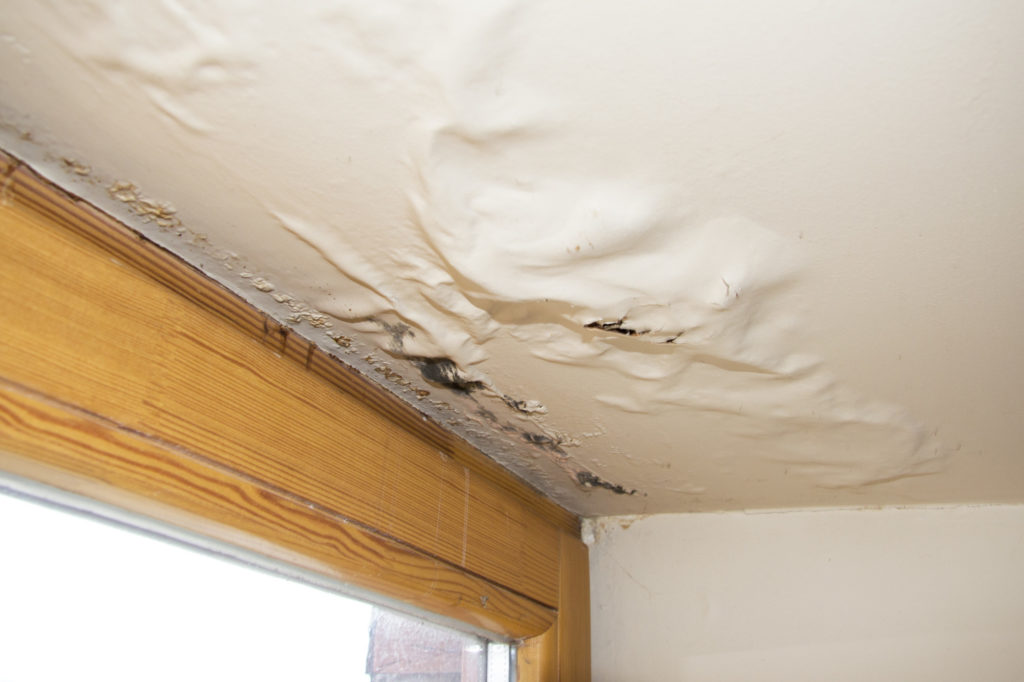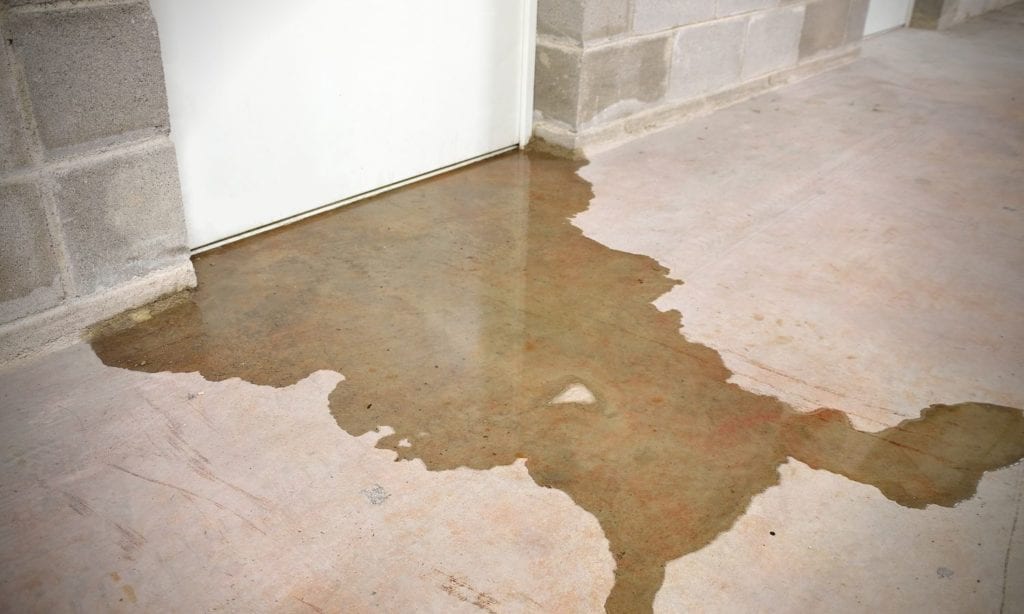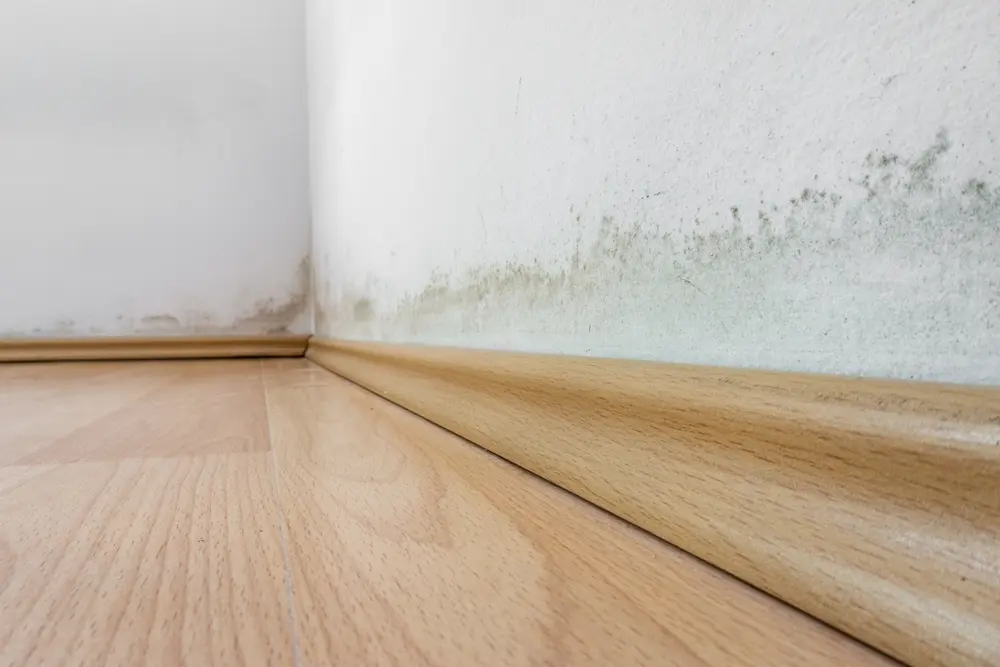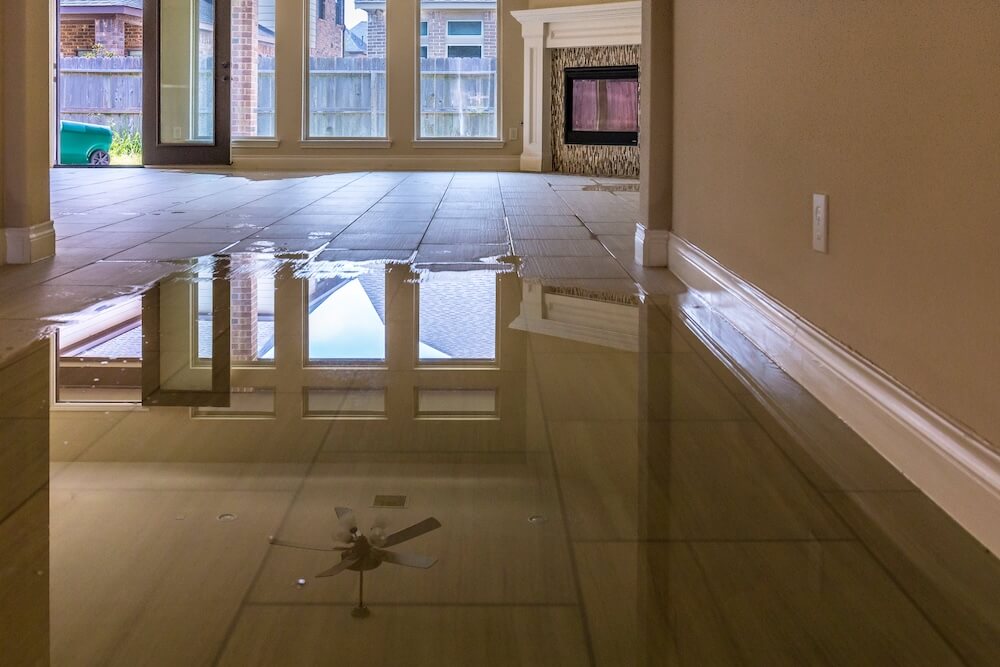
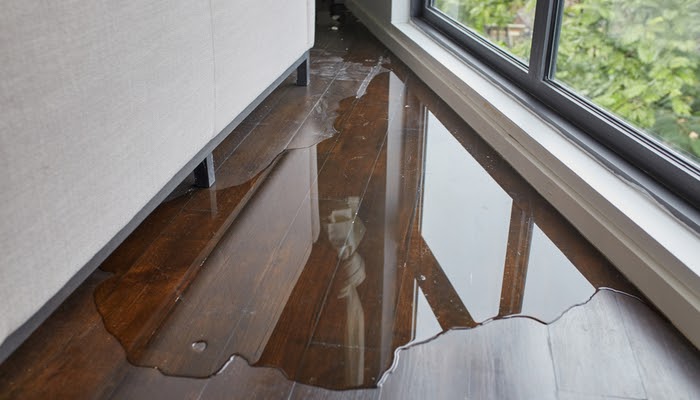
Excess water collecting near your house can cause a range of issues, from foundation damage to mold growth and landscape erosion. Grading your yard to prevent water pooling is a practical solution that helps direct rainwater away from your home, protecting both your property and your peace of mind. Understanding how to evaluate and adjust your yard’s slope is essential for homeowners seeking to avoid costly repairs and maintain a healthy landscape.
In this article, you’ll learn why proper yard grading matters, how to spot drainage problems, and the steps you can take to ensure water flows safely away from your foundation. If you’re interested in home maintenance, you might also find value in learning how to sanitize a cast iron press for your kitchen tools.
Why Yard Grading Matters for Drainage
The slope of your yard plays a critical role in managing stormwater. When the ground is not properly angled, water can collect near the base of your house. Over time, this can lead to foundation cracks, basement leaks, and even structural instability. Additionally, standing water creates a breeding ground for mosquitoes and can damage your lawn or garden beds.
By ensuring your property is graded correctly, you’re taking a proactive step to safeguard your investment. A gentle slope—typically a drop of 6 inches over the first 10 feet away from your home—is recommended for effective drainage.
Identifying Signs of Poor Drainage
Before making changes, it’s important to recognize the symptoms of inadequate grading. Some common indicators include:
- Puddles or soggy spots that linger after rain
- Water stains or efflorescence on your foundation walls
- Soil erosion or exposed roots near the house
- Mildew or musty odors in basements or crawl spaces
- Cracks in exterior walls or floors
If you notice any of these issues, it’s time to assess your yard’s slope and drainage patterns.
How to Assess Your Yard’s Slope
Determining whether your property needs regrading is straightforward. Here’s a simple method:
- Place a wooden stake about 10 feet away from your home’s foundation.
- Tie a string to the stake and stretch it to the base of your house, keeping it level using a carpenter’s level.
- Measure the vertical distance from the ground at the stake to the string. Ideally, this should be at least 6 inches lower than at the foundation.
If the difference is less than 6 inches, your yard may not be sloped enough to direct water away efficiently.
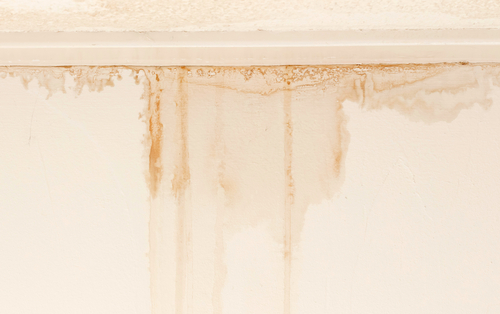
Steps for Grading Your Yard to Prevent Water Pooling
Once you’ve identified a grading issue, follow these steps to improve drainage and protect your home:
1. Plan the Slope
Map out the area around your home that needs adjustment. The goal is to create a gradual downward slope extending at least 10 feet from your foundation. Avoid creating steep drop-offs, as these can cause erosion.
2. Remove Obstacles and Debris
Clear away rocks, plants, and debris from the area to be regraded. This makes it easier to work the soil and ensures a smooth, even surface.
3. Add or Remove Soil as Needed
Use topsoil to build up low spots near the foundation. Spread the soil evenly and tamp it down to prevent settling. If there are high spots, remove excess soil and redistribute it as needed.
4. Check the Slope
Re-measure the slope using the string and stake method. Adjust until you achieve a consistent drop of about 6 inches over 10 feet.
5. Compact and Seed
Once the desired grade is achieved, compact the soil to minimize future settling. Reseed the area with grass or lay sod to help prevent erosion and absorb rainwater.
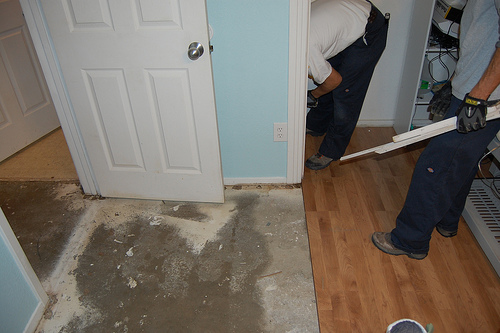
Additional Tips for Effective Drainage
- Install downspout extensions to carry roof runoff at least 6 feet away from your foundation.
- Use swales or shallow ditches to direct water toward a safe drainage area.
- Consider French drains or gravel trenches for areas with persistent pooling.
- Regularly inspect your yard after heavy rain to catch new trouble spots early.
For more in-depth advice on protecting your property from moisture, the Insurance Information Institute provides a helpful overview on how to protect your home from water damage.
Common Mistakes to Avoid When Adjusting Yard Slope
- Failing to compact the soil, which can lead to uneven settling and renewed drainage issues.
- Creating too steep a slope, causing soil erosion and landscape instability.
- Ignoring hardscape features like patios or walkways that may also need adjustment.
- Overlooking the importance of reseeding or mulching to prevent bare soil from washing away.
FAQ
How often should I check my yard’s grading?
It’s a good idea to inspect your yard’s slope at least once a year, especially after heavy storms or landscaping projects. Regular checks help you catch minor issues before they become major problems.
Can I fix poor grading myself, or should I hire a professional?
Many homeowners can handle minor grading adjustments with basic tools and some effort. However, for large areas, steep slopes, or if you’re unsure about the process, consulting a landscaping professional is recommended.
What if water still pools after regrading?
If you continue to see standing water, consider additional solutions like French drains, dry wells, or consulting a drainage expert. Persistent pooling may indicate underlying soil or site issues that require specialized attention.
Are there other ways to protect my home from water damage?
Yes, in addition to grading, regular gutter maintenance, installing sump pumps, and using leak detectors can further reduce the risk of water intrusion. For related home care, you might be interested in tips on how to store corn masa for pressing to keep your kitchen supplies fresh and safe.