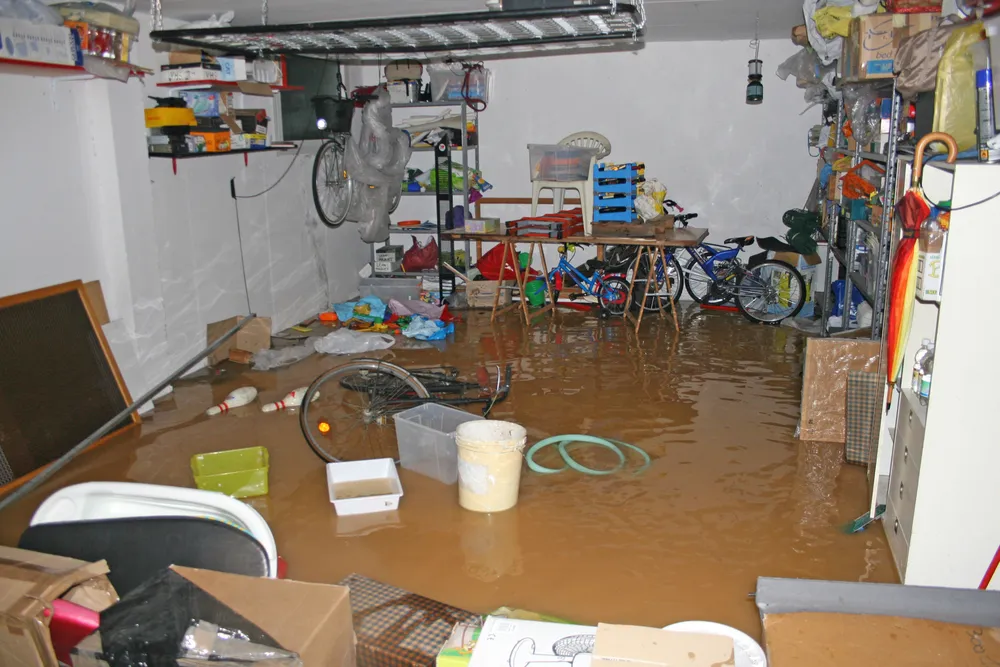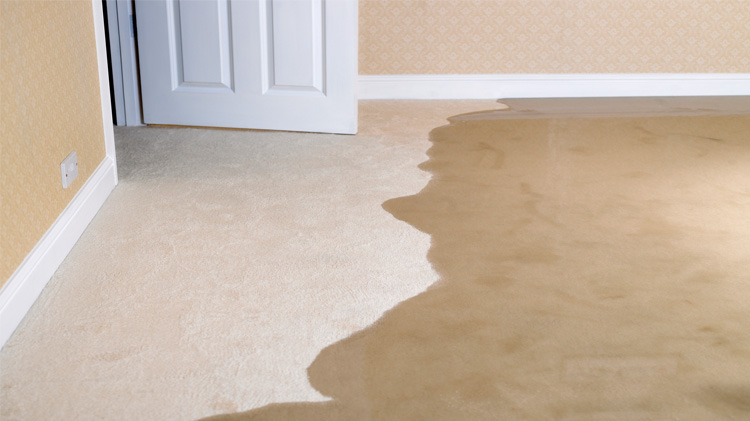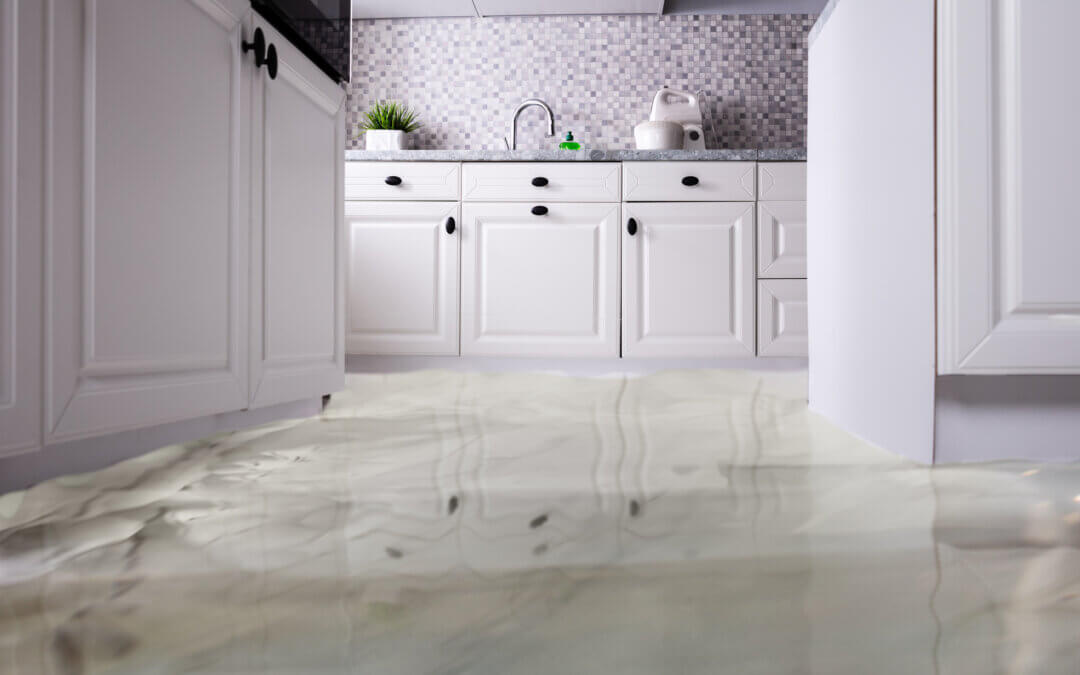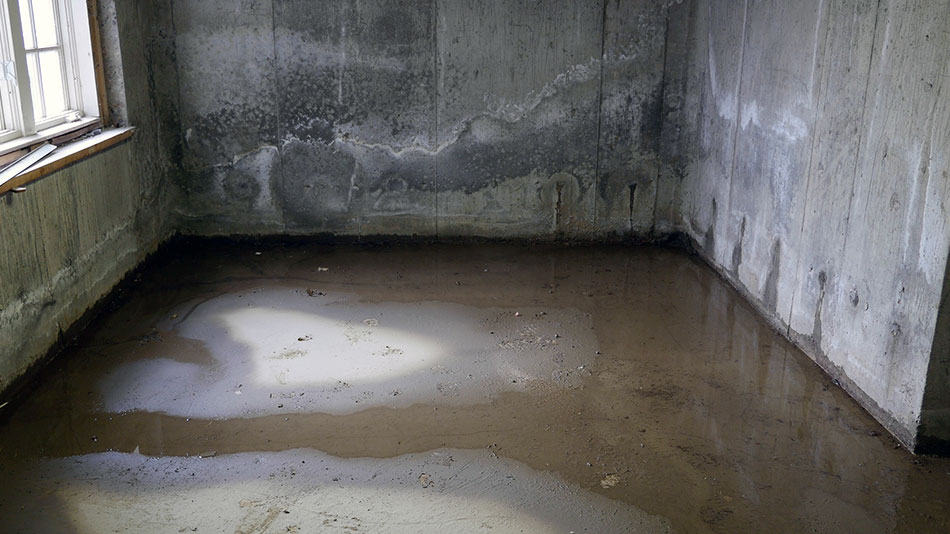
Flooding is one of the most common and costly disasters that can strike a residence. Whether caused by heavy rainfall, melting snow, or plumbing failures, water intrusion can lead to significant property damage, health hazards, and expensive repairs. Understanding home flood prevention strategies is crucial for anyone looking to protect their investment and maintain a safe living environment.
Proactive steps can make a substantial difference in reducing the risk of water damage. From inspecting vulnerable areas to installing modern detection devices, there are practical measures every property owner can take. For those preparing for seasonal changes, resources like flood season preparation tips offer additional insights to help safeguard your home.
Why Flooding Happens in Homes
Water can enter a house in several ways. The most common sources include heavy rainfall, rapid snowmelt, overflowing gutters, foundation cracks, and malfunctioning sump pumps. In some regions, rising groundwater or sewer backups also pose a threat. Understanding these risks is the first step toward effective home flood prevention.
Climate patterns are changing, and extreme weather events are becoming more frequent. This makes it even more important to assess your property’s vulnerabilities and address them before problems arise.
Assessing Your Property’s Flood Risk
Begin by evaluating your home’s location and structure. Is your area prone to flooding? Are you near rivers, lakes, or in a low-lying neighborhood? Local government websites and flood maps can provide valuable information about your risk level.
- Check your basement and crawl spaces for signs of past water intrusion.
- Inspect the grading around your foundation; water should flow away from the house.
- Review your insurance policy to ensure you have adequate flood coverage.
For a seasonal approach, consider reviewing a summer water damage prevention guide or a fall maintenance checklist for gutters to stay ahead of potential issues.
Key Strategies for Preventing Water Damage
There are several effective ways to minimize the risk of flooding and water damage in your home. Implementing a combination of these methods provides the best protection.
Maintain Gutters and Downspouts
Clogged gutters and downspouts are a leading cause of water pooling around foundations. Clean them regularly, especially after storms or during autumn when leaves accumulate. Ensure downspouts direct water at least six feet away from your home.
Seal Foundation Cracks and Gaps
Inspect your foundation for any cracks or gaps. Use waterproof sealant to close small openings. For larger issues, consult a professional to prevent water from seeping into basements or crawl spaces.
Install Sump Pumps and Backup Systems
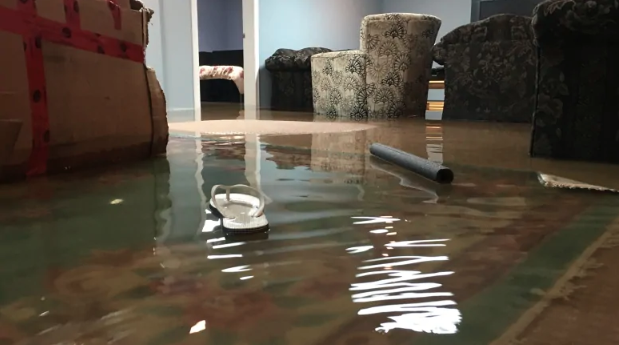
A sump pump is essential for homes with basements or crawl spaces. It removes water that accumulates in a sump basin, keeping the area dry. Choose a model with a battery backup to ensure operation during power outages.
Use Water Leak Detectors
Modern leak detectors can alert you to the presence of moisture in vulnerable areas such as basements, laundry rooms, or under sinks. These devices provide early warnings, allowing you to address leaks before they escalate.
Upgrade Landscaping for Better Drainage
Proper landscaping helps divert water away from your home. Use soil that slopes away from the foundation, and consider installing French drains or swales to channel runoff. Avoid planting trees with invasive roots near your foundation.
Basement and Crawl Space Protection
Basements and crawl spaces are especially susceptible to flooding. In addition to sump pumps and sealing cracks, consider applying waterproof coatings to walls and floors. Store valuables on shelves or in waterproof containers to minimize damage if water does enter.
Seasonal Maintenance for Flood Protection
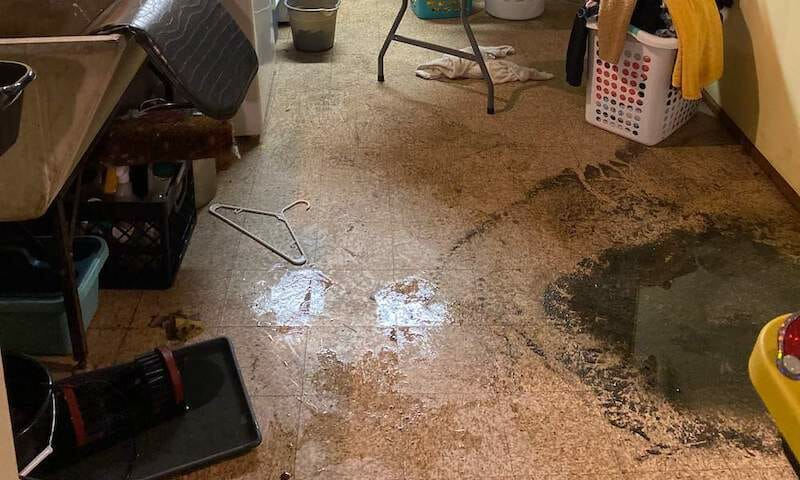
Regular maintenance is vital for keeping your property safe from water intrusion. Each season brings unique challenges, so adjust your approach accordingly:
- In spring, perform a spring home inspection for leaks to catch issues early.
- During summer, check for signs of water damage after storms.
- In fall, clear gutters and inspect your roof to prepare for heavy rains.
- Before winter, ensure pipes are insulated to prevent freezing and bursting.
For regions affected by monsoons, the monsoon rain prevention guide offers targeted advice for these intense weather events.
Additional Tips for Effective Home Flood Prevention
- Keep important documents and valuables in waterproof containers.
- Install backflow valves to prevent sewage from backing up into your home.
- Test your sump pump regularly to ensure it is functioning properly.
- Consider elevating appliances and electrical systems in flood-prone areas.
- Stay informed about local weather alerts and flood warnings.
For more ideas on making your property resilient, review these seven ways to flood-proof your house for expert recommendations.
Frequently Asked Questions
What is the most effective way to prevent basement flooding?
The best approach combines several methods: maintain gutters, install a reliable sump pump with a backup system, seal foundation cracks, and use water leak detectors for early warnings. Regular inspections and prompt repairs are key to minimizing risk.
How often should I check my home for potential water leaks?
It’s wise to inspect vulnerable areas at least once per season and after major storms. Pay special attention to basements, crawl spaces, and areas around appliances. Early detection can save significant time and money on repairs.
Are water leak detectors worth the investment?
Yes, leak detectors provide early alerts to moisture problems, allowing you to address issues before they escalate. They are especially valuable in basements, laundry rooms, and under sinks where leaks can go unnoticed.
Does landscaping really help prevent flooding?
Absolutely. Proper grading, drainage systems, and strategic planting can direct water away from your foundation, reducing the risk of water intrusion and soil erosion.
Conclusion
Taking proactive steps to protect your home from flooding is essential for every property owner. By combining regular maintenance, smart upgrades, and modern detection technology, you can significantly reduce the risk of water damage. Stay informed, act early, and use the resources available to keep your home safe and dry throughout the year.