Water damage is one of the most costly and disruptive problems a homeowner can face. Understanding the home flooding causes is essential for anyone looking to protect their property and avoid expensive repairs. From severe weather to overlooked maintenance issues, the risks are varied but often preventable. This guide explores the most common reasons for residential water intrusion and provides practical steps to reduce your risk.
Proactive preparation is key to minimizing the impact of water disasters. For seasonal advice on safeguarding your property, see these flood season preparation tips to get ahead of potential hazards.
Weather-Related Flooding Risks
Extreme weather is a leading contributor to water entering homes. Heavy rainfall, rapid snowmelt, and severe storms can overwhelm drainage systems and cause water to seep into basements or crawl spaces. In regions prone to hurricanes or monsoons, the threat increases significantly. Even homes outside of traditional flood zones can experience water issues if the ground becomes saturated or local infrastructure fails.
To reduce weather-related risks:
- Keep gutters and downspouts clear to ensure water flows away from your foundation.
- Check that your yard slopes away from your home to prevent pooling near exterior walls.
- Install sump pumps in basements and test them regularly.
- Consider using water-resistant barriers or landscaping solutions to redirect runoff.
For more detailed strategies tailored to wet seasons, review the monsoon rain prevention guide for homeowners.
Plumbing Failures and Appliance Leaks
Internal water sources are another major reason for residential flooding. Burst pipes, leaking water heaters, malfunctioning washing machines, and faulty dishwashers can all release significant amounts of water in a short time. These incidents often occur unexpectedly and can cause extensive damage before they’re discovered.
Steps to prevent plumbing-related water damage include:
- Inspect pipes regularly for corrosion, leaks, or weak joints.
- Replace old hoses on appliances with braided stainless steel versions.
- Install water leak detectors in high-risk areas such as under sinks, behind appliances, and near water heaters.
- Know where your main water shutoff valve is and ensure it operates smoothly.
Foundation and Drainage Problems
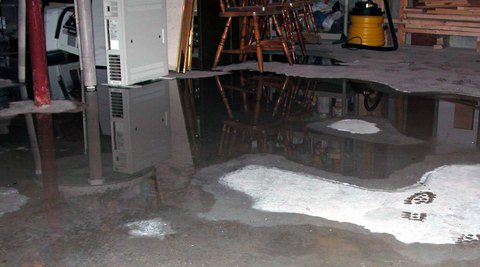
The structural integrity of your home plays a crucial role in keeping water out. Cracks in the foundation, poorly sealed windows, and inadequate exterior drainage can all allow moisture to enter. Over time, even small leaks can lead to mold, rot, and significant structural damage.
To address these vulnerabilities:
- Inspect your foundation for cracks and seal them promptly with appropriate materials.
- Ensure window wells are covered and drains are clear.
- Maintain your sump pump and consider a battery backup in case of power outages.
- Extend downspouts at least six feet from your home to keep water away from the base.
Seasonal maintenance can make a big difference. A thorough fall maintenance checklist for gutters and roof care will help prevent water from finding its way inside.
Clogged Gutters and Roof Issues
Blocked gutters and damaged roofing are often overlooked but are frequent home flooding causes. When gutters fill with leaves and debris, water can overflow and run down exterior walls or pool near the foundation. Damaged shingles or flashing can allow rain to penetrate the roof deck, leading to leaks inside the home.
Prevent these problems by:
- Cleaning gutters and downspouts at least twice a year, especially after heavy storms or during the fall.
- Inspecting your roof for missing or damaged shingles and repairing them promptly.
- Checking attic spaces for signs of water intrusion, such as stains or mold growth.
- Trimming trees and branches that overhang your roof to minimize debris buildup.
Sewer Backups and Municipal Failures
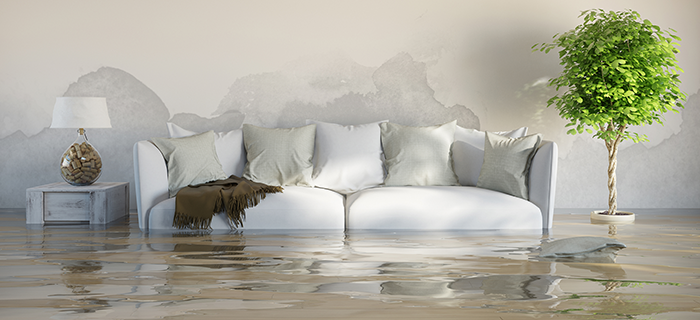
Sometimes, the problem originates outside your property. Sewer backups, blocked municipal drains, or overwhelmed stormwater systems can force contaminated water into homes, especially during periods of heavy rain. These events pose serious health risks and are difficult to predict.
To limit exposure to these hazards:
- Install backwater valves to prevent sewage from flowing into your basement.
- Avoid pouring grease or non-flushable items down drains to reduce the risk of blockages.
- Contact your local municipality if you notice slow drainage or standing water in streets after storms.
- Consider flood insurance if you live in an area with a history of municipal flooding.
For a comprehensive approach to limiting damage, consult this mitigation guide for homeowners that covers both personal and community strategies.
Seasonal and Preventive Maintenance Tips
Regular inspections and timely repairs are your best defense against water damage. Each season brings unique challenges, so it’s important to adapt your maintenance routine accordingly. In spring, a spring home inspection for leaks can uncover hidden issues before they worsen. During summer, follow a summer water damage prevention plan to address risks from storms and humidity.
Key preventive actions include:
- Testing sump pumps and backup systems before the rainy season begins.
- Sealing basement walls and floors with waterproof coatings.
- Monitoring indoor humidity to prevent condensation and mold.
- Installing smart water sensors for early leak detection.
Frequently Asked Questions
What are the most common reasons for water entering a home?
The most frequent home flooding causes include severe weather events, plumbing failures, foundation cracks, clogged gutters, and sewer backups. Each of these can allow water to enter living spaces, sometimes without immediate warning.
How can I tell if my home is at risk of flooding?
Warning signs include water stains in the basement, musty odors, visible cracks in the foundation, slow drains, and overflowing gutters. Regular inspections and maintenance can help you spot vulnerabilities before they lead to major problems.
What steps should I take immediately after discovering water in my home?
First, stop the source of water if possible (such as shutting off the main valve for plumbing leaks). Remove standing water with pumps or wet vacuums, and dry affected areas quickly to prevent mold. Contact your insurance provider and consider professional remediation for significant damage.