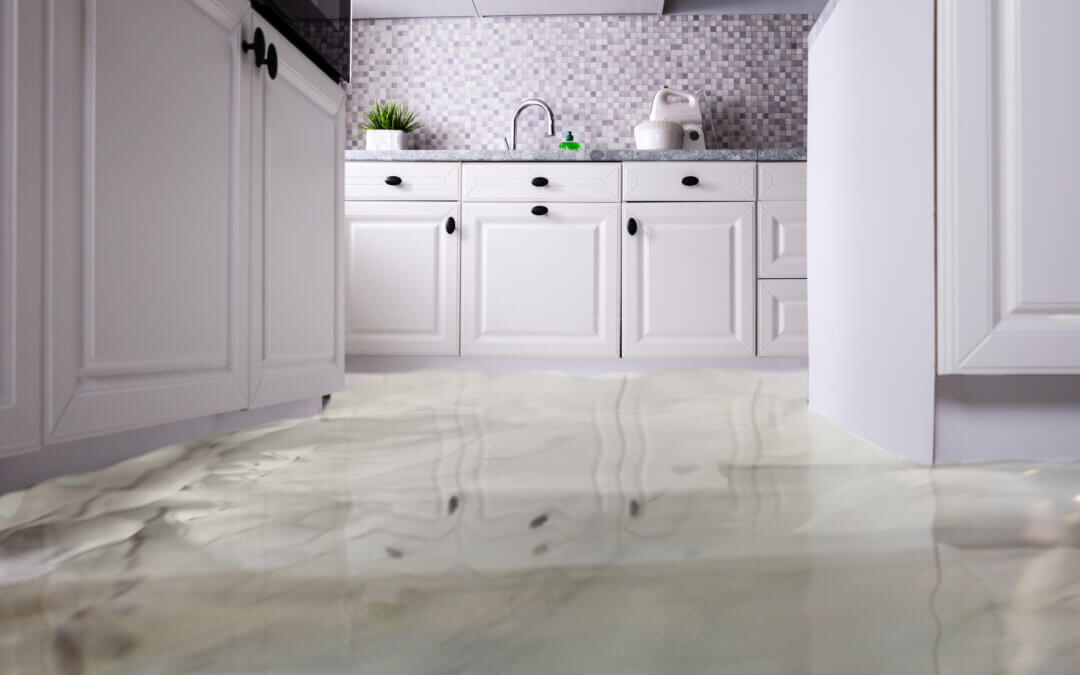
Water leaks in a home or building can quickly turn from a minor nuisance into a significant health and property concern. One of the most pressing issues following any moisture intrusion is the risk of mold growth. Understanding the timeline for mold development after a leak is crucial for effective prevention and remediation. This article explores the factors that influence how rapidly mold can appear, signs to watch for, and practical steps to minimize damage.
If you’re interested in home care topics, you may also find our guide on how to press tortillas for chilaquiles useful for kitchen maintenance and preparation tips.
Typical Mold Growth Timeline After Water Exposure
Mold spores are present almost everywhere, both indoors and outdoors. When a leak occurs, these spores can quickly take advantage of the increased moisture. Under optimal conditions—such as high humidity, warmth, and organic material—mold can begin to colonize within 24 to 48 hours after water exposure.
The speed at which mold develops depends on several variables:
- Type of material: Porous materials like drywall, wood, and carpets absorb water and provide an ideal environment for mold.
- Temperature: Mold thrives in temperatures between 77°F and 86°F (25°C to 30°C).
- Humidity: Relative humidity above 60% significantly increases the risk.
- Ventilation: Poor airflow allows moisture to linger, accelerating mold formation.
In most cases, visible mold colonies may appear within 1–2 days, but sometimes it can take up to a week for signs to become obvious, especially if the leak is hidden or the area is not checked regularly.

Key Factors That Influence Mold Growth After a Leak
Not every water leak results in immediate mold problems. The following factors play a significant role in determining how quickly mold can establish itself after a moisture event:
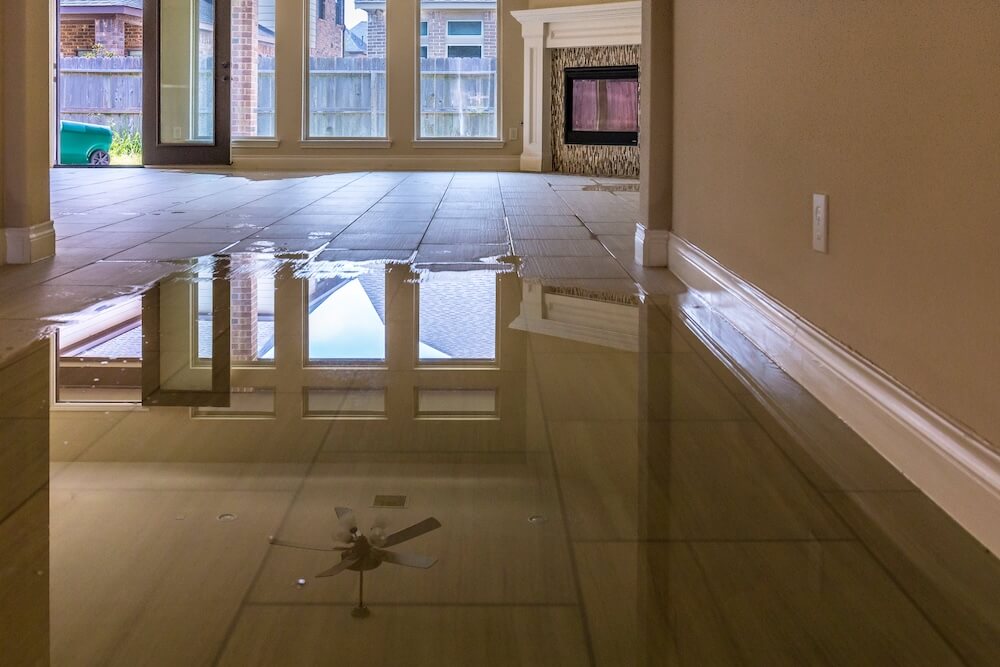
- Extent of Water Intrusion: Larger leaks or flooding saturate materials more deeply, making thorough drying more difficult and giving mold a better chance to grow.
- Material Type: Hard, non-porous surfaces like tile and metal dry faster and are less prone to mold, while soft, absorbent materials retain moisture longer.
- Drying Response Time: The sooner affected areas are dried, the lower the risk. Delays of even a few hours can make a big difference.
- Ambient Conditions: Warm, humid environments accelerate the process. Running dehumidifiers and fans can slow or prevent mold development.
- Hidden Leaks: Water trapped behind walls, under floors, or inside ceilings can go unnoticed, giving mold more time to grow undisturbed.
For more strategies on protecting your home from water damage, consider this comprehensive guide to interior water damage prevention.
Recognizing Early Signs of Mold After Water Damage
Early detection is key to minimizing the impact of mold. Watch for these common indicators in the days following a leak:
- Musty odors that persist even after cleaning or drying.
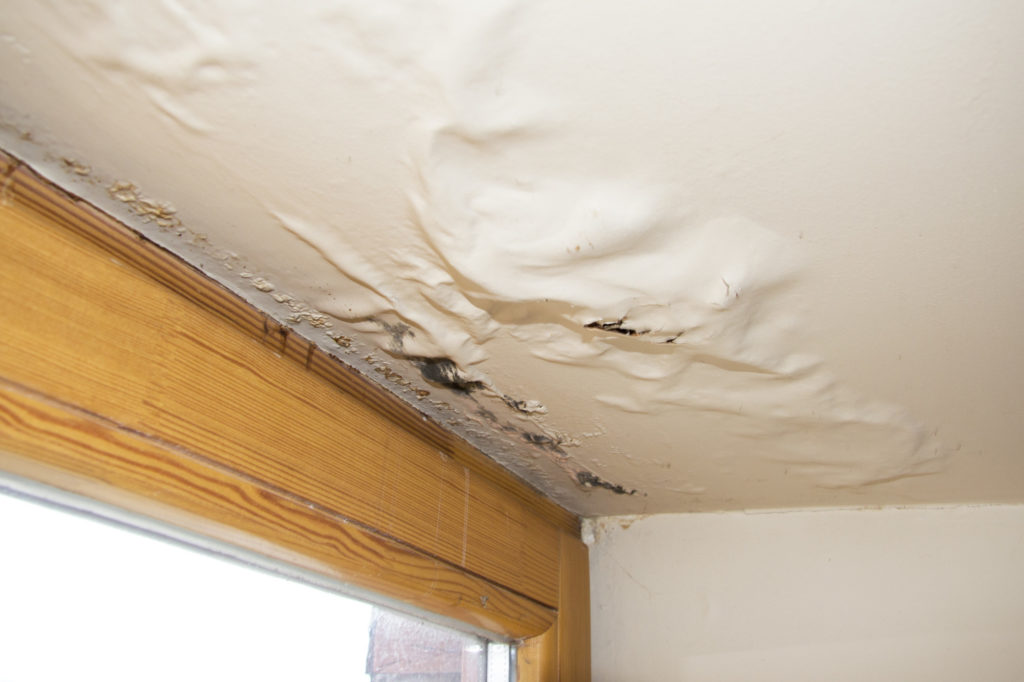
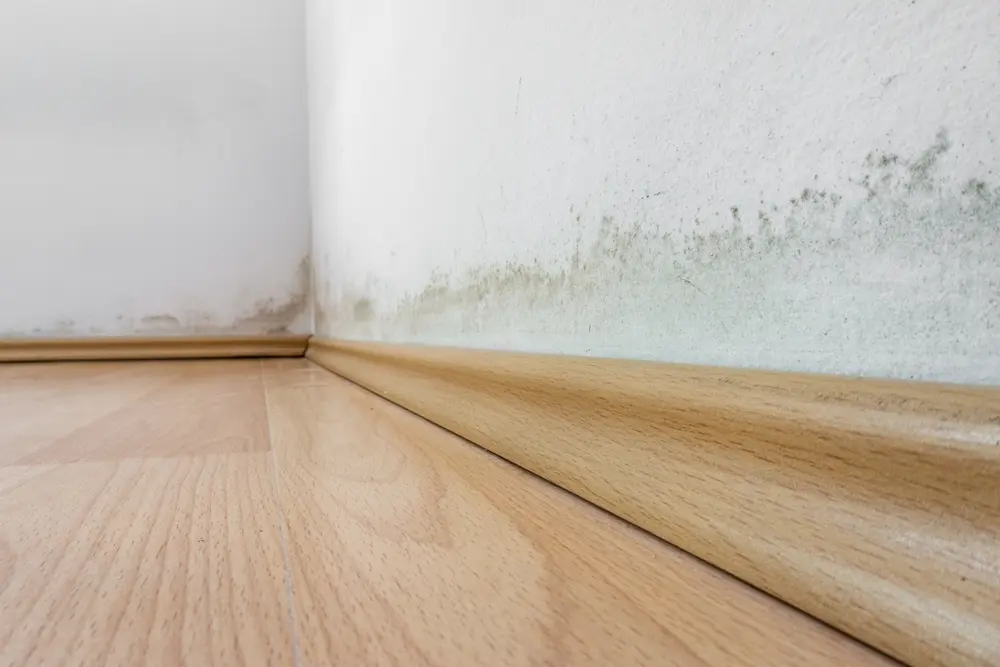
- Discoloration or staining on walls, ceilings, or floors.
- Visible patches of green, black, or white growth.
- Increased allergy symptoms such as sneezing, coughing, or eye irritation.
- Peeling paint or wallpaper as moisture accumulates behind surfaces.
If any of these signs appear, it’s important to act quickly to prevent further spread and potential health risks.
How to Prevent Mold After a Leak
Taking immediate action after discovering a leak is the best way to prevent mold from taking hold. Here are practical steps to reduce the risk:
- Stop the source: Shut off water supply and repair the leak as soon as possible.
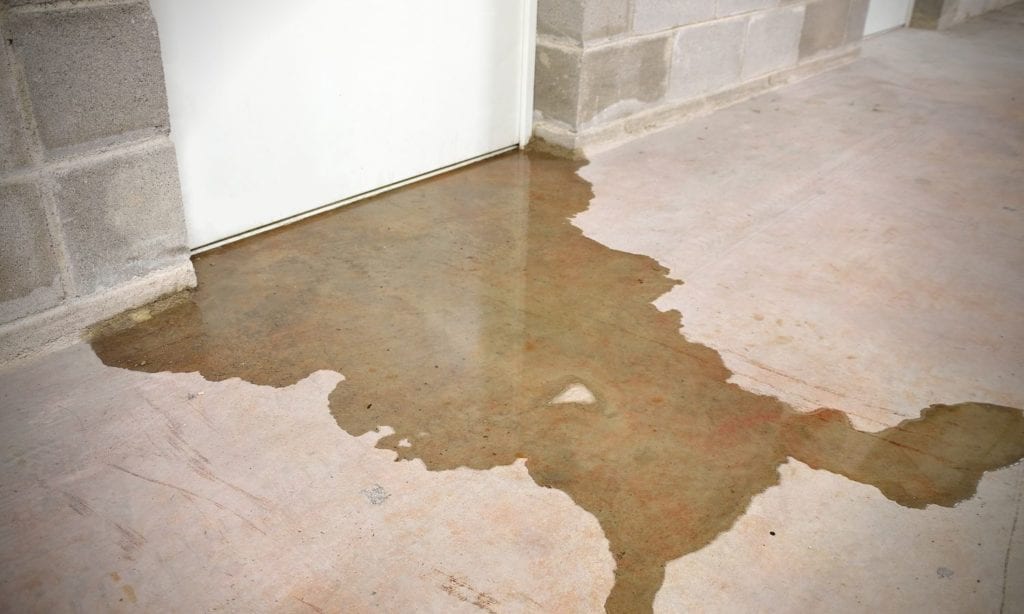
- Remove excess water: Use mops, towels, or a wet/dry vacuum to extract standing water.
- Dry affected areas: Open windows, use fans, and run dehumidifiers to speed up drying.
- Dispose of damaged materials: Remove and discard waterlogged carpets, insulation, or drywall that cannot be thoroughly dried.
- Clean and disinfect: Wash hard surfaces with soap and water, then disinfect with a solution recommended for mold prevention.
- Monitor for signs: Continue checking the area for at least a week to catch any delayed mold growth.
Investing in early detection tools, such as a pipe or toilet leak detector, can help you identify leaks before they become a major problem.
When to Call a Professional for Mold Remediation
While small, isolated patches of mold can sometimes be cleaned by homeowners, larger infestations or mold that has penetrated deep into building materials require professional attention. Consider contacting a certified mold remediation specialist if:
- The affected area is larger than 10 square feet.
- Mold is present in HVAC systems or behind walls.
- There are persistent health symptoms among occupants.
- You are unsure about the extent of the damage or proper cleanup procedures.
Professionals have the equipment and expertise to safely remove mold and restore your property, reducing the risk of recurrence.
Frequently Asked Questions
How quickly can mold start to grow after a water leak?
Mold can begin developing within 24 to 48 hours of moisture exposure, especially in warm and humid conditions. Early intervention is essential to prevent widespread growth.
What are the first signs of mold after water damage?
The earliest signs include a musty smell, discoloration or staining on surfaces, and visible fuzzy or slimy patches. Some people may also experience allergy-like symptoms.
Is it safe to clean mold myself after a minor leak?
For small, contained areas, you can often clean mold using protective gear and appropriate cleaning solutions. However, if the area is large, or if mold has penetrated porous materials, it’s best to consult a professional.
How can I prevent mold after fixing a leak?
Dry all affected materials thoroughly, use dehumidifiers, and monitor the area for at least a week. Remove any materials that cannot be dried completely, and clean surfaces with disinfectant.
Where can I learn more about water damage prevention?
For additional tips, see this detailed article on protecting your home from interior water damage.