Keeping your home’s plumbing in good condition is essential for preventing water damage, costly repairs, and unexpected disruptions. One of the most effective ways to avoid plumbing disasters is to regularly inspect your pipes for leaks. But how frequently should you perform these checks, and what signs should you look for? This article provides practical advice on establishing a routine for pipe inspections, recognizing early warning signs, and using modern tools to make the process easier.
Proactive pipe maintenance not only protects your property but also helps conserve water and reduce utility bills. By understanding the best practices for leak detection and integrating them into your home care routine, you can minimize risks and extend the life of your plumbing system. For additional strategies on safeguarding your pipes, consider reading about how to protect pipes from freezing during colder months.
Why Regular Pipe Inspections Matter
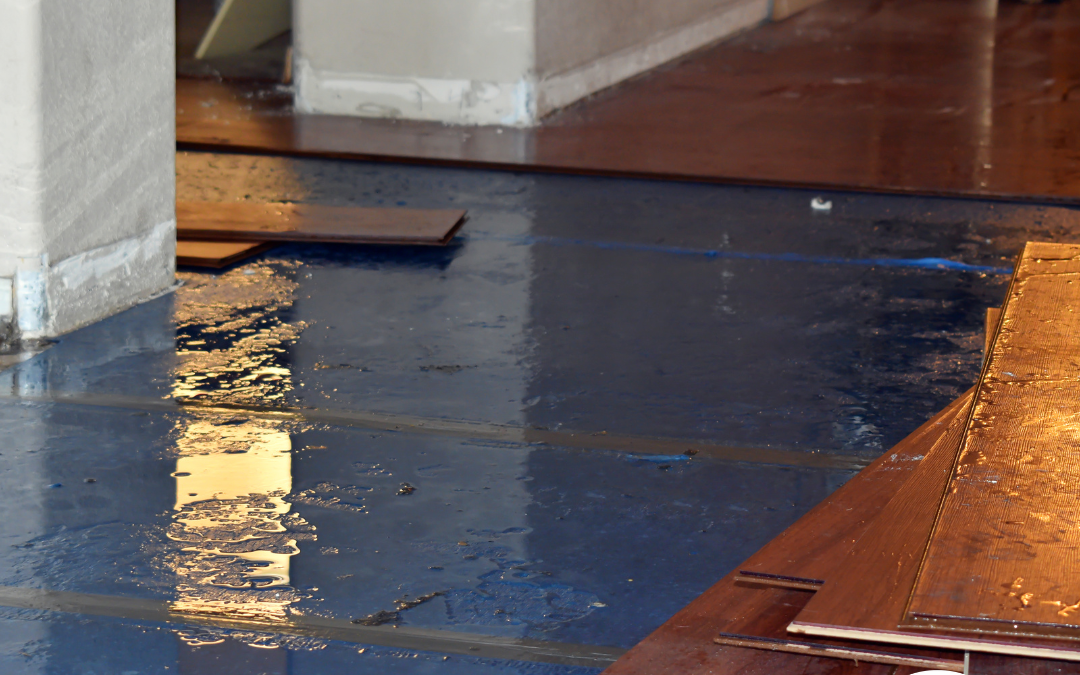
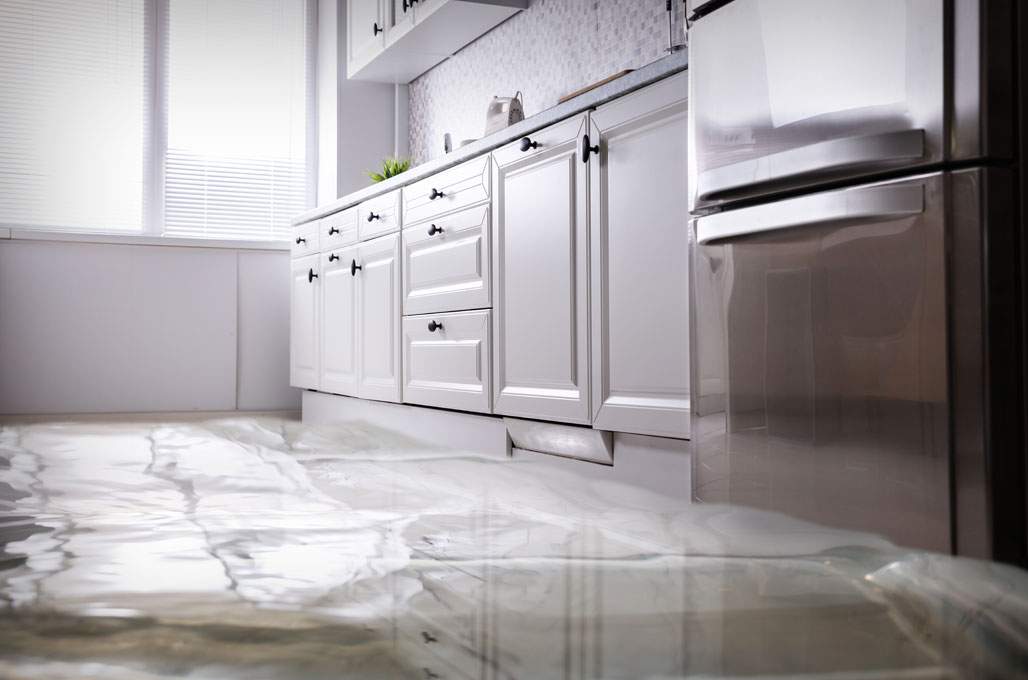
Leaking pipes can cause significant structural damage, promote mold growth, and lead to expensive repairs if left undetected. Even a small, slow drip can waste hundreds of gallons of water over time. By making pipe checks a regular part of your home maintenance, you can catch issues early and address them before they escalate.
According to experts, early detection is the key to avoiding major water damage. Regular inspections also help you comply with insurance requirements and maintain the value of your property. For a deeper understanding of how plumbing issues develop, you might find water pressure and pipe damage explained for homeowners helpful.
Recommended Frequency for Checking Pipes for Leaks
The question of how often to check pipes for leaks depends on several factors, including the age of your plumbing, the materials used, and your home’s location. However, most professionals recommend the following schedule for residential properties:
- Every 6 Months: Perform a thorough visual inspection of exposed pipes, including those under sinks, in basements, crawl spaces, and utility rooms.
- Annually: Check less accessible areas, such as behind appliances, inside walls (if possible), and outdoor spigots. Consider hiring a licensed plumber for a comprehensive annual assessment.
- After Extreme Weather: Inspect pipes following freezing temperatures, heavy rains, or flooding, as these conditions can increase the risk of leaks and bursts.
- When Noticing Changes: If you observe a sudden spike in your water bill, reduced water pressure, or unexplained damp spots, inspect your plumbing immediately.
Adhering to this schedule helps ensure that minor leaks are caught before they become major problems. For more tips on keeping your plumbing in top shape, see our guide on how to maintain plumbing to avoid leaks.
Key Signs That Indicate a Leak
While routine checks are important, knowing what to look for can make your inspections more effective. Here are some common indicators that your plumbing may have a leak:
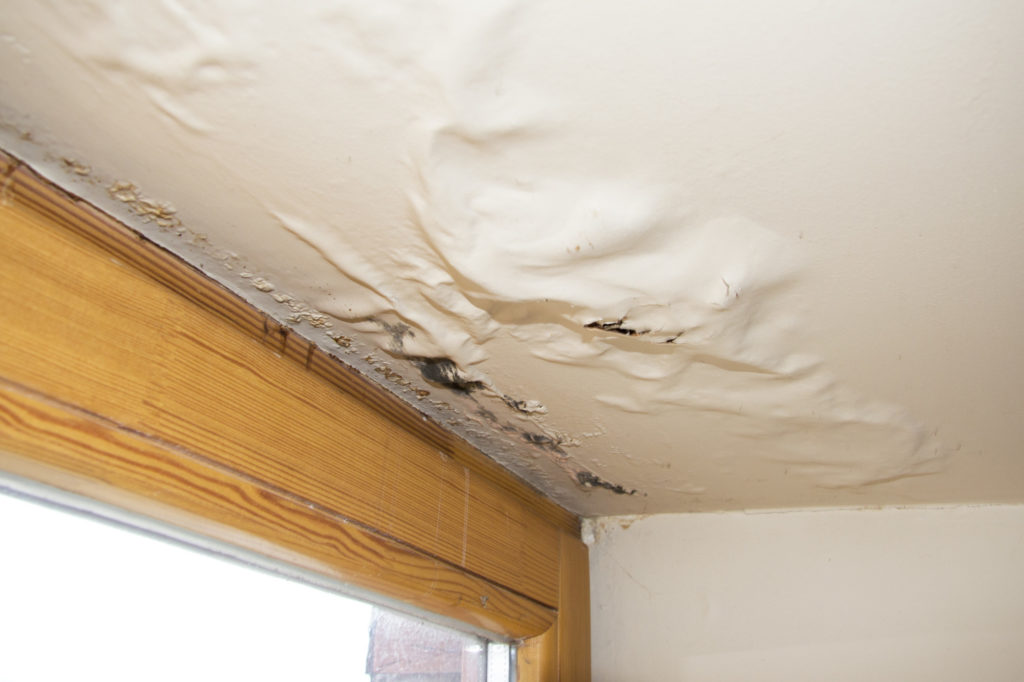
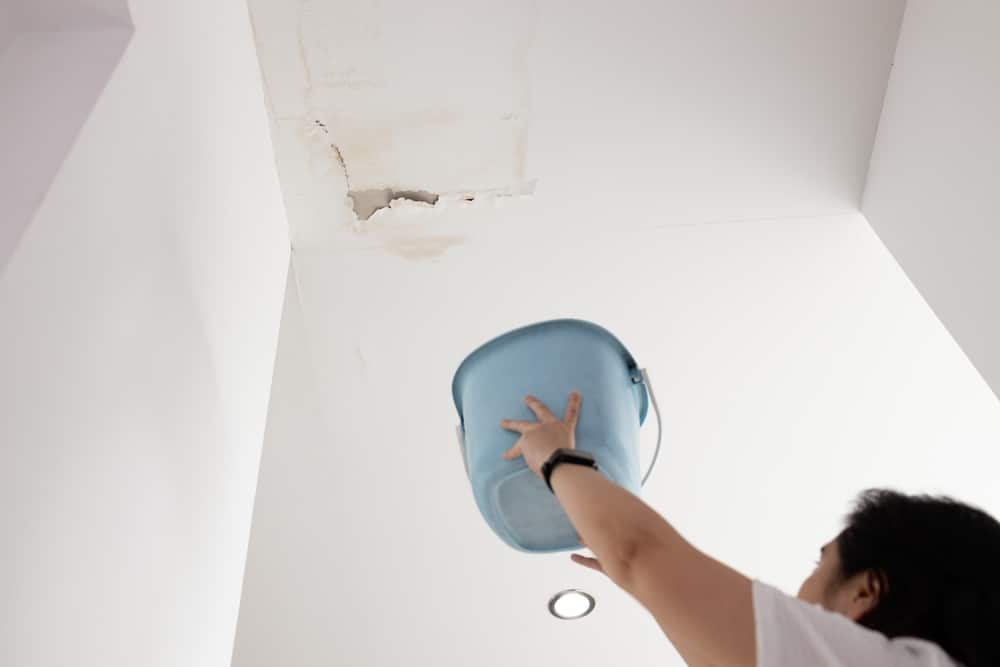
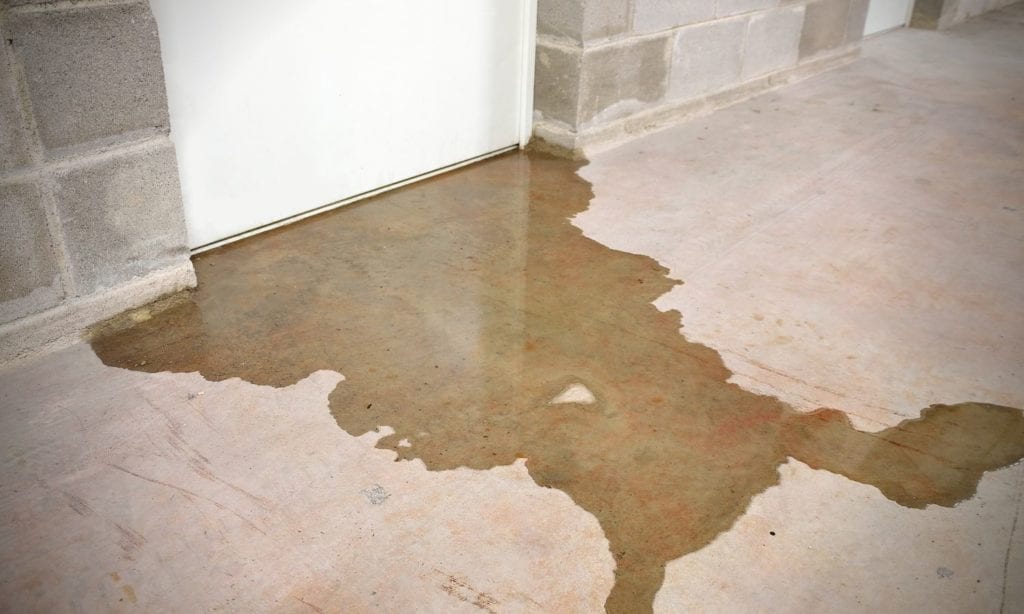
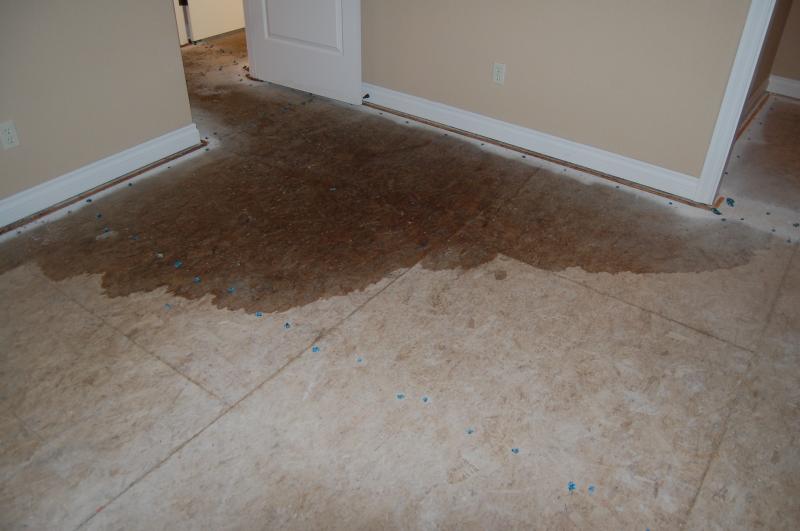
- Unexplained Water Stains: Yellow or brown marks on walls, ceilings, or floors often signal hidden leaks.
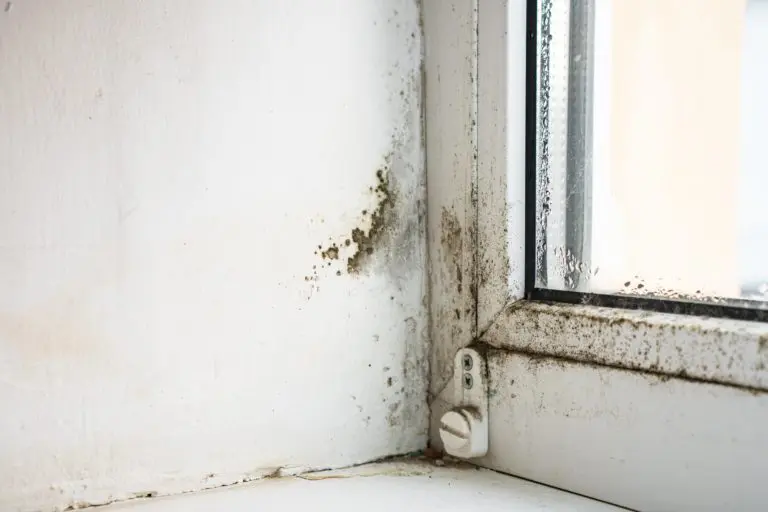
- Mold or Mildew: Persistent dampness can lead to mold growth, even in areas that seem dry on the surface.
- Musty Odors: A persistent musty smell may indicate water is pooling behind walls or under floors.
- Dripping Sounds: Hearing water running or dripping when all fixtures are off is a red flag.
- Low Water Pressure: A sudden drop in pressure can be caused by a leak diverting water away from fixtures.
- Increased Water Bills: An unexpected rise in your bill often points to a hidden plumbing issue.
If you notice any of these warning signs, it’s important to investigate further or contact a professional plumber right away. Prompt action can prevent extensive damage and save money in the long run.
How to Inspect Your Pipes Effectively
Conducting a thorough inspection doesn’t require specialized skills, but attention to detail is crucial. Here’s a step-by-step approach:
- Start with Exposed Pipes: Check under sinks, in basements, and around water heaters for visible drips, corrosion, or moisture.
- Look for Dampness: Run your hand along pipes to feel for wetness or condensation.
- Check Appliances: Inspect hoses and connections on washing machines, dishwashers, and refrigerators.
- Monitor Water Meter: Turn off all water-using appliances and note the meter reading. Wait two hours without using water, then check the meter again. If the reading has changed, you may have a leak.
- Test Toilets: Add a few drops of food coloring to the toilet tank. If color appears in the bowl within 30 minutes, there’s a leak.
For more advanced leak detection, consider installing smart sensors or leak detectors. These devices can alert you to problems in real time, even when you’re away from home.
Tools and Technology for Leak Detection
Modern technology has made it easier than ever to monitor your plumbing system. Smart leak detectors can be placed near appliances, under sinks, or in basements to provide instant alerts if moisture is detected. Some systems even integrate with home automation platforms, allowing you to shut off water remotely.
Investing in these tools can save time and provide peace of mind, especially if you travel frequently or own a second property. For more information on water mitigation and the latest detection solutions, see this comprehensive guide to water mitigation strategies.
Preventive Maintenance Tips
In addition to regular inspections, there are several steps you can take to reduce the risk of leaks:
- Insulate pipes in unheated areas to prevent freezing and bursting.
- Replace old or corroded pipes before they fail.
- Install pressure regulators to avoid stress on your plumbing system.
- Keep gutters and downspouts clear to direct water away from your foundation.
- Schedule annual professional inspections for peace of mind.
For more detailed advice on preventing pipe damage, explore why pipes burst and how to prevent it.
Frequently Asked Questions
What are the most common causes of pipe leaks in homes?
The most frequent causes include corrosion, high water pressure, freezing temperatures, and physical damage from renovations or shifting foundations. Aging pipes and poor installation can also contribute to leaks.
Can I check for leaks myself, or should I hire a plumber?
Homeowners can perform basic inspections by looking for visible signs of leaks and monitoring water usage. However, for hard-to-reach areas or if you suspect a hidden leak, it’s best to consult a licensed plumber for a thorough assessment.
How do smart leak detectors work?
Smart leak detectors use sensors to identify moisture or abnormal water flow. When a leak is detected, they send alerts to your smartphone or home automation system, allowing you to act quickly and prevent damage.
Is it necessary to check pipes more often in older homes?
Yes, older homes often have plumbing systems that are more susceptible to leaks due to wear and tear. Increasing the frequency of inspections can help catch problems early and avoid costly repairs.
Regularly inspecting your plumbing is a simple yet effective way to protect your home. By following the recommended schedule, staying alert to warning signs, and using modern detection tools, you can keep your pipes in top condition and avoid unexpected emergencies.