Siding is one of the most important barriers protecting your home from the elements. Yet, when heavy rainfall strikes, even the most durable exterior can become vulnerable. Understanding how rainwater damages siding is crucial for homeowners who want to prevent costly repairs and maintain their property’s value. From subtle moisture infiltration to obvious rot and mold, the effects of water exposure can escalate quickly if left unchecked.
This guide explains the main ways rainwater affects different siding materials, the warning signs to watch for, and practical steps you can take to safeguard your home. We’ll also highlight the role of proper maintenance and modern detection tools in keeping your exterior dry and secure.
If you’re concerned about water intrusion, it’s also wise to pay attention to related issues like roof leaks and gutter maintenance. For example, learning about the signs your roof may leak soon can help you address problems before they impact your siding and interior walls.
Common Ways Rainwater Causes Siding Damage
The impact of rain on your home’s exterior can vary depending on the type of siding, local climate, and how well your property is maintained. Here are the most frequent ways that rainwater leads to deterioration:
- Water Infiltration: When rainwater seeps behind siding panels, it can reach the underlying sheathing and framing. Over time, this leads to swelling, warping, and even structural rot.
- Mold and Mildew Growth: Persistent moisture creates an ideal environment for mold and mildew, which not only damages materials but can also affect indoor air quality.
- Paint Peeling and Staining: Water exposure causes paint to blister and peel, leaving siding vulnerable to further moisture penetration and unsightly stains.
- Cracking and Warping: Some siding materials, especially wood and fiber cement, can crack, split, or warp when repeatedly exposed to moisture.
- Rust and Corrosion: Metal fasteners and trim pieces may corrode, weakening the attachment of siding panels and creating entry points for water.
How Rainwater Damages Siding: Material-Specific Risks
Each type of siding reacts differently to water exposure. Understanding these differences helps you choose the right protection and maintenance strategies.
Wood Siding
Wood is highly susceptible to water absorption. Without regular sealing or painting, rainwater can penetrate the surface, leading to rot, swelling, and insect infestations. Over time, boards may cup or split, requiring replacement.
Vinyl Siding
While vinyl itself doesn’t absorb water, improper installation can allow rain to get behind the panels. Trapped moisture can damage the wall sheathing and insulation, and may even foster mold growth.
Fiber Cement Siding
Fiber cement is more water-resistant than wood, but it’s not immune. Cracks or unsealed joints can let water in, leading to swelling, delamination, and freeze-thaw damage in colder climates.
Metal Siding
Metal panels resist water, but seams and fasteners are potential weak points. If water gets behind the panels or if protective coatings wear off, rust and corrosion can develop.
Warning Signs of Rainwater Damage on Siding
Early detection is key to preventing extensive repairs. Watch for these indicators that rainwater is affecting your home’s exterior:
- Discoloration or Stains: Brown, green, or black streaks often signal moisture intrusion or algae growth.
- Soft or Spongy Boards: Pressing on siding that feels soft or gives way is a sign of rot beneath the surface.
- Peeling Paint or Bubbling Finish: Paint that lifts away from the siding usually means water is trapped underneath.
- Visible Mold or Mildew: Fuzzy or slimy patches on or near siding joints suggest ongoing moisture problems.
- Warped or Loose Panels: Panels that no longer sit flat or have pulled away from the wall may have been compromised by water.
If you notice any of these symptoms, it’s important to act quickly. Addressing minor issues early can prevent the need for major repairs later on.
How to Protect Siding from Rainwater Intrusion
Proactive maintenance and smart upgrades are your best defense against water damage. Here are proven strategies to keep your siding in top condition:
- Maintain Gutters and Downspouts: Clean gutters regularly to ensure rainwater is directed away from your siding and foundation. For more tips, see the importance of gutter maintenance for home protection.
- Seal and Paint: Apply high-quality paint or sealant to wood and fiber cement siding. Inspect for cracks or peeling and touch up as needed.
- Inspect Flashing and Caulking: Check the flashing around windows, doors, and corners. Replace cracked or missing caulk to block water entry points.
- Repair Damaged Panels Promptly: Replace warped, cracked, or rotten boards as soon as possible to prevent further spread of moisture.
- Install a Weather-Resistant Barrier: Modern homes use house wrap or similar barriers beneath the siding to provide extra protection against wind-driven rain.
- Monitor for Leaks: Use leak detectors and moisture sensors to catch hidden problems early, especially in areas prone to heavy rainfall.
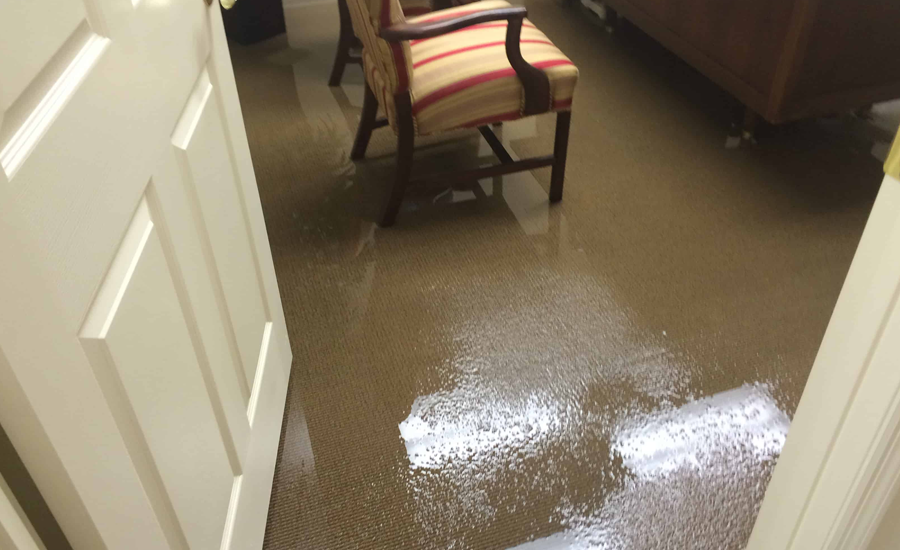
Additional Tips for Preventing Water Damage
Beyond siding maintenance, consider these extra measures to protect your home from rainwater:
- Landscape Grading: Ensure soil slopes away from your foundation to prevent pooling water near walls.
- Basement Drainage: Improving drainage can help reduce flooding and moisture buildup. Learn more in our guide on how to improve basement drainage and reduce flooding.
- Roof Maintenance: Regularly inspect your roof for missing shingles or damaged flashing, as these can allow water to reach your siding. For more, see our article on how to prevent roof leaks and water damage.
- Use Smart Detection Tools: Modern leak detectors can alert you to hidden leaks before they cause major damage.
- Stay Informed: For a comprehensive overview of water protection strategies, check out this expert guide on protecting your home from water damage.
Frequently Asked Questions
What Are the First Signs That Rainwater Is Affecting My Siding?
Early indicators include discoloration, peeling paint, soft or warped boards, and visible mold or mildew. Regular inspections after heavy rain can help you catch these problems before they worsen.
How Often Should I Inspect and Maintain My Siding?
It’s best to inspect your siding at least twice a year—ideally in the spring and fall. After severe storms, check for new damage or moisture issues. Promptly repair any cracks, gaps, or damaged panels.
Can I Prevent All Water Damage to My Siding?
While you can’t eliminate all risks, consistent maintenance, proper installation, and using quality materials greatly reduce the chances of water-related problems. Adding leak detectors and keeping gutters clear further enhances protection.
Is One Type of Siding More Resistant to Rainwater Than Others?
Vinyl and fiber cement are generally more water-resistant than wood, but all siding types require proper installation and maintenance. Sealing joints, painting, and using weather barriers are essential for every material.
Protecting your home’s exterior from rainwater is an ongoing process. By staying vigilant and addressing issues promptly, you can extend the life of your siding and avoid expensive repairs.