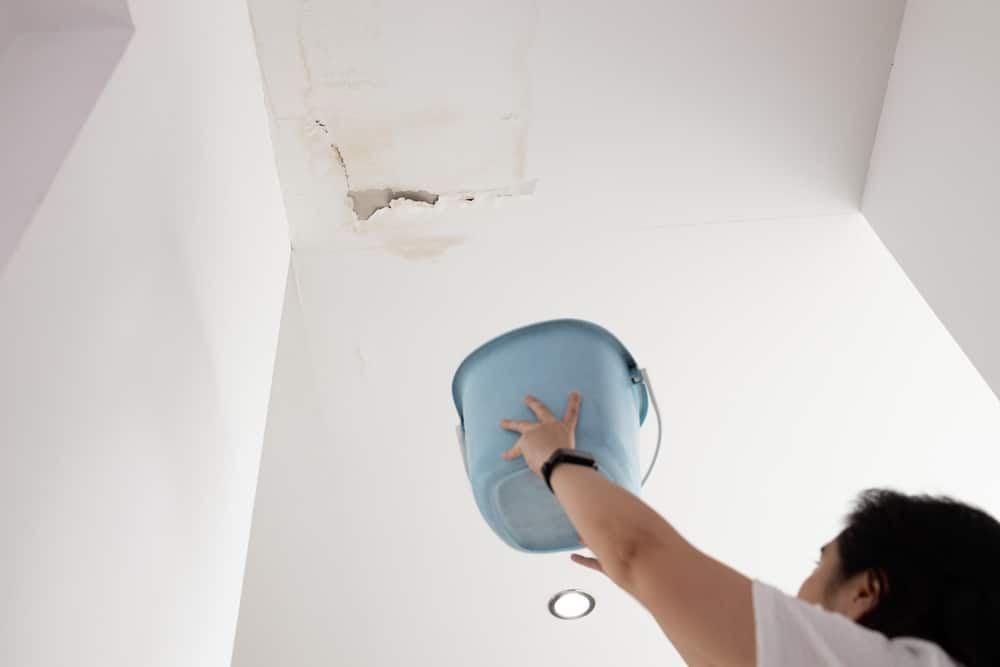
Plumbing leaks are one of the most common causes of water damage in homes, often going unnoticed until significant harm has already occurred. Learning how to detect plumbing leaks early can save you from costly repairs, protect your property, and maintain a healthy living environment. This guide covers practical steps, signs to watch for, and the latest tools that help homeowners spot leaks before they escalate.
Early detection is crucial for minimizing the impact of hidden leaks. By understanding the warning signals and using proactive strategies, you can address issues before they lead to structural damage, mold growth, or expensive restoration. For more comprehensive advice on safeguarding your home, check out these water damage prevention tips for homeowners.
Why Early Leak Detection Matters
Water leaks, even minor ones, can quickly lead to major problems. Moisture seeping into walls, floors, or ceilings can weaken structural elements and foster mold growth. Unchecked leaks may also increase your water bills and waste precious resources. By spotting problems early, you can:
- Prevent costly repairs by addressing issues before they escalate.
- Protect your home’s structure from rot, warping, and foundation damage.
- Maintain indoor air quality by stopping mold and mildew before they spread.
- Conserve water and avoid unnecessary utility expenses.
For additional insights on preparing your property, see what to do before water damage happens.
Common Signs of Hidden Plumbing Leaks
Recognizing the early indicators of leaks is essential for prompt action. Here are some of the most frequent warning signs:
- Unexplained increases in water bills: A sudden spike may signal a leak somewhere in your plumbing system.
- Musty odors: Persistent damp smells often indicate hidden moisture behind walls or under floors.
- Stained or warped surfaces: Discoloration, bubbling paint, or warped flooring can be signs of water intrusion.
- Sounds of running water: Hearing water when no fixtures are in use suggests a possible leak.
- Mold or mildew growth: Unusual spots of mold, especially in dry areas, may point to a concealed leak.
- Low water pressure: A drop in pressure could mean water is escaping somewhere in the system.
If you notice any of these symptoms, it’s important to investigate further or consult a professional. You can also learn more about how to spot hidden water damage for a deeper understanding of subtle warning signs.
Step-by-Step Guide: Checking for Leaks in Your Home
Detecting leaks early involves a combination of observation, simple tests, and the use of modern technology. Here’s a practical approach to identifying problems before they cause damage:
1. Monitor Your Water Meter
One of the most effective ways to check for leaks is by using your water meter:
- Turn off all water-using appliances and fixtures in your home.
- Record the current reading on your water meter.
- Wait at least two hours without using any water.
- Check the meter again. If the reading has changed, you likely have a leak.
2. Inspect Visible Plumbing
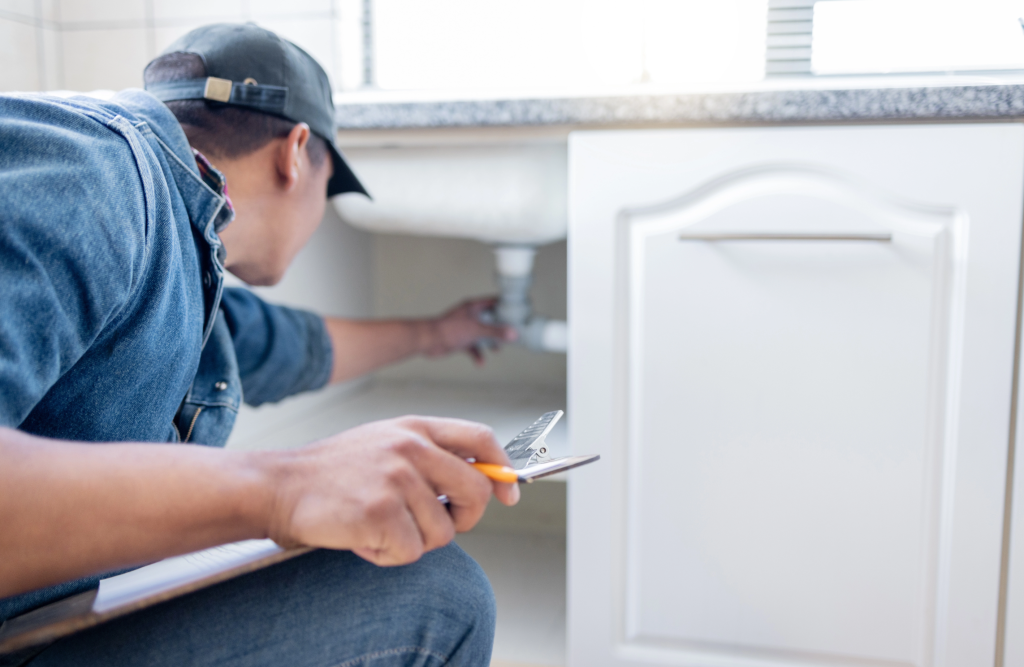
Regularly examine pipes under sinks, behind toilets, and in basements or crawl spaces. Look for:
- Drips or puddles around joints and connections
- Corrosion or mineral buildup on pipes
- Water stains on nearby surfaces
3. Test Toilets for Leaks
Toilets are a common source of hidden leaks. To check:
- Add a few drops of food coloring to the toilet tank.
- Wait 15–30 minutes without flushing.
- If colored water appears in the bowl, the flapper or valve may be leaking.
4. Examine Appliances and Fixtures
Inspect water heaters, washing machines, dishwashers, and refrigerators with ice makers. Look for:
- Dampness or pooling water around the base
- Cracked hoses or loose connections
- Rust or corrosion on fittings
5. Check Outdoor Plumbing
Don’t overlook exterior faucets, irrigation systems, and hose bibs. Leaks in these areas can cause foundation issues and waste large amounts of water.
Using Technology to Find Leaks Faster
Modern leak detection devices offer a proactive way to catch problems early. Smart sensors and detectors can alert you to leaks in real time, even when you’re away from home. These devices are especially useful for hard-to-reach areas or vacation properties. For example, a pipe leak detector can monitor your plumbing and send notifications to your phone if it senses moisture or unusual water flow.
To further protect your home while you’re traveling, consider these best practices for water protection while away.
Preventing Future Water Problems
Along with regular inspections, adopting preventive measures can greatly reduce your risk of leaks. Here are some practical tips:
- Replace old or brittle hoses and pipes before they fail.
- Insulate exposed plumbing to prevent freezing and bursting in cold climates.
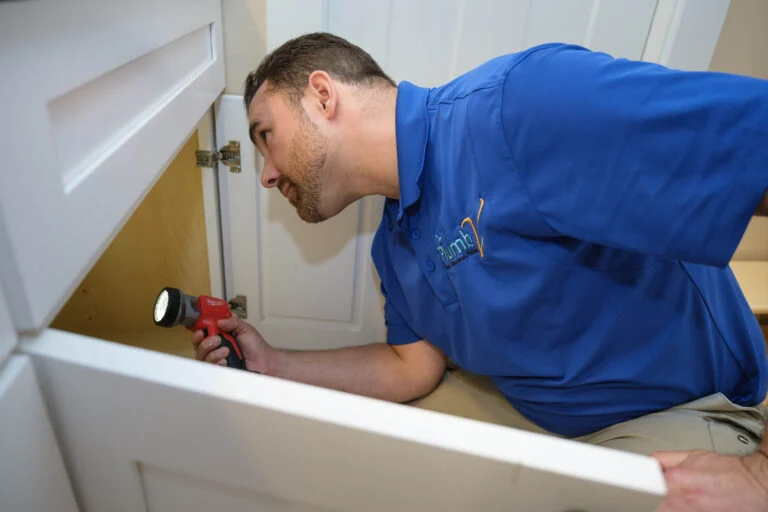
- Schedule annual plumbing checkups with a licensed professional.
- Install smart leak detectors in vulnerable areas like basements, bathrooms, and kitchens.
- Know where your main water shut-off valve is located and how to use it in an emergency.
For a seasonal approach to maintenance, review this seasonal water damage prevention checklist. Staying proactive is the best defense against unexpected water issues.
Frequently Asked Questions
What are the most common places for plumbing leaks to occur?
Leaks often develop under sinks, behind toilets, at water heater connections, and in appliance hoses. Outdoor faucets and irrigation lines are also frequent sources of hidden leaks.
How can I tell if I have a hidden leak behind a wall?
Signs include musty odors, peeling paint, stains, or warped drywall. You may also hear dripping or running water when no fixtures are in use. Using a moisture meter or a smart leak detector can help confirm suspicions.
Are smart leak detectors worth the investment?
Yes, smart detectors can provide early warnings and prevent extensive damage, especially in areas that are difficult to monitor manually. They are particularly valuable for second homes or for those who travel frequently.
What should I do if I find a leak?
Shut off the main water supply immediately to prevent further damage. Then, repair the leak if it’s minor or contact a licensed plumber for professional assistance. Prompt action can save you from costly repairs and health hazards.
For more guidance on keeping your home dry and safe, see how to maintain a dry home.