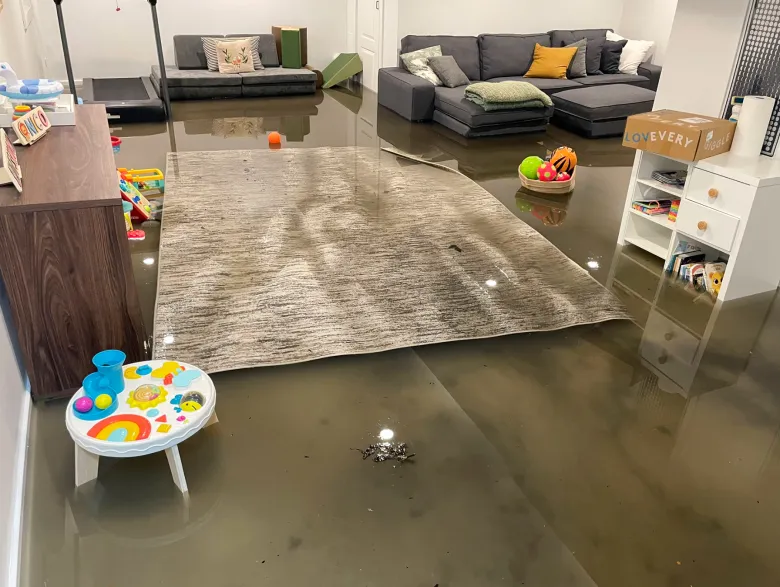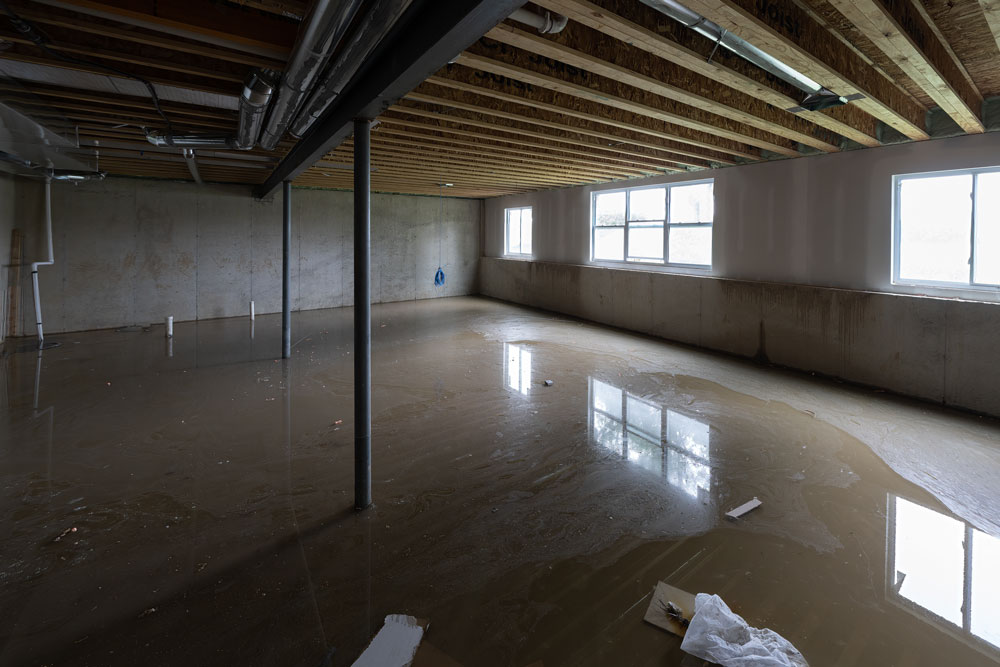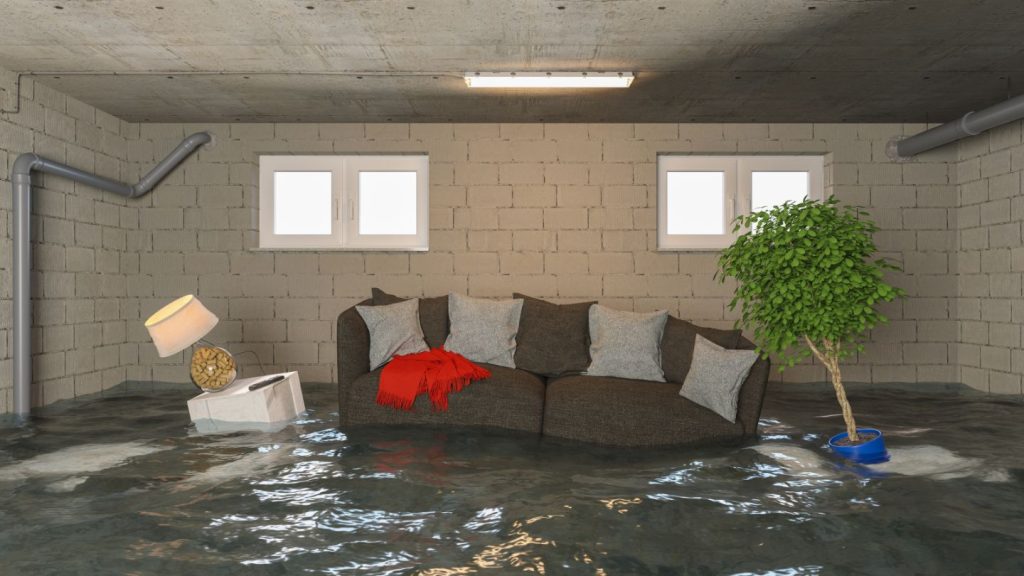
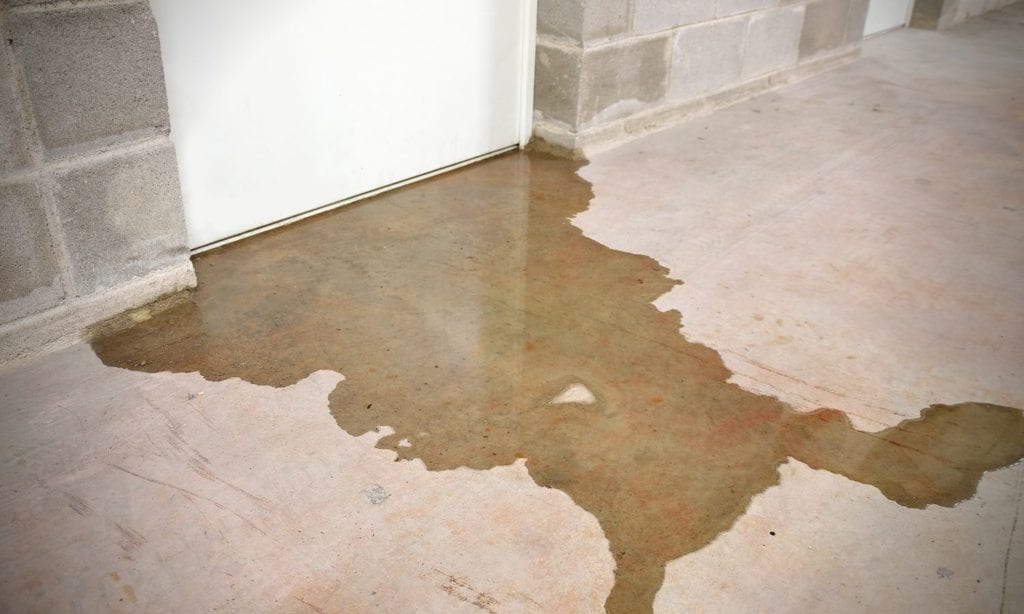
Managing water flow around your property is essential for protecting your home’s foundation. When rainwater isn’t properly directed away, it can seep into basements, cause cracks, and lead to costly repairs. Understanding how to divert rainwater away from your home can help you prevent structural damage, mold growth, and other water-related issues. This practical guide covers proven strategies and step-by-step instructions to keep your foundation dry and secure.
Before diving into specific solutions, it’s important to recognize the signs of poor drainage. Pooling water near your foundation, damp basement walls, and eroding soil are all red flags. Addressing these issues early can save you significant time and money. For additional tips on keeping your property safe from water intrusion, you might also find this guide on maintaining exterior drainage helpful.
Why Proper Rainwater Management Matters
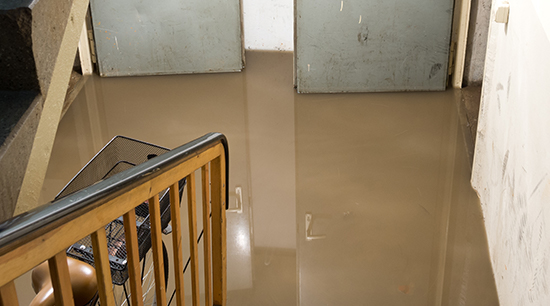
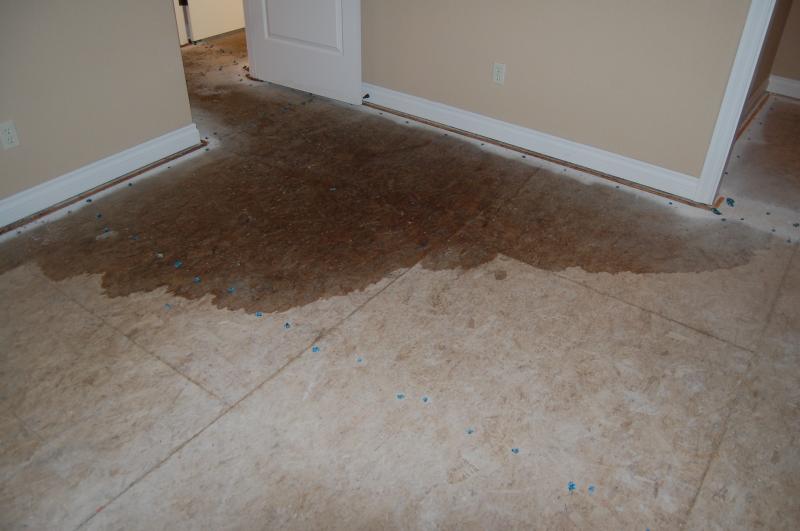
Water is one of the most persistent threats to a home’s foundation. Without effective drainage, rainwater can accumulate around the base of your house, leading to hydrostatic pressure, cracks, and even basement flooding. Over time, this can compromise the structural integrity of your property.
Besides structural concerns, excess moisture can create an environment for mold and mildew, affecting indoor air quality and potentially causing health problems. By learning how to divert rainwater away from your home, you take a proactive step toward safeguarding both your investment and your family’s well-being.
Assessing Your Property’s Drainage Needs
The first step in managing runoff is to evaluate your property’s current drainage situation. Walk around your home after a heavy rain and look for areas where water pools or flows toward the foundation. Check your gutters, downspouts, and the slope of the ground. If you notice water stains or dampness in your basement, these are clear indicators that improvements are needed.
It’s also wise to inspect your roof and gutters regularly. A comprehensive roof inspection checklist can help you spot potential problems before they escalate into major water damage.
Effective Ways to Channel Rainwater Away
There are several proven methods to control water flow and keep it away from your home’s foundation. Here’s a breakdown of the most effective solutions:
1. Maintain and Extend Downspouts
Gutters and downspouts are your first line of defense. Ensure gutters are free of debris and slope correctly toward the downspouts. Downspouts should discharge water at least 4–6 feet from the foundation. Consider adding extensions or splash blocks to direct water even further away.
For more details on keeping your gutters in top shape, check out this resource on how to prevent water damage from clogged gutters.
2. Regrade the Landscape
The ground around your home should slope away from the foundation at a minimum of 5% grade (about 6 inches over 10 feet). If the soil has settled or eroded, add topsoil and regrade as needed. This simple fix can significantly reduce the risk of water pooling near your house.
3. Install French Drains or Trench Drains
For areas with persistent drainage problems, a French drain or trench drain can be highly effective. These systems use perforated pipes buried in gravel-filled trenches to collect and redirect water away from your foundation. They are especially useful for homes on slopes or with heavy clay soils.
4. Use Rain Barrels and Catchment Systems
Collecting rainwater from your downspouts in barrels not only helps with water conservation but also reduces the amount of runoff around your foundation. Make sure overflow from the barrels is directed safely away from your home.
5. Maintain Exterior Drainage Features
Regularly inspect and clean any existing drains, swales, or dry wells on your property. Keeping these features clear ensures that water can flow freely and doesn’t back up toward your foundation. For a step-by-step approach, refer to this article on how to maintain exterior drainage.
Additional Tips for Preventing Water Damage
- Seal foundation cracks: Use waterproof sealant to repair any visible cracks in your foundation walls.
- Install window well covers: Prevent water from entering basement windows by using clear covers.
- Monitor plumbing for leaks: Early detection of leaks inside your home can prevent water from reaching the foundation. Devices like leak detectors are useful for this purpose.
- Regularly check roof flashing: Faulty flashing can allow water to seep behind siding and into your home. Learn more about this with a detailed guide on how to check roof flashing for leaks.
For a broader overview of water mitigation strategies, you can explore this comprehensive article on water mitigation for homeowners.
Frequently Asked Questions
What is the most effective way to direct rainwater away from a house?
The most effective approach combines several strategies: keeping gutters and downspouts clear, extending downspouts at least 4–6 feet from the foundation, regrading the soil to slope away from the house, and installing drainage systems like French drains where needed.
How can I tell if my home has drainage problems?
Signs include water pooling near the foundation, damp or musty-smelling basements, cracks in foundation walls, and visible erosion around your home. Regular inspections after heavy rain can help you spot issues early.
Do landscaping choices affect rainwater drainage?
Yes, landscaping plays a significant role. Planting grass, shrubs, and ground cover can help absorb water, while hard surfaces like concrete can increase runoff. Always ensure that flower beds and mulch are not piled against the foundation, and use landscaping to encourage water to flow away from your home.