A leaking pipe can cause significant damage to your home if not addressed promptly. Even a small drip can lead to water stains, mold growth, and costly repairs. Acting swiftly and following safe procedures is essential to minimize harm and restore your plumbing. This guide walks you through the essential steps for stopping leaks, making temporary repairs, and knowing when to call a professional.
Before diving into the repair process, it’s helpful to understand the importance of early detection and prevention. For more strategies on protecting your home, see what to do before water damage happens and keep your living space safe from future issues.
Identifying the Source of a Pipe Leak
The first step in addressing any plumbing issue is to locate the exact source of the leak. Water may travel along pipes or surfaces before it becomes visible, so a wet spot on the wall or floor isn’t always directly beneath the problem area.
- Check visible pipes under sinks, behind toilets, and in basements for moisture, corrosion, or drips.
- Look for water stains, bubbling paint, or musty odors on walls and ceilings, which can indicate hidden leaks.
- Listen for the sound of running water when all fixtures are turned off.
If you suspect hidden moisture, you may find it helpful to review how to spot hidden water damage for more detailed inspection tips.
Essential Safety Precautions Before Repair
Safety should always come first when dealing with plumbing repairs. Before you attempt to fix any leak, take these precautions:
- Turn off the main water supply to prevent further water flow and reduce the risk of flooding.
- Shut off electricity in the affected area if water is near outlets or wiring.
- Wear gloves and protective eyewear to avoid contact with contaminated water or sharp edges.
- Clear the area of valuables and use towels or buckets to catch drips.
Temporary Solutions for Stopping a Leak
Sometimes, a permanent repair isn’t possible right away. Temporary fixes can help control the situation until a plumber arrives or you can complete a more lasting solution.
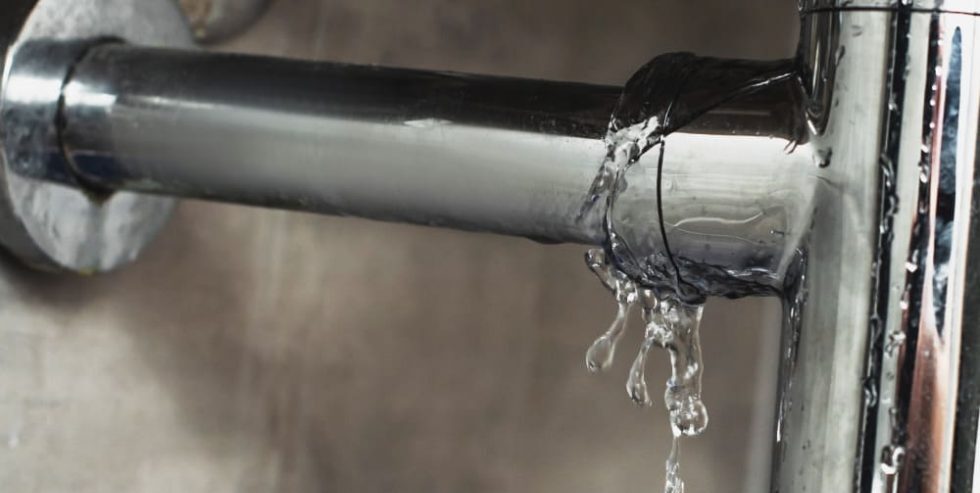
- Pipe repair tape: Wrap self-fusing silicone tape tightly around the leak. This creates a temporary seal and is especially useful for small cracks or pinholes.
- Epoxy putty: Moldable epoxy can be pressed into holes or cracks in metal or PVC pipes. Allow it to cure according to the manufacturer’s instructions before restoring water flow.
- Pipe clamps: These metal clamps, combined with a rubber patch, can compress the pipe and stop leaks until a permanent fix is made.
Temporary measures are not substitutes for proper repairs. Monitor the area closely and arrange for a lasting solution as soon as possible.
Permanent Repairs for Leaking Pipes
Once the immediate risk is under control, it’s time to address the root cause. The best repair method depends on the type of pipe and the extent of the damage.
- Cut out and replace the damaged section: For copper, PVC, or PEX pipes, use a pipe cutter or hacksaw to remove the compromised area. Install a new piece using appropriate connectors and fittings.
- Soldering or gluing: Copper pipes require soldering with a torch and flux, while PVC pipes are joined with primer and solvent cement. Always follow safety guidelines and manufacturer instructions.
- Compression fittings: These can be used on copper or plastic pipes for a tool-free, watertight connection. Slide the fitting onto the pipe ends and tighten the nuts to create a seal.
If you’re not comfortable with plumbing work or the leak is extensive, it’s best to call a licensed professional. Attempting complex repairs without the right skills can lead to further damage.
Preventing Future Pipe Leaks
Preventive maintenance is key to avoiding plumbing emergencies. Here are some practical steps to reduce the risk of leaks:
- Inspect pipes regularly for signs of corrosion, rust, or mineral buildup.
- Insulate exposed pipes to prevent freezing and bursting in cold weather.
- Fix minor drips and loose fittings promptly before they worsen.
- Install water leak detectors for early warning of hidden problems.
- Consider a routine plumbing inspection by a professional each year.
For more advice on keeping your home dry, check out these water damage prevention tips for homeowners.

When to Call a Professional Plumber
While many minor leaks can be handled by homeowners, there are situations where expert help is essential:
- The leak is behind walls, under floors, or in a hard-to-reach location.
- Multiple pipes are affected, or you notice a sudden drop in water pressure.
- There is significant water damage, mold, or risk to your home’s structure.
- You’re unsure about the repair process or lack the proper tools.
Professional plumbers have the skills and equipment to diagnose and fix complex problems safely. Delaying repairs can lead to more extensive damage and higher costs.
Additional Resources for Water Damage Prevention
Addressing leaks quickly is just one part of protecting your property. For a comprehensive approach, explore seasonal checklists and maintenance strategies such as the seasonal water damage prevention checklist and learn how to maintain a dry home throughout the year.
You can also find expert advice on how to prevent water damage from household fixtures for more ways to safeguard your plumbing system.
Frequently Asked Questions
What should I do first if I find a leaking pipe?
Immediately turn off the main water supply to stop further water flow. Then, dry the area and assess the source of the leak. Use towels or buckets to contain any dripping water and follow the steps in this guide for a temporary or permanent repair.
Can I use duct tape to stop a pipe leak?
Duct tape may slow a leak for a very short time, but it is not a reliable or safe solution. Use pipe repair tape or epoxy putty for a better temporary fix, and arrange for a permanent repair as soon as possible.
How can I prevent pipes from leaking in the future?
Regularly inspect pipes for signs of wear, insulate them against freezing, and address small drips quickly. Installing water leak detectors and scheduling annual plumbing inspections can also help catch problems early.