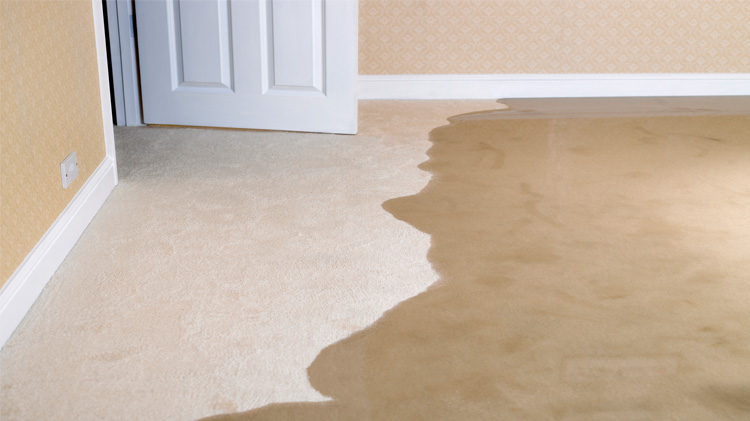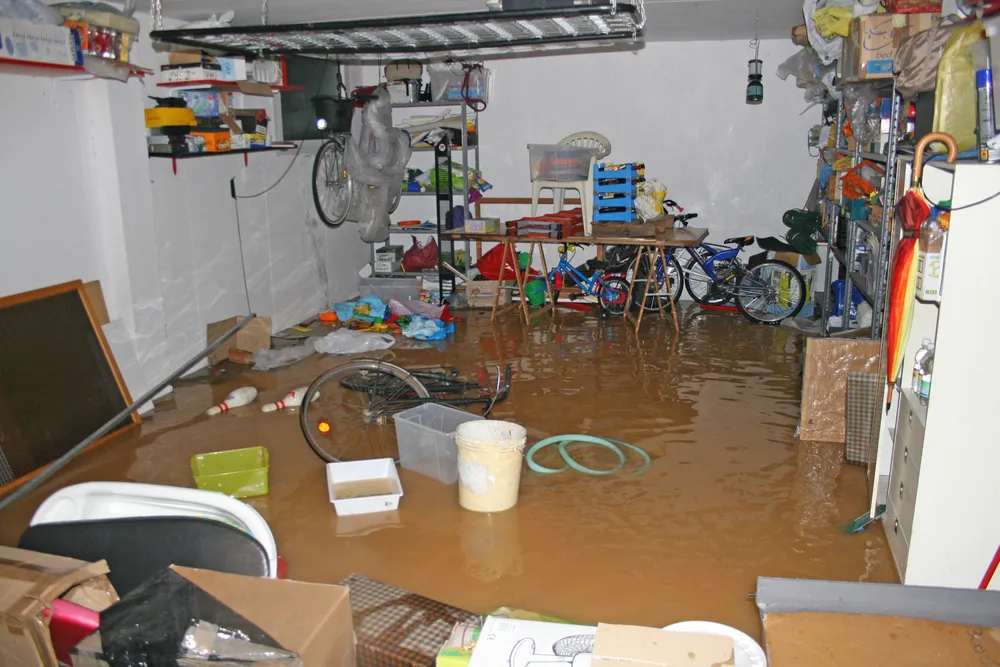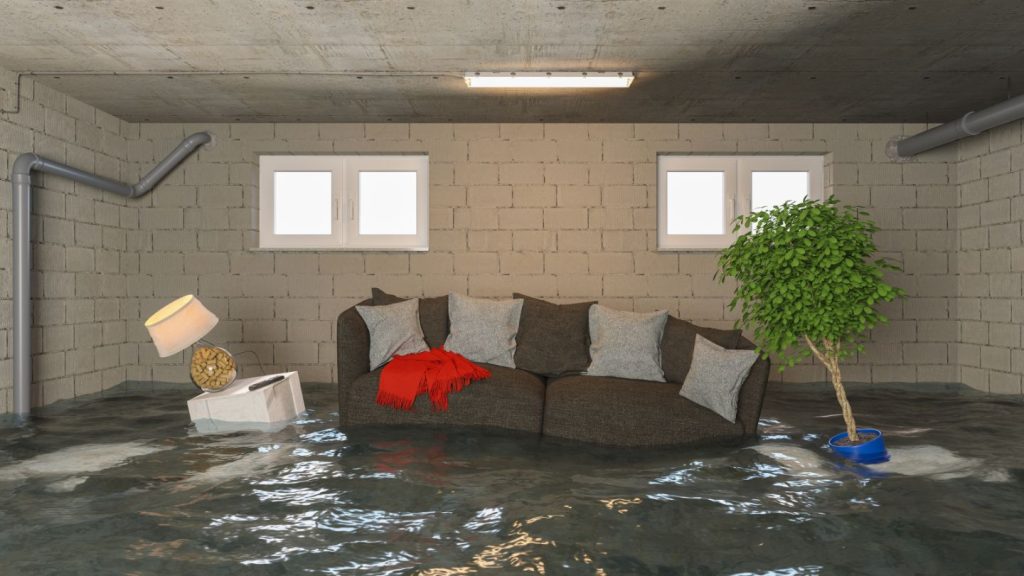
A damp or flooded basement can lead to costly repairs, mold growth, and damage to your home’s foundation. Many homeowners face the challenge of keeping their lower levels dry, especially during heavy rain or snowmelt. Understanding how to improve basement drainage is essential for protecting your property and maintaining a healthy living environment. This article outlines practical steps, proven techniques, and key considerations to help you prevent water intrusion and minimize the risk of flooding.
Whether you’re dealing with minor seepage or recurring water problems, addressing the root causes of moisture is crucial. From exterior grading to interior waterproofing, there are several strategies you can implement to enhance your basement’s resilience. If you’re also interested in managing humidity, check out these basement humidity control tips for additional protection against mold and damage.
Understanding the Causes of Basement Water Problems
Before making improvements, it’s important to identify why water is entering your basement. Common sources include poor exterior grading, clogged gutters, foundation cracks, and inadequate drainage systems. When rainwater or melting snow isn’t directed away from your home, it can seep through walls or floors, leading to persistent dampness or even flooding.
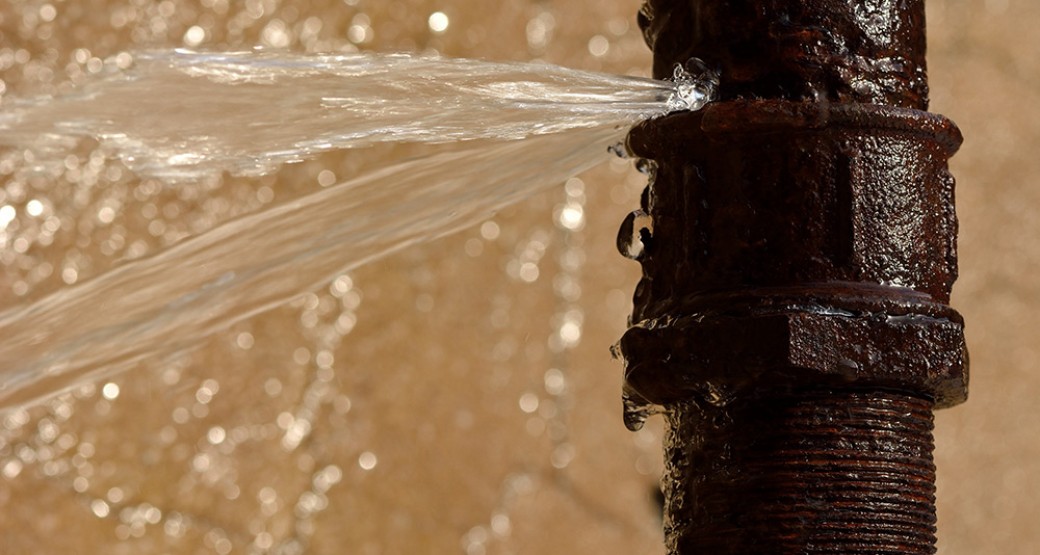
Plumbing leaks, high groundwater tables, and malfunctioning sump pumps can also contribute to moisture issues. By pinpointing the specific causes, you can tailor your approach and select the most effective solutions for your property.
Exterior Solutions for Better Basement Drainage
The first line of defense against basement water problems is managing water outside your home. Here are some proven methods to keep moisture at bay:
- Improve grading around the foundation: Ensure the soil slopes away from your house by at least 6 inches over the first 10 feet. This helps direct surface water away from basement walls.
- Maintain gutters and downspouts: Clean gutters regularly and extend downspouts at least 6 feet from the foundation to prevent water from pooling near your home.
- Install French drains or swales: These systems collect and redirect water away from your property, reducing the risk of seepage.
- Seal exterior cracks: Use appropriate sealants to fill gaps in the foundation or around windows and doors.
For a comprehensive approach, consider combining these methods with interior waterproofing strategies.
Interior Drainage Improvements for Flood Prevention
If water still finds its way inside, there are several interior upgrades that can help manage and remove moisture efficiently:
- Install a sump pump: A sump pump collects water from a perimeter drain and pumps it safely away from your basement. For maintenance tips, see maintaining your sump pump.
- Add a perimeter drain system: Also known as a French drain, this system channels water from the basement’s edge to the sump pit.
- Seal basement walls and floors: Applying waterproof coatings or membranes can help block moisture from seeping through concrete. Learn more about how to seal basement walls for added protection.
- Monitor for leaks: Regularly inspect plumbing and appliances for signs of leaks, and address any issues promptly.
Combining these interior measures with exterior improvements creates a robust defense against water damage.
Advanced Tips for Enhancing Basement Drainage
For homes with chronic water issues or in areas with high water tables, additional steps may be necessary:
- Install a backup sump pump: Battery-powered or water-powered backup pumps provide protection during power outages.
- Use a dehumidifier: This helps control humidity and reduces the risk of mold growth in damp environments.
- Upgrade landscaping: Consider adding rain gardens or permeable pavers to absorb and redirect runoff.
- Waterproof window wells: Install covers and ensure proper drainage to prevent water from entering through basement windows.
Maintenance and Monitoring for Ongoing Protection
Regular upkeep is essential for keeping your basement dry year-round. Here are some maintenance tasks to include in your routine:
- Inspect gutters and downspouts: Remove debris and check for leaks or blockages after storms.
- Test your sump pump: Pour water into the pit to ensure the pump activates and discharges water correctly.
- Check for new cracks: Examine basement walls and floors for signs of movement or water intrusion.
- Monitor humidity levels: Use a hygrometer to keep basement humidity below 60%.
Early detection of leaks or drainage issues can prevent larger problems and costly repairs down the line.
When to Call a Professional
While many drainage improvements can be handled by homeowners, some situations require expert assistance. If you notice persistent flooding, structural damage, or extensive mold growth, consult a waterproofing specialist or foundation contractor. They can assess your property, recommend advanced solutions, and ensure all work meets local building codes.
For more information on water mitigation and professional services, see this comprehensive guide to water mitigation strategies.
FAQ: Basement Drainage and Flood Prevention
What is the most effective way to keep water out of my basement?
The most effective approach combines exterior grading, well-maintained gutters and downspouts, and interior waterproofing systems such as sump pumps and perimeter drains. Addressing both the outside and inside of your home provides the best protection against moisture.
How often should I inspect my basement drainage systems?
It’s recommended to inspect gutters, downspouts, and sump pumps at least twice a year—ideally in the spring and fall. After heavy rains or snowmelt, check for signs of water intrusion or pooling around your foundation.
Can I improve basement drainage myself or do I need a professional?
Many improvements, such as cleaning gutters or adding downspout extensions, can be done by homeowners. However, installing interior drainage systems, repairing foundation cracks, or addressing persistent flooding may require professional expertise to ensure long-term effectiveness and safety.
Are there any quick fixes for minor basement leaks?
For small leaks, applying waterproof sealant to cracks and ensuring proper grading around your home can provide temporary relief. However, it’s important to address the underlying causes to prevent recurring issues.
Conclusion
Enhancing your basement’s drainage is a proactive step toward protecting your home from water damage and flooding. By combining exterior and interior solutions, performing regular maintenance, and seeking professional help when needed, you can create a dry, safe, and comfortable space for your family. For additional guidance on installation, see this resource on how to install a sump pump for basement protection.