Flooding can cause significant damage to homes, disrupt daily life, and lead to expensive repairs. Whether you live in a flood-prone area or simply want to be proactive, understanding how to prevent home flooding is essential for every homeowner. Taking the right steps can help you protect your property, belongings, and peace of mind.
This guide covers practical, actionable strategies to reduce the risk of water intrusion, from routine maintenance to smart technology. You’ll also find links to related resources, such as flood season preparation tips, to help you stay prepared year-round.
Understanding Flood Risks and Common Causes
Before you can effectively safeguard your home, it’s important to recognize the most common sources of flooding. These include heavy rainfall, rapid snowmelt, blocked gutters, poor drainage, foundation cracks, and plumbing failures. By identifying which risks apply to your property, you can tailor your prevention efforts for maximum impact.
- Surface water from storms or melting snow can overwhelm drainage systems.
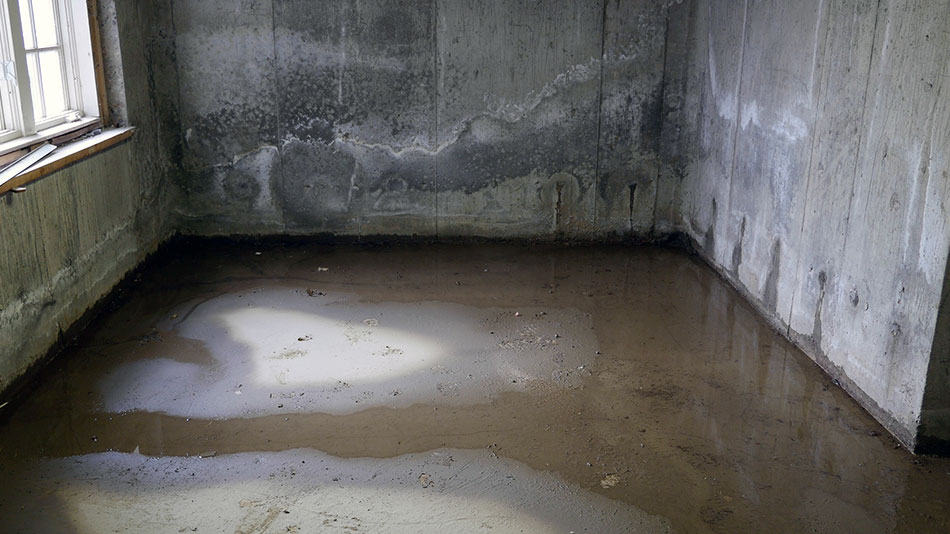
- Groundwater may seep into basements through cracks or porous foundations.
- Plumbing leaks or burst pipes can cause sudden, localized flooding indoors.
- Blocked gutters and downspouts can direct water toward your foundation.
For seasonal advice, check out our summer water damage prevention guide and fall maintenance checklist for gutters.
Step 1: Maintain Gutters and Downspouts
One of the simplest ways to minimize water damage is by keeping gutters and downspouts clear. Clogged gutters can cause rainwater to overflow and pool around your home’s foundation, increasing the risk of leaks and basement flooding.
- Clean gutters at least twice a year, especially after heavy storms or leaf fall.
- Ensure downspouts extend at least 3–6 feet away from your home.
- Inspect for leaks, rust, or sagging sections and repair as needed.
- Consider installing gutter guards to reduce debris buildup.
Step 2: Improve Yard Drainage
Proper yard grading and drainage systems help direct water away from your home. If your yard slopes toward your foundation, water can collect and seep inside.
- Regrade soil so it slopes away from the house by at least 6 inches over 10 feet.
- Install French drains, swales, or dry wells to manage runoff.
- Keep storm drains and catch basins clear of debris.
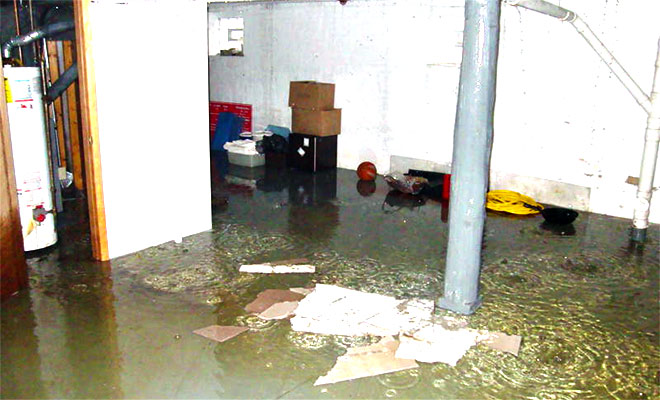
Step 3: Seal Foundations and Basement Walls
Cracks in your foundation or basement walls can allow water to enter during storms or periods of high groundwater. Regular inspections and timely repairs are crucial for keeping your home dry.
- Inspect basement walls and floors for visible cracks or damp spots.
- Seal minor cracks with waterproof masonry caulk or hydraulic cement.
- For persistent leaks, consult a professional for foundation repair or waterproofing.
- Apply waterproof sealant to basement walls as an added layer of protection.
Step 4: Install Sump Pumps and Backwater Valves
Sump pumps are designed to remove water that accumulates in a basement sump basin, especially during heavy rain. Backwater valves prevent sewage from backing up into your home during floods.
- Install a sump pump with a battery backup to ensure operation during power outages.
- Test your sump pump regularly and keep the pit clear of debris.
- Have a licensed plumber install a backwater valve if your home is at risk of sewer backups.
Step 5: Use Smart Technology for Early Detection
Modern leak detectors and water sensors can alert you to leaks or flooding before major damage occurs. These devices are especially useful in basements, laundry rooms, and near water heaters.
- Place water leak detectors in high-risk areas for early warning.
- Choose smart sensors that send alerts to your phone for immediate action.
- Regularly check batteries and test devices to ensure they function properly.
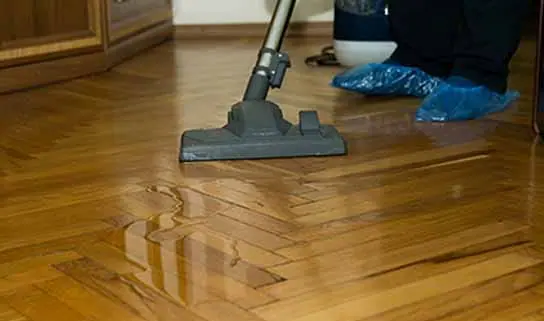
Step 6: Prepare for Severe Weather and Seasonal Changes
Weather events like monsoons and spring thaws can increase flood risks. Stay informed and take seasonal precautions to keep your home safe.
- Monitor local weather alerts and prepare sandbags if flooding is forecasted.
- Review your insurance policy to ensure adequate flood coverage.
- Store valuables and important documents in waterproof containers or on upper floors.
- For more advice, see our monsoon rain prevention guide and spring home inspection for leaks.
Additional Tips to Reduce Water Damage
- Keep storm drains near your property clear of leaves and debris.
- Install window well covers to prevent water from pooling around basement windows.
- Elevate appliances and electrical systems in flood-prone basements.
- Consider landscaping with native plants that absorb excess water.
Expert Resources and Further Reading
For more comprehensive strategies and expert advice, you can consult this guide on protecting your home from flooding. Staying informed and proactive is the best way to minimize the risk of costly water damage.
Frequently Asked Questions
What are the most effective ways to stop water from entering my basement?
The most effective strategies include keeping gutters and downspouts clear, grading soil away from your foundation, sealing cracks in basement walls, and installing a sump pump with a backup system. Regular inspections and prompt repairs are also crucial.
How often should I check my home for potential flood risks?
It’s wise to inspect your property at least twice a year, especially before and after major weather events. Pay attention to gutters, drainage, foundation cracks, and plumbing systems. Seasonal checklists can help you stay on track.
Are smart leak detectors worth installing?
Yes, smart leak detectors provide early warnings that can help you take action before a small leak becomes a major flood. They are especially useful in basements, laundry rooms, and near water heaters or sump pumps.