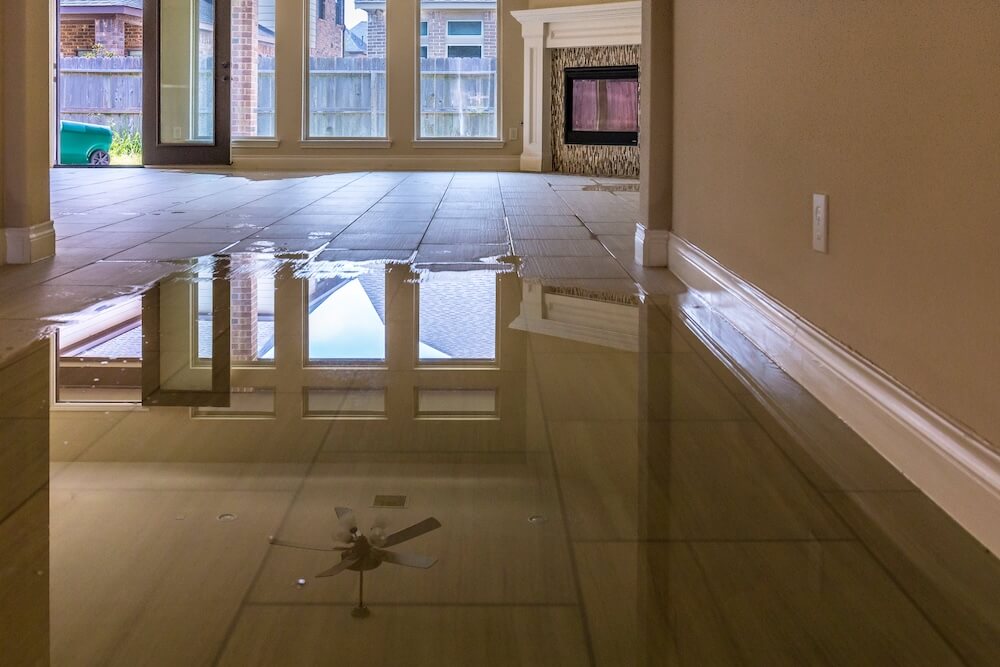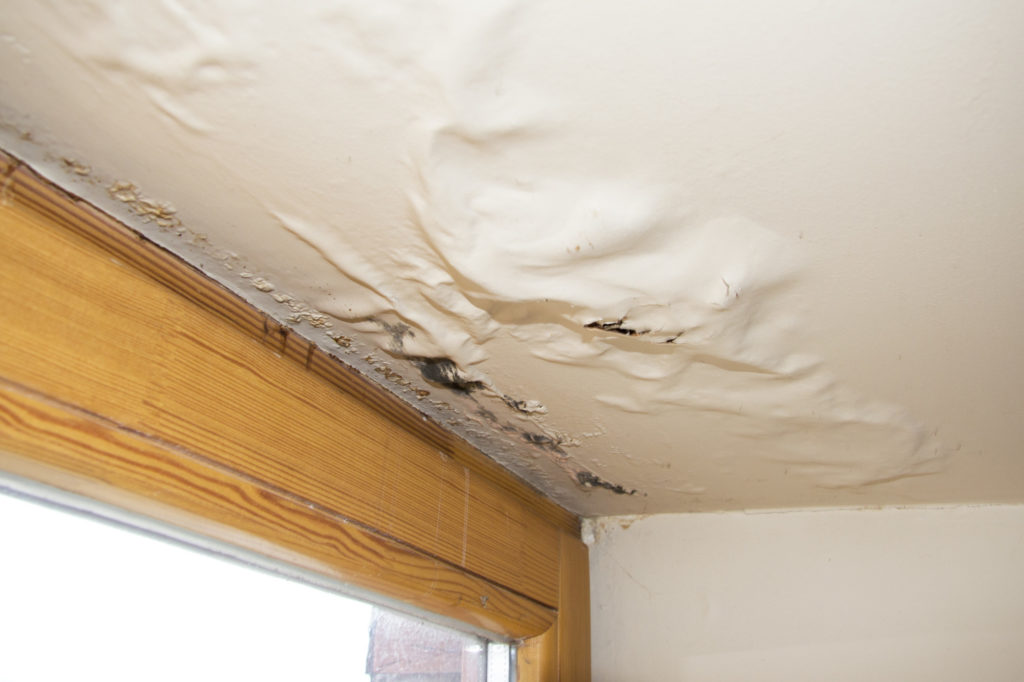
Water intrusion in homes or businesses is a serious concern, especially when it comes to the risk of mold growth. Acting quickly and following the right steps can make a significant difference in minimizing long-term damage and health risks. This guide explains practical measures to stop mold from developing after a leak, flood, or plumbing mishap. Whether you’re dealing with a minor spill or a major water event, understanding the best practices for moisture control and cleanup is essential for protecting your property and well-being.
If you’re interested in related maintenance tips, you might also find value in learning how to sanitize a cast iron press for safe kitchen use.
Why Mold Grows After Water Incidents
Mold spores are present in almost every indoor environment, but they only become a problem when excess moisture is introduced. After a water event, damp materials like drywall, carpet, and wood provide the perfect breeding ground for mold to thrive. Within 24 to 48 hours, visible growth can begin if the area is not dried thoroughly. Mold not only damages building materials but can also cause health issues, especially for those with allergies or respiratory conditions.
Immediate Steps to Minimize Mold Risk
The first hours after discovering water damage are critical. Here’s what you should do right away to reduce the risk of mold:
- Stop the source of water as soon as possible—shut off the main valve or fix leaks immediately.
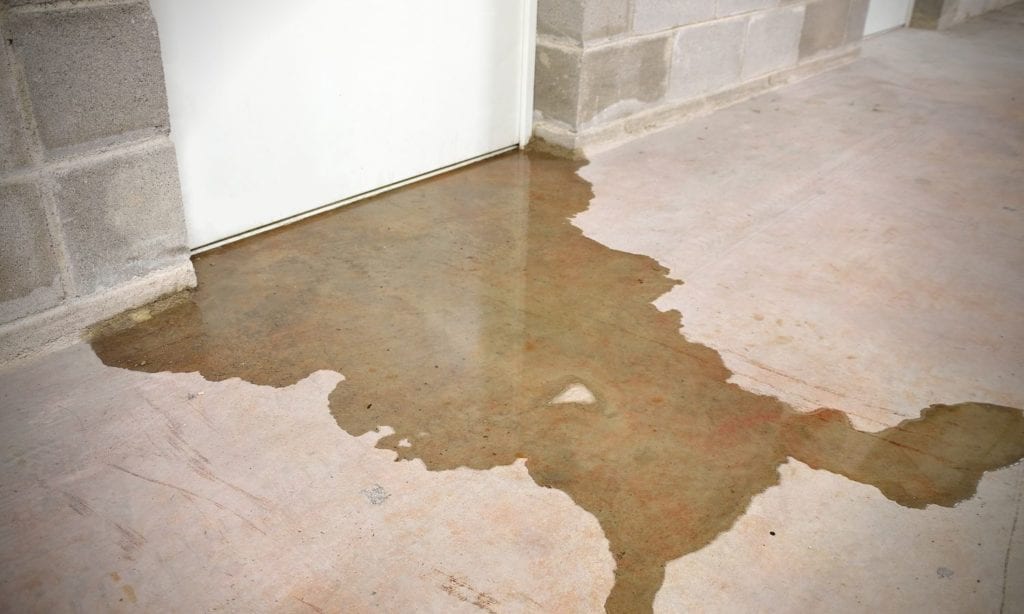
- Remove standing water using pumps, wet/dry vacuums, or mops. The faster you extract water, the less chance mold has to develop.
- Increase airflow by opening windows and doors. Use fans and dehumidifiers to speed up the drying process.
- Remove wet materials such as rugs, furniture, and curtains to dry them separately. Discard items that cannot be fully dried or cleaned.
- Document the damage for insurance purposes by taking photos and notes before cleanup begins.
Drying Techniques to Prevent Mold Growth
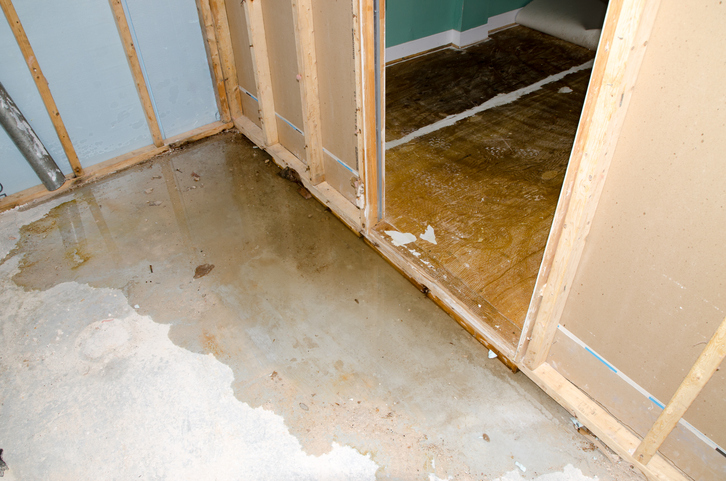
Thorough drying is the most effective way to stop mold after water exposure. Here are proven methods for removing moisture from affected areas:
- Use dehumidifiers to pull moisture from the air, especially in basements or enclosed spaces.
- Position fans strategically to circulate air across wet surfaces. Move them frequently to cover all areas.
- Remove baseboards and drill small holes in drywall if water has seeped behind walls, allowing air to reach hidden dampness.
- Lift carpets and padding to dry both sides. In some cases, professional cleaning or replacement may be necessary.
- Monitor humidity levels with a hygrometer. Aim for indoor humidity below 50% to discourage mold.
Cleaning and Disinfecting After Water Damage
Once the area is dry, it’s important to clean and sanitize all affected surfaces to remove contaminants and residual spores. Use a non-ammonia soap or detergent and water to scrub hard surfaces. After cleaning, apply a disinfectant such as diluted bleach (one cup bleach to one gallon of water) to non-porous materials. Always wear gloves and ensure good ventilation during this process.
For porous items like drywall, insulation, or ceiling tiles that have been soaked, replacement is often the safest choice. Mold can penetrate deep into these materials, making thorough cleaning impossible.
Long-Term Strategies to Avoid Mold Recurrence
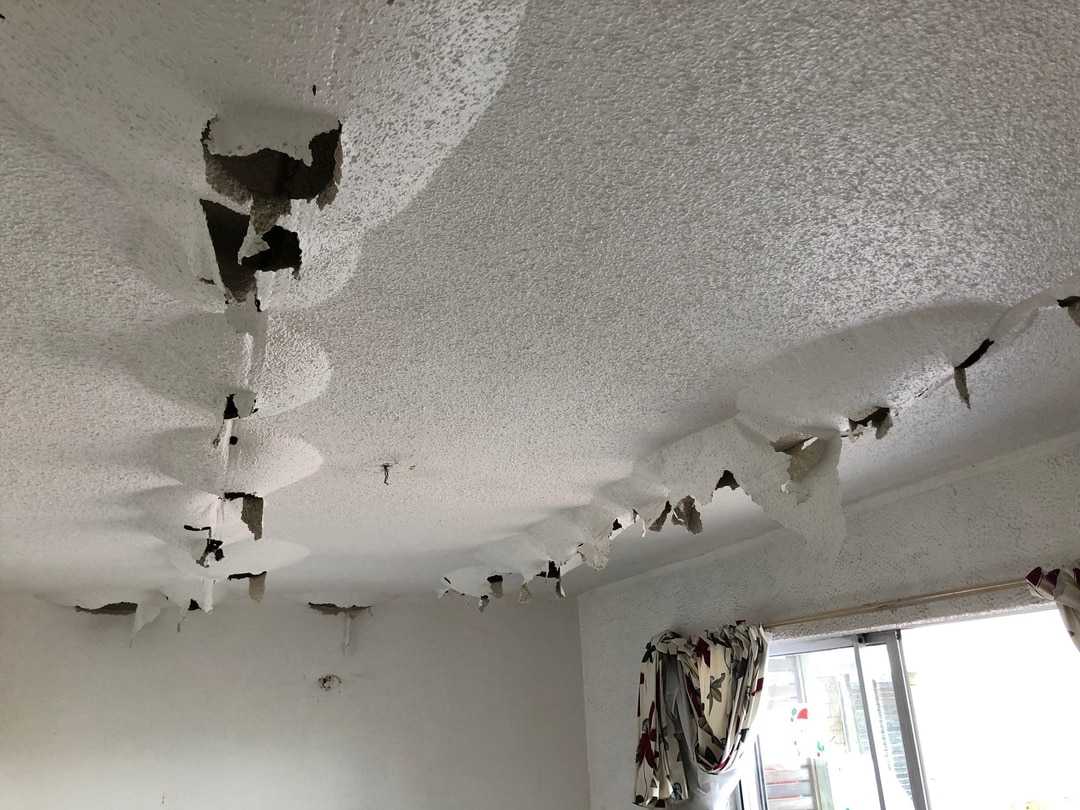
Preventing future mold problems means addressing the underlying causes of moisture. Here are some effective strategies:
- Fix leaks promptly in plumbing, roofs, and windows. Even small drips can lead to hidden mold growth over time.
- Improve drainage around your foundation to keep water from seeping into basements or crawl spaces.
- Maintain HVAC systems and ensure air conditioning drip pans and drain lines are clear.
- Install leak detectors for early warning. Devices are available for pipes and toilets to help you catch problems before they escalate.
- Monitor humidity and use exhaust fans in bathrooms, kitchens, and laundry rooms.
For more tips on protecting your property, review best practices to protect your home while you are away to reduce the risk of water-related issues.
When to Call a Professional
While small spills can often be managed by homeowners, extensive water damage or suspected mold infestations require expert help. If you notice persistent musty odors, visible mold patches, or if the affected area is larger than 10 square feet, contact a certified mold remediation specialist. Professionals have the equipment and expertise to safely remove mold and restore your property.
Frequently Asked Questions
How quickly does mold develop after water exposure?
Mold can start to grow within 24 to 48 hours of a water event if moisture is not removed. That’s why immediate action is crucial to prevent spores from taking hold.
What are the signs of mold after water damage?
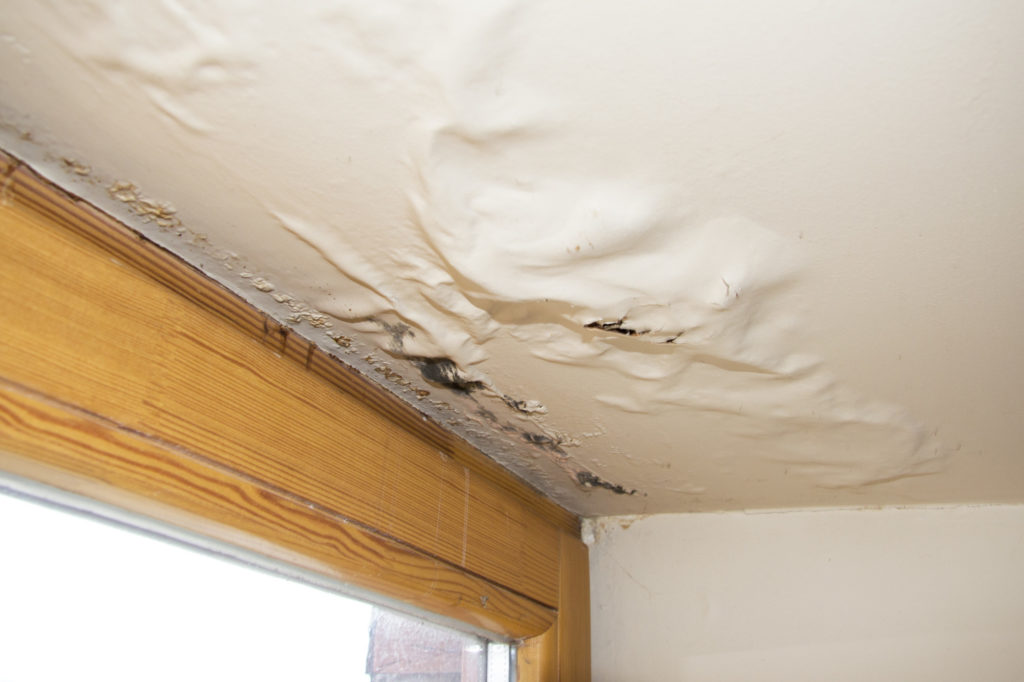
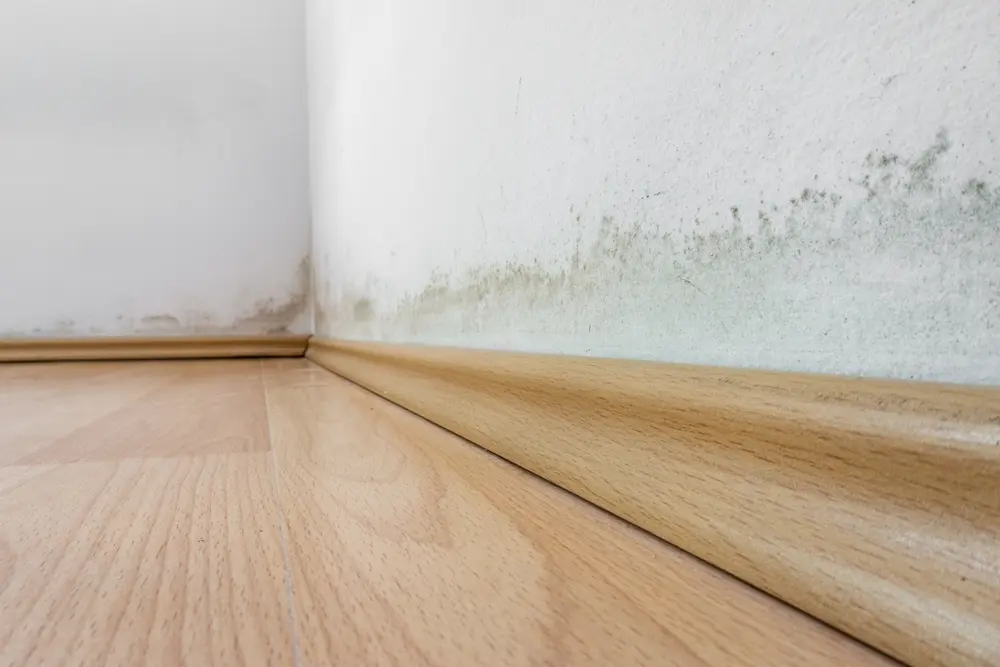
Common indicators include a musty smell, discoloration on walls or ceilings, and visible fuzzy or slimy patches. If you notice any of these, further inspection is needed.
Can I use household cleaners to remove mold?
For small, non-porous surfaces, household cleaners and diluted bleach can be effective. However, for porous materials or large infestations, professional remediation is recommended to ensure complete removal and safety.
How can I prevent future water leaks?
Regularly inspect plumbing, roofs, and appliances for leaks. Consider installing smart leak detectors for early alerts, and maintain proper drainage around your home’s foundation.