Bathrooms are notorious for developing mold due to their constant exposure to moisture and humidity. Left unchecked, mold can lead to unsightly stains, unpleasant odors, and even health concerns for your household. Understanding how to prevent mold in bathroom spaces is essential for maintaining a clean, healthy, and comfortable home environment.
This guide covers practical steps to reduce moisture, improve ventilation, and address common sources of leaks. By following these strategies, you can minimize the risk of mold growth and protect both your bathroom and your family’s well-being. For homeowners interested in broader home protection, reviewing a roof inspection checklist can also help prevent water damage that contributes to mold issues.
Understanding Why Mold Thrives in Bathrooms
Mold is a type of fungus that grows in damp, warm, and poorly ventilated areas. Bathrooms provide the perfect environment for mold spores to settle and multiply, especially on surfaces like grout, tile, ceilings, and behind fixtures. The combination of hot showers, frequent water use, and limited airflow makes bathrooms particularly vulnerable.
Common signs of mold include black or green spots on walls, a musty smell, and peeling paint or wallpaper. Addressing these early can prevent more significant problems down the line.
Key Steps to Reduce Moisture and Prevent Mold Growth
The most effective way to stop mold is to control moisture. Here are essential steps to keep your bathroom dry and mold-free:
- Ventilate Properly: Always use an exhaust fan during and after showers. If possible, open a window to let fresh air circulate.
- Wipe Down Surfaces: After bathing, use a squeegee or towel to dry shower walls, doors, and tiles. This simple habit removes excess water before mold can take hold.
- Fix Leaks Promptly: Check under sinks, around toilets, and near tubs for leaks. Even small drips can create persistent dampness that encourages mold.
- Keep the Room Dry: Hang towels and bath mats to dry outside the bathroom. Avoid leaving wet clothes or sponges in the room.
- Seal Grout and Tile: Apply a grout sealer annually to prevent water from seeping into cracks where mold can grow.
Improving Bathroom Ventilation
Proper airflow is crucial for keeping humidity levels low. If your bathroom has an exhaust fan, make sure it’s functioning well and run it for at least 20 minutes after each shower. Clean the fan regularly to ensure it’s not clogged with dust.
For bathrooms without fans, consider installing one or using a portable dehumidifier. Leaving the door open after use also helps moisture escape more quickly.
Addressing Leaks and Plumbing Issues
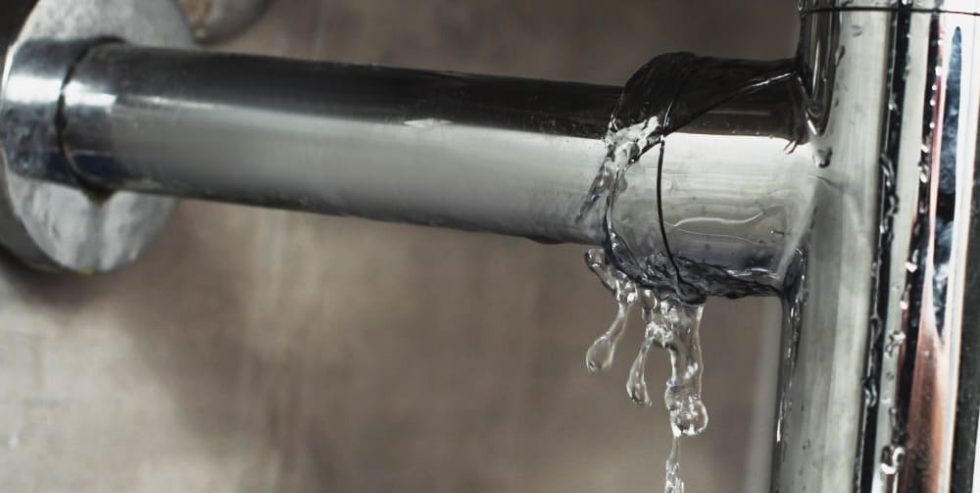
Water leaks are a leading cause of persistent moisture in bathrooms. Regularly inspect pipes, faucets, and toilet bases for signs of drips or pooling water. If you notice water stains, warped cabinetry, or unexplained dampness, act quickly to repair the issue.
Installing leak detectors can help you catch problems before they escalate. These devices alert you to hidden leaks, giving you time to fix them and prevent mold from forming.
For more tips on protecting your home from water-related damage, you might find value in this comprehensive guide to preventing water damage from household fixtures.
Routine Cleaning and Mold Prevention Habits
Consistent cleaning keeps mold at bay. Use a bathroom cleaner with mold-fighting ingredients on tiles, grout, and other high-risk areas at least once a week. Pay special attention to corners, behind the toilet, and under sinks.
- Wash shower curtains and liners regularly, or choose mildew-resistant options.
- Replace caulk or grout that shows signs of mold or deterioration.
- Keep storage baskets and organizers dry and clean.
These habits, combined with moisture control, form a strong defense against mold.

Additional Tips for Keeping Bathrooms Mold-Free
- Use Mold-Resistant Paint: When repainting, choose paints designed to resist mold and mildew.
- Declutter Surfaces: Keep counters and shelves clear to allow air to circulate and make cleaning easier.
- Monitor Humidity: Use a hygrometer to ensure bathroom humidity stays below 50%.
- Check Exterior Drainage: Ensure your home’s exterior drainage systems are functioning well to prevent water from seeping into bathroom walls. For more on this, see how to maintain exterior drainage.
FAQ: Common Questions About Bathroom Mold Prevention
What Causes Mold to Grow in Bathrooms?
Mold thrives in areas with high humidity, warmth, and poor ventilation. In bathrooms, frequent use of hot water, steam, and occasional leaks create ideal conditions for spores to settle and grow on surfaces like grout, tile, and ceilings.
How Often Should I Clean My Bathroom to Prevent Mold?
It’s best to clean high-risk areas such as showers, tubs, and sinks at least once a week. Regularly washing shower curtains, drying surfaces after use, and inspecting for leaks can further reduce the risk of mold.
Can Mold in the Bathroom Affect My Health?
Yes, exposure to mold can cause allergic reactions, respiratory issues, and worsen asthma symptoms, especially in sensitive individuals. Keeping your bathroom dry and clean is important for maintaining good indoor air quality.
What Should I Do If I Find Mold in My Bathroom?
Small patches can often be cleaned with a mold-killing cleaner or a mixture of vinegar and water. For larger infestations or if mold returns quickly, it’s wise to consult a professional to address underlying moisture problems.
Conclusion
Preventing mold in your bathroom comes down to controlling moisture, ensuring proper ventilation, and maintaining a regular cleaning routine. By staying vigilant about leaks and humidity, and by using the right products and tools, you can keep your bathroom fresh, healthy, and mold-free. For further insights on protecting your home from water-related issues, explore resources like a guide to preventing water damage from clogged gutters.